
Perspectives on Regional and National Literatures – serie
Visar alla böcker i serien Perspectives on Regional and National Literatures. Handla med fri frakt och snabb leverans.
3 produkter
3 produkter
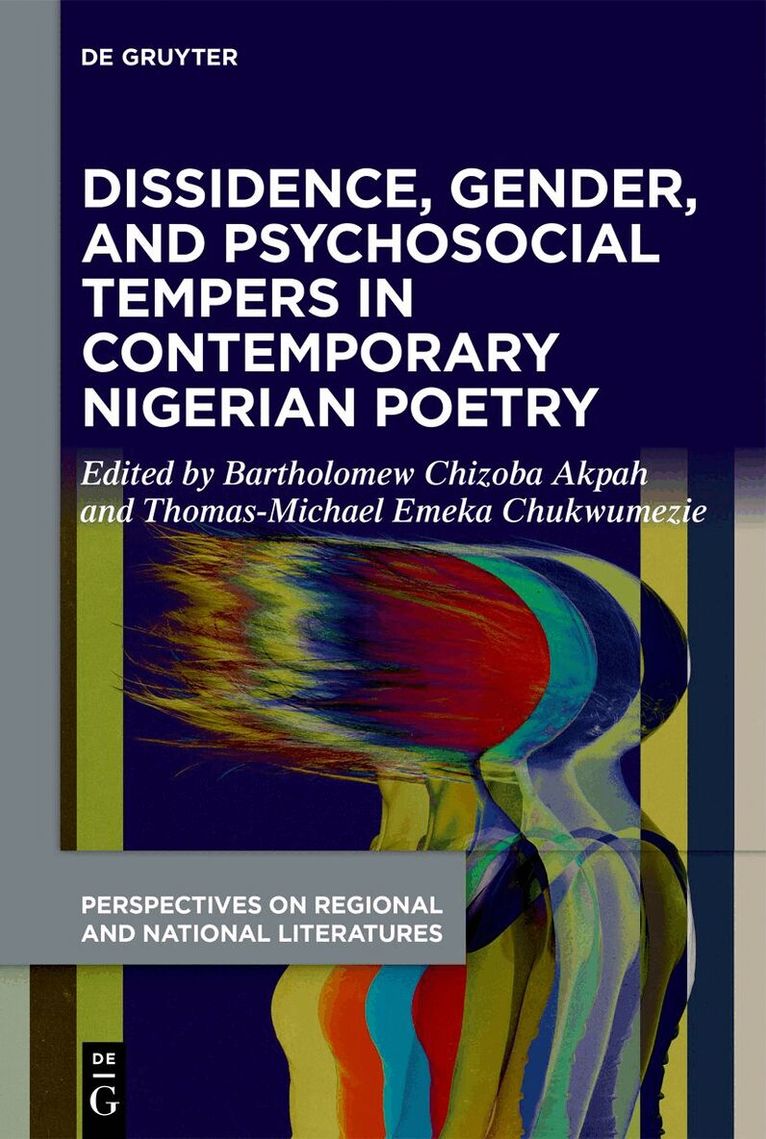
Inbunden, Engelska, 2026
1 360 kr
Skickas inom 3-6 vardagar
This collection brings contemporary Nigerian poetry into focus, bridging the gap between celebrated masters like Wole Soyinka and Christopher Okigbo and the dynamic voices emerging in the 21st century. It features fifteen essays, offering fresh perspectives on the intersection of poetry and political dissidence, responses to terrorism, the poetics of trauma and healing, questions of national identity, and peace-building through poetic expression.
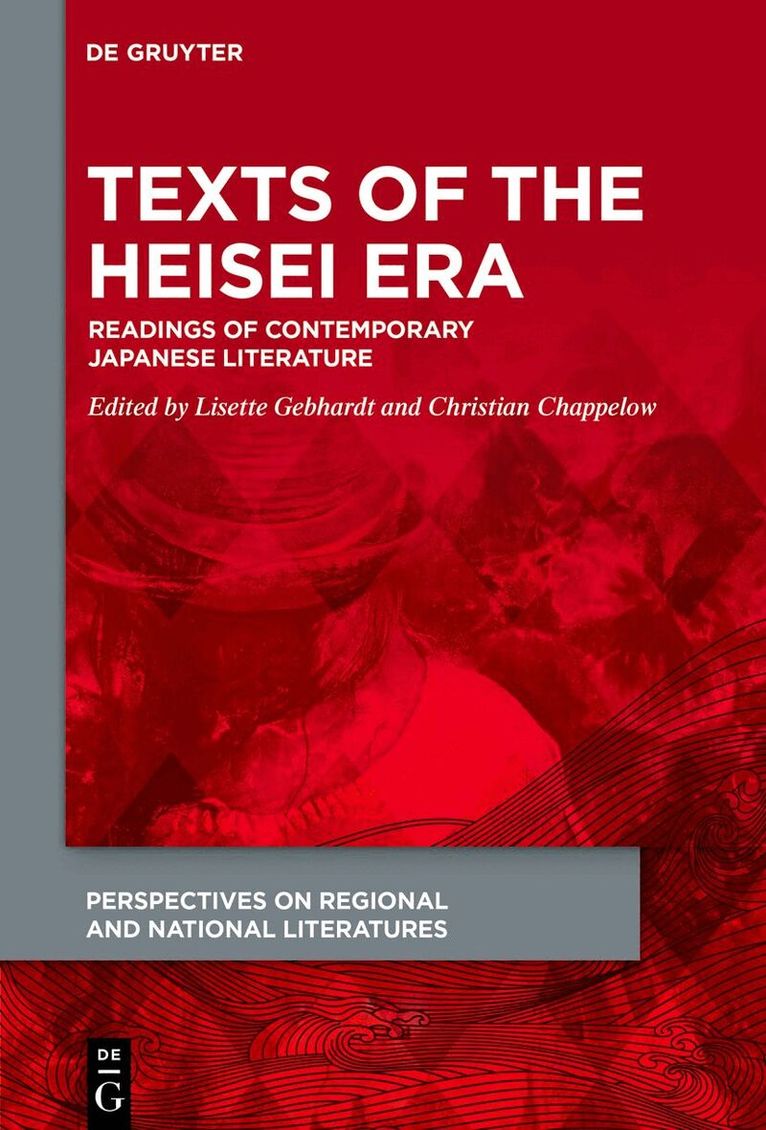
Inbunden, Engelska, 2025
1 564 kr
Skickas inom 5-8 vardagar
This volume with contributions on the literature of the Heisei era (1989-2019) contains analyses of contemporary Japanese literature. It presents authors such as Shimada Masahiko, Abe Kazushige, Tawada Yôko and Shôno Yoriko, who use sophisticated, self-reflective language and subversive arguments against systems of power to criticize the times in the context of the question of national identity and transculturality.
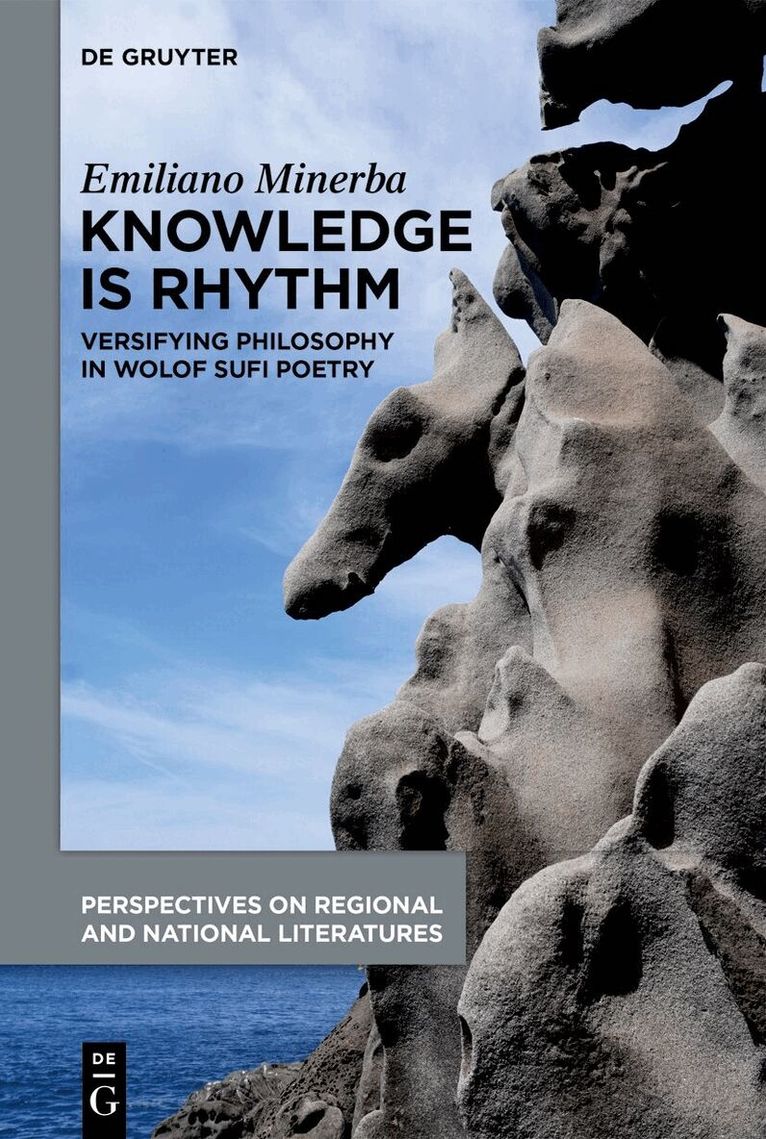
Inbunden, Engelska, 2026
1 564 kr
Skickas inom 5-8 vardagar
How can poetry convey philosophy and embody knowledge? This book addresses this question through a study of Wolofal, the Islamic religious poetry in Wolof that flourished with the rise of the Muridiyya brotherhood in Senegal. By focusing on four key poets—Samba Jaara Mbay, Moor Kayre, Mbay Jaxate, and Muusaa Ka—it shows how their works articulated the concept of xam-xam (knowledge) as both spiritual insight and lived practice. Drawing on original translations and close readings, the study highlights how Wolofal represents a synthesis of Wolof and Arabic traditions, where rhythm and form are inseparable from meaning. Rather than applying external frameworks, it lets the texts themselves reveal their philosophical depth, demonstrating that poetry was not only a literary form but also a vehicle of education, proselytism, and cultural innovation. By analysing how knowledge becomes rhythm and action, this book sheds new light on African Sufi literature and contributes to broader debates on philosophy, religion, and indigenous epistemologies. It will be of interest to scholars and students in African studies, Islamic studies, literature, and philosophy, as well as readers curious about the intersections of language, poetry, and spirituality.