Proceedings of the Danish Institute in Damascus – serie
Visar alla böcker i serien Proceedings of the Danish Institute in Damascus. Handla med fri frakt och snabb leverans.
2 produkter
2 produkter
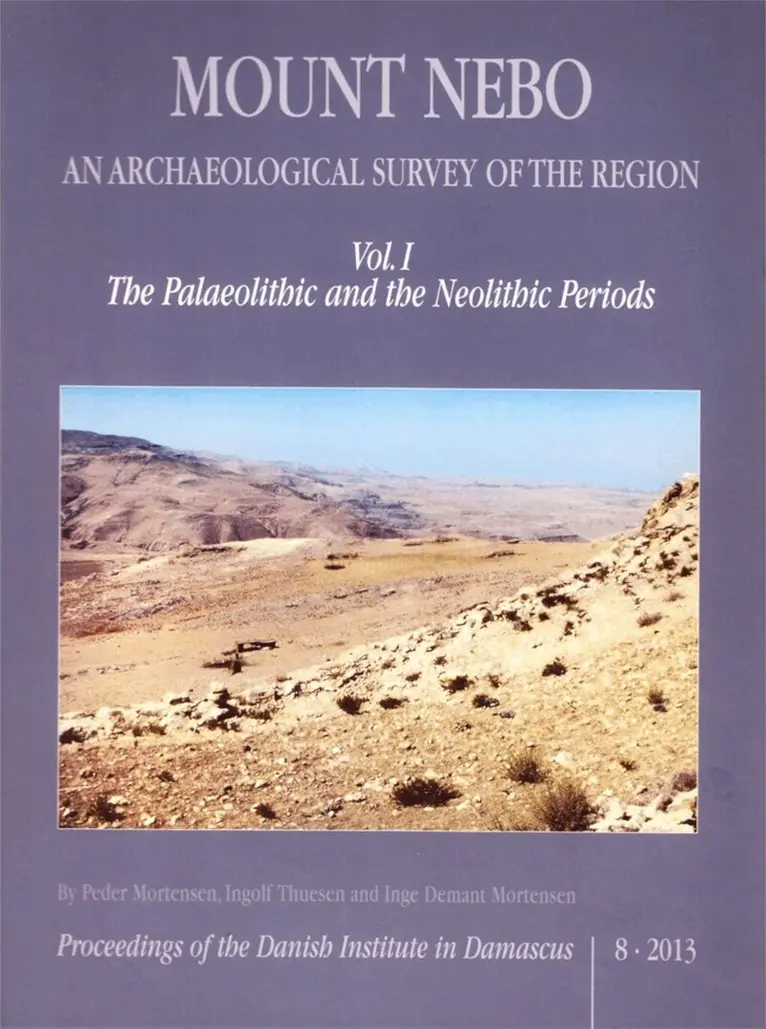
Mount Nebo. an Archaeological Survey of the Region
Vol. I. the Palaeolithic and the Neolithic Periods
Inbunden, Engelska, 2013
607 kr
Skickas inom 3-6 vardagar
During six seasons (1992-1998) an intensive survey of the Mount Nebo region was accomplished under the auspices of the Franciscan Archaeological Institute at Mount Nebo and the Danish Palestine Foundation. It was followed by a brief reconnaissance in 2008. The survey was carried out in the field by a small group of archaeologists, directed by Peder Mortensen. The group was occasionally joined by Michele Piccirillo and by Carmelo Pappalardo from the Franciscan Archaeological Institute. Centered around Mount Nebo, the survey covered an area of approximately 35 square kilometres varying in elevation from -100 to 800 metres. Within the region 748 sites and monuments - in time ranging from the Lower Palaeolithic to the Late Ottoman periods - were located. The attention was primarily concentrated on the large number of megalithic monuments: 194 dolmens, 41 lines of stones and menhirs, and 316 circular megalithic tombs. Together with other finds from the Chalcolithic, Bronze- and Iron Ages, and from the Persian, Hellenistic, Roman, Byzantine and Islamic periods they will be published in two successive volumes. This volume, however, is dedicated to the description of 79 locations and single finds, which can be attributed to the Stone Age.
Inbunden, Engelska, 2010
2 014 kr
Skickas inom 5-8 vardagar
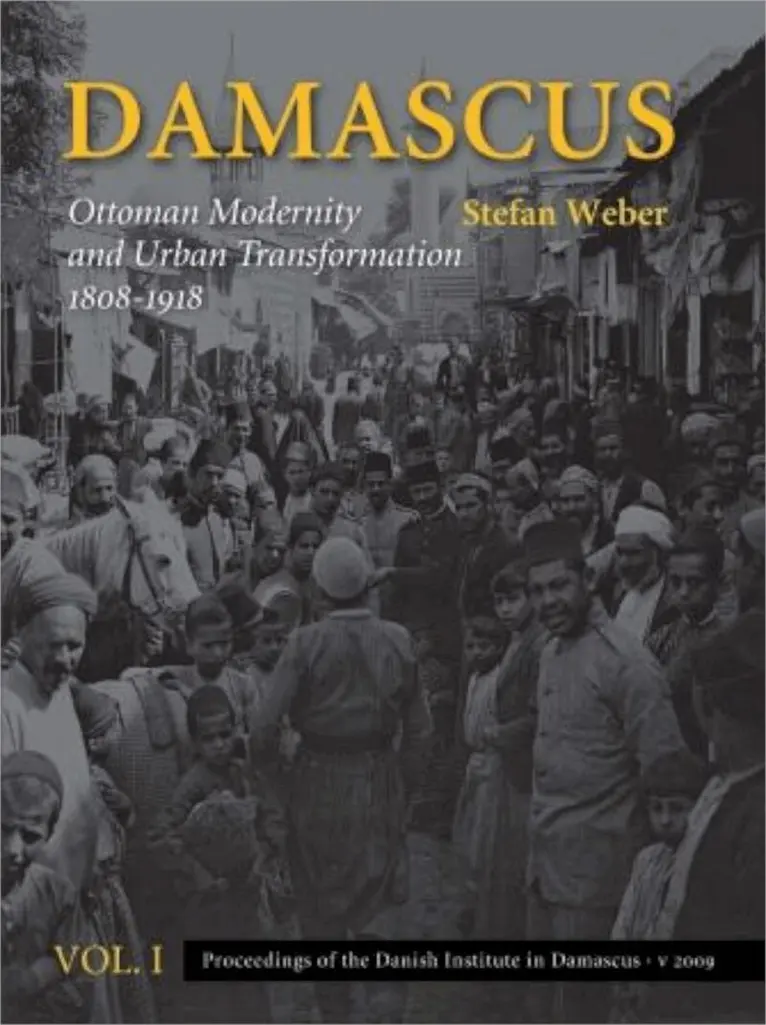
Damascus, capital of the Ottoman province in Syria and one of the most important centres of the classical Muslim World, underwent some of the same developments in the 19th century as other urban centres in the Mediterranean area and beyond. In the course of the industrial revolution in Europe and the radical expansion of a worldwide network of traffic and communication, new ideas, techniques, material goods and architectural forms spread and challenged locally established patterns of urban and social organisation. This expansion and integration led to an increase in orientation of urban and social structures towards supra-regional models seen, for example, in architecture of houses, public buildings and bazaars or urban organization and clothing. Yet Damascus never became a "European city", but modernised in its own, unique ways. This study examines the society, architecture and urban planning, including the documentation of over one thousand buildings and public spaces, of the endangered UNESCO World Heritage Site of Damascus. The history of these buildings and their transformation are discussed, and many unpublished historical photographs provide an insight into lost and unknown private worlds and urban textures. From a micro-historical approach, this book unfolds the spaces of the everyday life of local actors and agents to unearth and relate the complexity and nonlinear quality of the processes, which transpired as an integral turning point in the history of the Middle East with its entry into modernity.