
Movement Rhetoric, Rhetoric's Movements – serie
Visar alla böcker i serien Movement Rhetoric, Rhetoric's Movements. Handla med fri frakt och snabb leverans.
8 produkter
8 produkter
Inbunden, Engelska, 2022
1 268 kr
Skickas inom 5-8 vardagar
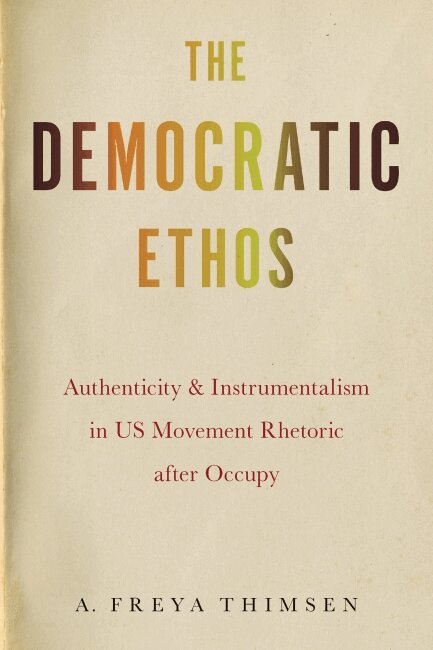
What did Occupy Wall Street accomplish? While it began as a startling disruption in politics as usual, in The Democratic Ethos Freya Thimsen argues that the movement's long-term importance rests in how its commitment to radical democratic self-organization has been adopted within more conventional forms of politics. Occupy changed what counts as credible democratic coordination and how democracy is performed, as demonstrated in opposition to corporate political influence, rural antifracking activism, and political campaigns.By comparing instances of progressive politics that demonstrate the democratic ethos developed and promoted by Occupy and those that do not, Thimsen illustrates how radical and conventional rhetorical strategies can be brought together to seek democratic change. Combining insights from rhetorical studies, performance studies, political theory, and sociology, The Democratic Ethos offers a set of conceptual tools for analyzing anticorporate democracy-movement politics in the twenty-first century.
Häftad, Engelska, 2022
322 kr
Skickas inom 5-8 vardagar
What did Occupy Wall Street accomplish? While it began as a startling disruption in politics as usual, in The Democratic Ethos Freya Thimsen argues that the movement's long-term importance rests in how its commitment to radical democratic self-organization has been adopted within more conventional forms of politics. Occupy changed what counts as credible democratic coordination and how democracy is performed, as demonstrated in opposition to corporate political influence, rural antifracking activism, and political campaigns.By comparing instances of progressive politics that demonstrate the democratic ethos developed and promoted by Occupy and those that do not, Thimsen illustrates how radical and conventional rhetorical strategies can be brought together to seek democratic change. Combining insights from rhetorical studies, performance studies, political theory, and sociology, The Democratic Ethos offers a set of conceptual tools for analyzing anticorporate democracy-movement politics in the twenty-first century.

Inbunden, Engelska, 2025
1 268 kr
Skickas inom 5-8 vardagar
How nineteenth-century women used the Bible to claim their voice on the moral questions of their day Caught between their identity as Christians and social norms that silenced them, American women used scripture to claim moral and then rhetorical agency. They reinterpreted familiar biblical passages, recovered previously ignored stories about women, and contested passages used to circumscribe women's activities. By strategically adopting a rhetorical posture of dissent, these women became prophetic voices in American society. In Your Daughters Will Prophesy, Lisa Marie Gring-Pemble and Martha Watson analyze the argumentative resources four women—Jarena Lee, Sarah Moore Grimké, Lucretia Coffin Mott, and Frances Willard—used to counter gendered restrictions and gain access to political platform and church pulpit, catalyzing what became known as the woman's movement.

Häftad, Engelska, 2025
377 kr
Skickas inom 5-8 vardagar
How nineteenth-century women used the Bible to claim their voice on the moral questions of their day Caught between their identity as Christians and social norms that silenced them, American women used scripture to claim moral and then rhetorical agency. They reinterpreted familiar biblical passages, recovered previously ignored stories about women, and contested passages used to circumscribe women's activities. By strategically adopting a rhetorical posture of dissent, these women became prophetic voices in American society. In Your Daughters Will Prophesy, Lisa Marie Gring-Pemble and Martha Watson analyze the argumentative resources four women—Jarena Lee, Sarah Moore Grimké, Lucretia Coffin Mott, and Frances Willard—used to counter gendered restrictions and gain access to political platform and church pulpit, catalyzing what became known as the woman's movement.
Inbunden, Engelska, 2026
1 766 kr
Kommande
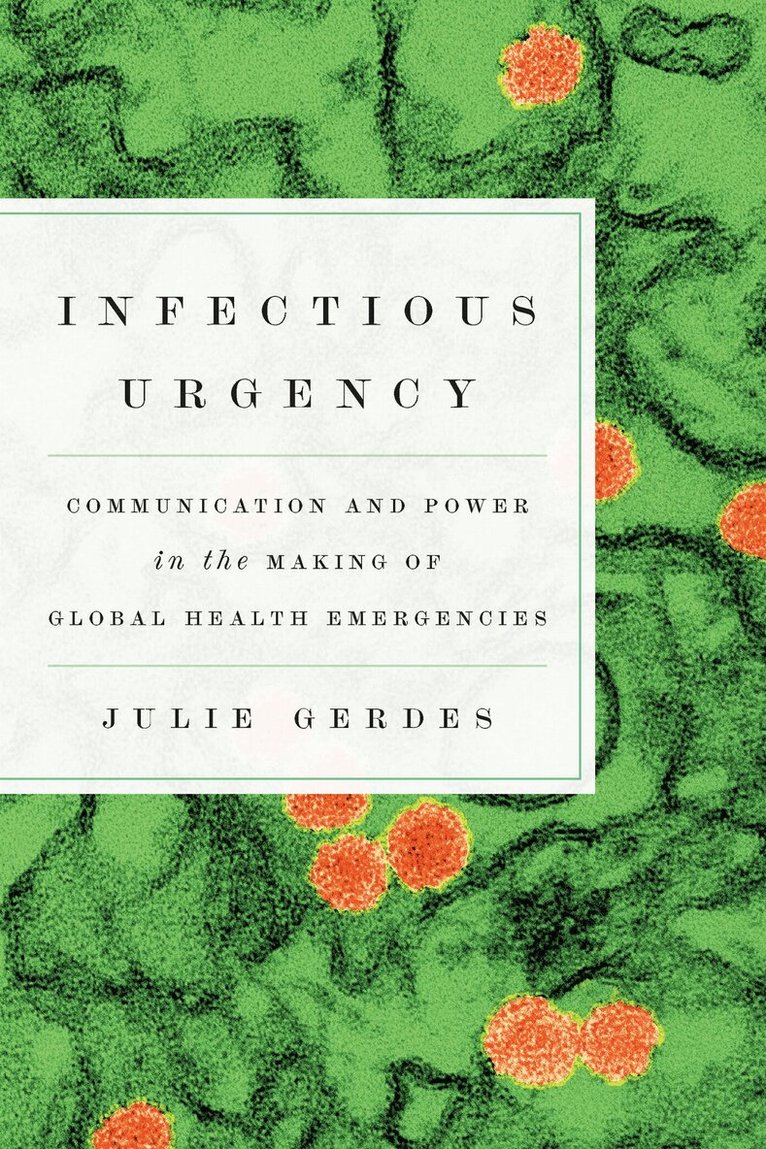
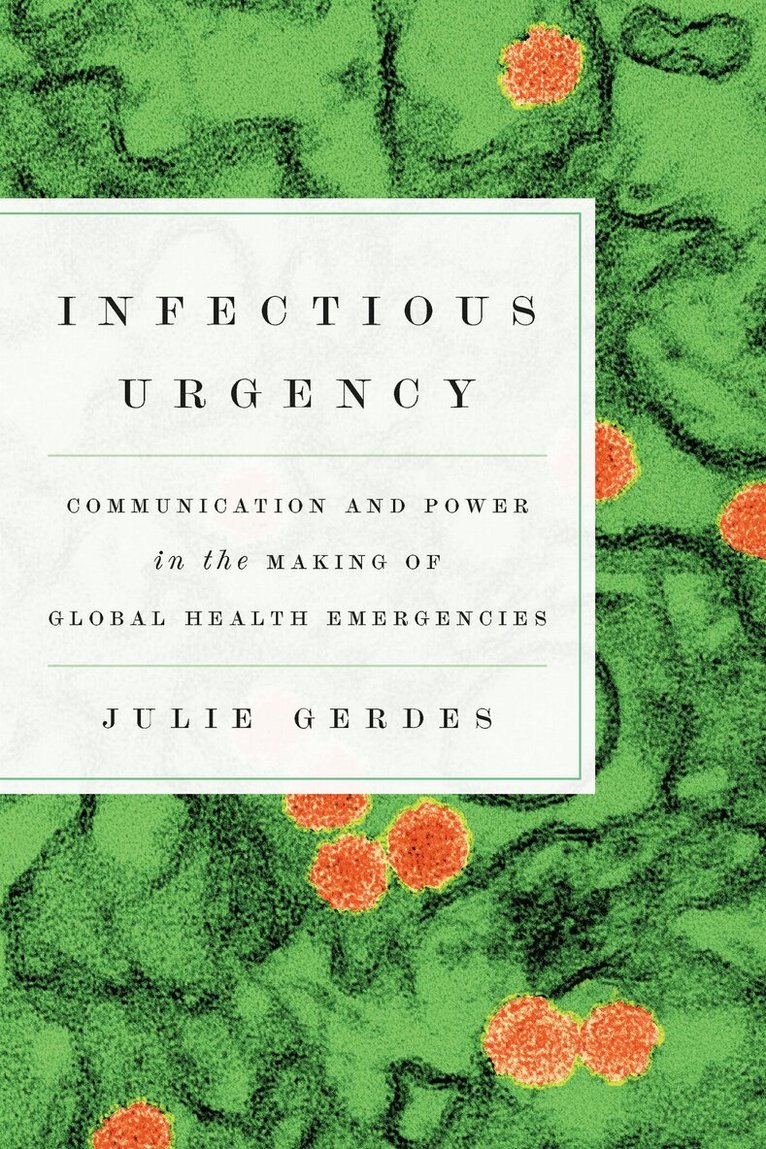
How urgency-driven public health communication perpetuates inequitiesGlobal public health systems necessarily approach emergent threats with great urgency. As Julie Gerdes argues in Infectious Urgency: Communication and Power in the Making of Global Health Emergencies, that urgency itself functions as a rhetorical logic. And this logic shapes prevention tactics, outbreak communication, and response efforts, often in ways that reify power and exacerbate global disparities.Gerdes scrutinizes how power, authority, and equity move through the prevention, declaration, communication design, and responsephases of public health emergencies of international concern (PHEICs) designated by the World Health Organization, including Ebola, Zika, and covid-19. She draws on rhetorical theory and her firsthand experience in global health to provide a nuanced analysis of scientific publications, emergency declaration deliberations, interviews with public health practitioners, and an oral history project on vaccine campaigns.
Inbunden, Engelska, 2026
838 kr
Kommande
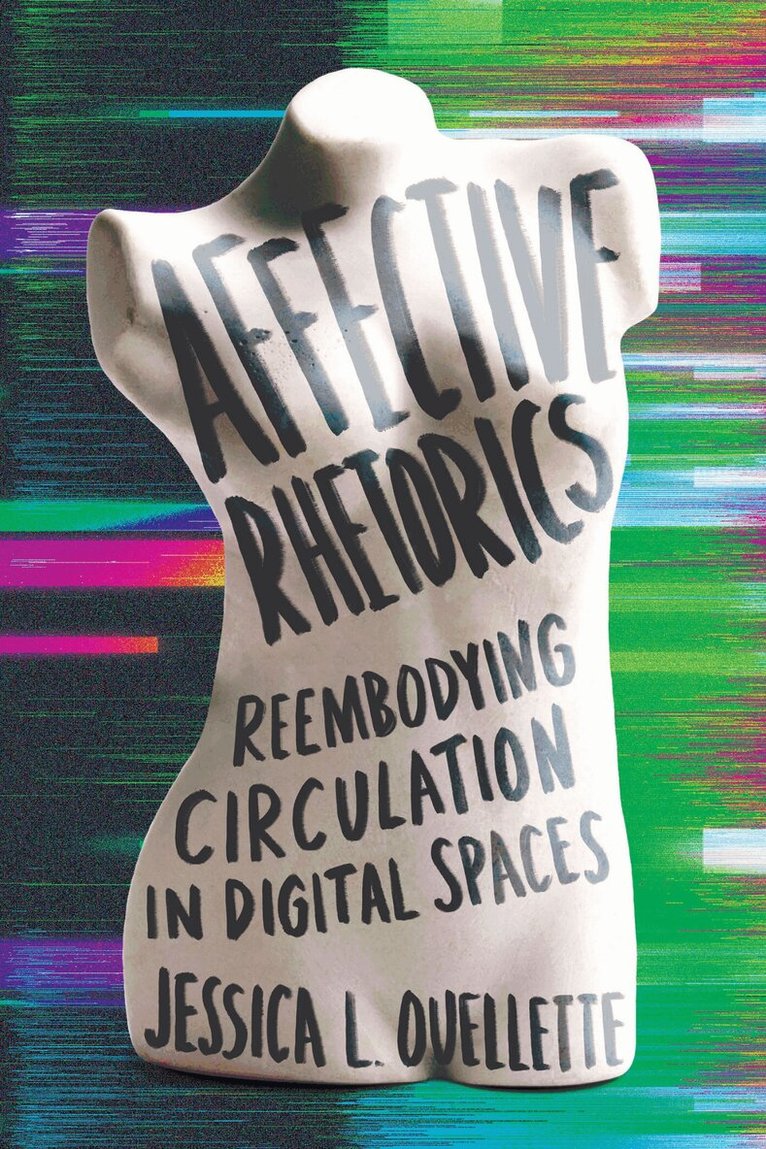
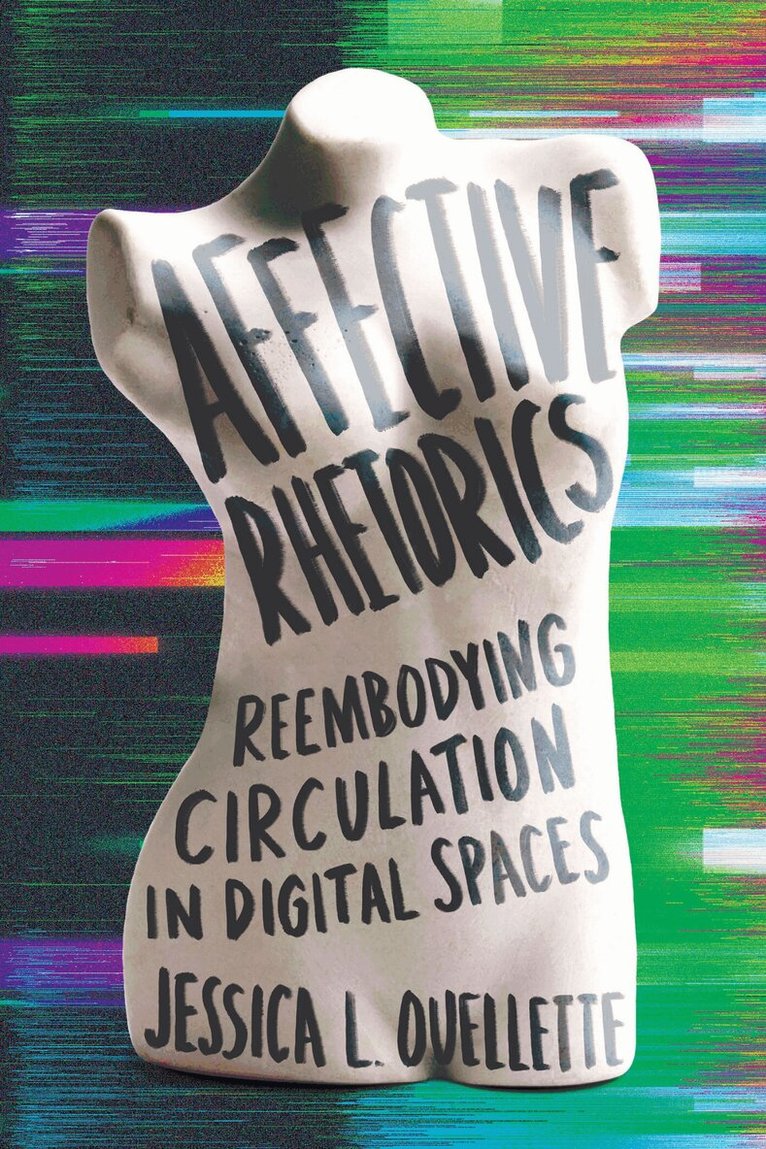
Illuminates how power circulates through affective networks and digital infrastructures In March 2013, 19-year-old Tunisian citizen Amina Sboui posted two photographs on social media—topless with feminist slogans written on her chest—in response to policies curtailing women's rights. Her post sparked a series of feminist protest events that would become the subject of news articles, blogs, and social media posts around the globe. As the images and commentary circulated online, so too did bodily related rhetorics. In Affective Rhetorics Jessica L. Ouellette uses this movement to explore how affect—bodily associations, responses, reactions, and orientations—drives digital discourse and reshapes our social and bodily relations online. Using the tools of transnational feminist rhetoric, Ouellette investigates the affective economies that underpin the circulation of rhetoric and power across digital platforms, revealing how feeling operates as both fuel and currency. By identifying the affective energies that sustain or disrupt online movements, she offers a framework for understanding and transforming the rhetorical currents that shape contemporary digital life.
Häftad, Engelska, 2026
303 kr
Kommande
Illuminates how power circulates through affective networks and digital infrastructuresIn March 2013, 19-year-old Tunisian citizen Amina Sboui posted two photographs on social media—topless with feminist slogans written on her chest—in response to policies curtailing women's rights. Her post sparked a series of feminist protest events that would become the subject of news articles, blogs, and social media posts around the globe. As the images and commentary circulated online, so too did bodily related rhetorics.In Affective Rhetorics Jessica L. Ouellette uses this movement to explore how affect—bodily associations, responses, reactions, and orientations—drives digital discourse and reshapes our social and bodily relations online. Using the tools of transnational feminist rhetoric, Ouellette investigates the affective economies that underpin the circulation of rhetoric and power across digital platforms, revealing how feeling operates as both fuel and currency. By identifying the affective energies that sustain or disrupt online movements, she offers a framework for understanding and transforming the rhetorical currents that shape contemporary digital life.
Häftad, Engelska, 2026
522 kr
Kommande
How urgency-driven public health communication perpetuates inequitiesGlobal public health systems necessarily approach emergent threats with great urgency. As Julie Gerdes argues in Infectious Urgency: Communication and Power in the Making of Global Health Emergencies, that urgency itself functions as a rhetorical logic. And this logic shapes prevention tactics, outbreak communication, and response efforts, often in ways that reify power and exacerbate global disparities.Gerdes scrutinizes how power, authority, and equity move through the prevention, declaration, communication design, and responsephases of public health emergencies of international concern (PHEICs) designated by the World Health Organization, including Ebola, Zika, and covid-19. She draws on rhetorical theory and her firsthand experience in global health to provide a nuanced analysis of scientific publications, emergency declaration deliberations, interviews with public health practitioners, and an oral history project on vaccine campaigns.