Shire Collections – serie
Visar alla böcker i serien Shire Collections. Handla med fri frakt och snabb leverans.
10 produkter
English Furniture
Av John Bly, Eric Knowles
Häftad, 2010
185 kr
Lägg i varukorg
The story of English furniture really begins in the sixteenth century, when crude medieval tables and stools gave way to more sophisticated, jointed designs. This Tudor furniture is the earliest to survive in any quantity, and it is where John Bly begins his history of English furniture. Changing …
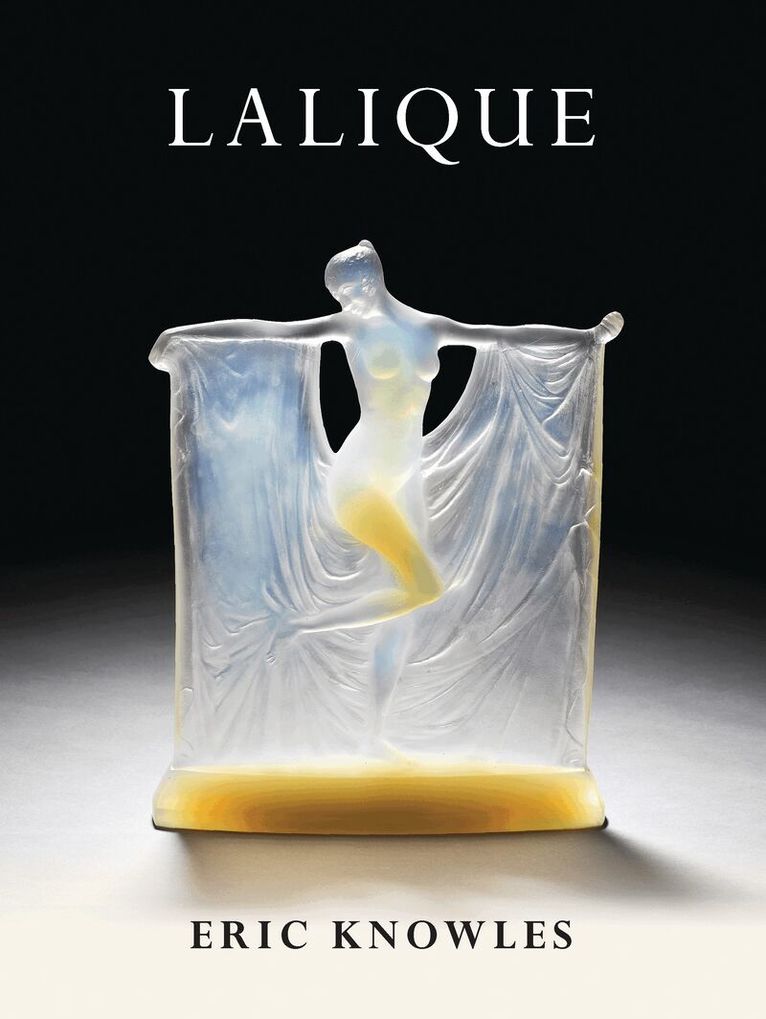
Lalique
Av Eric Knowles
Häftad, 2011
3,0 utav 5 stjärnor. Totalt antal röster: (1)
204 kr
Lägg i varukorg
Rene Lalique was one of the giants of twentieth century decorative arts and a master of the Art Deco idiom.Born in 1860, early artistic talent led to an apprenticeship with Paris goldsmith Louis Aucoc. By 1885 Rene had established his own workshop, and for the next twenty years he designed and made …
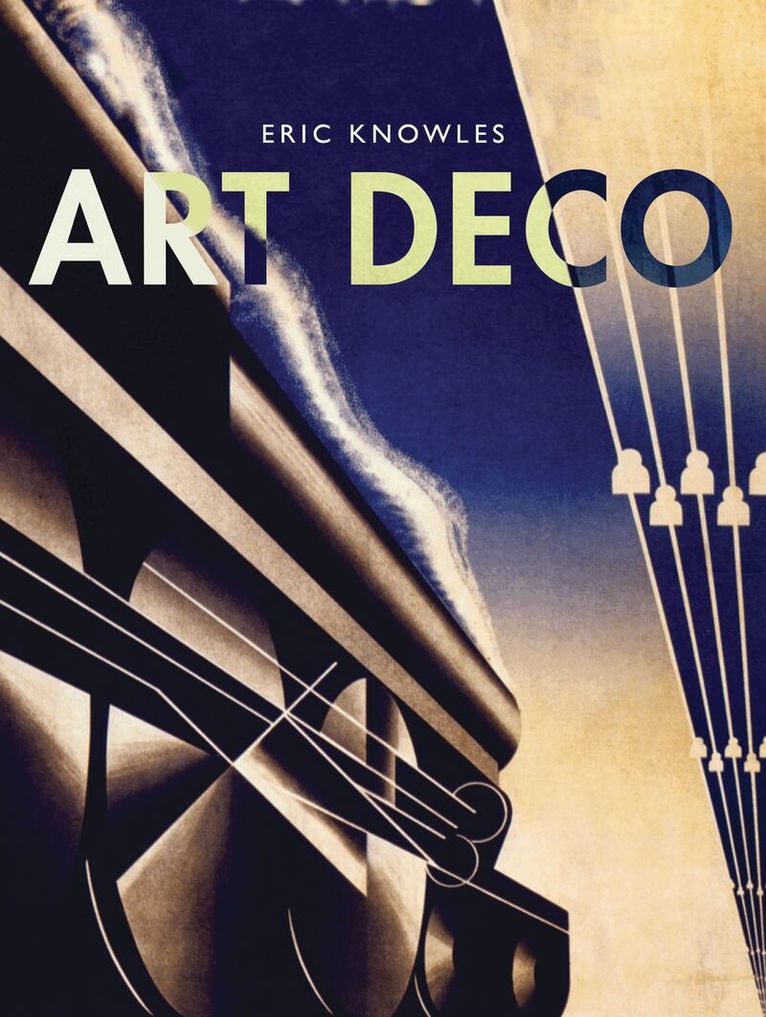
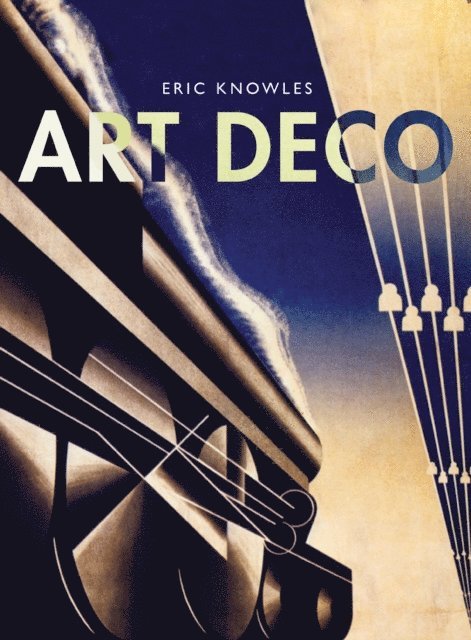
Art Deco
Av Eric Knowles
Häftad, 2014
185 kr
Lägg i varukorg
Although usually associated with the 1920s and ’30s, the Art Deco style had already begun to emerge in France prior to the First World War.However, it was during the interwar years that the style, reaching full maturity, would be embraced across the world as the ultimate expression of modernity, …
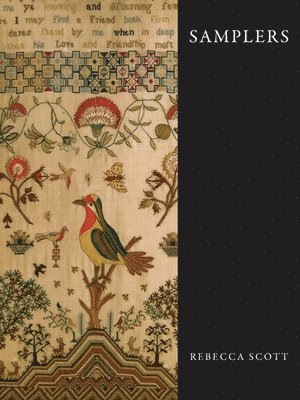
Samplers
Häftad, 2009
4,0 utav 5 stjärnor. Totalt antal röster: (1)
185 kr
Lägg i varukorg
Samplers have a long history in Britain, dating from the sixteenth century. They were originally a collection of patterns gathered together for easy reference to be used in embroidery and needlepoint lace. But they later developed into a schoolgirls' exercise, and today they are more often used to …
British Army Cap Badges of the First World War
Häftad, 2010
183 kr
Lägg i varukorg
For the British army, the cap badge is the most easily identifiable form of insignia.It represents a distillation of the pride of the regiment, its various battle honours and symbols borne proudly on the metallic emblem that was worn on all head dress, even within the trenches. Identification of …
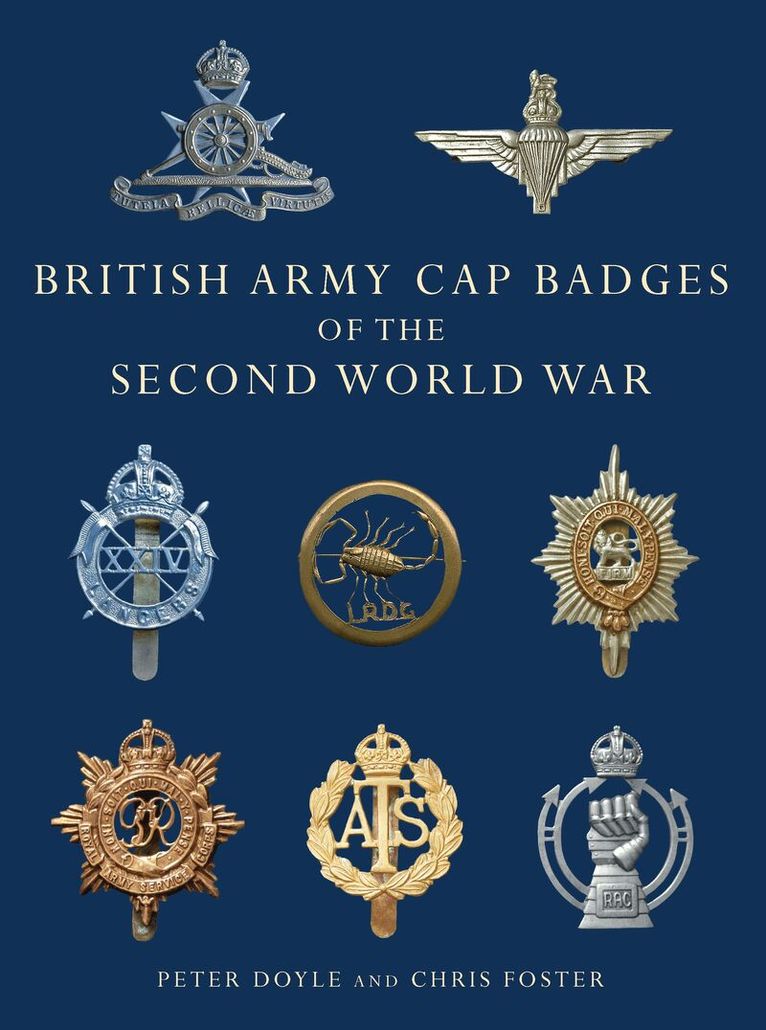
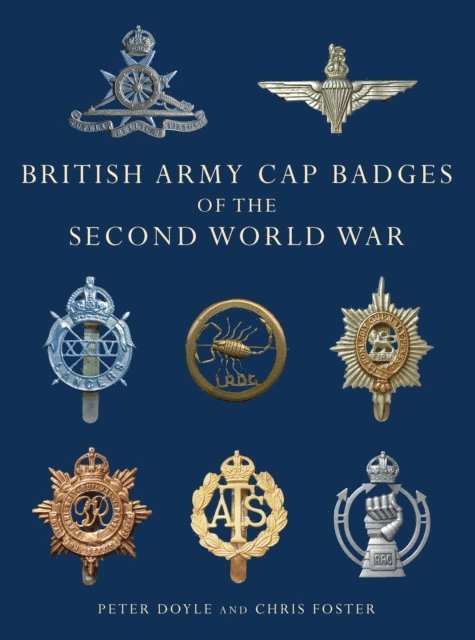
British Army Cap Badges of the Second World War
Häftad, 2012
206 kr
Lägg i varukorg
In their companion volume to British Army Cap Badges of the First World War, authors Peter Doyle and Chris Foster present an overview of the main cap badges worn by the British Army during the Second World War, which continued the rich and varied tradition of British regimental insignia.This book …
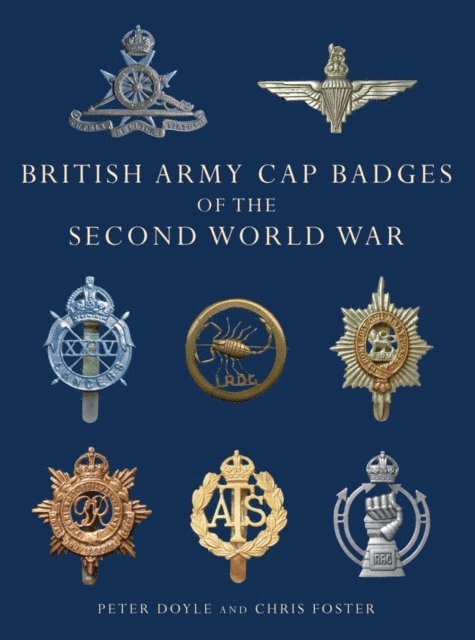
British Army Cap Badges of the Second World War
E-bok, 2012
214 kr
Lägg i varukorg
In their companion volume to British Army Cap Badges of the First World War, authors Peter Doyle and Chris Foster present an overview of the main cap badges worn by the British Army during the Second World War, which continued the rich and varied tradition of British regimental insignia. This book …
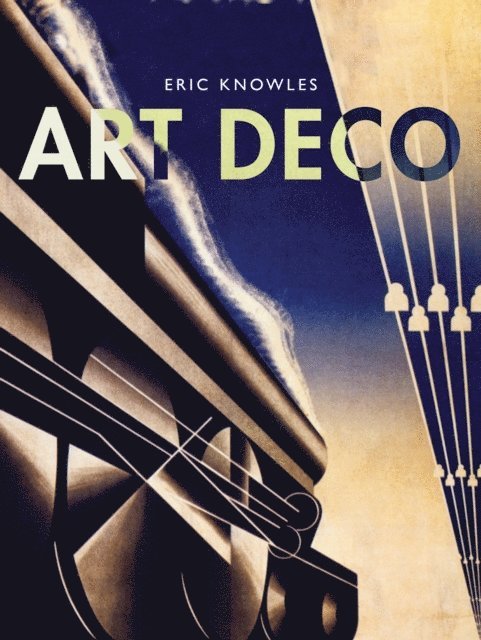
Art Deco
Av Eric Knowles
E-bok, 2014
189 kr
Lägg i varukorg
Although usually associated with the 1920s and the ''30s, in fact the Art Deco style had begun to emerge in France prior to the advent of the First World War. But it was during the interwar years that the style, reaching full maturity, was adopted by the international elite as the perfect …
Art Deco
Av Eric Knowles
E-bok, 2014
189 kr
Lägg i varukorg
Although usually associated with the 1920s and the ''30s, in fact the Art Deco style had begun to emerge in France prior to the advent of the First World War. But it was during the interwar years that the style, reaching full maturity, was adopted by the international elite as the perfect …
British Army Cap Badges of the Second World War
E-bok, 2012
214 kr
Lägg i varukorg
In their companion volume to British Army Cap Badges of the First World War, authors Peter Doyle and Chris Foster present an overview of the main cap badges worn by the British Army during the Second World War, which continued the rich and varied tradition of British regimental insignia. This book …