Social Science Education Consortium Book Series – serie
Visar alla böcker i serien Social Science Education Consortium Book Series. Handla med fri frakt och snabb leverans.
14 produkter
14 produkter
Häftad, Engelska, 2019
601 kr
Skickas inom 5-8 vardagar
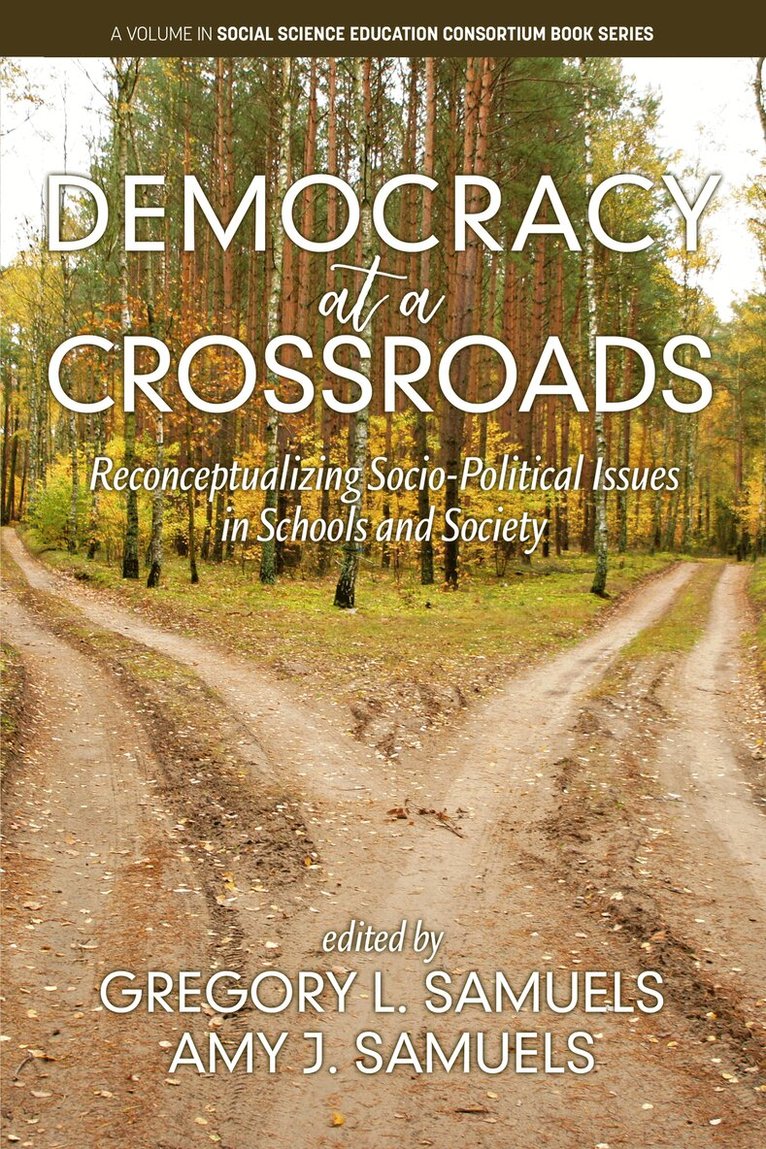
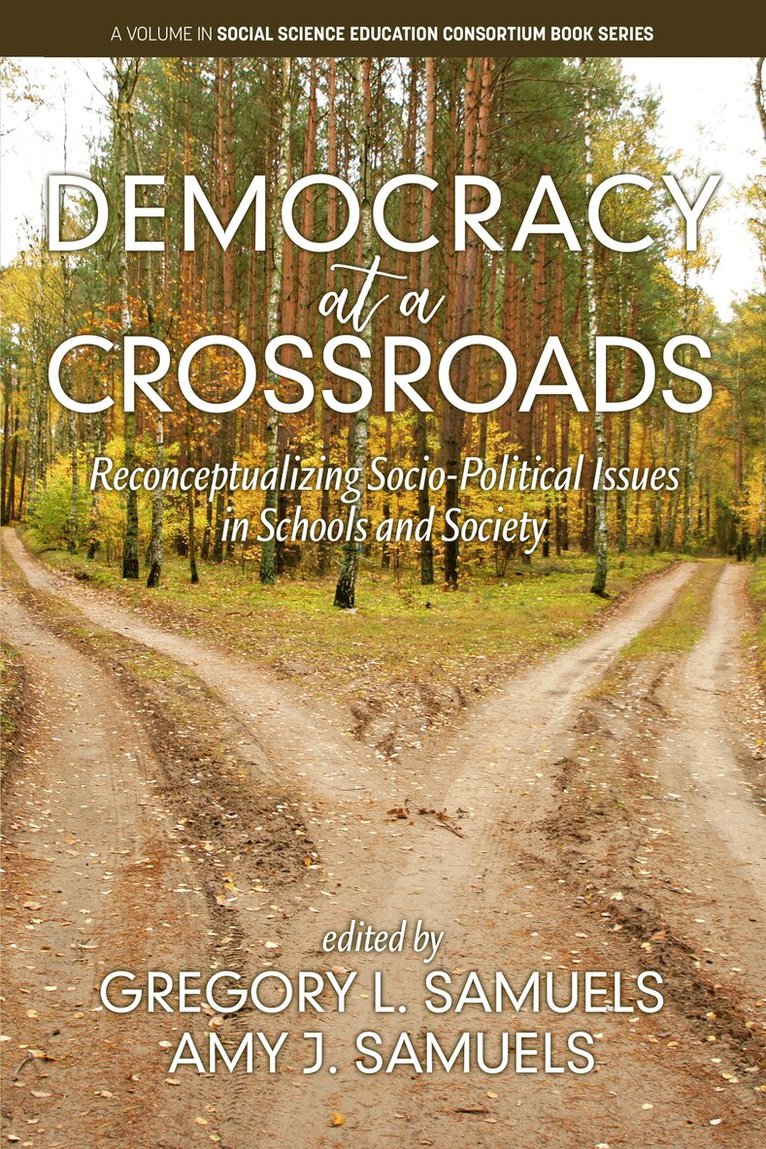
At a time of questionable civility in American politics, democratic education appears to be at a crossroads. As we consider how to best explore democracy and foster a more civically-engaged populace in the current socio-political context, it is critical to examine what frames our educational systems, policies, and practices and shapes our civic identity. While teachers struggle with decreased instructional time for social studies and the demands of standardized tests, the social sciences are often pushed to the margins. Reflecting on how to negotiate local, state, national, and global tensions related to policy and practice, educators work to do what is best to equip students to foster democratic citizenship and ideals.Social sciences educators are uniquely positioned to embrace a journey that upholds democratic ideals of equality, freedom, and justice, while simultaneously critiquing inequity and injustice in schools and our society. The contributors to this volume situate a variety of discussions within the context of the crossroads and explore how to negotiate, translate, and reconceptualize our own beliefs and positionings in ways that positively influence and empower students, teachers, teacher educators, and education policy makers. Studies are presented related to civic education, cross-cultural interpretations, emotional citizenship, international economics, and race-consciousness, as well as those that discuss how to challenge dominant narratives and negotiate educational policies and practices.
Inbunden, Engelska, 2019
1 064 kr
Skickas inom 5-8 vardagar
At a time of questionable civility in American politics, democratic education appears to be at a crossroads. As we consider how to best explore democracy and foster a more civically-engaged populace in the current socio-political context, it is critical to examine what frames our educational systems, policies, and practices and shapes our civic identity. While teachers struggle with decreased instructional time for social studies and the demands of standardized tests, the social sciences are often pushed to the margins. Reflecting on how to negotiate local, state, national, and global tensions related to policy and practice, educators work to do what is best to equip students to foster democratic citizenship and ideals.Social sciences educators are uniquely positioned to embrace a journey that upholds democratic ideals of equality, freedom, and justice, while simultaneously critiquing inequity and injustice in schools and our society. The contributors to this volume situate a variety of discussions within the context of the crossroads and explore how to negotiate, translate, and reconceptualize our own beliefs and positionings in ways that positively influence and empower students, teachers, teacher educators, and education policy makers. Studies are presented related to civic education, cross-cultural interpretations, emotional citizenship, international economics, and race-consciousness, as well as those that discuss how to challenge dominant narratives and negotiate educational policies and practices.
Häftad, Engelska, 2020
619 kr
Skickas inom 5-8 vardagar
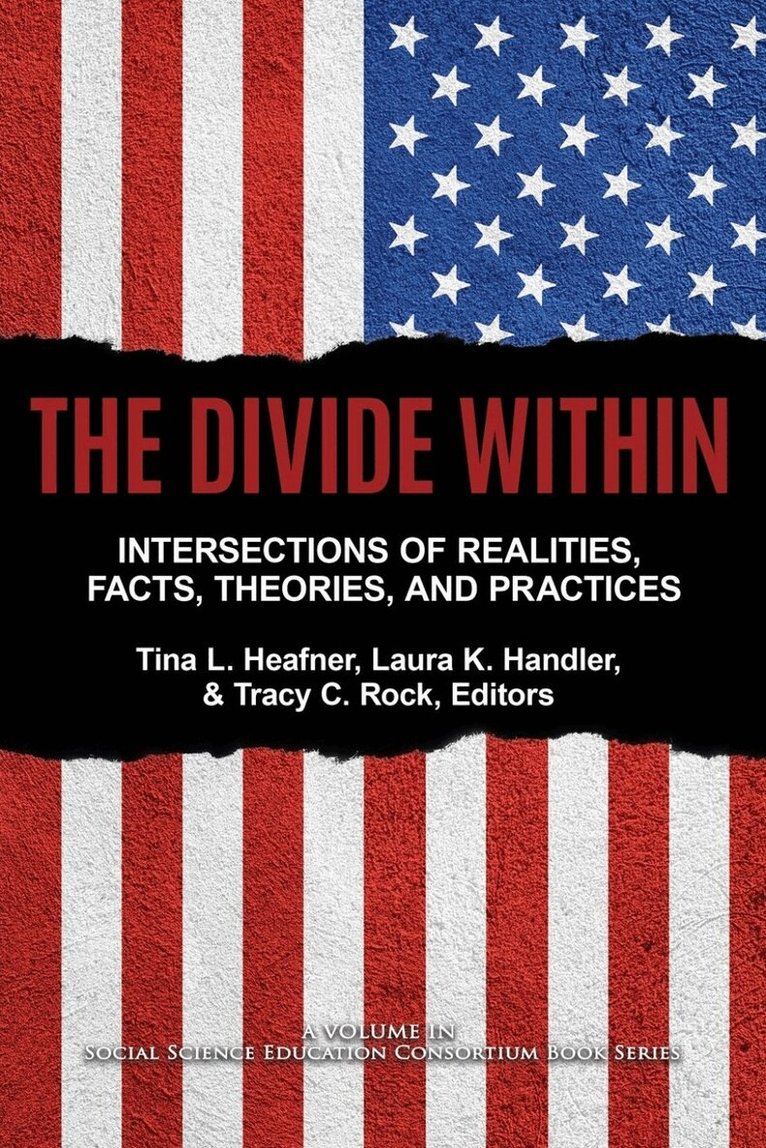
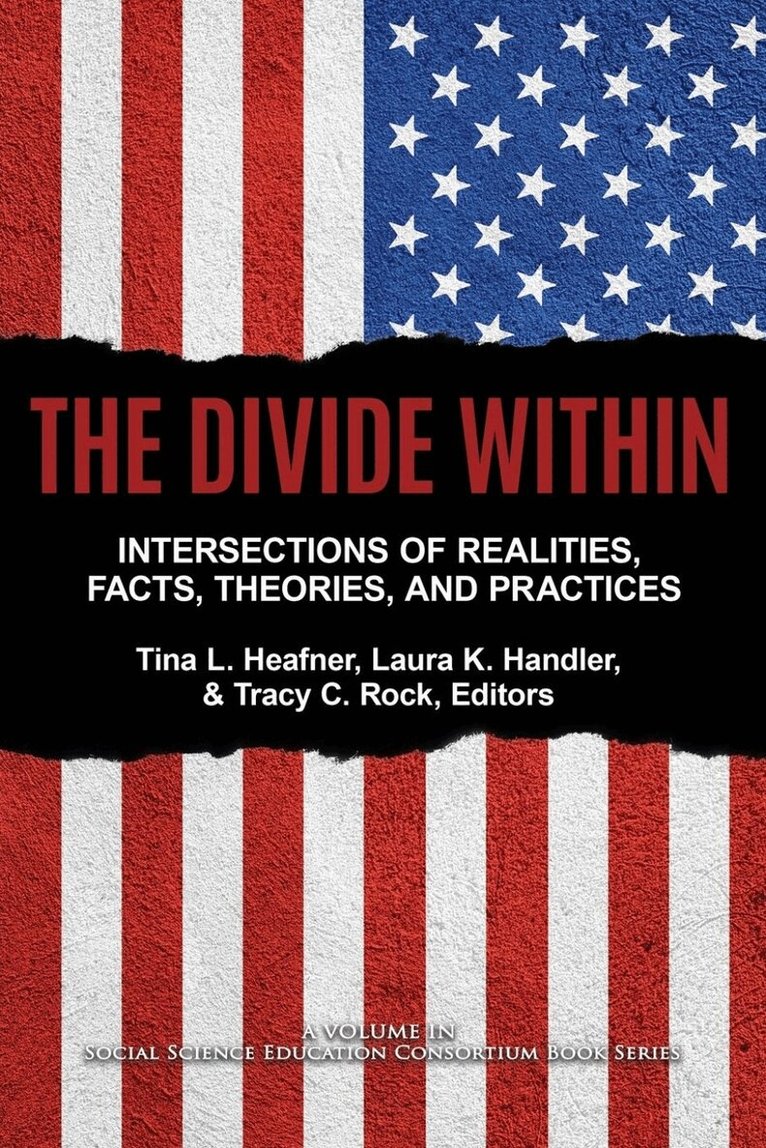
Globalization, modernization, and technologization have brought rapid social and economic change while also increasing diversity of democratic societies. Plurality of democracy, once viewed as a progressive ideology, has been met by the movement of identity politics to the margins of society. Although social movements demanding recognition on the part of groups that were once invisible to mainstream society have brought attention to systemic inequities, prejudice, and discriminatory policies, other groups feeling a loss of status and a sense of displacement have pushed back with counterclaims and protests. These conflicting narratives have fractured society and segmented the populace along narrowly defined identities, creating a new era of democracy and isolationism.Today in the United States we see the troubling effects of increasingly polarized political discourse: amplified gridlock within government, the politicization and fragmentation of economic and social life, and the suppression of the spread of information across ideological lines. The socio-political climate in America is characterized by skepticism, hostility, distrust, claims of fake news, and unwavering opposition. The divide within our nation has shifted the narrative of democracy from promoting the common good to protecting the interests of likeminded factions and the preservation of power and privilege.
Inbunden, Engelska, 2020
1 094 kr
Skickas inom 5-8 vardagar
Globalization, modernization, and technologization have brought rapid social and economic change while also increasing diversity of democratic societies. Plurality of democracy, once viewed as a progressive ideology, has been met by the movement of identity politics to the margins of society. Although social movements demanding recognition on the part of groups that were once invisible to mainstream society have brought attention to systemic inequities, prejudice, and discriminatory policies, other groups feeling a loss of status and a sense of displacement have pushed back with counterclaims and protests. These conflicting narratives have fractured society and segmented the populace along narrowly defined identities, creating a new era of democracy and isolationism.Today in the United States we see the troubling effects of increasingly polarized political discourse: amplified gridlock within government, the politicization and fragmentation of economic and social life, and the suppression of the spread of information across ideological lines. The socio-political climate in America is characterized by skepticism, hostility, distrust, claims of fake news, and unwavering opposition. The divide within our nation has shifted the narrative of democracy from promoting the common good to protecting the interests of likeminded factions and the preservation of power and privilege.
Häftad, Engelska, 2021
601 kr
Skickas inom 5-8 vardagar
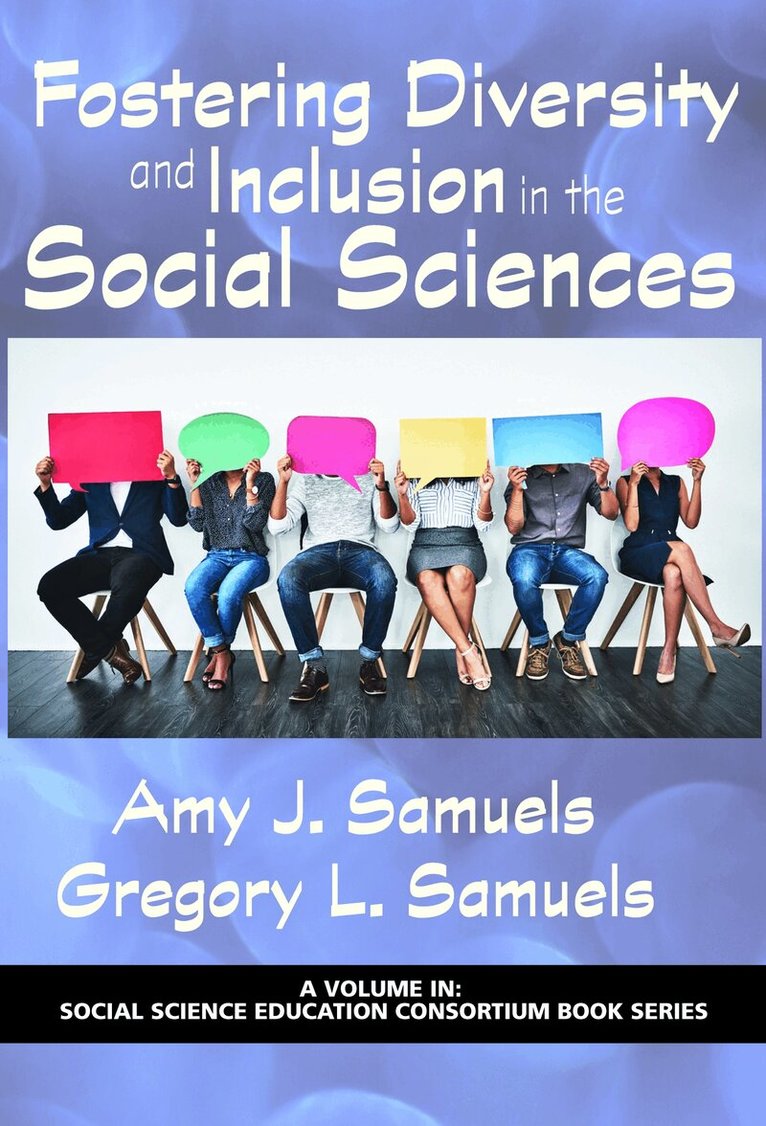
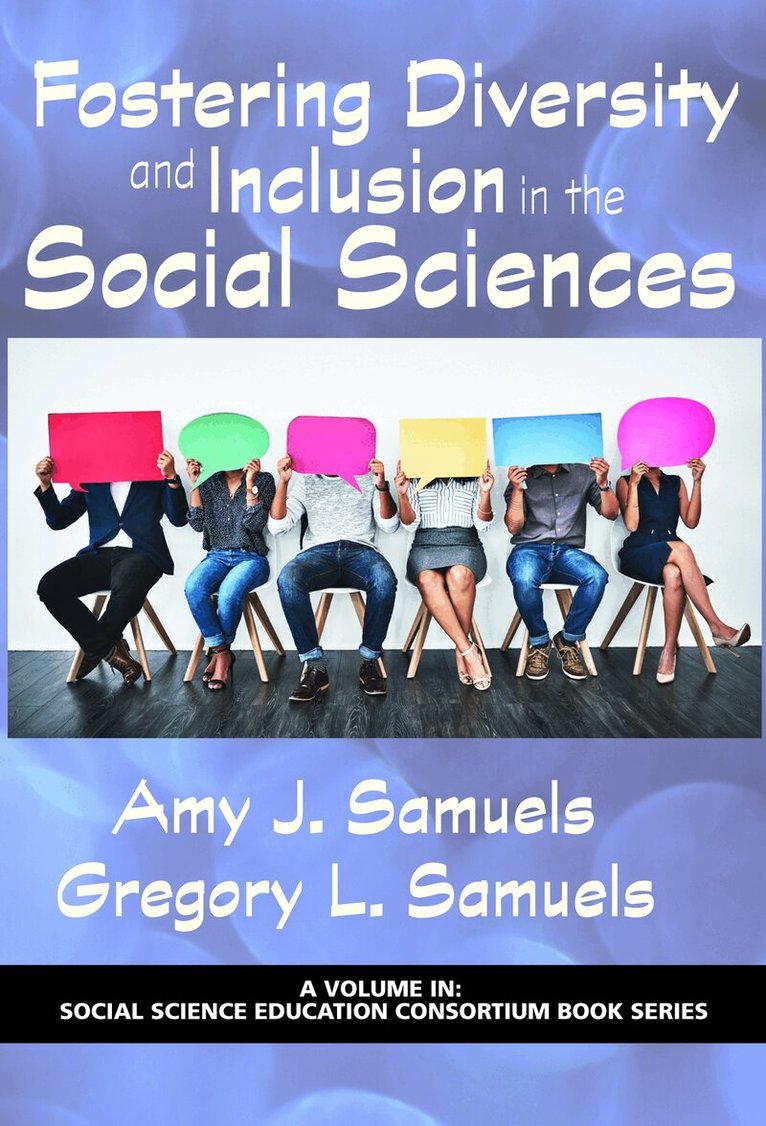
The United States’ social and economic inequities stood in high relief during the COVID-19 pandemic, spotlighting the glaringly disproportionate systemic injustices related to public health and the economic impact on minoritized communities. Realities of structural and institutionalized racism and classism were exposed to greater degrees as we sought to understand and investigate the inequitable impact regarding health and income disparities for African American, Latinx, and Native American communities, as well as racial violence explicitly targeting Asian American communities. Further exacerbating the polarized sociopolitical landscape amidst the pandemic, the murder of George Floyd in May 2020, witnessed by countless people around the world, resulted in anguish and drew heightened attention to the insidious racial injustice and ongoing racial violence that continues to plague the nation. As many advocates took to the streets in an attempt to have their voices heard in the continued struggle for racial equality, the federal government tried to further silence those who have been historically placed on the margins, including the attack of critical race theory, antiracism work in education, and training for diversity and inclusion. Consequently, it is imperative social science educators are equipped with the knowledge, tools, and dispositions to facilitate learning that explores the implications of power, privilege, and oppression and ask important questions to ensure voices that have been muffled, or silenced altogether, are strategically unsilenced, voiced, and valued.Given the perpetuation of inequities, existing educational disparities, and the continued need for reconciliation, this volume explores how the social sciences can be examined and reimagined to combat injustices and support further diversity, equity, and inclusion. Authors explore how educators can (a) understand how knowledge is constructed, shaped, and influences how students see the world, (b) problematize current curricular approaches and reframe instructional practices, (c) employ a critical lens to attend to and proactively address existing challenges and inequities related to race, (d) infuse their teaching with greater attention to diversity and inclusion for all students; and (e) promote increased awareness, advocacy, and educational justice. Through the examination of research, theory, and practitioner-oriented strategies, the authors encourage reflection, inspire calls for action, and explore how to teach about, proactively challenge, and encourage continued examination of society to support progress through increased critical consciousness, cultural competence, and critical multiculturalism.
Inbunden, Engelska, 2021
1 064 kr
Skickas inom 5-8 vardagar
The United States’ social and economic inequities stood in high relief during the COVID-19 pandemic, spotlighting the glaringly disproportionate systemic injustices related to public health and the economic impact on minoritized communities. Realities of structural and institutionalized racism and classism were exposed to greater degrees as we sought to understand and investigate the inequitable impact regarding health and income disparities for African American, Latinx, and Native American communities, as well as racial violence explicitly targeting Asian American communities. Further exacerbating the polarized sociopolitical landscape amidst the pandemic, the murder of George Floyd in May 2020, witnessed by countless people around the world, resulted in anguish and drew heightened attention to the insidious racial injustice and ongoing racial violence that continues to plague the nation. As many advocates took to the streets in an attempt to have their voices heard in the continued struggle for racial equality, the federal government tried to further silence those who have been historically placed on the margins, including the attack of critical race theory, antiracism work in education, and training for diversity and inclusion. Consequently, it is imperative social science educators are equipped with the knowledge, tools, and dispositions to facilitate learning that explores the implications of power, privilege, and oppression and ask important questions to ensure voices that have been muffled, or silenced altogether, are strategically unsilenced, voiced, and valued.Given the perpetuation of inequities, existing educational disparities, and the continued need for reconciliation, this volume explores how the social sciences can be examined and reimagined to combat injustices and support further diversity, equity, and inclusion. Authors explore how educators can (a) understand how knowledge is constructed, shaped, and influences how students see the world, (b) problematize current curricular approaches and reframe instructional practices, (c) employ a critical lens to attend to and proactively address existing challenges and inequities related to race, (d) infuse their teaching with greater attention to diversity and inclusion for all students; and (e) promote increased awareness, advocacy, and educational justice. Through the examination of research, theory, and practitioner-oriented strategies, the authors encourage reflection, inspire calls for action, and explore how to teach about, proactively challenge, and encourage continued examination of society to support progress through increased critical consciousness, cultural competence, and critical multiculturalism.
Inbunden, Engelska, 2026
1 301 kr
Skickas inom 5-8 vardagar
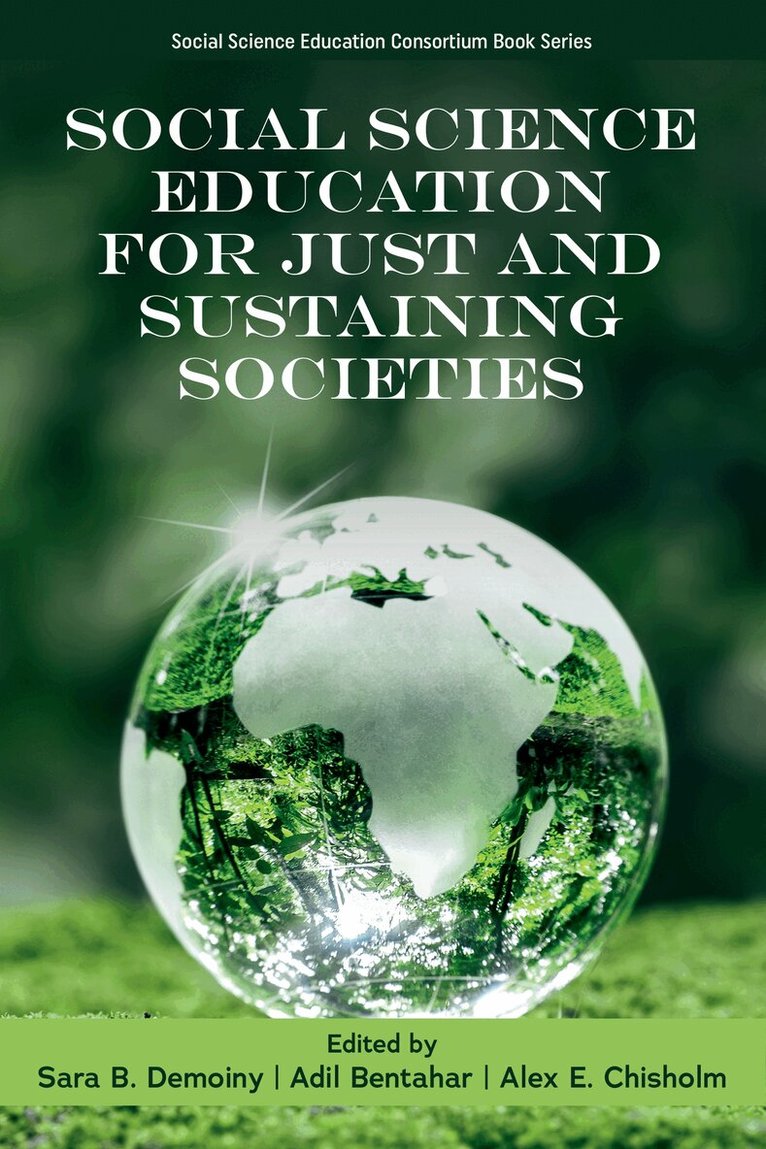
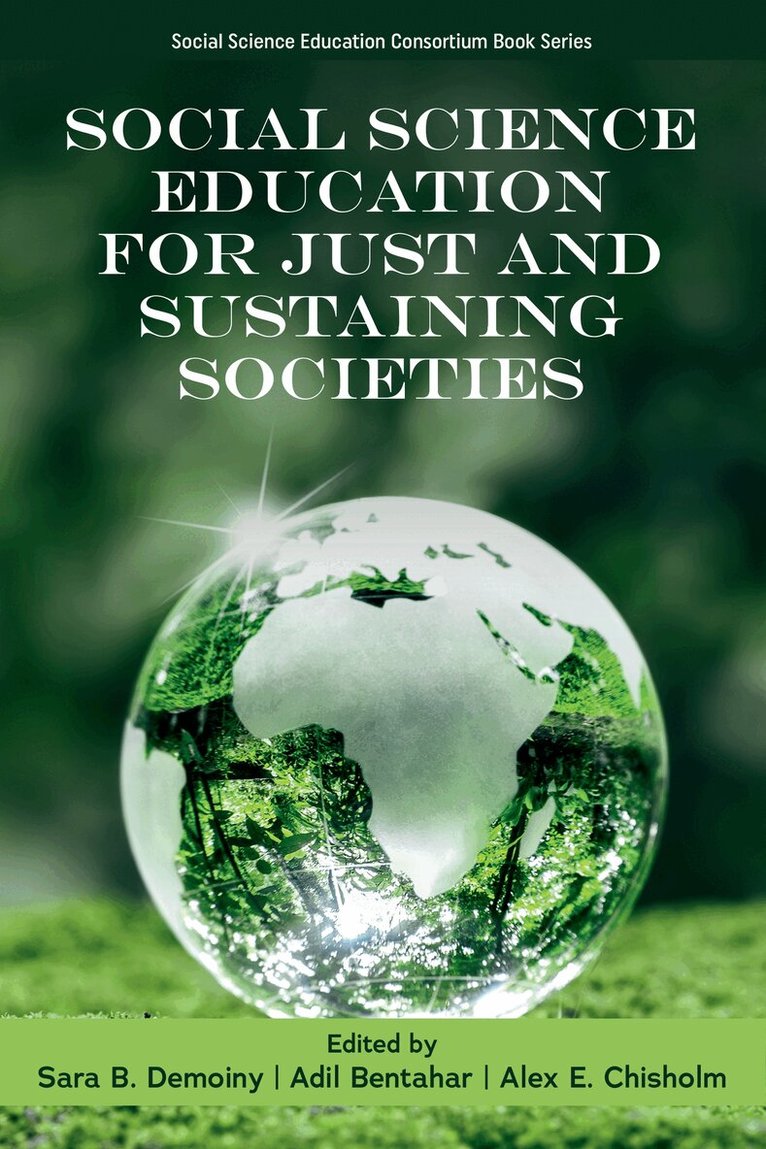
People around the world face grave crises of wars, climate change, genocides, rising sea levels, human rights violations, and inequitable distribution of natural resources. These problems are transcontinental, interconnected, and create immense human suffering, which require collective efforts toward just and sustainable global solutions. The United Nations resolved to address these concerns in adopting the Sustainable Development Goals in 2015. These goals form a “plan of action for people, planet, and prosperity,” which “seeks to strengthen universal peace in greater freedom” (United Nations, 2015, para. 1). The social sciences are uniquely positioned to address the Sustainable Development Goals (SDGs) by offering content and tools to pursue just and sustainable societies. The knowledge, skills, and values of social science education can empower global citizens to seek truth, to deliberate on the current problems, and to shape a just and equitable future for people and for our planet. In this volume, authors from around the world a) propose critical philosophical questions, b) describe current education problems, and c) explore educational possibilities for a just and sustainable world.
Häftad, Engelska, 2026
495 kr
Skickas inom 5-8 vardagar
People around the world face grave crises of wars, climate change, genocides, rising sea levels, human rights violations, and inequitable distribution of natural resources. These problems are transcontinental, interconnected, and create immense human suffering, which require collective efforts toward just and sustainable global solutions. The United Nations resolved to address these concerns in adopting the Sustainable Development Goals in 2015. These goals form a “plan of action for people, planet, and prosperity,” which “seeks to strengthen universal peace in greater freedom” (United Nations, 2015, para. 1). The social sciences are uniquely positioned to address the Sustainable Development Goals (SDGs) by offering content and tools to pursue just and sustainable societies. The knowledge, skills, and values of social science education can empower global citizens to seek truth, to deliberate on the current problems, and to shape a just and equitable future for people and for our planet. In this volume, authors from around the world a) propose critical philosophical questions, b) describe current education problems, and c) explore educational possibilities for a just and sustainable world.
Häftad, Engelska, 2022
601 kr
Skickas inom 5-8 vardagar
It is not difficult to argue that the social sciences are in a period of transition. Our day-to-day lives have been marked by uncertainty as our social lives have vacillated wildly between highs and lows, tensions between fellow citizens have heightened along ideological fault lines, and educators have been placed squarely at the center of public discourses about what—and how—we should be teaching. By any measure, we are living in a time where every moment seems to be rife with high stakes realities that must be navigated.Ladson-Billings (2020) called on educators to reimagine education and contest the notion of a “return to normal.” In the current highly polarized context where we see multiple competing narratives, rather than promoting a “return to normal” or “business as usual” approach, we argue that educators must use the lessons of the last two years, as well as draw on what we have learned from history and the social sciences. By asking ourselves how we might interrogate and inform current social landscapes and the challenges that arise from them, we have the opportunity to take leadership in fostering innovation, building solidarity, and re-imagining the teaching and learning of history and the social sciences.We recognize that humans live in multiple complex communities that include intersectional identities; relationships with power, agency, and discourses; and lived realities that are as unique as they are divergent. Consequently, the task of educators, and the goal of this volume, is to provide a clarion voice to a dynamic, relational, and undeniably human social world.
Inbunden, Engelska, 2022
1 064 kr
Skickas inom 5-8 vardagar
It is not difficult to argue that the social sciences are in a period of transition. Our day-to-day lives have been marked by uncertainty as our social lives have vacillated wildly between highs and lows, tensions between fellow citizens have heightened along ideological fault lines, and educators have been placed squarely at the center of public discourses about what—and how—we should be teaching. By any measure, we are living in a time where every moment seems to be rife with high stakes realities that must be navigated.Ladson-Billings (2020) called on educators to reimagine education and contest the notion of a “return to normal.” In the current highly polarized context where we see multiple competing narratives, rather than promoting a “return to normal” or “business as usual” approach, we argue that educators must use the lessons of the last two years, as well as draw on what we have learned from history and the social sciences. By asking ourselves how we might interrogate and inform current social landscapes and the challenges that arise from them, we have the opportunity to take leadership in fostering innovation, building solidarity, and re-imagining the teaching and learning of history and the social sciences.We recognize that humans live in multiple complex communities that include intersectional identities; relationships with power, agency, and discourses; and lived realities that are as unique as they are divergent. Consequently, the task of educators, and the goal of this volume, is to provide a clarion voice to a dynamic, relational, and undeniably human social world.
Häftad, Engelska, 2024
601 kr
Skickas inom 5-8 vardagar
Every social studies curriculum tells a story. It is increasingly apparent that new stories are needed to guide us through the multiple and intersecting crises that have come to define our times. This accessible volume supports student teachers, teachers, and teacher educators to engage critically with the stories that social studies curricula tell and neglect to tell, particularly those that relate and contribute to the root causes of contemporary social and ecological injustices.A balanced and inclusive curriculum necessitates a broad range of stories and perspectives, not just the master narratives of dominant groups. Incorporating a range of pedagogical approaches and spanning a diversity of themes, from representations of Africa in Chinese textbooks, to slavery and the American civil rights movement, to refugees and the role of indigenous knowledge systems in addressing climate breakdown, this volume includes and creatively engages with previously marginalized and silenced stories and perspectives. Both practical and theoretical in its approach, it seeks to provoke, meaningfully support, and inspire educators to incorporate alternative stories or counter-narratives into their social studies teaching.This unique volume is essential reading for student teachers, teachers, teacher educators as well as anyone interested in inspiring children and young people to be open-minded, critically engaged, and empathetic agents of change, committed to addressing realworld social and ecological injustices.
Inbunden, Engelska, 2024
1 064 kr
Skickas inom 5-8 vardagar
Every social studies curriculum tells a story. It is increasingly apparent that new stories are needed to guide us through the multiple and intersecting crises that have come to define our times. This accessible volume supports student teachers, teachers, and teacher educators to engage critically with the stories that social studies curricula tell and neglect to tell, particularly those that relate and contribute to the root causes of contemporary social and ecological injustices.A balanced and inclusive curriculum necessitates a broad range of stories and perspectives, not just the master narratives of dominant groups. Incorporating a range of pedagogical approaches and spanning a diversity of themes, from representations of Africa in Chinese textbooks, to slavery and the American civil rights movement, to refugees and the role of indigenous knowledge systems in addressing climate breakdown, this volume includes and creatively engages with previously marginalized and silenced stories and perspectives. Both practical and theoretical in its approach, it seeks to provoke, meaningfully support, and inspire educators to incorporate alternative stories or counter-narratives into their social studies teaching.This unique volume is essential reading for student teachers, teachers, teacher educators as well as anyone interested in inspiring children and young people to be open-minded, critically engaged, and empathetic agents of change, committed to addressing realworld social and ecological injustices.
Häftad, Engelska, 2024
535 kr
Skickas inom 5-8 vardagar
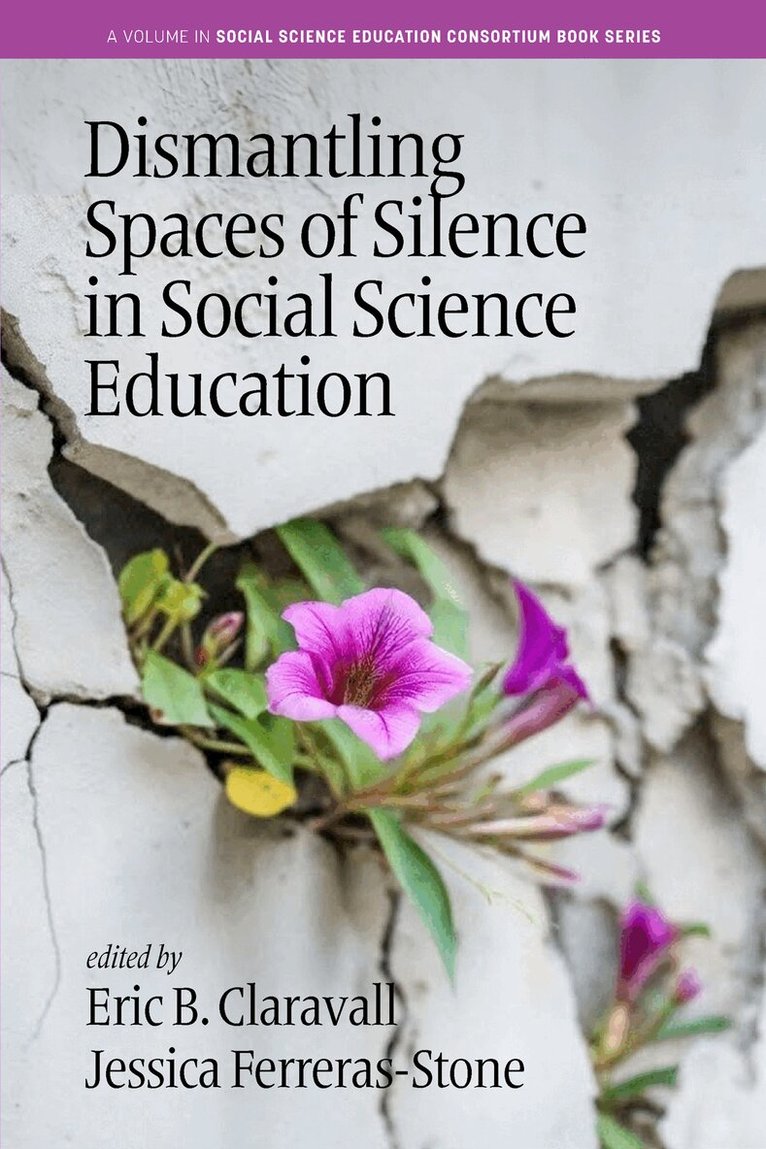
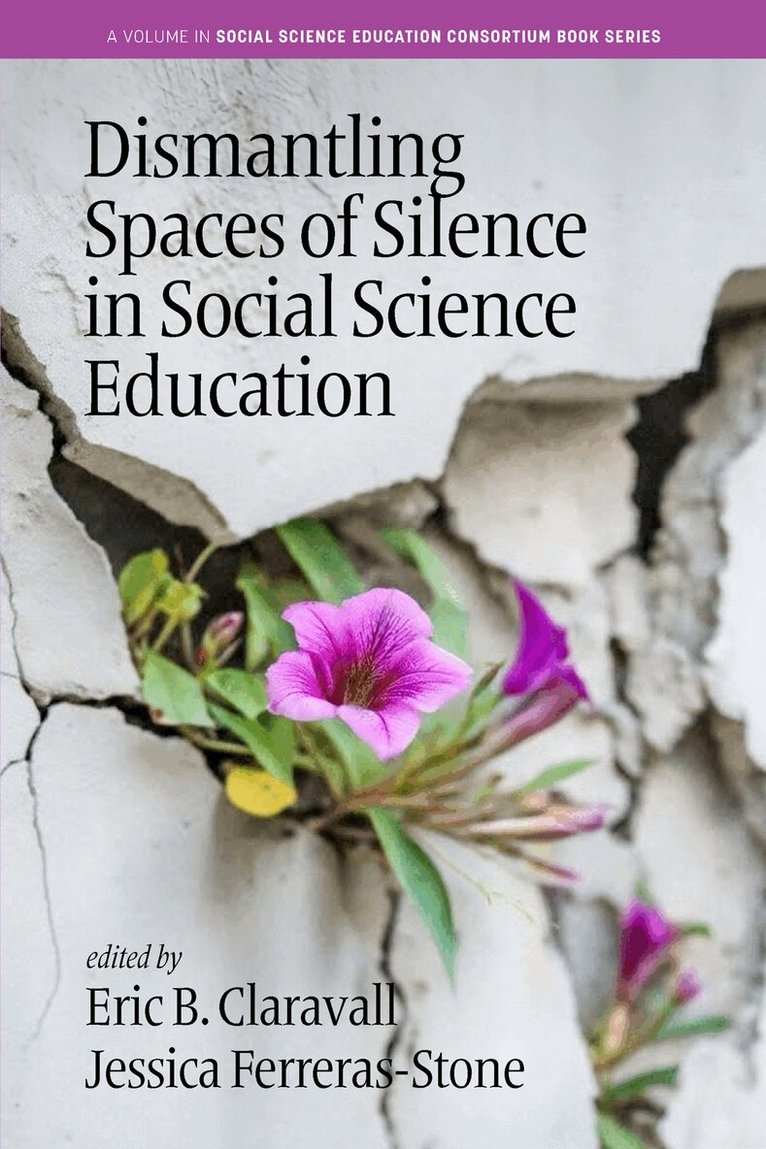
Throughout history, silences have been an inherent process of historical production - privileged narratives masquerade as definitive history, and those deemed less worthy are mute (Trouillot, 1995). Because of this, our understanding of many events in the past is incomplete; and the way we frame our contemporary societies based on these events is, implicitly or explicitly, silenced by inherently racist structures. The editors of this volume define spaces of silence beyond the temporality and physicality of historical events. Spaces of silence exist within minds, emotions, systems, and places. For instance, we recognize ways in which settler colonialism historically and presently silences Indigenous sovereignty and rights to place.How do we, then, dismantle these spaces in a multi-racial society and globalized world? Dismantling these spaces of silence situates hopes and possibilities of decolonizing our ways of thinking, ways of acting, and ways of being. This volume seeks work that calls out the various spaces of silence and ways to dismantle these spaces.
Inbunden, Engelska, 2024
998 kr
Skickas inom 5-8 vardagar
Throughout history, silences have been an inherent process of historical production - privileged narratives masquerade as definitive history, and those deemed less worthy are mute (Trouillot, 1995). Because of this, our understanding of many events in the past is incomplete; and the way we frame our contemporary societies based on these events is, implicitly or explicitly, silenced by inherently racist structures. The editors of this volume define spaces of silence beyond the temporality and physicality of historical events. Spaces of silence exist within minds, emotions, systems, and places. For instance, we recognize ways in which settler colonialism historically and presently silences Indigenous sovereignty and rights to place.How do we, then, dismantle these spaces in a multi-racial society and globalized world? Dismantling these spaces of silence situates hopes and possibilities of decolonizing our ways of thinking, ways of acting, and ways of being. This volume seeks work that calls out the various spaces of silence and ways to dismantle these spaces.