Society & Church - Böcker
Visar alla böcker i serien Society & Church. Handla med fri frakt och snabb leverans.
2 produkter
2 produkter
311 kr
Skickas inom 5-8 vardagar
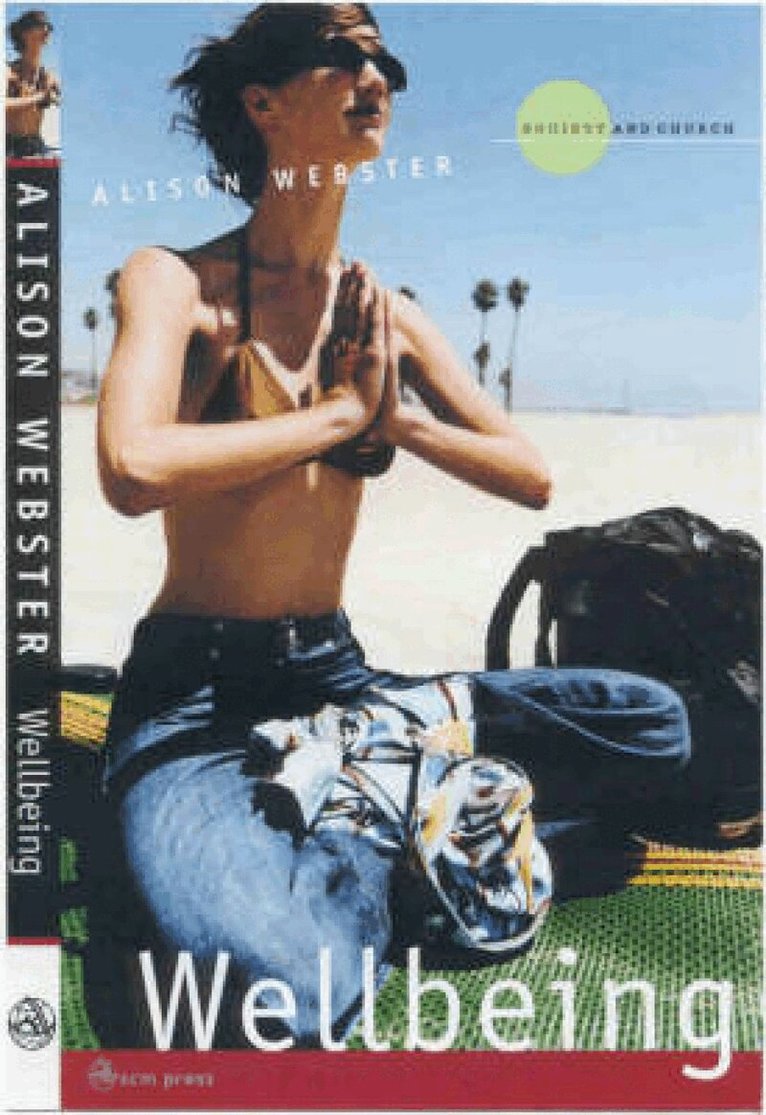
This is the first book in the new SCM "Society and Church" series, which attempts to make sense of the Church and Christianity in a secular society and context, and explore what the former can legitimately contribute to the latter. "Wellbeing" is an absolutely central concept in our secular lives, is used with increasing frequency in all sorts of contexts - eg. the Boots website is "www.wellbeing.com" - and it is therefore crucial that we understand how it relates to life, meaning and personal identity in the 21st century. Through a combination of story, personal reflection and philosophical analysis, Alison Webster attempts to get "under the skin" of wellbeing, and show how the concept is evolving in contemporary culture. She shows how the agenda generated by wellbeing is like that which traditionally has been generated by religion and spirituality: which is why "meeting spiritual needs" is such big business in health and social care. Webster argues that the Christian tradition still has much to offer in transforming our society into one in which sickness, disability and death are put into their rightful place - and in which overly-commodified and individualistic notions of sickness and disability are overcome.
311 kr
Skickas inom 5-8 vardagar
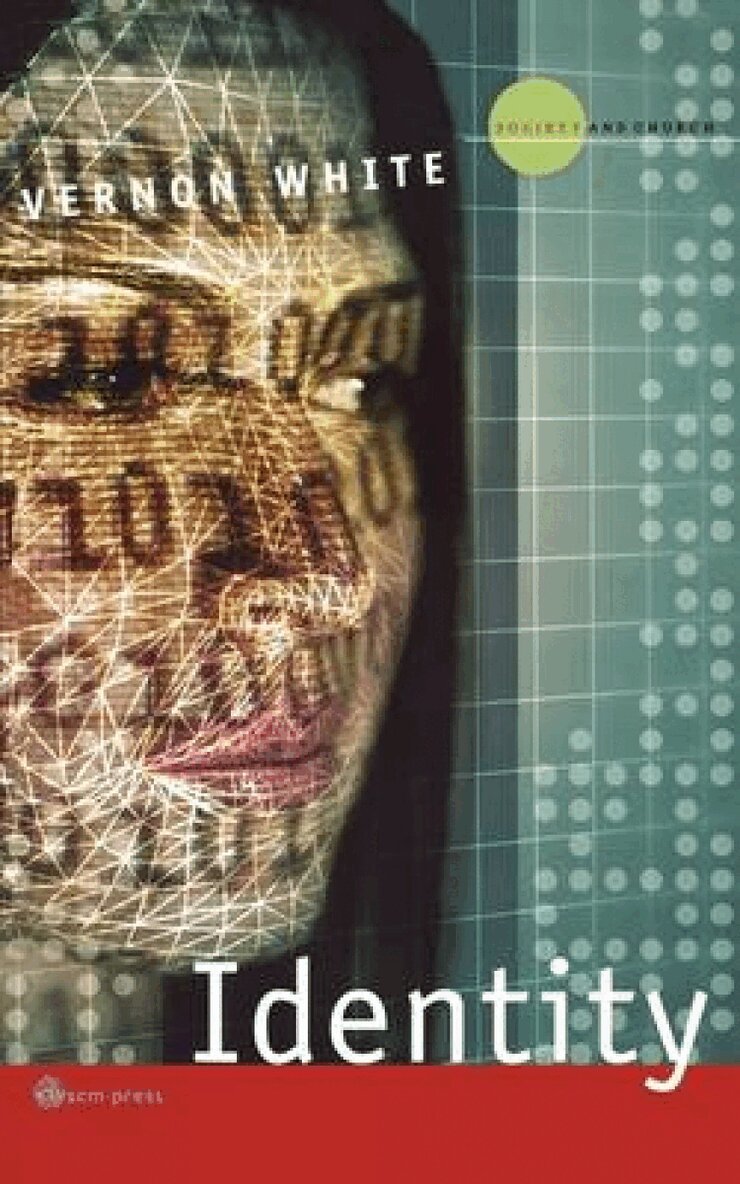
This is the second book in the new SCM "Society and Church" series, which attempts to make sense of the Church and Christianity in a secular society and context, and explore what the former can legitimately contribute to the latter. How do we make sense of who and what we are in this secular, 21st century context of incredible - and often disorienting - change in so many areas of life? That is the central question which this book sets out to answer. At present, in our society, there are major, rapid and interconnected changes in information technology, globalization, work and employment practices, consumerism, and family, all of which have a pressing bearing on our sense of self. How may we best live through this process of change, and does Christian faith propose a mode of living which can be beneficial to personal identity? In answering these two questions, the latter affirmatively, the author develops a theology of faithfulness, which he thinks, like theology itself, has been unjustly neglected in providing answers. White enables theology to speak to a central issue of contemporary life with considerable power and persuasiveness.