Studies of the Greater Philadelphia Philosophy Consortium – serie
Visar alla böcker i serien Studies of the Greater Philadelphia Philosophy Consortium. Handla med fri frakt och snabb leverans.
7 produkter
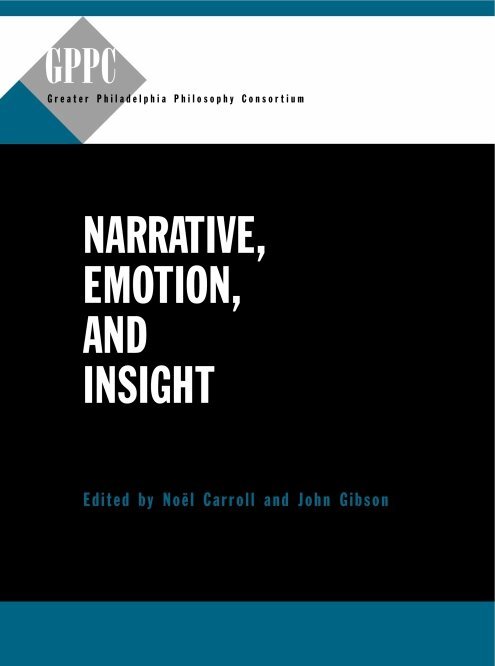
Narrative, Emotion, and Insight
Häftad, 2011
474 kr
Lägg i varukorg
While narrative has been one of the liveliest and most productive areas of research in literary theory, discussions of the nature of emotional responses to art and of the cognitive value of art tend to concentrate almost exclusively on the problem of fiction: How can we emote over or learn from …
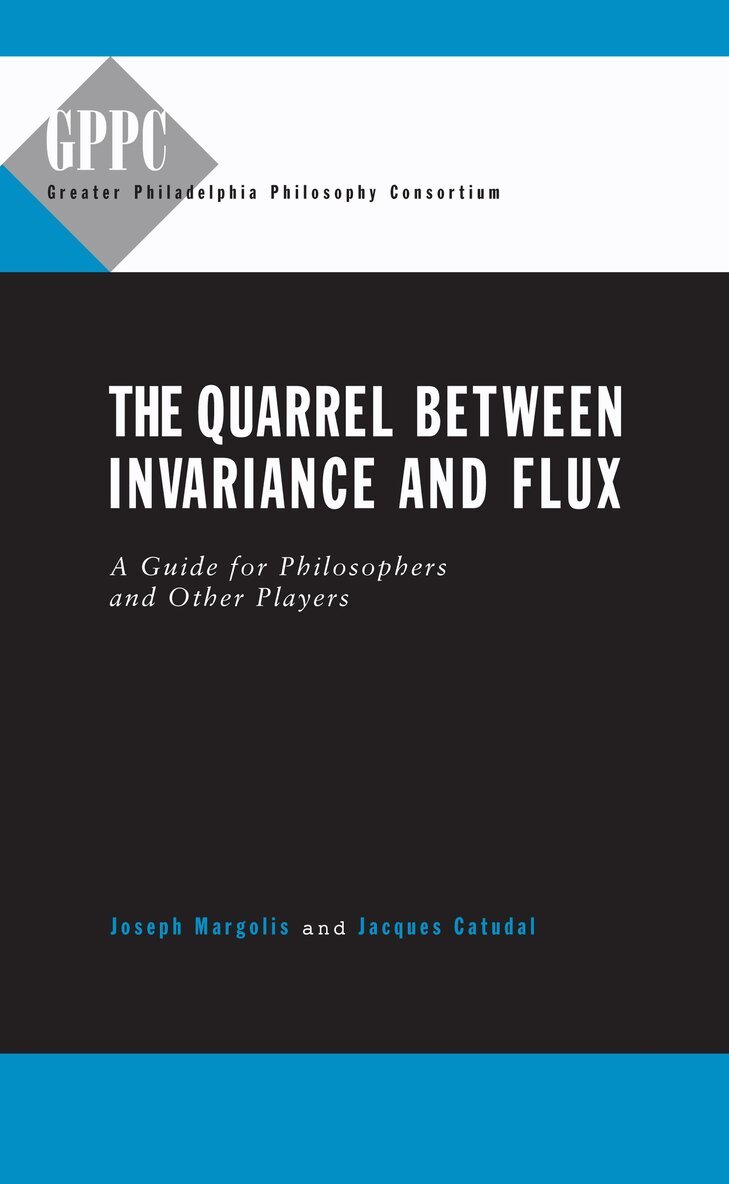
Quarrel Between Invariance and Flux
A Guide for Philosophers and Other Players
Av Joseph Margolis, Jacques N. Catudal
Häftad, 2002
435 kr
Lägg i varukorg
Rather than just offer background readings or a survey of views on a subject, as traditional anthologies do, this volume tries to engage the reader’s active participation in understanding how philosophy came to be split between analytic and continental approaches and in finding ways to reconcile …
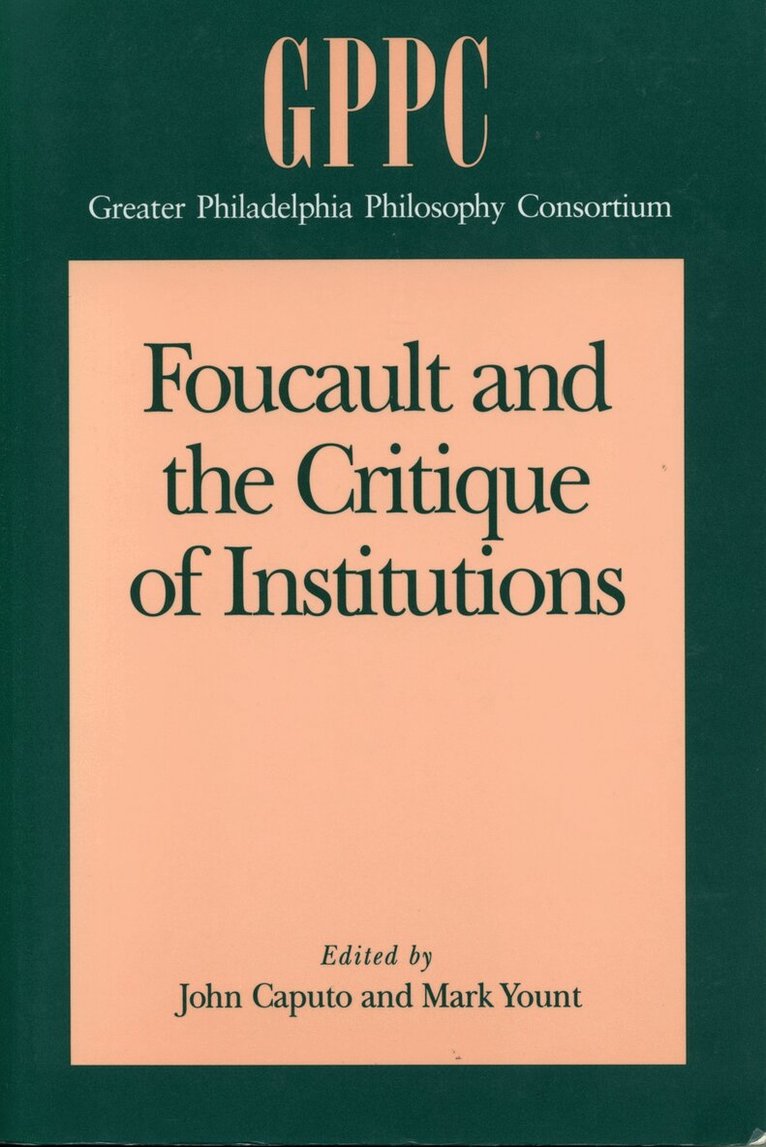
Foucault and the Critique of Institutions
Häftad, 1993
474 kr
Lägg i varukorg
The issue of the institution is not addressed systematically anywhere in the literature on Foucault, although it is everywhere to be found in Foucault's writings. Foucault and the Critique of Institutions not only interprets the work of Foucault but also applies it to the question of the …
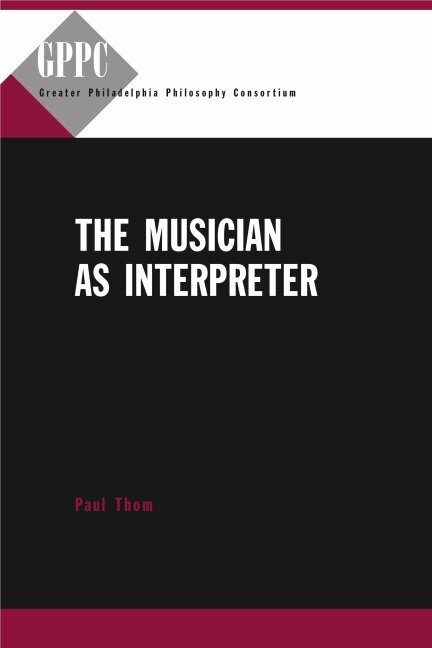
Musician as Interpreter
Av Paul Thom
Häftad, 2009
321 kr
Lägg i varukorg
Among the many practices in which musicians engage are several that may be viewed as modes of interpretation, a kind of interpretation that Paul Thom calls “performative” to contrast it with another kind he calls “critical.” The difference is that the latter discusses a musical work; the former …
Quarrel Between Invariance and Flux
A Guide for Philosophers and Other Players
Av Joseph Margolis, Jacques N. Catudal
Inbunden, 2001
1090 kr
Tillfälligt slut
Rather than just offer background readings or a survey of views on a subject, as traditional anthologies do, this volume tries to engage the reader’s active participation in understanding how philosophy came to be split between analytic and continental approaches and in finding ways to reconcile …
Is There a Single Right Interpretation?
Häftad, 2002
645 kr
Tillfälligt slut
Is there a single right interpretation for such cultural phenomena as works of literature, visual artworks, works of music, the self, and legal and sacred texts? In these essays, almost all written especially for this volume, twenty leading philosophers pursue different answers to this question by …
Narrative, Emotion, and Insight
Inbunden, 2011
839 kr
Tillfälligt slut
While narrative has been one of the liveliest and most productive areas of research in literary theory, discussions of the nature of emotional responses to art and of the cognitive value of art tend to concentrate almost exclusively on the problem of fiction: How can we emote over or learn from …