Sustainable Futures - Böcker
Visar alla böcker i serien . Handla med fri frakt och snabb leverans.
4 produkter
4 produkter
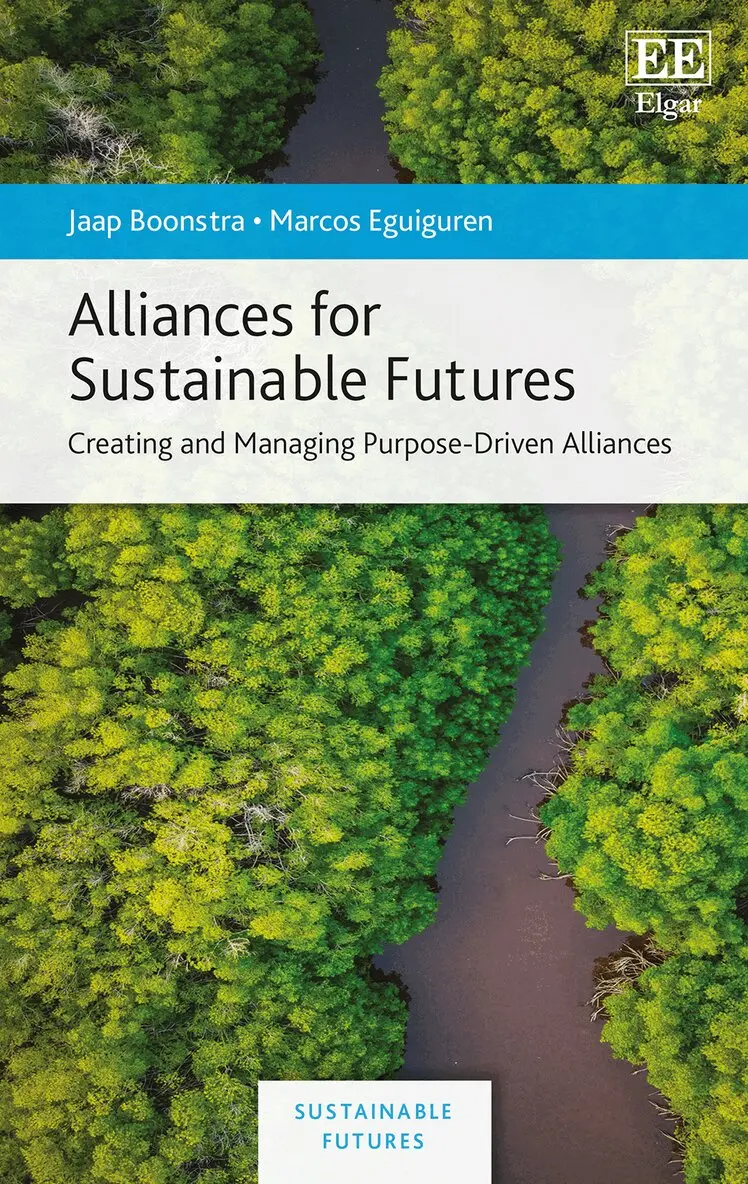
Alliances for Sustainable Futures
Creating and Managing Purpose-Driven Alliances
Inbunden, Engelska, 2023
1 435 kr
Skickas inom 7-10 vardagar
Providing an in-depth exploration of the formation, building, development, and evolutionary phases of sustainable alliances, this book presents a new perspective on organizational change that goes beyond modern institutions and offers practical insights on how to cope with paradoxes in the life cycle of alliances. Combining theoretical ideas, practical concepts, and critical reflections on the topic, this insightful and timely book supports the conception and progression of purpose-driven alliances which contribute to a more positive and sustainable world. The authors present a historical overview of alliances, as well as discussing the factors pertaining to the successes and failures of collaborating organizations. The book further outlines the life cycle of sustainable alliances, using the Global Alliance in Management Education (CEMS) and the Global Alliance for Banking on Values (GABV) as contemporary case studies. Analysing the strength and scope of alliances, it explores opportunities for these partnerships to contribute to a sustainable future. Offering inspiration and guidance for those looking to contribute to profound economic and social change, this book will be an invaluable resource for students and scholars of business management, international business, and sustainable development, as well as the new generation of business people. It will also be beneficial for consultants, leaders, and managers who are dedicated to the creation and development of global alliances.
461 kr
Skickas inom 7-10 vardagar
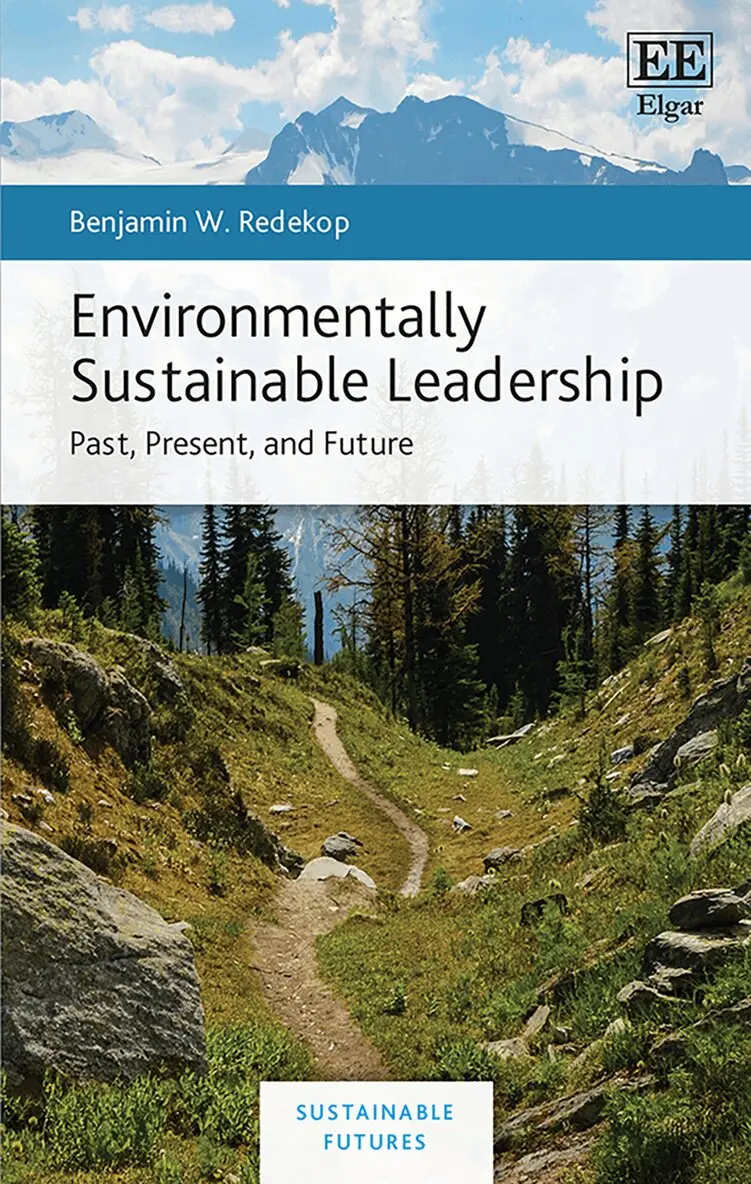
Benjamin Redekop expertly presents a comprehensive overview of the rise and evolution of environmentally sustainable leadership from the early 19th century to the present day. Redekop not only assesses the approaches of various historical and contemporary leaders, but also provides a foundation for understanding the challenges, dilemmas, and opportunities for sustainable leadership today.Through the lens of contemporary theories and models of leadership, including the Eco-Leadership paradigm, this erudite book highlights the development of various forms and styles of sustainable and unsustainable leadership. Incorporating real-world examples, chapters provide in-depth analyses of individual leaders and their influence while paying close attention to other factors in the leadership process. Redekop explores the notion of environmentally sustainable leadership from numerous perspectives and in a variety of historical, geographical, and theoretical settings.This book will prove essential to researchers, academics and students interested in business and management, politics and public policy, business leadership, corporate social responsibility, management and sustainability, and environmental management. It will also appeal to those looking to better understand environmental leadership and the history of the environmental movement.
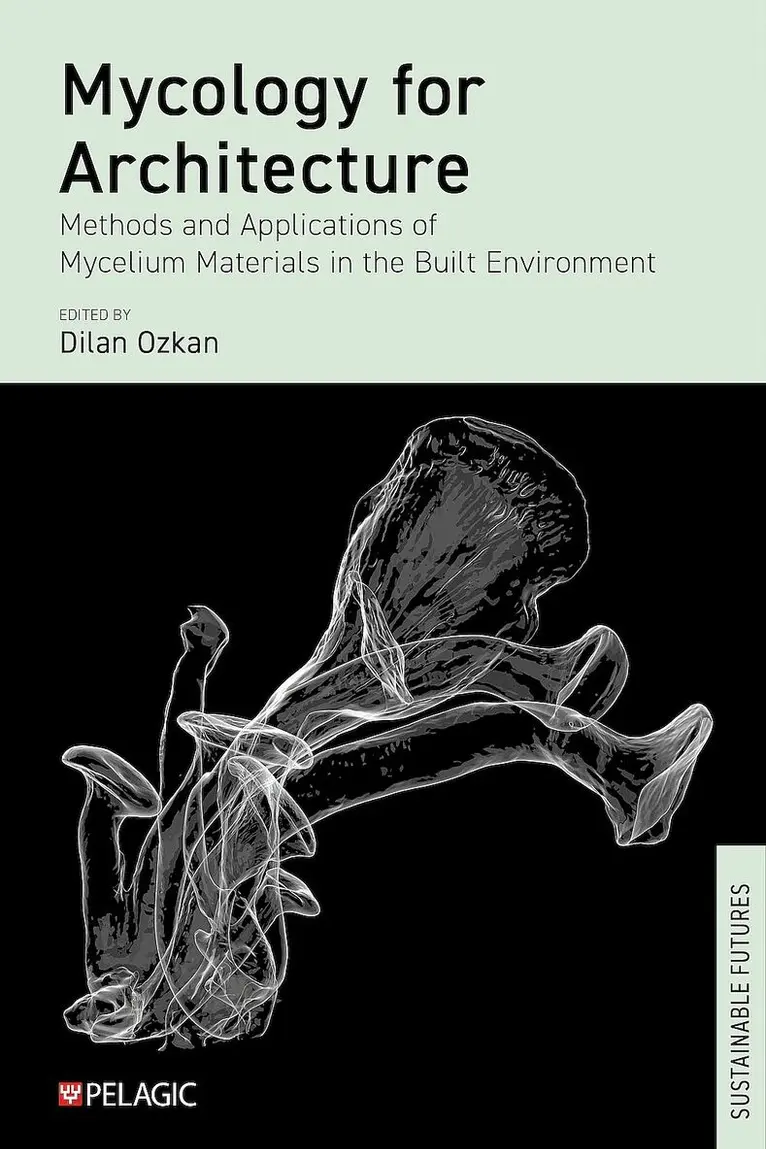
Mycology for Architecture
Methods and Applications of Mycelium Materials in the Built Environment
Inbunden, Engelska, 2026
1 253 kr
Kommande
Mycology for Architecture explores how mycelium – the root network of fungi – as a living material is transforming architecture into a discipline that is not only sustainable but regenerative, adaptive and deeply entangled with ecological systems. Bringing together leading researchers, practitioners and educators, it charts how living matter is reshaping the way we conceive, fabricate and inhabit built environments.Organised in three parts, the book begins by positioning mycelium as an alternative to conventional construction materials, with applications ranging from bricks and skins to adaptive structures and even space habitats. The second part turns to the methods and practices of working with living fungi, from laboratory protocols and workshop formats to experimental pedagogies that challenge conventional design education. The final section showcases advanced fabrication strategies that push the limits of mycelium composites toward sustainable, scalable futures.By weaving together theory, fabrication and pedagogy, this book presents biodesign as a critical method rather than a speculative novelty. It invites architects, designers and researchers to rethink material assemblies and to embrace nonlinear, adaptive processes as integral to a more just, climate-responsive future.Importance: the climate crisis, resource scarcity, and the urgent need for sustainable materials make it essential to reconsider how we design and build. Mycelium offers a renewable, biodegradable, low-carbon alternative to conventional materials like plastics and foams.Useful: mycelium is not just a theoretical concept – it is already being applied in packaging, product design and prototyping. Extending it to architecture opens applications in insulation, acoustics, lightweight structures and carbon-negative systems.New: while there has been growing interest in biodesign, no dedicated architectural text has focused exclusively on mycelium. This book fills that gap, showing how this living system can be cultivated, shaped and integrated into building practices. It also highlights cutting-edge methods in digital fabrication, biotechnology and space exploration research.Exciting: mycelium blurs the boundaries between biology and architecture & design, opening new aesthetic and functional possibilities. Designing with living systems challenges conventional thinking, encourages creativity and inspires visions of a more sustainable and symbiotic future. For students, researchers, and professionals, the field is still emerging – making this a rare opportunity to engage with a discipline as it develops in real time.What makes this book unique is its interdisciplinary authorship. None of the contributors are mycologists by training, yet each has successfully integrated fungi into their field – whether through material innovation, structural experimentation, pedagogical practice or digital fabrication.The book introduces both practical techniques and new conceptual frameworks for integrating mycelium into architecture. - Covers the history of fungi through the lens of mycelium as a biomaterial, establishing a foundation for its architectural potential. - Examines current methods for using mycelium in bricks, skins and composites, paired with a critical analysis of their mechanical performance, scalability and environmental impact – moving beyond proof-of-concept experiments to assess real-world viability. - Advances novel perspectives on sustainable futures, including exploration of under-researched fungal species, scenario-building for regenerative design, and speculative applications in extraterrestrial habitats. - Offers frameworks for creating “myco-lab” spaces that connect education, research and industry. - Introduces new pedagogical models for teaching with living systems and provides methodologies for treating fungi not just as a material, but as a design partner – integrating scientific experimentation into architectural practice to generate new knowledge. - Presents cutting-edge fabrication strategies, from CNC machining, robotics and additive manufacturing with living mycelium, to hybrid approaches that combine fungi with materials like upcycled clay. Large-scale digital workflows are documented, offering techniques that extend mycelium’s use beyond small-scale prototypes into architectural applications.This book is written for architects, designers, engineers, material researchers and educators who are seeking rigorous, practice-ready insights into working with mycelium. It will appeal equally to academics advancing biomaterial research, practitioners exploring sustainable alternatives in architecture and design, and educators developing new pedagogical models for teaching with living systems. Entrepreneurs and sustainability consultants will find strategies for scaling mycelium-based innovations, while students gain a clear entry point into biodesign methods. By moving beyond speculative “bio hype” to focus on tested techniques, performance analysis and fabrication workflows, the book positions itself as both a scholarly reference and a practical guide.
1 613 kr
Skickas inom 7-10 vardagar
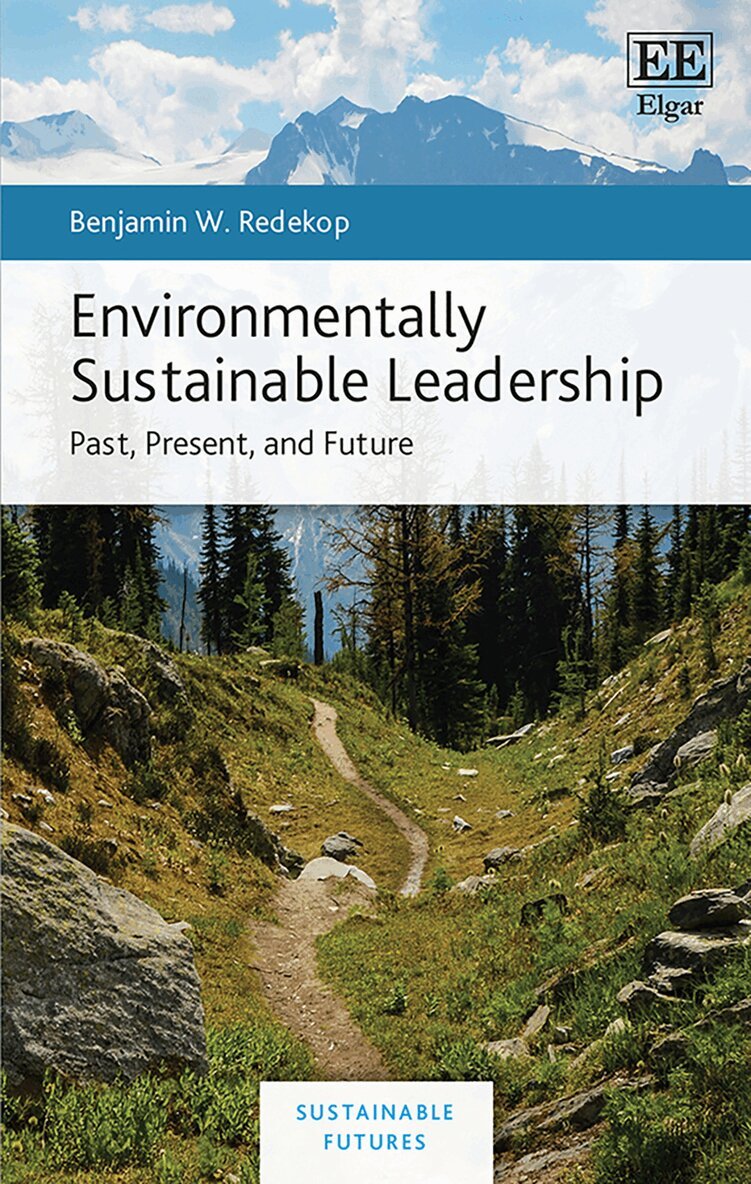
Benjamin Redekop expertly presents a comprehensive overview of the rise and evolution of environmentally sustainable leadership from the early 19th century to the present day. Redekop not only assesses the approaches of various historical and contemporary leaders, but also provides a foundation for understanding the challenges, dilemmas, and opportunities for sustainable leadership today.Through the lens of contemporary theories and models of leadership, including the Eco-Leadership paradigm, this erudite book highlights the development of various forms and styles of sustainable and unsustainable leadership. Incorporating real-world examples, chapters provide in-depth analyses of individual leaders and their influence while paying close attention to other factors in the leadership process. Redekop explores the notion of environmentally sustainable leadership from numerous perspectives and in a variety of historical, geographical, and theoretical settings.This book will prove essential to researchers, academics and students interested in business and management, politics and public policy, business leadership, corporate social responsibility, management and sustainability, and environmental management. It will also appeal to those looking to better understand environmental leadership and the history of the environmental movement.