Symposia on Democracy – serie
Visar alla böcker i serien Symposia on Democracy. Handla med fri frakt och snabb leverans.
2 produkter
2 produkter
529 kr
Skickas inom 3-6 vardagar
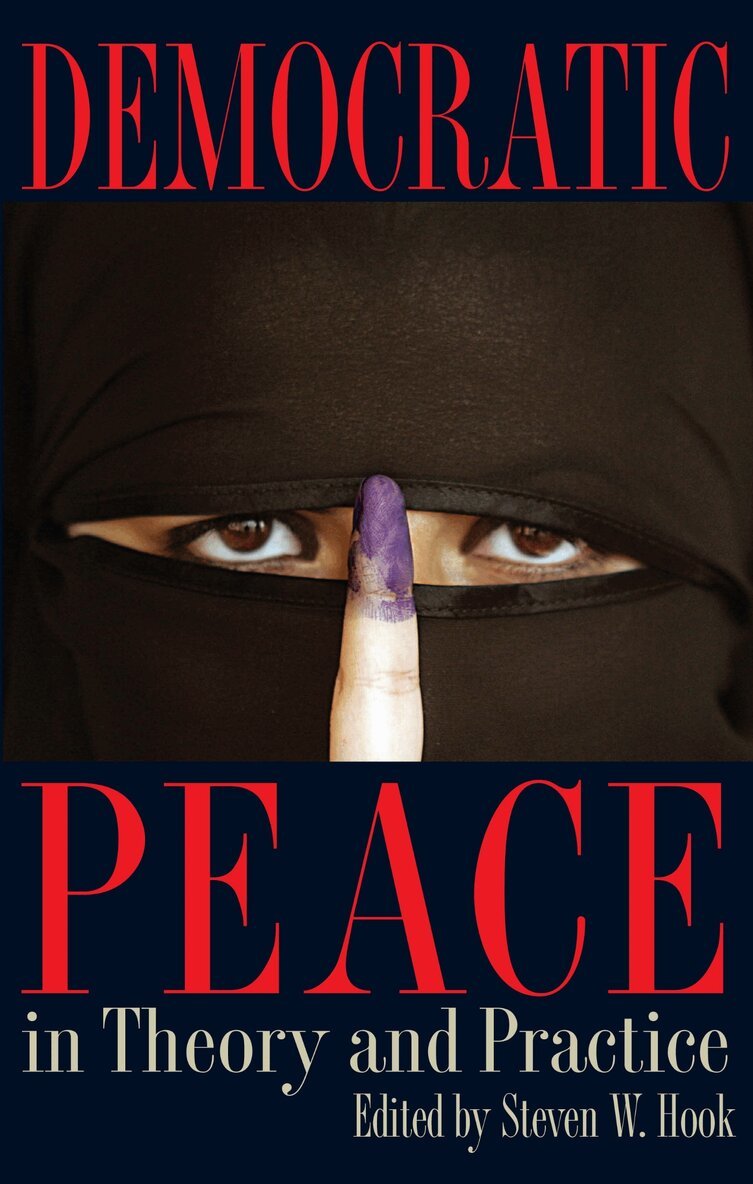
A collection of scholarly essays on democratic peace theory Historical patterns suggest that democratic governments, which often fight wars against authoritarian regimes, maintain peaceful relationships with other governments that uphold political freedoms and empower their civil societies—a concept known as "democratic peace." Democratic Peace in Theory and Practice is a timely collection of essays by leading scholars that examines how democracies maintain relationships and how democracies are spread throughout the world.Along with two articles by Michael W. Doyle that brought widespread attention to the concept of democratic peace in the 1980s, the essays in this volume explore the application of democratic peace theory in the Middle East, the importance of peace and prosperity in developing democracy, the contradiction between democracy and capitalism present today in the process of globalization, and democratization in Africa. The contributors also consider the contradictions of promoting democracy by force, the necessity of educating and mobilizing citizens in democratic countries, economic sanctions as policy tools, and the relationship between democracy promotion and terrorism, among other topics.The latest volume in The Kent State University Press's Symposia on Democracy series, Democratic Peace in Theory and Practice will be welcomed by political scientists and valued by students of democracy, diplomacy, and peace studies.
Democracy and the American Civil War
Race and African Americans in the Nineteenth Century
Häftad, Engelska, 2016
320 kr
Skickas inom 5-8 vardagar
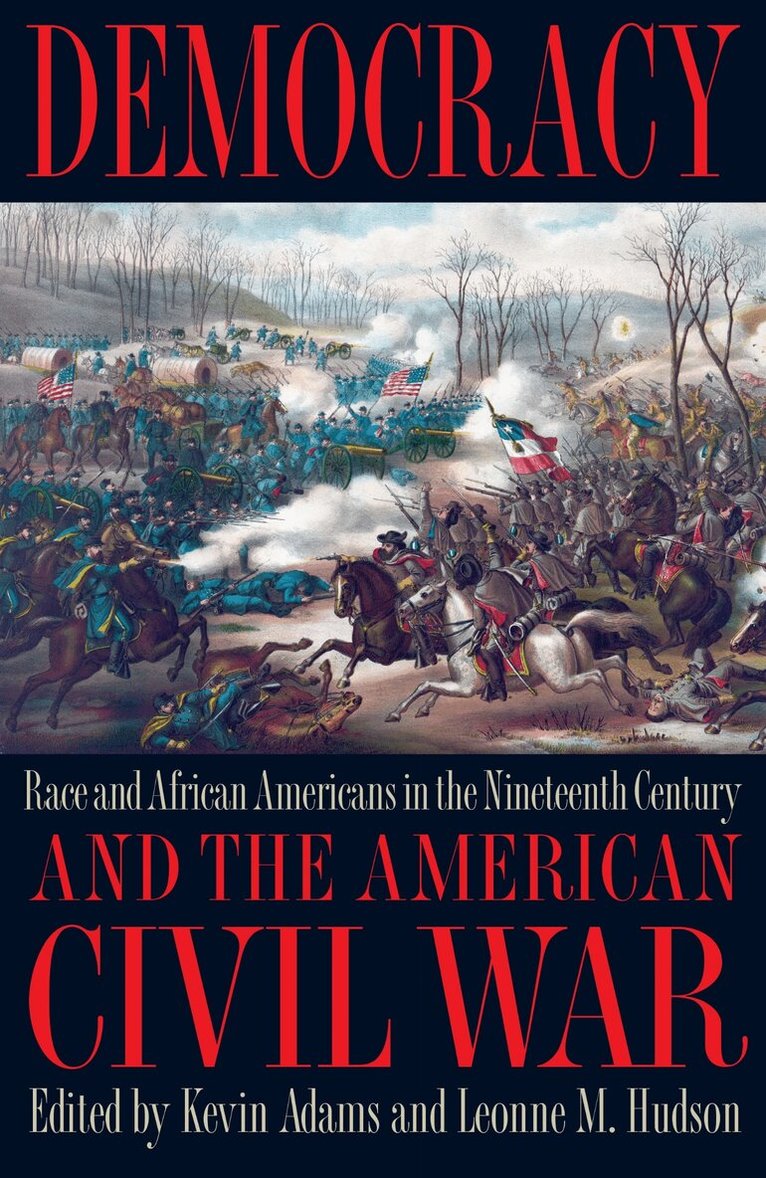
In 1865, after four tumultuous years of fighting, Americans welcomed the opportunity to return to a life of normalcy. President Abraham Lincoln issued his emancipation decree in January 1863 and had set the stage for what he hoped would be a smooth transition from war to peace with the announcement of his reconstruction program in December 1863 and with his call of "malice toward none and charity for all" in his Second Inaugural Address in March 1865. Lincoln's dream of completing the process of reconstructing the nation was cut short just one month later by the hand of an assassin.The essays in this volume—by Adams and Hudson along with Stanley Harrold, John David Smith, Mitchell Snay, and Fay Yarbrough—represent an exemplary collection on the importance of democracy and race during and after America's most devastating conflict. Ranging from a consideration of antebellum abolitionists to the racial policies adopted by Native American tribes that had allied with the Confederacy to the ambiguous legacies of Reconstruction, these chapters are thoroughly researched, persuasively argued, and beautifully crafted. Democracy and the American Civil War is a compelling examination of black Americans and their quest for citizenship rights in the face of violence and ostracism.As volume coeditor Leonne Hudson points out in his introduction, Lincoln's actions were significant steps on the road toward the fulfillment of the democratic tenets contained in the foundational documents of the Declaration of Independence and the Constitution. By the end of the Civil War, President Lincoln had come to realize that individual freedom was an inalienable right. Furthermore, he believed that in a democratic nation all men were not only entitled to freedom but to equality as well. Although African Americans had played an unforgettable role in helping to preserve the Union, they found their path to full democracy littered with political and legal obstacles that would bedevil them for decades.This collection enriches our understanding of democracy, race, and the Civil War, and it reminds us that the historical importance of democracy and the complexity of race are topics with which we should continue to engage.