Syngress Publishing – serie
465 kr
Skickas inom 10-15 vardagar
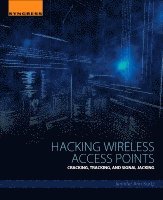
Hacking Wireless Access Points: Cracking, Tracking, and Signal Jacking provides readers with a deeper understanding of the hacking threats that exist with mobile phones, laptops, routers, and navigation systems. In addition, applications for Bluetooth and near field communication (NFC) technology continue to multiply, with athletic shoes, heart rate monitors, fitness sensors, cameras, printers, headsets, fitness trackers, household appliances, and the number and types of wireless devices all continuing to increase dramatically.
The book demonstrates a variety of ways that these vulnerabilities can be-and have been-exploited, and how the unfortunate consequences of such exploitations can be mitigated through the responsible use of technology.
Explains how the wireless access points in common, everyday devices can expose us to hacks and threats Teaches how wireless access points can be hacked, also providing the techniques necessary to protect and defend data Presents concrete examples and real-world guidance on how to protect against wireless access point attacks465 kr
Skickas inom 10-15 vardagar
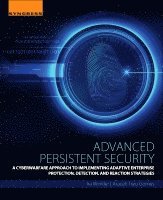
Advanced Persistent Security covers secure network design and implementation, including authentication, authorization, data and access integrity, network monitoring, and risk assessment. Using such recent high profile cases as Target, Sony, and Home Depot, the book explores information security risks, identifies the common threats organizations face, and presents tactics on how to prioritize the right countermeasures.
The book discusses concepts such as malignant versus malicious threats, adversary mentality, motivation, the economics of cybercrime, the criminal infrastructure, dark webs, and the criminals organizations currently face.
Contains practical and cost-effective recommendations for proactive and reactive protective measures Teaches users how to establish a viable threat intelligence program Focuses on how social networks present a double-edged sword against security programs