Three Hands Press – serie
Visar alla böcker i serien Three Hands Press. Handla med fri frakt och snabb leverans.
2 produkter
2 produkter
Häftad, Engelska, 2025
255 kr
Skickas inom 5-8 vardagar
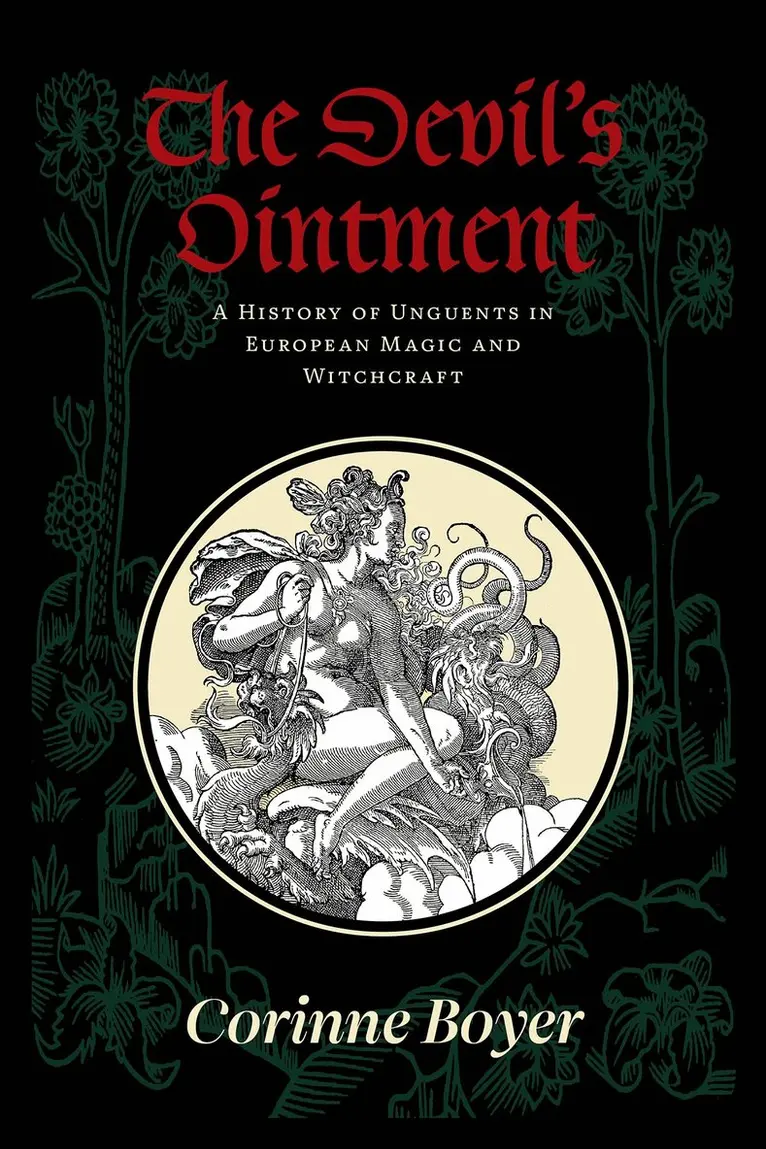
In the historical records of European Witchcraft, one of the most notorious allegations against the accused was the use of a magical salve to gain the power of nocturnal flight. Rubbed on the body, it was said to be compounded of toxic herbs, animals, and noxious constituents such as human fat, and could effect ‘travel’ by the witch over great distances. According to legend, the ointment, or the instructions for its manufacture were given to the witch directly by the Devil himself in the midst of their frenzied Sabbats. Despite the persistence of these features of the witches’ ointment in lore, actual recipes for it were rare and often speculative.Initially the obsession of clerical and legal authorities, then of writers on Natural Magic, the ointment continued to perplex researchers well into the Age of Enlightenment. In more recent times, it has become the fascination of pharmacological speculation, psychology, entheogenic theory, and occult experiment. Despite the curiosity it has generated over the centuries, the mystery of the witches’ ointment abides.Bringing a much-needed approach of plant lore and folk magic to the subject, The Devil’s Ointment examines the witches’ salve against the broader historical use of magical unguents and greases, considering supernatural contexts in addition to witchcraft. This is complimented by the additional investigational viewpoint of folk medicine, which made therapeutic use of many of the toxic plants ascribed to the ointment. Rationales for use, source materials, and symbolical ingredients of the european pharmacopoeia are also examined, revealing the witches’ ointments as but one small part of the essential and timeless accoutrements of European occult practices.
Häftad, Engelska, 2026
244 kr
Tillfälligt slut
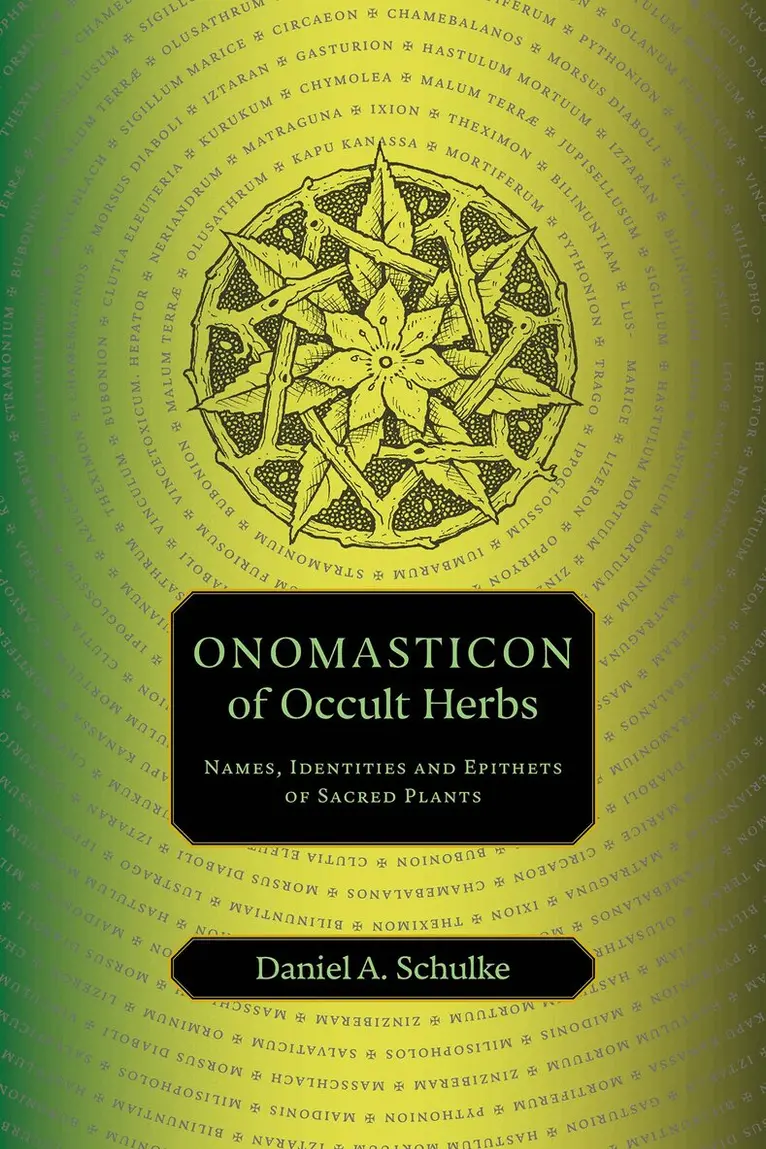
Onomasticon of Occult Herbs is a cross-cultural lexicon of sacred plant names, as they emerged from the religions and magical traditions of the world.The great procession of common plant names, given to them by humans, forms a unique body of lore passed down through time. In religion, magic and myth, these names serve a greater function than mere verbal signifiers; they operate at transcendent levels of spirit. A plant name may speak of its healing power, its legends, or its associations with gods or spirits. It may forewarn us of its potentially hazardous properties such as poison, or conversely its pleasant aspects such as scent or taste. In anthropological contexts, these names also speak to the plant’s steward culture, in which traditional interaction with the plant is embedded. Onomasticon of Occult Herbs is a cross-cultural lexicon of more than 5,000 plant names, with a special focus on those herbs used in Spiritual, ceremonial and occult practice. In addition to selected annotations on the names and information on linguistic sources, the book also contains the introductory essay “A Green Cipher”, which examines the powers behind the names.