University of Georgia Humanities Center Series on Science and the Humanities – serie
Visar alla böcker i serien University of Georgia Humanities Center Series on Science and the Humanities. Handla med fri frakt och snabb leverans.
2 produkter
2 produkter
985 kr
Skickas inom 3-6 vardagar
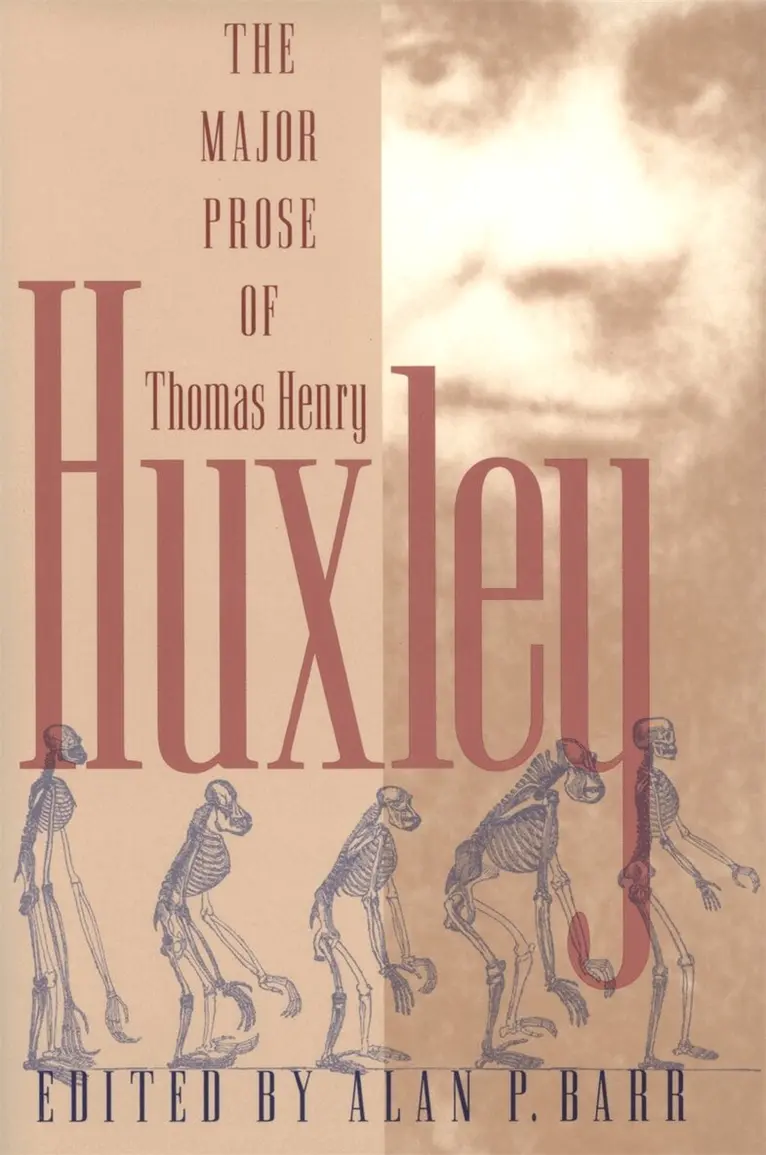
Thomas Henry Huxley (1825-1895) was one of the intellectual giants of Victorian England. Initially a surgeon by training, he became the principal exponent of Darwinism and popularizer of "scientific naturalism." His public advocacy of evolution, the voice he gave to science as a dignified and vital profession, the powerful offices he held in its societies, and the many volumes he published of and about science made Huxley among the most influential of all nineteenth-century figures in the history of science.Huxley was a prolific essayist, and his writings put him at the center of intellectual debate in England during the latter half of the nineteenth century. Alan P. Barr's edition of The Major Prose of Thomas Henry Huxley fills a very real and pressing chasm in history of science books, bringing together almost all of Huxley's major nontechnical prose, including Man's Place in Nature and both "Evolution in Ethics" and its "Prolegomena."
486 kr
Skickas inom 5-8 vardagar
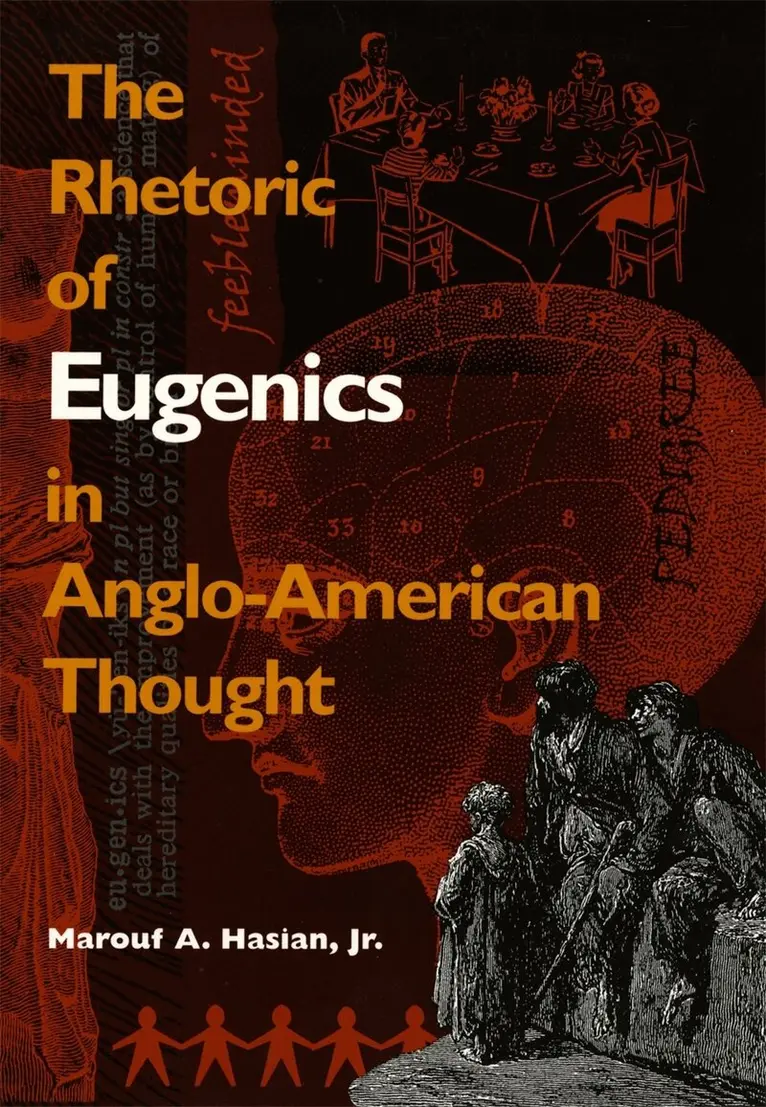
Ranging in subject from England's poor laws to the Human Genome Project, The Rhetoric of Eugenics in Anglo-American Thought is one of the first books to look at the history and development of the eugenics movement in Anglo-American culture. Unlike other works that focus on the movement's historical aberrancies or the claims of its hardline proponents, this study highlights the often unnoticed ways in which the language and ideas of eugenics have permeated democratic discourse. Marouf A. Hasian, Jr. not only examines the attempts of philosophers, scientists, and politicians to balance the rights of the individual against the duties of the state, but also shows how African Americans, Catholics, women, and other communities—dominant and marginalized—have appropriated or confronted the rhetoric of eugenics.Hasian contends that "eugenics" is an ambiguous term that has allowed people to voice their concerns on a number of social issues—a form of discourse that influences the way ordinary citizens make sense of their material and spiritual world. While biological determinism and social necessity are discussed in the works of Plato, Malthus, and Darwin, among others, with theories ranging from equality for all to natural superiority, it is Galton's observations on "positive" and "negative" eugenics that have been widely used to justify a variety of social and political projects—including the sterilization and segregation of the unfit, immigration restrictions, marriage regulations, substance abuse, physical and mental testing, and the establishment of health programs that sought to improve "hygiene." Women, African Americans, and other marginalized communities, for instance, have at times lost reproductive rights in the name of "liberty," "opportunity," or "necessity."Eugenical arguments are more than a creation of pseudo-science or misapplied genetical analysis, Hasian determines; they are also rhetorical fragments, representing the ideologies of multitudes of social actors who, across time, have reconfigured these ideas to legitimize many agendas.