
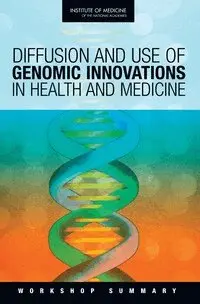
Diffusion and Use of Genomic Innovations in Health and Medicine
Institute of Medicine, Board on Health Sciences Policy, Roundtable on Translating Genomic-Based Research for Health, Lyla M. Hernandez
Häftad, 2008
605 kr
AvRoundtable on Translating Genomic-Based Research for Health,Board on Health Sciences Policy
628 kr
Läs direkt i Bokus Reader – eller ladda ned till din enhet
Rapid advances in technology have lowered the cost of sequencing an individual''s genome from the several billion dollars that it cost a decade ago to just a few thousand dollars today and have correspondingly greatly expanded the use of genomic information in medicine. Because of the lack of evidence available for assessing variants, evaluation bodies have made only a few recommendations for the use of genetic tests in health care. For example, organizations, such as the Evaluation of Genomic Applications in Practice and Prevention working group, have sought to set standards for the kinds of evaluations needed to make population-level health decisions. However, due to insufficient evidence, it has been challenging to recommend the use of a genetic test. An additional challenge to using large-scale sequencing in the clinic is that it may uncover "secondary," or "incidental," findings - genetic variants that have been associated with a disease but that are not necessarily related to the conditions that led to the decision to use genomic testing. Furthermore, as more genetic variants are associated with diseases, new information becomes available about genomic tests performed previously, which raises issues about how and whether to return this information to physicians and patients and also about who is responsible for the information.
To help develop a better understanding of how genomic information is used for healthcare decision making, the Roundtable on Translating Genomic-Based Research for Health of the Institute of Medicine held a workshop in Washington,DC in February 2014. Stakeholders, including clinicians, researchers, patients, and government officials, discussed the issues related to the use of genomic information in medical practice. Assessing Genomic Sequencing Information for Health Care Decision Making is the summary of that workshop. This report compares and contrasts evidence evaluation processes fordifferent clinical indications and discusses key challenges in the evidence evaluation process.
Institute of Medicine, Board on Health Sciences Policy, Roundtable on Translating Genomic-Based Research for Health, Lyla M. Hernandez
Häftad, 2008
605 kr
Roundtable on Translating Genomic-Based Research for Health, Board on Health Sciences Policy, Institute of Medicine, Lyla M. Hernandez
410 kr
Roundtable on Translating Genomic-Based Research for Health, Board on Health Sciences Policy, Institute of Medicine, Erin Hammers
288 kr
Roundtable on Translating Genomic-Based Research for Health, Board on Health Sciences Policy, Institute of Medicine, Theresa Wizemann
372 kr
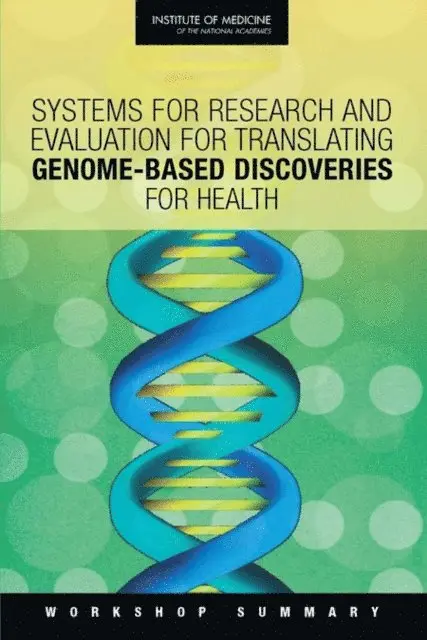
Roundtable on Translating Genomic-Based Research for Health, Board on Health Sciences Policy, Institute of Medicine, Theresa Wizemann
541 kr

Roundtable on Translating Genomic-Based Research for Health, Board on Health Sciences Policy, Institute of Medicine, Theresa Wizemann, Adam C. Berger
393 kr
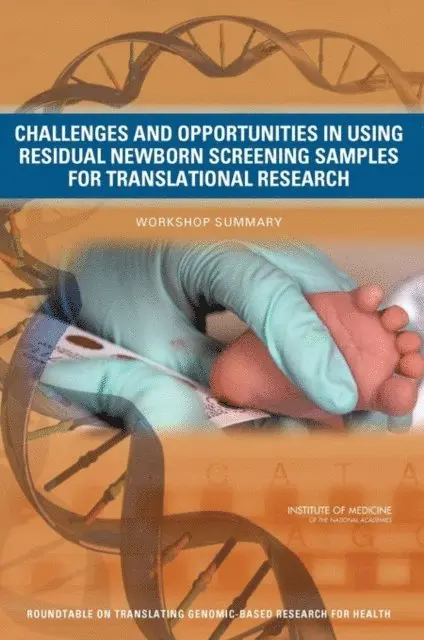
Roundtable on Translating Genomic-Based Research for Health, Board on Health Sciences Policy, Institute of Medicine, Steve Olson, Adam C. Berger
288 kr

Roundtable on Translating Genomic-Based Research for Health, Board on Health Sciences Policy, Institute of Medicine, Steve Olson, Adam C. Berger
285 kr
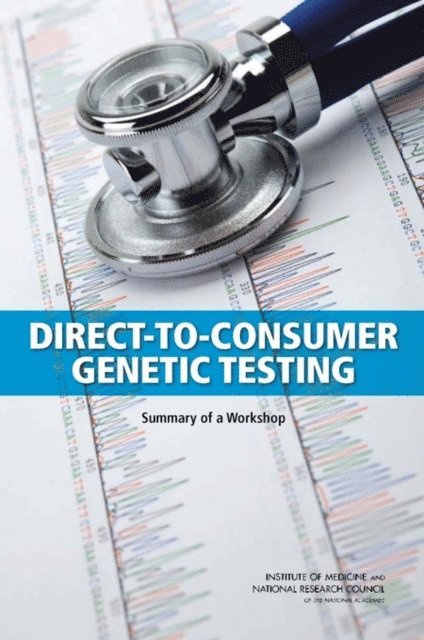
and Law Committee on Science, Technology, Policy and Global Affairs, Board on Life Sciences, Division on Earth and Life Studies, and Translation Forum on Drug Discovery, Development, Roundtable on Translating Genomic-Based Research for Health, Board on Health Sciences Policy, National Cancer Policy Forum, Board on Health Care Services, Institute of Medicine, National Research Council, Mary Fraker, Anne-Marie Mazza
384 kr
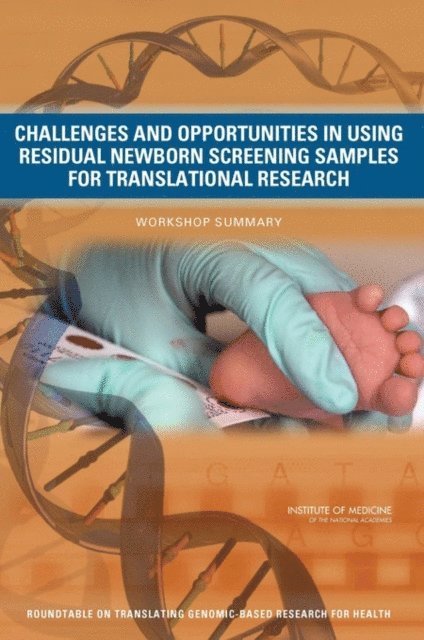
Roundtable on Translating Genomic-Based Research for Health, Board on Health Sciences Policy, Institute of Medicine, Steve Olson, Adam C. Berger
419 kr

Roundtable on Translating Genomic-Based Research for Health, Board on Health Sciences Policy, Institute of Medicine, Steve Olson, Sarah H. Beachy, Claire F. Giammaria, Adam C. Berger
524 kr
Roundtable on Translating Genomic-Based Research for Health, Board on Health Sciences Policy, Institute of Medicine, Sarah H. Beachy, Adam C. Berger, Steve Olson
559 kr

Roundtable on Translating Genomic-Based Research for Health, Board on Health Sciences Policy, Institute of Medicine, Sarah H. Beachy, Samuel G. Johnson, Steve Olson, Adam C. Berger
524 kr
Roundtable on Translating Genomic-Based Research for Health, Board on Health Sciences Policy, Institute of Medicine, Sarah H. Beachy, Samuel G. Johnson, Steve Olson, Adam C. Berger
489 kr
Roundtable on Translating Genomic-Based Research for Health, Board on Health Sciences Policy, Institute of Medicine, Sarah H. Beachy, Samuel G. Johnson, Steve Olson, Adam C. Berger
541 kr

Institute of Medicine, Board on Health Sciences Policy, Roundtable on Translating Genomic-Based Research for Health, Adam C. Berger, Steve Olson, Samuel G. Johnson, Sarah H. Beachy
Häftad, 2014
381 kr

Institute of Medicine, Board on Health Sciences Policy, Roundtable on Translating Genomic-Based Research for Health, Steve Olson, Adam C. Berger, Sarah H. Beachy
Häftad, 2014
408 kr
Institute of Medicine, Board on Health Sciences Policy, Roundtable on Translating Genomic-Based Research for Health, Adam C. Berger, Steve Olson, Samuel G. Johnson, Sarah H. Beachy
Häftad, 2014
340 kr
Roundtable on Translating Genomic-Based Research for Health, Board on Health Sciences Policy, Institute of Medicine, Sarah H. Beachy, Steve Olson, Adam C. Berger
541 kr
AvRoundtable on Translating Genomic-Based Research for Health,Board on Health Sciences Policy
628 kr
Läs direkt i Bokus Reader – eller ladda ned till din enhet
Rapid advances in technology have lowered the cost of sequencing an individual''s genome from the several billion dollars that it cost a decade ago to just a few thousand dollars today and have correspondingly greatly expanded the use of genomic information in medicine. Because of the lack of evidence available for assessing variants, evaluation bodies have made only a few recommendations for the use of genetic tests in health care. For example, organizations, such as the Evaluation of Genomic Applications in Practice and Prevention working group, have sought to set standards for the kinds of evaluations needed to make population-level health decisions. However, due to insufficient evidence, it has been challenging to recommend the use of a genetic test. An additional challenge to using large-scale sequencing in the clinic is that it may uncover "secondary," or "incidental," findings - genetic variants that have been associated with a disease but that are not necessarily related to the conditions that led to the decision to use genomic testing. Furthermore, as more genetic variants are associated with diseases, new information becomes available about genomic tests performed previously, which raises issues about how and whether to return this information to physicians and patients and also about who is responsible for the information.
To help develop a better understanding of how genomic information is used for healthcare decision making, the Roundtable on Translating Genomic-Based Research for Health of the Institute of Medicine held a workshop in Washington,DC in February 2014. Stakeholders, including clinicians, researchers, patients, and government officials, discussed the issues related to the use of genomic information in medical practice. Assessing Genomic Sequencing Information for Health Care Decision Making is the summary of that workshop. This report compares and contrasts evidence evaluation processes fordifferent clinical indications and discusses key challenges in the evidence evaluation process.
Institute of Medicine, Board on Health Sciences Policy, Roundtable on Translating Genomic-Based Research for Health, Lyla M. Hernandez
Häftad, 2008
605 kr
Roundtable on Translating Genomic-Based Research for Health, Board on Health Sciences Policy, Institute of Medicine, Lyla M. Hernandez
410 kr
Roundtable on Translating Genomic-Based Research for Health, Board on Health Sciences Policy, Institute of Medicine, Erin Hammers
288 kr
Roundtable on Translating Genomic-Based Research for Health, Board on Health Sciences Policy, Institute of Medicine, Theresa Wizemann
372 kr
Roundtable on Translating Genomic-Based Research for Health, Board on Health Sciences Policy, Institute of Medicine, Theresa Wizemann
541 kr
Roundtable on Translating Genomic-Based Research for Health, Board on Health Sciences Policy, Institute of Medicine, Theresa Wizemann, Adam C. Berger
393 kr
Roundtable on Translating Genomic-Based Research for Health, Board on Health Sciences Policy, Institute of Medicine, Steve Olson, Adam C. Berger
288 kr
Roundtable on Translating Genomic-Based Research for Health, Board on Health Sciences Policy, Institute of Medicine, Steve Olson, Adam C. Berger
285 kr
and Law Committee on Science, Technology, Policy and Global Affairs, Board on Life Sciences, Division on Earth and Life Studies, and Translation Forum on Drug Discovery, Development, Roundtable on Translating Genomic-Based Research for Health, Board on Health Sciences Policy, National Cancer Policy Forum, Board on Health Care Services, Institute of Medicine, National Research Council, Mary Fraker, Anne-Marie Mazza
384 kr
Roundtable on Translating Genomic-Based Research for Health, Board on Health Sciences Policy, Institute of Medicine, Steve Olson, Adam C. Berger
419 kr
Roundtable on Translating Genomic-Based Research for Health, Board on Health Sciences Policy, Institute of Medicine, Steve Olson, Sarah H. Beachy, Claire F. Giammaria, Adam C. Berger
524 kr
Roundtable on Translating Genomic-Based Research for Health, Board on Health Sciences Policy, Institute of Medicine, Sarah H. Beachy, Adam C. Berger, Steve Olson
559 kr
Roundtable on Translating Genomic-Based Research for Health, Board on Health Sciences Policy, Institute of Medicine, Sarah H. Beachy, Samuel G. Johnson, Steve Olson, Adam C. Berger
524 kr
Roundtable on Translating Genomic-Based Research for Health, Board on Health Sciences Policy, Institute of Medicine, Sarah H. Beachy, Samuel G. Johnson, Steve Olson, Adam C. Berger
489 kr
Roundtable on Translating Genomic-Based Research for Health, Board on Health Sciences Policy, Institute of Medicine, Sarah H. Beachy, Samuel G. Johnson, Steve Olson, Adam C. Berger
541 kr
Institute of Medicine, Board on Health Sciences Policy, Roundtable on Translating Genomic-Based Research for Health, Adam C. Berger, Steve Olson, Samuel G. Johnson, Sarah H. Beachy
Häftad, 2014
381 kr
Institute of Medicine, Board on Health Sciences Policy, Roundtable on Translating Genomic-Based Research for Health, Steve Olson, Adam C. Berger, Sarah H. Beachy
Häftad, 2014
408 kr
Institute of Medicine, Board on Health Sciences Policy, Roundtable on Translating Genomic-Based Research for Health, Adam C. Berger, Steve Olson, Samuel G. Johnson, Sarah H. Beachy
Häftad, 2014
340 kr
Roundtable on Translating Genomic-Based Research for Health, Board on Health Sciences Policy, Institute of Medicine, Sarah H. Beachy, Steve Olson, Adam C. Berger
541 kr
AvRoundtable on Translating Genomic-Based Research for Health,Board on Health Sciences Policy
628 kr
Läs direkt i Bokus Reader – eller ladda ned till din enhet
Rapid advances in technology have lowered the cost of sequencing an individual''s genome from the several billion dollars that it cost a decade ago to just a few thousand dollars today and have correspondingly greatly expanded the use of genomic information in medicine. Because of the lack of evidence available for assessing variants, evaluation bodies have made only a few recommendations for the use of genetic tests in health care. For example, organizations, such as the Evaluation of Genomic Applications in Practice and Prevention working group, have sought to set standards for the kinds of evaluations needed to make population-level health decisions. However, due to insufficient evidence, it has been challenging to recommend the use of a genetic test. An additional challenge to using large-scale sequencing in the clinic is that it may uncover "secondary," or "incidental," findings - genetic variants that have been associated with a disease but that are not necessarily related to the conditions that led to the decision to use genomic testing. Furthermore, as more genetic variants are associated with diseases, new information becomes available about genomic tests performed previously, which raises issues about how and whether to return this information to physicians and patients and also about who is responsible for the information.
To help develop a better understanding of how genomic information is used for healthcare decision making, the Roundtable on Translating Genomic-Based Research for Health of the Institute of Medicine held a workshop in Washington,DC in February 2014. Stakeholders, including clinicians, researchers, patients, and government officials, discussed the issues related to the use of genomic information in medical practice. Assessing Genomic Sequencing Information for Health Care Decision Making is the summary of that workshop. This report compares and contrasts evidence evaluation processes fordifferent clinical indications and discusses key challenges in the evidence evaluation process.
Institute of Medicine, Board on Health Sciences Policy, Roundtable on Translating Genomic-Based Research for Health, Lyla M. Hernandez
Häftad, 2008
605 kr
Roundtable on Translating Genomic-Based Research for Health, Board on Health Sciences Policy, Institute of Medicine, Lyla M. Hernandez
410 kr
Roundtable on Translating Genomic-Based Research for Health, Board on Health Sciences Policy, Institute of Medicine, Erin Hammers
288 kr
Roundtable on Translating Genomic-Based Research for Health, Board on Health Sciences Policy, Institute of Medicine, Theresa Wizemann
372 kr
Roundtable on Translating Genomic-Based Research for Health, Board on Health Sciences Policy, Institute of Medicine, Theresa Wizemann
541 kr
Roundtable on Translating Genomic-Based Research for Health, Board on Health Sciences Policy, Institute of Medicine, Theresa Wizemann, Adam C. Berger
393 kr
Roundtable on Translating Genomic-Based Research for Health, Board on Health Sciences Policy, Institute of Medicine, Steve Olson, Adam C. Berger
288 kr
Roundtable on Translating Genomic-Based Research for Health, Board on Health Sciences Policy, Institute of Medicine, Steve Olson, Adam C. Berger
285 kr
and Law Committee on Science, Technology, Policy and Global Affairs, Board on Life Sciences, Division on Earth and Life Studies, and Translation Forum on Drug Discovery, Development, Roundtable on Translating Genomic-Based Research for Health, Board on Health Sciences Policy, National Cancer Policy Forum, Board on Health Care Services, Institute of Medicine, National Research Council, Mary Fraker, Anne-Marie Mazza
384 kr
Roundtable on Translating Genomic-Based Research for Health, Board on Health Sciences Policy, Institute of Medicine, Steve Olson, Adam C. Berger
419 kr
Roundtable on Translating Genomic-Based Research for Health, Board on Health Sciences Policy, Institute of Medicine, Steve Olson, Sarah H. Beachy, Claire F. Giammaria, Adam C. Berger
524 kr
Roundtable on Translating Genomic-Based Research for Health, Board on Health Sciences Policy, Institute of Medicine, Sarah H. Beachy, Adam C. Berger, Steve Olson
559 kr
Roundtable on Translating Genomic-Based Research for Health, Board on Health Sciences Policy, Institute of Medicine, Sarah H. Beachy, Samuel G. Johnson, Steve Olson, Adam C. Berger
524 kr
Roundtable on Translating Genomic-Based Research for Health, Board on Health Sciences Policy, Institute of Medicine, Sarah H. Beachy, Samuel G. Johnson, Steve Olson, Adam C. Berger
489 kr
Roundtable on Translating Genomic-Based Research for Health, Board on Health Sciences Policy, Institute of Medicine, Sarah H. Beachy, Samuel G. Johnson, Steve Olson, Adam C. Berger
541 kr
Institute of Medicine, Board on Health Sciences Policy, Roundtable on Translating Genomic-Based Research for Health, Adam C. Berger, Steve Olson, Samuel G. Johnson, Sarah H. Beachy
Häftad, 2014
381 kr
Institute of Medicine, Board on Health Sciences Policy, Roundtable on Translating Genomic-Based Research for Health, Steve Olson, Adam C. Berger, Sarah H. Beachy
Häftad, 2014
408 kr
Institute of Medicine, Board on Health Sciences Policy, Roundtable on Translating Genomic-Based Research for Health, Adam C. Berger, Steve Olson, Samuel G. Johnson, Sarah H. Beachy
Häftad, 2014
340 kr
Roundtable on Translating Genomic-Based Research for Health, Board on Health Sciences Policy, Institute of Medicine, Sarah H. Beachy, Steve Olson, Adam C. Berger
541 kr