• Fri frakt över 249 kr
  • •
  • Snabba leveranser
  • •
  • Billiga böcker
Kundservice

Du är på sajten för privatpersoner.

Företag, bibliotek eller offentlig verksamhet?

Du handlar på classic.bokus.com, där alla dina funktioner finns intakta.
Till classic.bokus.com
Bokus logotyp. Gå till startsidan.
  • Erbjudanden
  • Student
  • Topplistor
  • Barn & ungdom
  • Bokus Play
  • E-böcker
  • Ljudböcker
  • Pocketböcker
  • Spel och pussel

5% studentrabatt – använd koden KURSBOK27 →

Sidfot

Mina sidor

    Hjälp

    • Kundservice
    • Vanliga frågor och svar
    • Frakt och leverans
    • Retur vid ångerrätt
    • Reklamera vara
    • Betalning
    • Köpvillkor
    • Allmänna villkor
    • Information om webbplatsens tillgänglighet

    Om Bokus

    • Om oss
    • Pressrum
    • För studenter
    • För företag
    • För bibliotek och offentlig verksamhet
    • För leverantörer
    • Hållbarhet

    Populärt

    • Aktuella erbjudanden
    • Presentkort
    • Studentlitteratur
    • Nya böcker
    • Topplistor
    • Signerade böcker
    • Engelska böcker

    Inspiration

    • Boktips
    • BookTok
    • Barnbokskaraktärer
    • Populära författare
    Logotyp för Bokus
    Följ oss på Facebook (extern länk)Följ oss på Instagram (extern länk)Följ oss på YouTube (extern länk)Följ oss på TikTok (extern länk)
    bokus @ CookiesAnpassa cookiesIntegritetspolicyKöpvillkor
    Till Citymail hemsida (extern länk)Till Budbee hemsida (extern länk)Till Postnord hemsida (extern länk)Till Schenker hemsida (extern länk)Till Early Bird hemsida (extern länk)Till Walleys hemsida (extern länk)
    1. Skönlitteratur
    2. Litteraturvetenskap
    3. Litteraturvetenskap

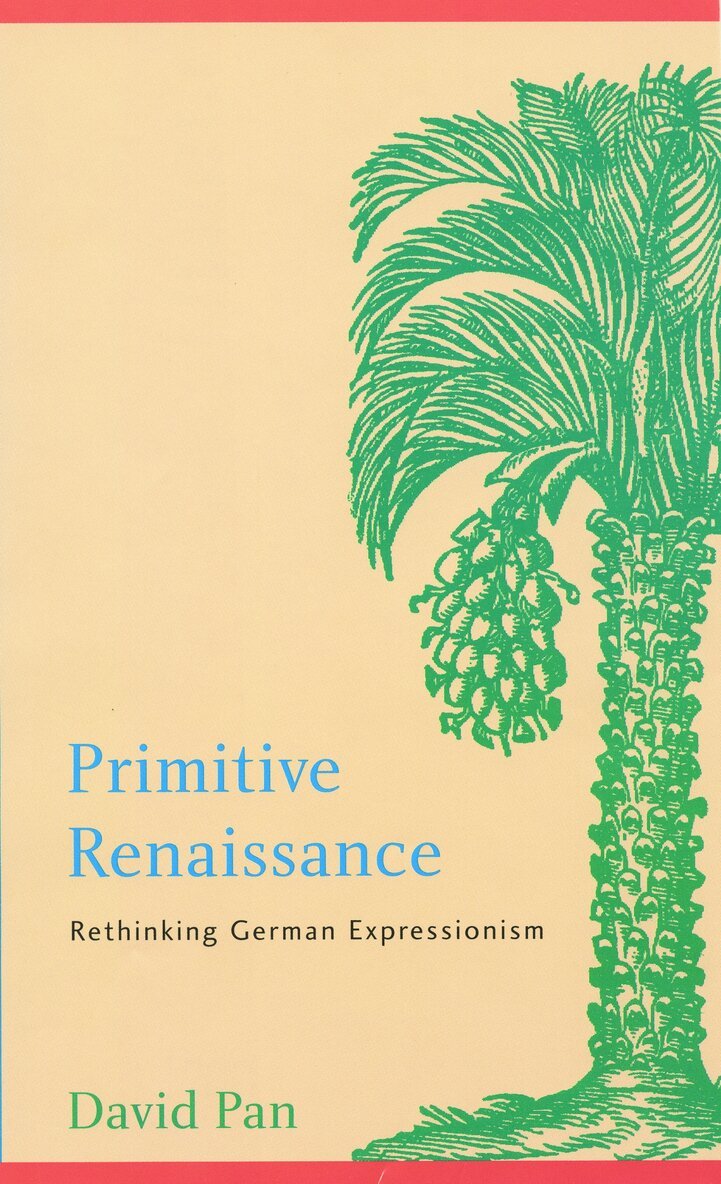
    Primitive Renaissance

    Rethinking German Expressionism

    AvDavid Pan

    Inbunden, Engelska, 2001

    834 kr

    Beställningsvara. Skickas inom 10-15 vardagar. Fri frakt över 249 kr.

    Beskrivning

    Primitive Renaissance argues that the radicality of early-twentieth-century movements such as expressionism was not their modernism but rather their primitivism. At the heart of the work of Friedrich Nietzsche, Pablo Picasso, Wassily Kandinsky, Carl Einstein, and others was a critique of modernity through a primitivist aesthetic that privileged art over science and reason. Although drawing on non-European cultural traditions, the new aesthetic was not merely exoticism, an artistic phase or fad that opened a window on the cultural other. It was conceived less as a simple negation of the trappings of civilization than as a more pervasive and structured critique of how life is organized in the modern world. Based on a traditionalist rather than Enlightenment view of the function of art in society, primitivism contended that art provides the core mythic structure for human consciousness. On a broader level, by negating modernity, primitivism also challenged its inevitability. Modernity became one of a number of equally plausible cultural strategies for organizing life in the contemporary world. Ranging insightfully across the visual arts, literature, and philosophy, Primitive Renaissance offers a provocative reassessment of the significance of primitivism and its contribution to the intellectual, artistic, and cultural climate of Europe in the early twentieth century.

    Produktinformation

    • Utgivningsdatum:2001-05-01
    • Mått:142 x 236 x 25 mm
    • Vikt:454 g
    • Format:Inbunden
    • Språk:Engelska
    • Antal sidor:239
    • Förlag:University of Nebraska Press
    • ISBN:9780803237278

    Utforska kategorier

    • Litteraturvetenskap inom Skönlitteratur

    Mer om författaren

    David Pan is an acting assistant professor of German at Stanford University.

    Recensioner i media

    "The author's basic premise is an engaging one. . . . One must commend Pan for his economic tackling of a large subject using a great variety of multidisciplinary materials and sources within which to frame his discussion."—Marion F. Deshmukh, Central European History "Exceedingly well written and the author's command of his sources is formidable. Pan's achievement is to have rethought and resituated primitivism in modern European thinking and to have challenged once more our assumptions about the homogenous and monolithic nature of modernity."—Katharina Gerstenberger, Journal of English and Germanic Philology

    Innehållsförteckning

    • Contents: List of Illustrations Acknowledgments Introduction Part 1: Primitivist Aesthetics 1. The Primitive and the Civilized in Friedrich Nietzsche's Birth of Tragedy 2. The Dionysian Aesthetics of Myth 3. The Primitive and the Barbaric Part 2: Primitivism in Art 4. The Primitive Dimension in Sigmund Freud's Totem and Taboo 5. Abstract Art and the Primitive Spirit in the Work of Wassily Kandinsky 6. Construction and Mimesis in Carl Einstein's Theory of Art Part 3: Primitivism in Prose 7. Narrative Form and Experience in Carl Einstein's Prose Theory 8. From Fantasy to Sacrifice in Bebuquin or the Dilettantes of Wonder 9. Expressionist Myth and African Legend Notes Index