Inbunden, Engelska, 2026
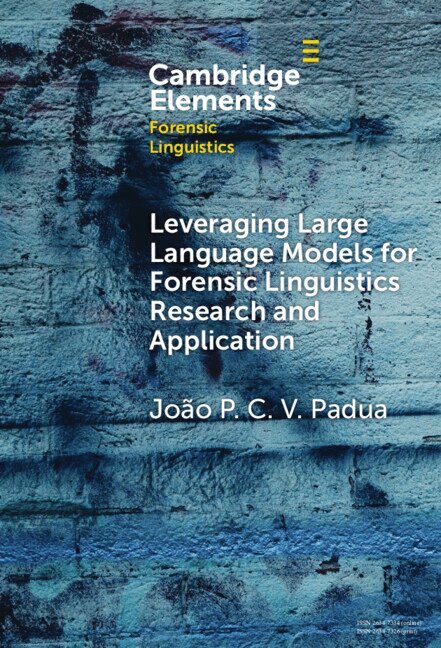
Leveraging Large Language Models for Forensic Linguistics Research and Application
930 kr
Ej publicerad ännu
Beskrivning
Since the release of ChatGPT in late 2022, computers have demonstrated fluent interaction with humans through language. For linguists and lawyers, whose work is primarily language-based, the impact is poised to be significant. This Element explores the science and technology underlying LLMs, showing how their successes validate linguistic theories and can help linguistics evolve, with a focus on forensic and legal applications. By walking through the concepts behind current LLMs and connecting them to linguistic principles, it demonstrates how LLMs can assist the forensic and legal linguist through two toy experiments - one in rule construction and one in authorship attribution - with interesting results. It concludes that, while LLMs warrant caution regarding their pitfalls, they can help forensic and legal linguistics achieve greater rigor and success, provided the community develops appropriate constraints and protocols for their use.
Produktinformation
- Utgivningsdatum: 2026-10-31
- Format: Inbunden
- Språk: Engelska
- Serie: Elements in Forensic Linguistics
- Antal sidor: 75
- Förlag: Cambridge University Press
- ISBN: 9781009558037
Utforska kategorier
Betyg & recensioner
0 recensioner
Inga recensioner tillgängliga.