Inbunden, Engelska, 2026
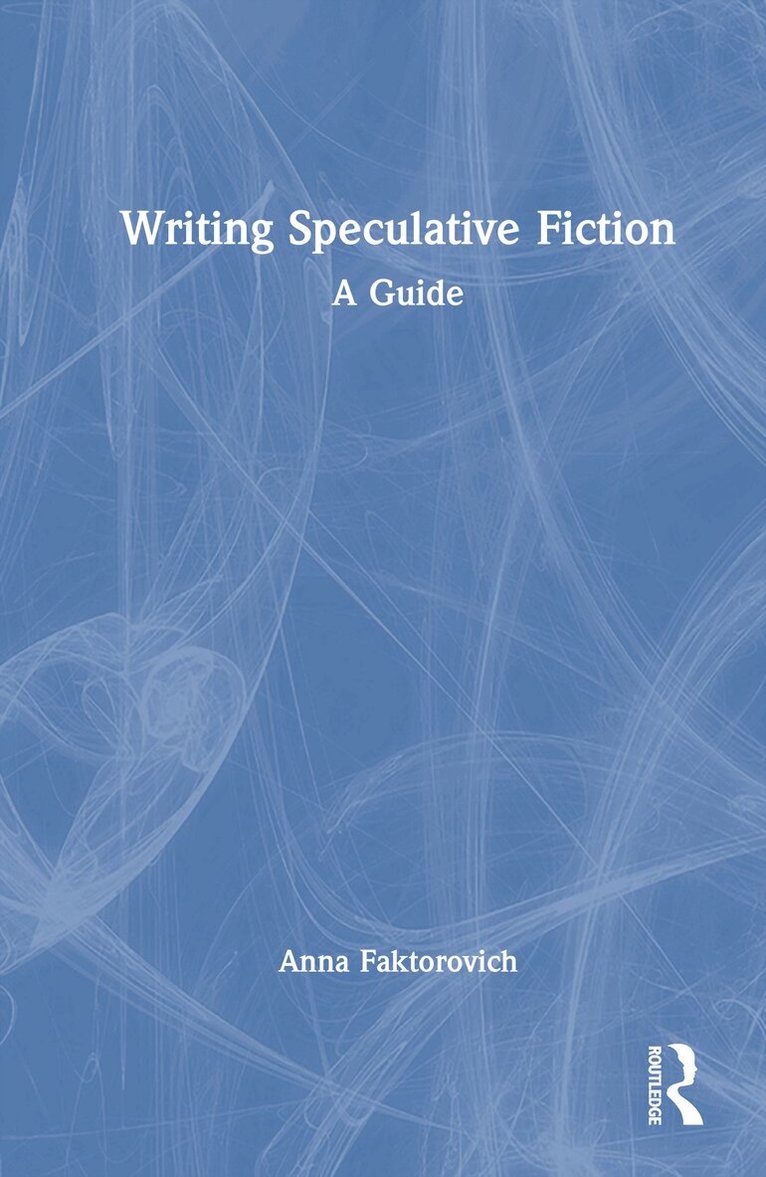
Writing Speculative Fiction
2886 kr
Beställningsvara. Skickas inom 10-15 vardagar. Fri frakt över 249 kr.
Beskrivning
Contemporary speculative fiction should be exceeding the literary speculative fiction of past centuries, given the fantastical digital tools that have been placed at writers’ disposal. Instead, publishers have been championing hyper-repetitive formulas and selling them as sub-genres. This textbook mines ancient rhetorical guides (from Aristotle to Aquinas to Euclid) and recent creative writing manuals and literary theory for advice to arm ambitious writers with the tools to maximize the structural and linguistic quality of their creations. It features advice on developing speculative ideas through innovative methods (not discussed in other guides), such as the open-shut-mechanism, syllogisms, and profiting from logical fallacies. Those who struggle with imagining a fantastic secondary-world will find tricks that help turn sparks into illusions. Writers are advised on how they might design new mythologies, and not merely flights into common realms. Those seeking to profit from selling formulaic science fiction or fantasies will find directions explaining the structural distinctions between sub-genres, and how to capture attention to maximize saleability. Each chapter includes writing exercises, definitions of terms, and information designed for instructors to use this volume as the primary textbook in creative writing classes at undergraduate or graduate levels.
Produktinformation
- Utgivningsdatum: 2026-11-03
- Mått: 152 x 229 x undefined mm
- Vikt: 530 g
- Format: Inbunden
- Språk: Engelska
- Antal sidor: 188
- Förlag: Taylor & Francis Ltd
- ISBN: 9781041396567
Utforska kategorier
Betyg & recensioner
0 recensioner
Inga recensioner tillgängliga.