Inbunden, Engelska, 2027
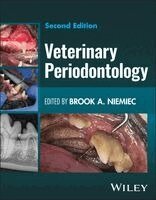
Veterinary Periodontology
1645 kr
Kommande
Beskrivning
The updated clinical reference for periodontal disease in dogs and cats Veterinary Periodontology, now in its Second Edition, delivers a clinically relevant resource spanning etiology, pathogenesis, and clinical features of this common disease. With coverage addressing both basic and advanced treatment of periodontal disease in dogs and cats, the new edition has been updated throughout with current evidence and protocols. New to this edition are improved sections on anesthesia and analgesia, local anti-infectives and bone regenerative materials, natural (holistic) therapies, coverage of cone beam computed tomography for periodontal assessment, and an entirely new chapter addressing appropriate use of antimicrobials. High-quality color photographs illustrate key concepts and techniques, and scientific data is presented in a format that emphasizes direct clinical application rather than abstract theory. The book also covers: Detailed periodontal anatomy and histology providing the foundational context necessary for accurate diagnosis and effective surgical treatment planning Step-by-step techniques for both closed and open periodontal treatment approaches applicable across varying levels of clinical experience Radiographic interpretation techniques including conventional and advanced imaging modalities for accurately staging as well as monitoring disease progression Local and systemic factors influencing periodontal disease development and progressions as well as the latest information on the severe local and systemic ramifications of periodontal diseaseNew evidence based therapeutic and preventive strategies in veterinary patients Client communication and home care strategies that support long-term periodontal health maintenance between professional dental cleaning appointments Designed to serve veterinary technicians and students as well as general practice veterinarians and veterinary dental specialists, Veterinary Periodontology provides the depth and clinical focus each group needs. Whether performing routine prophylaxis or advanced periodontal surgery, practitioners will find actionable guidance grounded in current evidence.
Produktinformation
- Utgivningsdatum: 2027-04-19
- Format: Inbunden
- Språk: Engelska
- Upplaga: 2
- Förlag: John Wiley & Sons Inc
- ISBN: 9781119982395
Utforska kategorier
Betyg & recensioner
0 recensioner
Inga recensioner tillgängliga.