• Fri frakt över 249 kr
  • •
  • Snabba leveranser
  • •
  • Billiga böcker
Kundservice

Du är på sajten för privatpersoner.

Företag, bibliotek eller offentlig verksamhet?

Du handlar på classic.bokus.com, där alla dina funktioner finns intakta.
Till classic.bokus.com
Bokus logotyp. Gå till startsidan.
  • Erbjudanden
  • Student
  • Topplistor
  • Barn & ungdom
  • Bokus Play
  • E-böcker
  • Ljudböcker
  • Pocketböcker
  • Spel och pussel

Pocketfynda! Hundratals böcker för 49 kr/st →

Sidfot

Mina sidor

    Hjälp

    • Kundservice
    • Vanliga frågor och svar
    • Frakt och leverans
    • Retur vid ångerrätt
    • Reklamera vara
    • Betalning
    • Köpvillkor
    • Allmänna villkor
    • Information om webbplatsens tillgänglighet

    Om Bokus

    • Om oss
    • Pressrum
    • För studenter
    • För företag
    • För bibliotek och offentlig verksamhet
    • För leverantörer
    • Hållbarhet

    Populärt

    • Aktuella erbjudanden
    • Presentkort
    • Studentlitteratur
    • Nya böcker
    • Topplistor
    • Signerade böcker
    • Engelska böcker

    Inspiration

    • Boktips
    • BookTok
    • Barnbokskaraktärer
    • Populära författare
    Logotyp för Bokus
    Följ oss på Facebook (extern länk)Följ oss på Instagram (extern länk)Följ oss på YouTube (extern länk)Följ oss på TikTok (extern länk)
    bokus @ CookiesAnpassa cookiesIntegritetspolicyKöpvillkor
    Till Citymail hemsida (extern länk)Till Budbee hemsida (extern länk)Till Postnord hemsida (extern länk)Till Schenker hemsida (extern länk)Till Early Bird hemsida (extern länk)Till Walleys hemsida (extern länk)
    1. Historia och arkeologi
    2. Historia
    3. Allmän historia och världshistoria

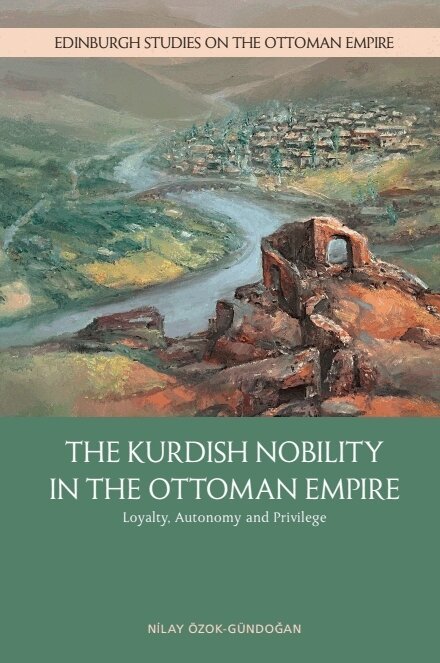
    Kurdish Nobility in the Ottoman Empire

    Loyalty, Autonomy and Privilege

    AvNilay Özok-Gündoğan

    Inbunden, Engelska, 2022

    Del i serien Edinburgh Studies on the Ottoman Empire

    1 356 kr

    Beställningsvara. Skickas inom 3-6 vardagar. Fri frakt över 249 kr.

    Fler format och utgåvor

    Häftad

    672 kr

    Beskrivning

    Studies the making and unmaking of the Ottoman Empire's Kurdish nobilityChallenges a long-standing spatial-geographical bias in Ottoman-Middle East history by bringing Kurdish and Armenian histories back into the Ottoman imperial framework Presents the first study to use the framework of hereditary nobility to examine Kurdish elite formation and its decline in the Ottoman EmpireDemonstrates the complex social, economic and political background to massacres and pogroms that targeted the Armenian population of Palu before the Armenian GenocideProvides a much-needed bottom-up historical perspective to Kurdish and Armenian historiographies Uses an array of sources that includes Ottoman, British and American archival documents and interviews conducted with the Palu beys' descendants This book narrates the rise and fall of Kurdish nobility in the Ottoman Empire from the sixteenth through to the nineteenth century. Focusing on one noble Kurdish family based in the emirate of Palu, a fortressed town in the eastern provinces of the Ottoman Empire, it provides the first systematic analysis of the hereditary nobility in Kurdistan.The book centres on the crucial moment in the 1840s during which the Ottoman state set out to abolish the hereditary privileges of the Kurdish beys, confiscating their large landholdings and setting the stage for a conflict over the fertile lands of Palu that would last nearly six decades. This tug-of-war between Armenian financiers, Armenian and Muslim sharecroppers, the Kurdish beys and the Ottoman state ended in 1895 with a series of massacres against the Armenian population of Palu. Through exhaustive archival research in an untapped body of sources, this book sheds light on the impact this conflict-filled process had on the intercommunal relations in the locality. In doing so, the author brings the voices of Armenian and Kurdish commoners to the fore and highlights the important roles that they, too, played in the local struggles and wider changes in governance.As the first study to present the dissolution of the Kurdish nobility using a social history lens, the book gets to the heart of the historical transformations that changed Palu from a diverse and economically affluent town into an ethnoreligiously homogenised, culturally conservative and economically deprived place. Peppered with vignettes and stories culled from a wide range of archival sources, the author presents a cohesive narrative of the region's socio-economic and political history between 1720 and 1895, situating developments taking place in the small province of Palu within the larger developments in the Ottoman Empire and the world at large.

    Produktinformation

    • Utgivningsdatum:2022-12-13
    • Mått:156 x 234 x 26 mm
    • Vikt:678 g
    • Format:Inbunden
    • Språk:Engelska
    • Serie:Edinburgh Studies on the Ottoman Empire
    • Antal sidor:368
    • Förlag:Edinburgh University Press
    • ISBN:9781399508612
    • Utmärkelser:Winner of Ottoman and Turkish Studies Association Book Prize 2024 (UK)

    Utforska kategorier

    • Allmän historia och världshistoria inom Historia och arkeologi

    Mer om författaren

    Nilay Özok-Gündoğan is Assistant Professor of History at Florida State University. Her publications include articles in the Journal of Social History, the International Journal of Middle East History, Comparative Studies of South Asia, Africa and the Middle East and New Perspectives on Turkey.

    Recensioner i media

    This path breaking, meticulously researched, and beautifully written study transforms how we think about the place of Kurdistan in Ottoman history. Özok-Gündoğan’s compelling account of the shifts in Ottoman governance includes and acknowledges the centrality of those actors—Kurds and Armenians—who are often left out of mainstream narratives of Ottoman history without bowing to post-imperial nationalist histories. A major contribution on so many levels, this book shakes up how we understand Ottoman nobilities, ethno-religious violence, and the making of the modern state, and should be read by specialists and non-specialists alike.

    Innehållsförteckning

    • IntroductionPart I: A Tenuous AccordChapter 1: At the Beginning: The Formation of the Kurdish-Ottoman Nobility of Palu in the Sixteenth CenturyChapter 2: Noble Privilege on the Ground, 1720s-1820sPart II: A Quasi-RiftChapter 3: The Kurdish Nobility and the Making of Modern State Power in KurdistanChapter 4: A System in Transition: Negotiating Nobility in the LocalityChapter 5: The Weşin Incident: The Spark that Burnt a Village...And the ArsonistPart III: Restructuring and ViolenceChapter 6: After Abdullah Beg: The Politics of Dividing the Kurdish Nobles' LandsChapter 7: Provincial Administration After the Palu NobilityChapter 8: The Beginning of the Endgame? The Road to the 1895 Massacres in PaluConclusion