Inbunden, Engelska, 2010
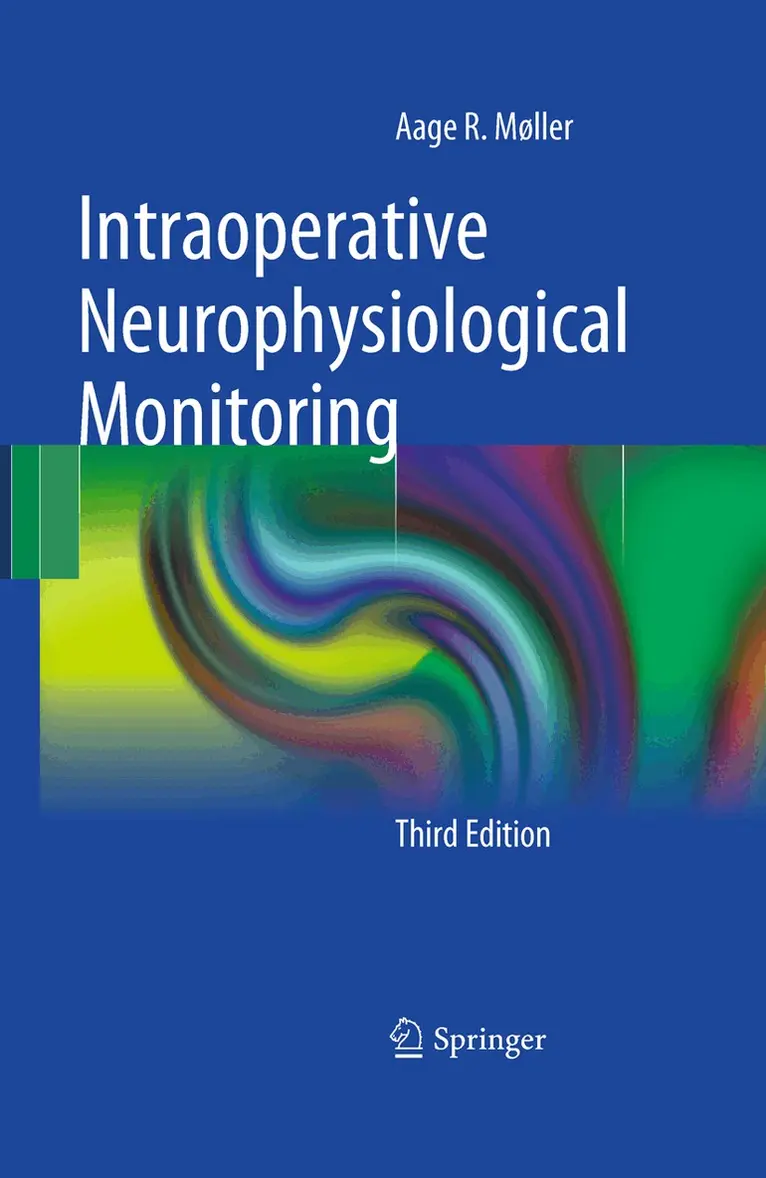
Intraoperative Neurophysiological Monitoring
2013 kr
Beställningsvara. Skickas inom 10-15 vardagar. Fri frakt över 249 kr.
Beskrivning
The third edition of this classic text again provides practical, comprehensive coverage of the anatomical and physiological basis for intraoperative neurophysiological monitoring. Written by a leading authority in the field, Dr. Aage Moller has updated this important title to again offer all the leading-edge knowledge needed to perform electrophysiological recordings in the operating room, to interpret the results, and to present the results to the surgeon. The field known as "intraoperative monitoring" has expanded rapidly to cover other uses of neurophysiology and electrophysiologic recordings during surgical operations that affect the brain, spinal cord, and other parts of the nervous system. These new areas are covered in this new edition. To better represent the content of the book and the field as it now stands, many of the chapters have been revised and new material has been added. While the general organization of the book is maintained, chapters such as monitoring of motor systems have been revised and extended with new material, including more detailed description of the anatomy and physiology of motor systems and new information about intraoperative monitoring.
Produktinformation
- Utgivningsdatum: 2010-12-10
- Mått: 178 x 254 x 29 mm
- Vikt: 1 006 g
- Format: Inbunden
- Språk: Engelska
- Antal sidor: 403
- Upplaga: 3
- Förlag: Springer-Verlag New York Inc.
- ISBN: 9781441974358
Utforska kategorier
Betyg & recensioner
0 recensioner
Inga recensioner tillgängliga.