• Fri frakt över 249 kr
  • •
  • Snabba leveranser
  • •
  • Billiga böcker
Kundservice

Du är på sajten för privatpersoner.

Företag, bibliotek eller offentlig verksamhet?

Du handlar på classic.bokus.com, där alla dina funktioner finns intakta.
Till classic.bokus.com
Bokus logotyp. Gå till startsidan.
  • Erbjudanden
  • Student
  • Topplistor
  • Barn & ungdom
  • Bokus Play
  • E-böcker
  • Ljudböcker
  • Pocketböcker
  • Spel och pussel

5% studentrabatt – använd koden KURSBOK27 →

Sidfot

Mina sidor

    Hjälp

    • Kundservice
    • Vanliga frågor och svar
    • Frakt och leverans
    • Retur vid ångerrätt
    • Reklamera vara
    • Betalning
    • Köpvillkor
    • Allmänna villkor
    • Information om webbplatsens tillgänglighet

    Om Bokus

    • Om oss
    • Pressrum
    • För studenter
    • För företag
    • För bibliotek och offentlig verksamhet
    • För leverantörer
    • Hållbarhet

    Populärt

    • Aktuella erbjudanden
    • Presentkort
    • Studentlitteratur
    • Nya böcker
    • Topplistor
    • Signerade böcker
    • Engelska böcker

    Inspiration

    • Boktips
    • BookTok
    • Barnbokskaraktärer
    • Populära författare
    Logotyp för Bokus
    Följ oss på Facebook (extern länk)Följ oss på Instagram (extern länk)Följ oss på YouTube (extern länk)Följ oss på TikTok (extern länk)
    bokus @ CookiesAnpassa cookiesIntegritetspolicyKöpvillkor
    Till Citymail hemsida (extern länk)Till Budbee hemsida (extern länk)Till Postnord hemsida (extern länk)Till Schenker hemsida (extern länk)Till Early Bird hemsida (extern länk)Till Walleys hemsida (extern länk)
    1. Ekonomi och Ledarskap
    2. Företagsekonomi
    3. Affärsetik

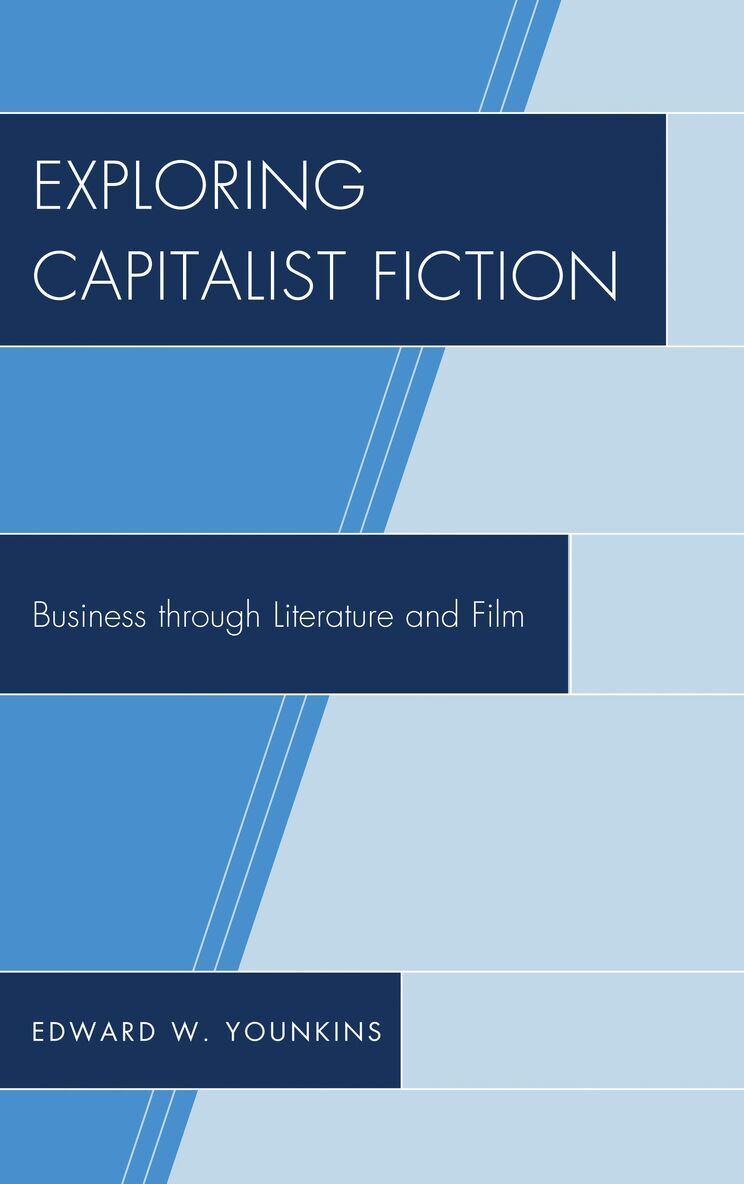
    Exploring Capitalist Fiction

    Business through Literature and Film

    AvEdward W. Younkins

    Häftad, Engelska, 2014

    802 kr

    Beställningsvara. Skickas inom 10-15 vardagar. Fri frakt över 249 kr.

    Beskrivning

    Fiction, including novels, plays, and films, can be a powerful force in educating students and employees in ways that lectures, textbooks, articles, case studies, and other traditional teaching approaches cannot. Works of fiction can address a range of issues and topics, provide detailed real-life descriptions of the organizational contexts in which workers find themselves, and tell interesting, engaging, and memorable stories that are richer and more likely to stay with the reader or viewer longer than lectures and other teaching approaches. For these reasons, Exploring Capitalist Fiction: Business through Literature and Film analyzes 25 films, novels, and plays that engage the theories, concepts, and issues most relevant to the business world. Through critical examinations of works such as Atlas Shrugged and Wall Street, Younkins shows how fiction is a powerful teaching tool to sensitize business students without business experience and to educate and train managers in real businesses.

    Produktinformation

    • Utgivningsdatum:2014-08-06
    • Mått:154 x 230 x 21 mm
    • Vikt:481 g
    • Format:Häftad
    • Språk:Engelska
    • Antal sidor:344
    • Förlag:Bloomsbury Publishing Plc
    • ISBN:9781498500722

    Utforska kategorier

    • Affärsetik inom Ekonomi och Ledarskap
    • Ekonomiska system inom Ekonomi och Ledarskap
    • Litteraturvetenskap inom Skönlitteratur

    Mer om författaren

    Edward W. Younkins is professor of accountancy and director of graduate programs in the Department of Business at Wheeling Jesuit University.

    Recensioner i media

    This richly annotated bibliography of novels, films, and plays could be read in conjunction with studying business. Arguing that these imaginative works offer insights not found in textbooks or case studies, Younkins explicates their power to represent as well as entertain. After a summary introduction, the author presents 25 brief, chronological chapters, each focusing on a separate work, beginning with William Dean Howells's The Rise of Silas Lapham (1885) and ending with Oliver Stone's film Wall Street: Money Never Sleeps (2010). In summarizing these works, Younkins emphasizes universal themes, such as amorality in Theodore Dreiser's The Financier, the American Dream in Scott Fitzgerald's The Great Gatsby, individualism in Ken Kesey's Sometimes a Great Notion, and competition in David Mamet's Glengarry Glen Ross. After a brief conclusion that again summarizes the content, the book ends with appendixes that list additional business novels, plays, and films . . . [T]his volume serves as an ideal primer for an instructor who wishes to include literature in a business course. Summing Up: Recommended. Lower- and upper-division undergraduates; faculty; general readers.

    Innehållsförteckning

    • PrefaceIntroductionChapter 1. The Rise of Silas Lapham: A Story of Self-Identity, Self-Respect, and MoralityChapter 2. Taking a Look at Edward Bellamy's Looking BackwardChapter 3. Frank Norris's The Octopus: An Epic of Wheat and RailroadsChapter 4. The Financier: Theodore Dreiser's Portrait of a Darwinian BusinessmanChapter 5. Abraham Cahan's The Rise of David LevinskyChapter 6. Babbitt: Sinclair Lewis's Portrait of a Middle-Aged Middle Class BusinessmanChapter 7. "Who is Henry M. Galt?": A Review of Garet Garrett's The DriverChapter 8. F. Scott Fitzgerald's The Great GatsbyChapter 9. An American Romance: King Vidor's Epic Film of Immigration and the American DreamChapter 10. Arthur Miller's Death of a Salesman: A Case of Self-DelusionChapter 11. John P. Marquand's Point of No ReturnChapter 12. Henry Hazlitt's Time Will Run Back: A Tale of the Reinvention of CapitalismChapter 13. Executive Suite: A Story of Corporate Success and SuccessionChapter 14. Cash McCall: The Story of a Heroic Corporate RiderChapter 15. Sloan Wilson's The Man in the Gray Flannel SuitChapter 16. Atlas Shrugged: An Epic Story of Heroic BusinessmenChapter 17. Sometimes a Great Notion: The Story of a Family Who Would Never Give an InchChapter 18. Wilfrid Sheed's Office Politics: A Lesson about Organizational ConflictChapter 19. The Franchiser: Stanley Elkin's Tale of a Man Who Wanted to Costume the CountryChapter 20. Glengarry Glen Ross: A David Mamet Word PlayChapter 21. Wall Street: Oliver Stone's Zero-Sum Vision of CapitalismChapter 22. Tucker: The Man and His DreamChapter 23. David Lodge's Nice Work: A Tale of Two CulturesChapter 24. Other People's Money: A Tale of Capitalism and Creative DestructionChapter 25: Wall Street: Money Never SleepsConclusion