• Fri frakt över 249 kr
  • •
  • Snabba leveranser
  • •
  • Billiga böcker
Kundservice

Du är på sajten för privatpersoner.

Företag, bibliotek eller offentlig verksamhet?

Du handlar på classic.bokus.com, där alla dina funktioner finns intakta.
Till classic.bokus.com
Bokus logotyp. Gå till startsidan.
  • Erbjudanden
  • Student
  • Topplistor
  • Barn & ungdom
  • Bokus Play
  • E-böcker
  • Ljudböcker
  • Pocketböcker
  • Spel och pussel

Pocketfynda! Hundratals böcker för 49 kr/st →

Sidfot

Mina sidor

    Hjälp

    • Kundservice
    • Vanliga frågor och svar
    • Frakt och leverans
    • Retur vid ångerrätt
    • Reklamera vara
    • Betalning
    • Köpvillkor
    • Allmänna villkor
    • Information om webbplatsens tillgänglighet

    Om Bokus

    • Om oss
    • Pressrum
    • För studenter
    • För företag
    • För bibliotek och offentlig verksamhet
    • För leverantörer
    • Hållbarhet

    Populärt

    • Aktuella erbjudanden
    • Presentkort
    • Studentlitteratur
    • Nya böcker
    • Topplistor
    • Signerade böcker
    • Engelska böcker

    Inspiration

    • Boktips
    • BookTok
    • Barnbokskaraktärer
    • Populära författare
    Logotyp för Bokus
    Följ oss på Facebook (extern länk)Följ oss på Instagram (extern länk)Följ oss på YouTube (extern länk)Följ oss på TikTok (extern länk)
    bokus @ CookiesAnpassa cookiesIntegritetspolicyKöpvillkor
    Till Citymail hemsida (extern länk)Till Budbee hemsida (extern länk)Till Postnord hemsida (extern länk)Till Schenker hemsida (extern länk)Till Early Bird hemsida (extern länk)Till Walleys hemsida (extern länk)
    1. Psykologi och pedagogik
    2. Psykologi

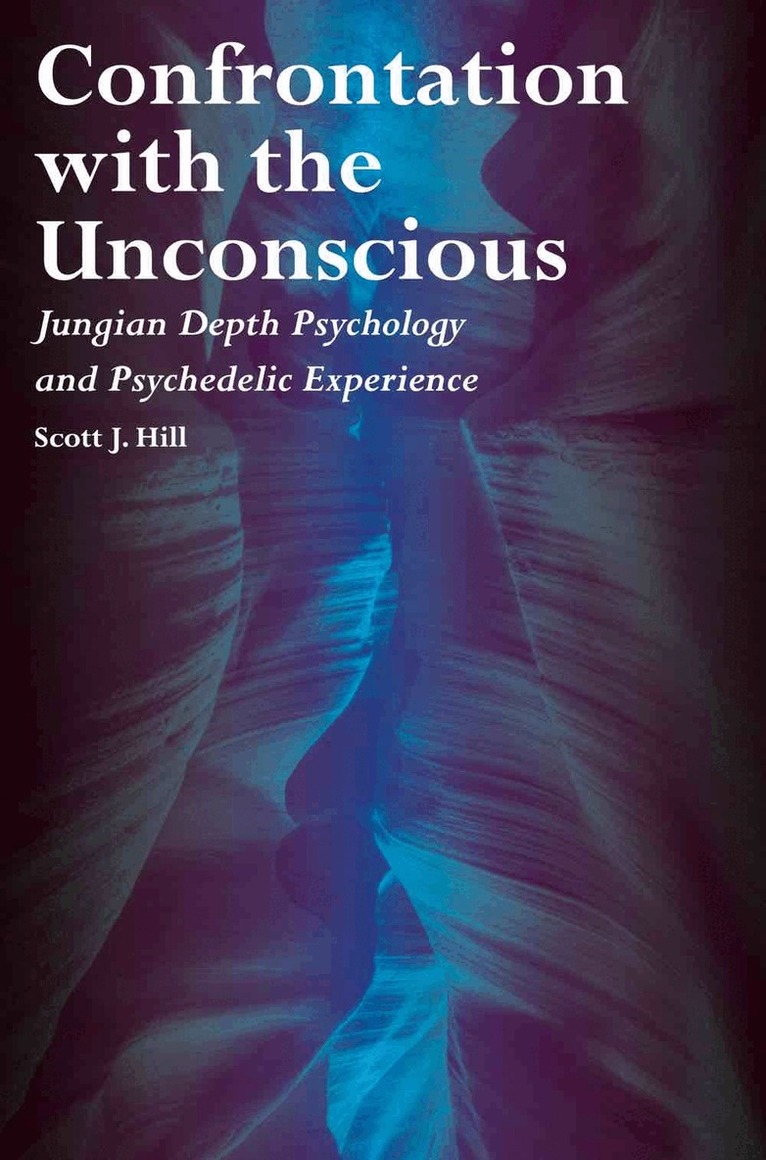
    Confrontation with the Unconscious

    Jungian Depth Psychology and Psychedelic Experience

    AvScott J. Hill

    Häftad, Engelska, 2019

    Del i serien Aeon Academic

    359 kr

    Beställningsvara. Skickas inom 5-8 vardagar. Fri frakt över 249 kr.

    Beskrivning

    An exploration of the use the of psychedelics and Jung's work on trauma, the shadow, psychosis, and psychospiritual transformation.Carl Gustav Jung pioneered the transformative potential of the deep unconscious. Psychedelic substances provide direct and powerful access to this inner world. How, then, might Jungian psychology help us to better understand the nature of psychedelic experiences? And how might psychedelics assist the movement toward psychological transformation described by Jung?Jungian depth psychology and psychedelic psychotherapy are both concerned with coming to terms with unconscious drives, complexes, and symbolic images. Unaware of significant evidence for the safe clinical use of psychedelic drugs, Jung himself remained wary of psychedelics and staunchly opposed their therapeutic use. His bias has prevented Jungians from objectively considering the benefits as well as the risks of using psychedelics for psychological healing and growth.Confrontation with the Unconscious intertwines psychedelic research, personal accounts of psychedelic experiences, and C. G. Jung's work on trauma, the shadow, psychosis, and psychospiritual transformation - including Jung's own confrontation with the unconscious - to show the relevance of Jung's penetrating insights to the work of Stanislav Grof, Ann Shulgin, Ronald Sandison, Margot Cutner, among other psychedelic and transpersonal researchers, and to demonstrate the great value of Jung's penetrating insights for understanding difficult psychedelic experiences and promoting safe and effective psychedelic exploration and psychotherapy.

    Produktinformation

    • Utgivningsdatum:2019-06-30
    • Mått:155 x 234 x 13 mm
    • Vikt:359 g
    • Format:Häftad
    • Språk:Engelska
    • Serie:Aeon Academic
    • Antal sidor:250
    • Förlag:Aeon Books Ltd
    • ISBN:9781913274023

    Utforska kategorier

    • Psykologi inom Psykologi och pedagogik

    Mer om författaren

    Scott J. Hill, Ph.D., lives in Sweden, where he conducts scholarly research on the intersection between psychedelic studies and Jungian psychology. He holds degrees in psychology from the University of Minnesota and in philosophy and religion from the California Institute of Integral Studies.

    Innehållsförteckning

    • PrefaceAcknowledgmentsPart 1: Encountering the UnconsciousChapter 1: Jung's Confrontation with the Unconscious and Its Relation to Psychedelic ExperiencePsychedelic Research and Theory: A Brief HistoryJung, Jungians, and Psychedelic ExperienceChapter 2: Psychedelic-Enhanced PsychotherapyPsycholytic and Psychedelic ModelsPsycholytic TherapyPsychedelic TherapyCommon Features and GoalsSchools of Psychedelic-Enhanced TherapyPsychoanalyticGrofianShamanicHybridAn Early Jungian Approach to Psychedelic-Enhanced PsychotherapyChapter 3: Basic Jungian Concepts and PrinciplesConsciousness and the UnconsciousThe Relationship between Consciousness and the UnconsciousIndividuationArchetypes and Their Manifestation in the PsycheDreams and Other Symbolic Products of the UnconsciousChapter 4: Jung's Explanation of Psychedelic ExperienceA Lowering of the Threshold of ConsciousnessThe Limits of IntegrationRonald Sandison's Response to Jung's CriticismPart 2: Jungian Insights into Difficult Psychedelic ExperiencesChapter 5: Psychedelic Experience and TraumaDifficult Psychedelic Experiences as Potentially TraumaticPsychedelic-Induced TraumaPsychedelic-Enhanced Therapy as Treatment for Past TraumaThe Relation of Trauma in Jungian Psychology to Psychedelic ExperienceKalsched's Model of the Psyche's Archetypal Self-Care SystemTrauma and Dissociation in Jung's PsychologyTrauma and Jung's Theory of the ComplexPossession by Complexes in Relation to Archaic Psychological DefensesThe Emergence of Trauma-Based Imagery in Psychedelic ExperienceChapter 6: Psychedelic Experience and the ShadowThe Shadow in Jung's PsychologyPersonal and Archetypal Levels of the ShadowThe Overwhelmingly Numinous Nature of the Archetypal PsycheResistance to and Projection of the ShadowThe Shadow in Psychedelic ExperienceChapter 7: Psychedelic Experience and PsychosisPsychosis and Psychotic StatesPsychedelics as Psychosis-Inducing SubstancesFrom the Psychotomimetic to the Psychedelic ParadigmThe Psychotomimetic Model ReconsideredTranspersonal Explanations of Psychedelic-Induced Psychotic StatesChapter 8: Psychosis in Jung's PsychologyJung's Focus on Schizophrenic Forms of PsychosisCommonalities between Schizophrenia and Other ConditionsNeurosis, Latent Psychosis, and Manifest PsychosisReduced Consciousness and Psychedelic-Induced Psychotic StatesAccounts of Psychedelic-Induced Psychotic StatesChapter 9: Psychedelic Experience and TransformationThe Transformative Potential of Psychedelic ExperiencesThe Transformative Potential of Psychotic StatesThe Transformative Potential of Psychedelic-Induced Psychotic StatesChapter 10: A Jungian Approach to the Transformative Potential of Difficult Psychedelic ExperiencesJung on the Healing Potential of Psychotic ExperiencesThe Painful Passage through the Shadow towards WholenessTreating Trauma: Integration Versus Abreaction in Jung's PsychologyJung's Definitions of Trauma and AbreactionGrof's View of AbreactionJung's Critique of AbreactionDrawing from Both Grof and JungThe Transformative Potential of Psychedelic-Enhanced Psychotherapy: Two Case StudiesDr. Rick Strassman's ReportDr. Margot Cutner's ReportPart 3: Jung's Psychology and Psychedelic-Enhanced PsychotherapyChapter 11: The Transcendent Function: Jung's Approach to IntegrationChapter 12: Jungian PsychotherapyThe Method and Purpose of PsychotherapyGaining Access to the UnconsciousComing to Terms with the UnconsciousThe Relationship between Analyst and PatientThe AnalystThe Dialectical RelationshipThe TransferenceDreams and Their InterpretationThe Sphere of the IrrationalThe Purpose and Value of DreamsThe Compensating Function of DreamsChapter 13: Implications for Psychedelic-Enhanced PsychotherapySubject ReadinessThe Therapist and the Dialectical RelationshipThe Compensating FunctionThe Significance of the Collective UnconsciousIntegration and the Role of Ego-ConsciousnessConclusionNotesBibliographyIndex