Häftad, Engelska, 2025
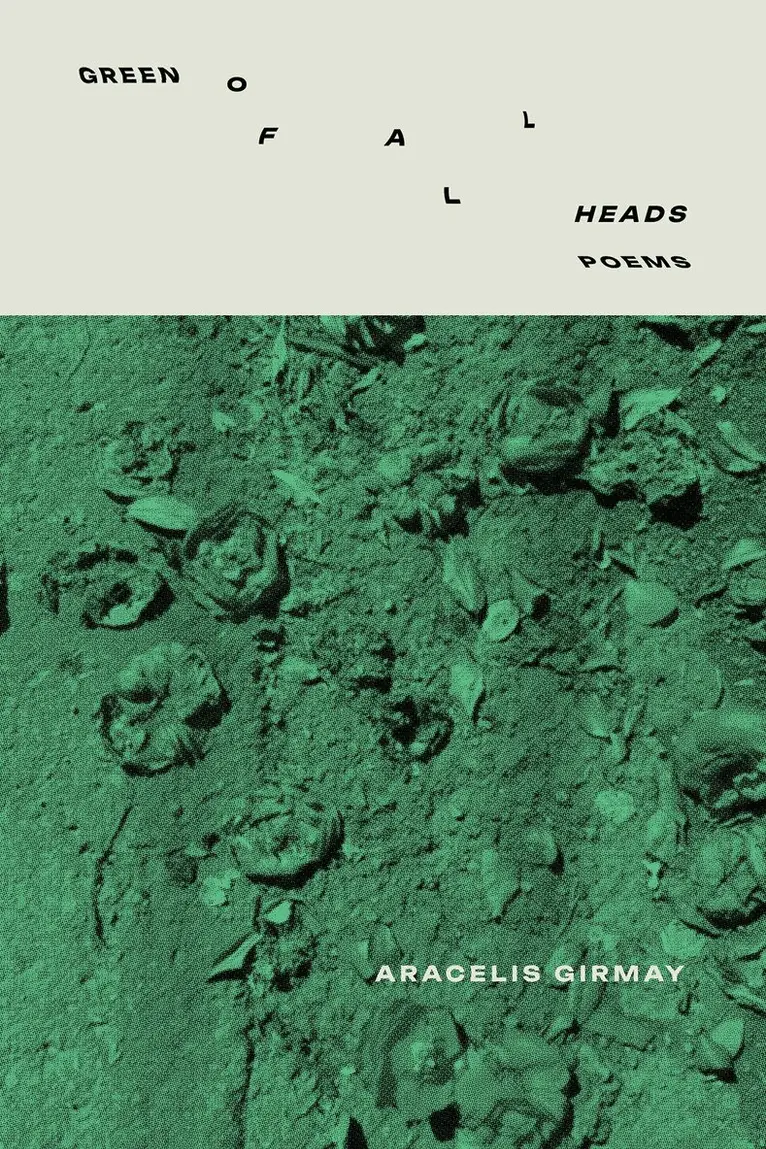
GREEN OF ALL HEADS
287 kr
Beställningsvara. Skickas inom 3-6 vardagar. Fri frakt över 249 kr.
Beskrivning
Winner of the 2026 PEN/Voelcker Award for PoetryShort-listed for the 2026 Griffin Poetry PrizeWritten over the span of a decade, GREEN OF ALL HEADS is a work of formal range and emotional urgency. In the coinciding wakes of tragic loss and new motherhood, Aracelis Girmay examines the entangled temporalities of an aging parent and newly born children. This vital work grapples with what it means to attend to life in the context of corporate industries of birth and death. In language shaped by these pressures, she turns to what is small, unruly, nationless, plural — flowers, speech — to reach toward new relational and political possibility. Away from the fixed and monumental, and toward that which is fleeting, she writes: “— i am learning to lift — my voice — like a flower — in — a field of flowers —” The result is a language broken and emboldened by love.
Produktinformation
- Utgivningsdatum: 2025-10-30
- Mått: 152 x 228 x 12 mm
- Vikt: 218 g
- Format: Häftad
- Språk: Engelska
- Antal sidor: 124
- Förlag: BOA Editions, Limited
- ISBN: 9781960145710
- Utmärkelser: Short-listed for Griffin Poetry Prize 2026 (United States)
Utforska kategorier
Betyg & recensioner
0 recensioner
Inga recensioner tillgängliga.