Häftad, Engelska, 2022
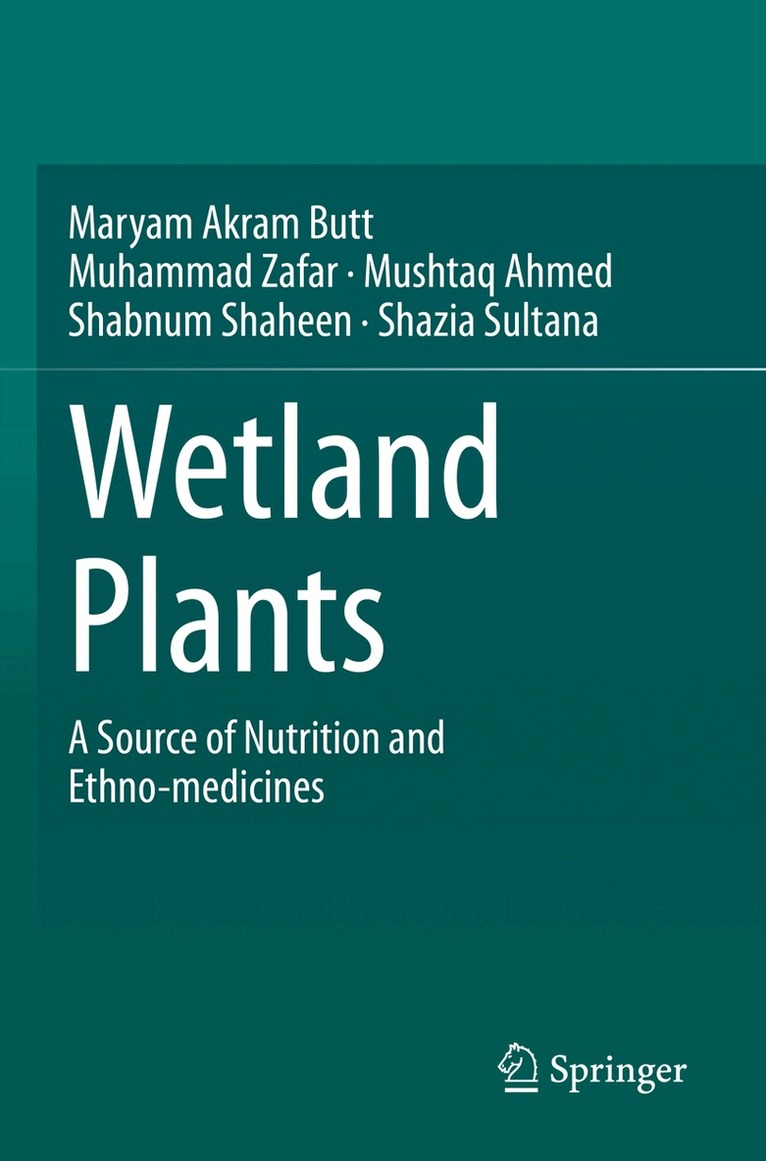
Wetland Plants
Av Maryam Akram Butt, Muhammad Zafar, Mushtaq Ahmed, Shabnum Shaheen, Shazia Sultana
1855 kr
Beställningsvara. Skickas inom 10-15 vardagar. Fri frakt över 249 kr.
Beskrivning
Due to their high nutritive value and the presence of secondary metabolites, wetland plants can be consumed by humans as food and utilized as medicinal drugs. Significant numbers of ethno-botanic resources have been reported to extract useful compounds, which can be used as pharmaceuticals. Wetland plants are also very valuable as an energy source, as fuel for fish smoking and for domestic energy. These plants can be harvested as wild stock, or cultivated in flooded paddies for aquaculture, food and for livestock fodder. All parts of plants can be utilized for foodstuff, compost, mulch, medicine, and for construction.Wetland Plants: A Source of Nutrition and Ethnomedicine aims to promote public understanding of this remarkable resource, exploring not only their role in the ecosystem but also their nutritional and medicinal purposes. Based on original research, the text focuses on species identification (with original pictures of wetland plants including morphological features), nutritive value and ethno-medicinal uses. This book serves as an important and basic reference material for further research into the basic biological as well as the applied medicinal aspects of traditional medicinal wetland plants.
Produktinformation
- Utgivningsdatum: 2022-03-17
- Mått: 155 x 235 x 15 mm
- Vikt: 400 g
- Format: Häftad
- Språk: Engelska
- Antal sidor: 228
- Förlag: Springer Nature Switzerland AG
- ISBN: 9783030692605
Utforska kategorier
Betyg & recensioner
0 recensioner
Inga recensioner tillgängliga.