Inbunden, Engelska, 2024
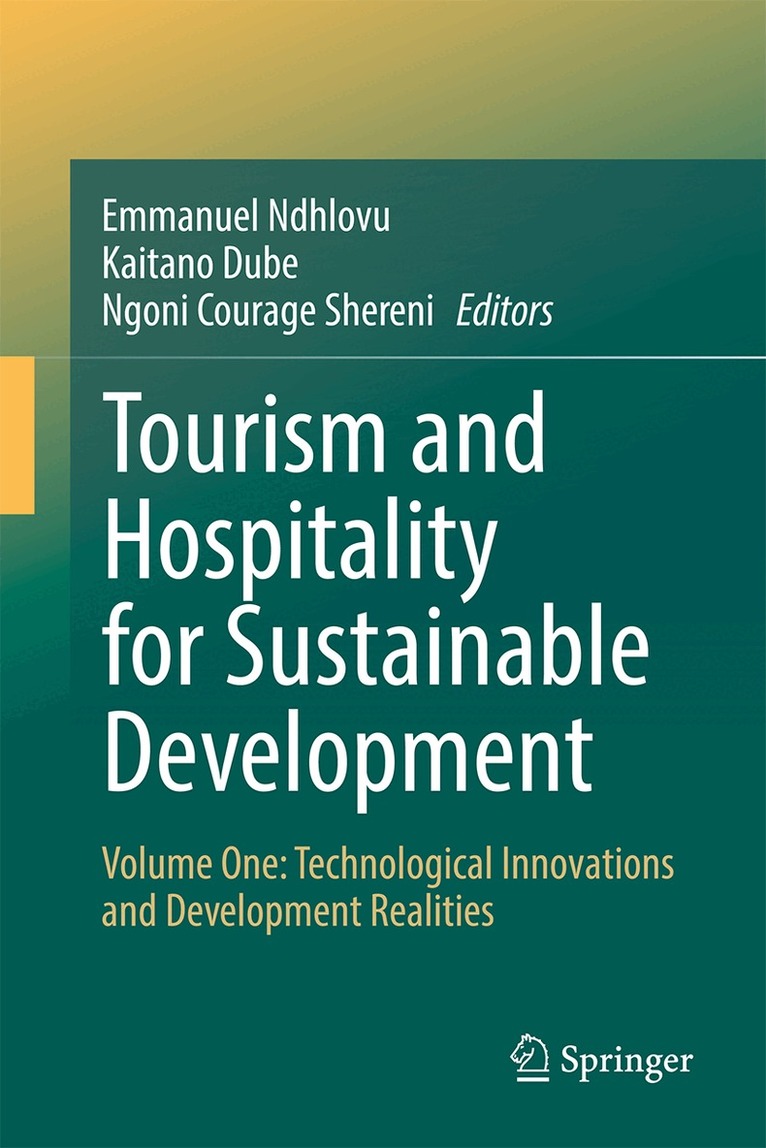
Tourism and Hospitality for Sustainable Development
Av Emmanuel Ndhlovu, Kaitano Dube, Ngoni Courage Shereni
1967 kr
Beställningsvara. Skickas inom 10-15 vardagar. Fri frakt över 249 kr.
Beskrivning
The tourism and hospitality industry in the 21st century cannot be adequately planned, executed, marketed, managed, or studied without taking into account digital technology and its impact. The Fourth Industrial Revolution provides the framework for sustainable development in this sector. Technology not only increases profitability but also enables the industry to effectively respond to pressing global sustainability challenges such as pandemics, climate change, energy crises, staffing shortages, and hyperinflation. Moreover, technology allows the industry to consider its current and future economic, social, and environmental consequences, addressing the needs of tourists, the industry, the environment, and destinations. However, implementing technology efficiently and ethically is a complex process, and the opportunities, costs, and challenges vary depending on the geopolitical and socio-economic context.The application of digitalisation and technological innovations have played a significant role in promoting universal design and reasonable accommodation for older adults and individuals with disabilities in both developed and developing countries. These advancements are crucial for the growth of accessible tourism and hospitality. This edited book aims to explore the trends, challenges, and complexities of integrating digitalisation and technology into the tourism and hospitality industry. It also examines the strategic shifts that will shape future research in this area. The book provides a comprehensive overview of the current state of research, including theoretical insights, empirical evidence, and evidence-based recommendations. It covers a range of technologies, such as blockchain, robots, artificial intelligence, virtual reality, big data, and analytics. The goal is to understand how these disruptive technologies are being used and their potential impact on various stakeholders, as well as their future possibilities and limitations.
Produktinformation
- Utgivningsdatum: 2024-09-13
- Mått: 155 x 235 x 18 mm
- Vikt: 521 g
- Format: Inbunden
- Språk: Engelska
- Antal sidor: 228
- Upplaga: 2024
- Förlag: Springer International Publishing AG
- ISBN: 9783031630682
Utforska kategorier
Betyg & recensioner
0 recensioner
Inga recensioner tillgängliga.