Inbunden, Engelska, 2027
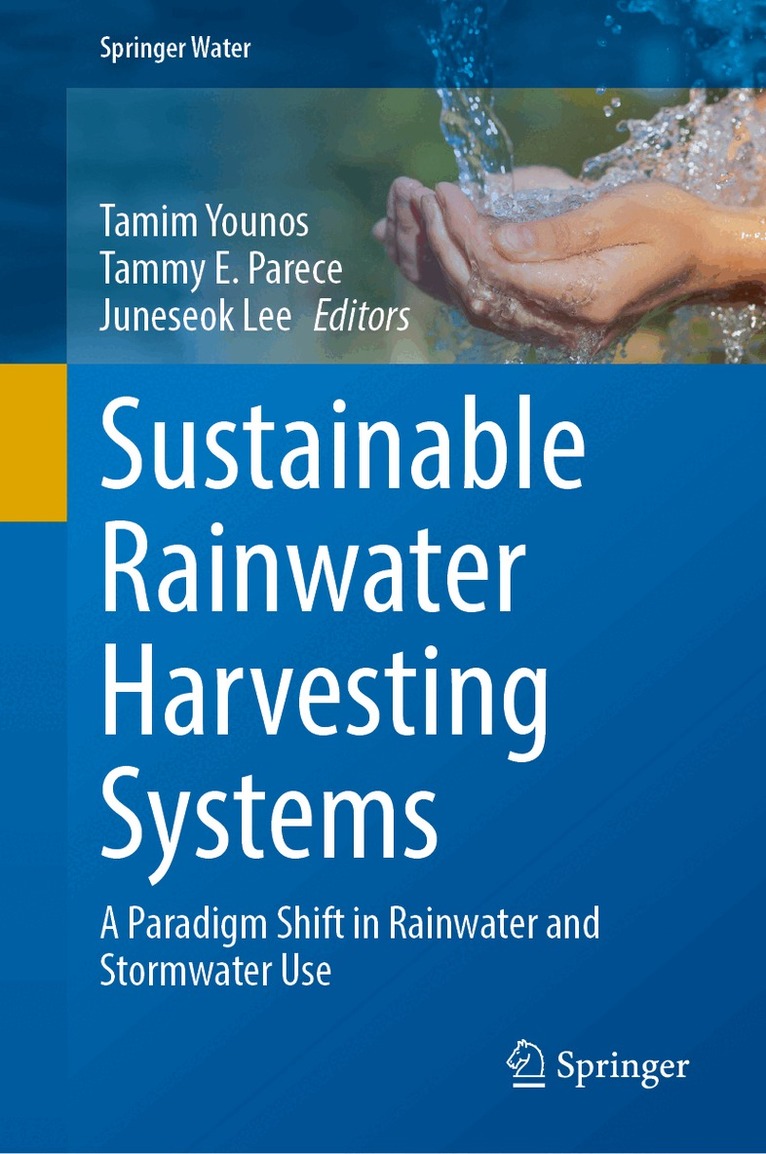
Sustainable Rainwater Harvesting Systems
Av Tamim Younos, Tammy E. Parece, Juneseok Lee
1609 kr
Kommande
Beskrivning
Rainwater harvesting, a green decentralized water-infrastructure system, is defined as rainwater and stormwater capture, storage and use for various purposes. Rainwater harvesting can meet water demand in many sectors and at different scales: residential, commercial, industrial and agricultural uses. Noted benefits of rainwater harvesting systems are water conservation, groundwater and ecosystem preservation; urban water quality improvement; stormwater reduction; flood control; drought management; and firefighting. Modern rainwater harvesting systems are considered a major component of the water and energy nexus where using locally available rainwater reduces demand on energy intensive water utilities. From a food, energy, water nexus perspective, use of locally available rainwater can meet food security requirement in urban and suburban environments. At present, rainwater harvesting is emerging as a major alternative water source to surface and groundwater resources, and a major component of decentralized water infrastructure and green water-infrastructure systems. There is a significant need to compile information on innovations and challenges of rainwater harvesting systems and identifying research needs, which are primary objectives of this book.This book will be a significant resource for researchers and graduate level teaching, and serve as a roadmap for water supply engineers and planners tackling water security and diverse water resources and water infrastructure portfolios.
Produktinformation
- Utgivningsdatum: 2027-01-28
- Mått: 155 x 235 x undefined mm
- Format: Inbunden
- Språk: Engelska
- Serie: Springer Water
- Antal sidor: 279
- Förlag: Springer Nature Switzerland AG
- ISBN: 9783032300256
Utforska kategorier
Betyg & recensioner
0 recensioner
Inga recensioner tillgängliga.