Inbunden, Engelska, 2016
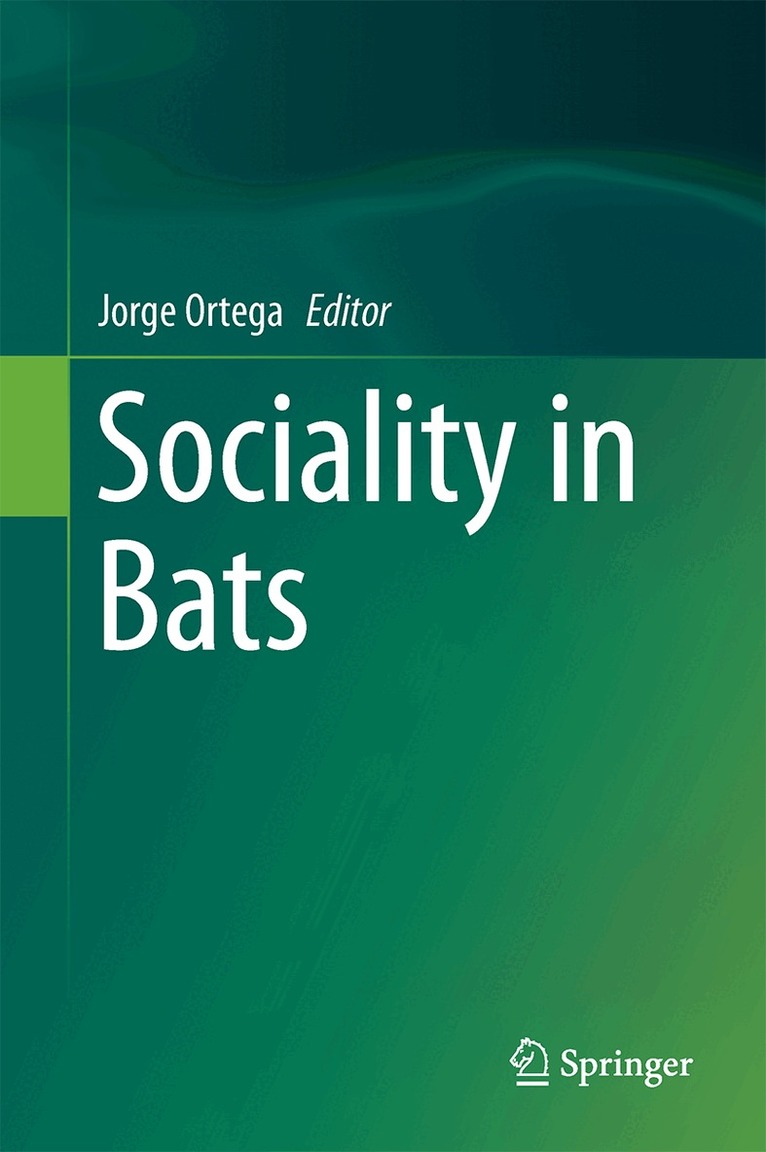
Sociality in Bats
Av Jorge Ortega
2401 kr
Beställningsvara. Skickas inom 10-15 vardagar. Fri frakt över 249 kr.
Beskrivning
This book provides new insights into the social behavior of bats - one of the most fascinating topics currently being pursued by researchers. After an introduction reviewing the history of research in bat behavioral ecology, it covers three major themes: bat sociality per se (Part I), bat communication (Part II), and ecological aspects (Part III). Part I offers a concise overview of the social organization and systems of bats, introducing readers to the complexity and dynamics of group structures. Part II is devoted to the innovative field of social communication, focusing on bat songs, dialects and calls. Part III discusses the influence of the environment on bat behavior, particularly with regard to roosting and foraging. This book addresses the needs of researchers working in behavioral sciences, evolution and ecology.
Produktinformation
- Utgivningsdatum: 2016-06-15
- Mått: 155 x 235 x 23 mm
- Vikt: 577 g
- Format: Inbunden
- Språk: Engelska
- Antal sidor: 301
- Upplaga: 16001
- Förlag: Springer International Publishing AG
- ISBN: 9783319389516
Utforska kategorier
Betyg & recensioner
0 recensioner
Inga recensioner tillgängliga.