
Arielle Zibrak - Böcker
Visar alla böcker från författaren Arielle Zibrak. Handla med fri frakt och snabb leverans.
6 produkter
6 produkter
1 808 kr
Skickas inom 10-15 vardagar
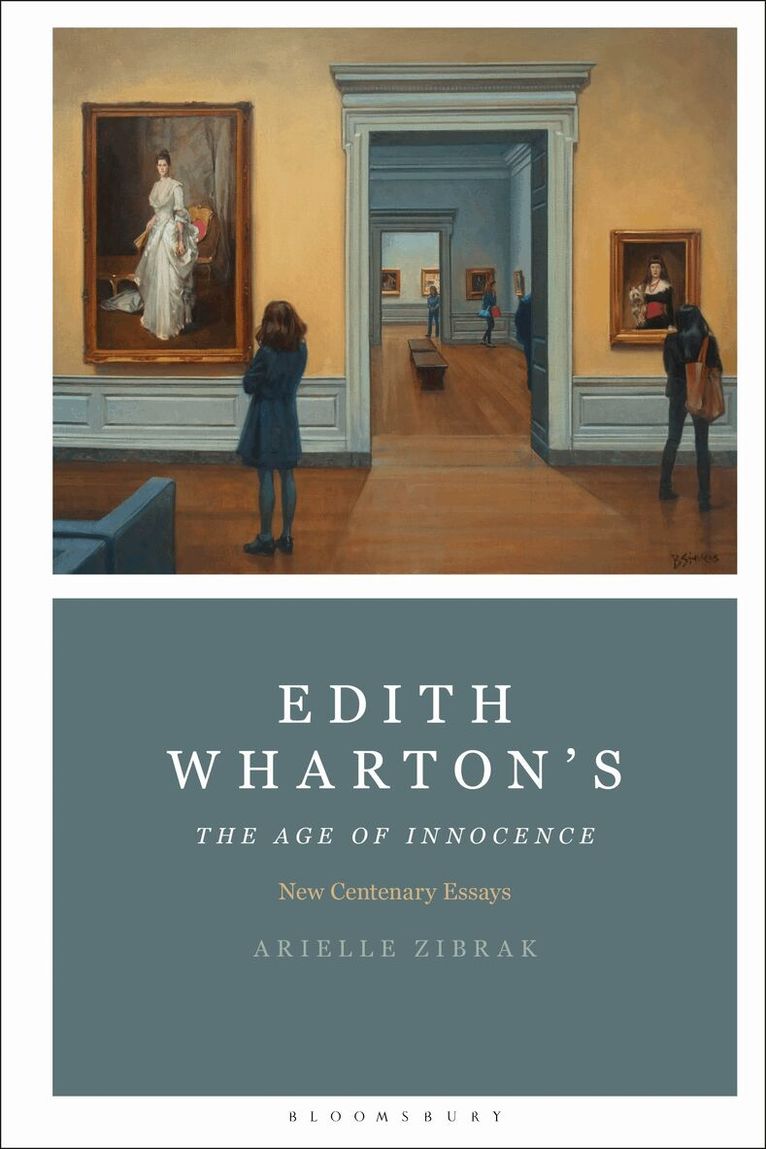
Following the publication of The Age of Innocence in 1920, Edith Wharton became the first woman to win the Pulitzer Prize. To mark 100 years since the book's first publication, Edith Wharton's The Age of Innocence: New Centenary Essays brings together leading scholars to explore cutting-edge critical approaches to Wharton's most popular novel. Re-visiting the text through a wide range of contemporary critical perspectives, this book considers theories of mind and affect, digital humanities and media studies; narrational form; innocence and scandal; and the experience of reading the novel in the late twentieth century as the child of refugees. With an introduction by editor Arielle Zibrak that connects the 1920 novel to the sociocultural climate of 2020, this collection both celebrates and offers stimulating critical insights into this landmark novel of modern American literature.
515 kr
Skickas inom 10-15 vardagar
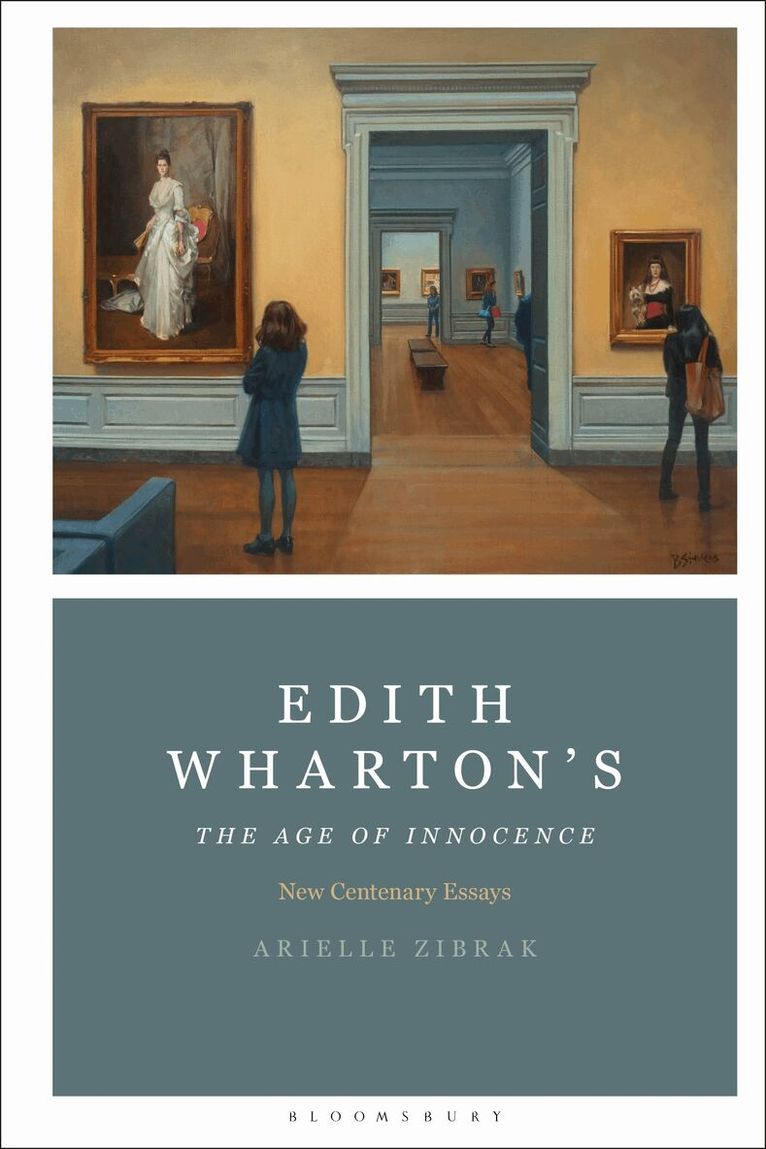
Following the publication of The Age of Innocence in 1920, Edith Wharton became the first woman to win the Pulitzer Prize. To mark 100 years since the book's first publication, Edith Wharton's The Age of Innocence: New Centenary Essays brings together leading scholars to explore cutting-edge critical approaches to Wharton's most popular novel. Re-visiting the text through a wide range of contemporary critical perspectives, this book considers theories of mind and affect, digital humanities and media studies; narrational form; innocence and scandal; and the experience of reading the novel in the late twentieth century as the child of refugees. With an introduction by editor Arielle Zibrak that connects the 1920 novel to the sociocultural climate of 2020, this collection both celebrates and offers stimulating critical insights into this landmark novel of modern American literature.
899 kr
Skickas inom 10-15 vardagar
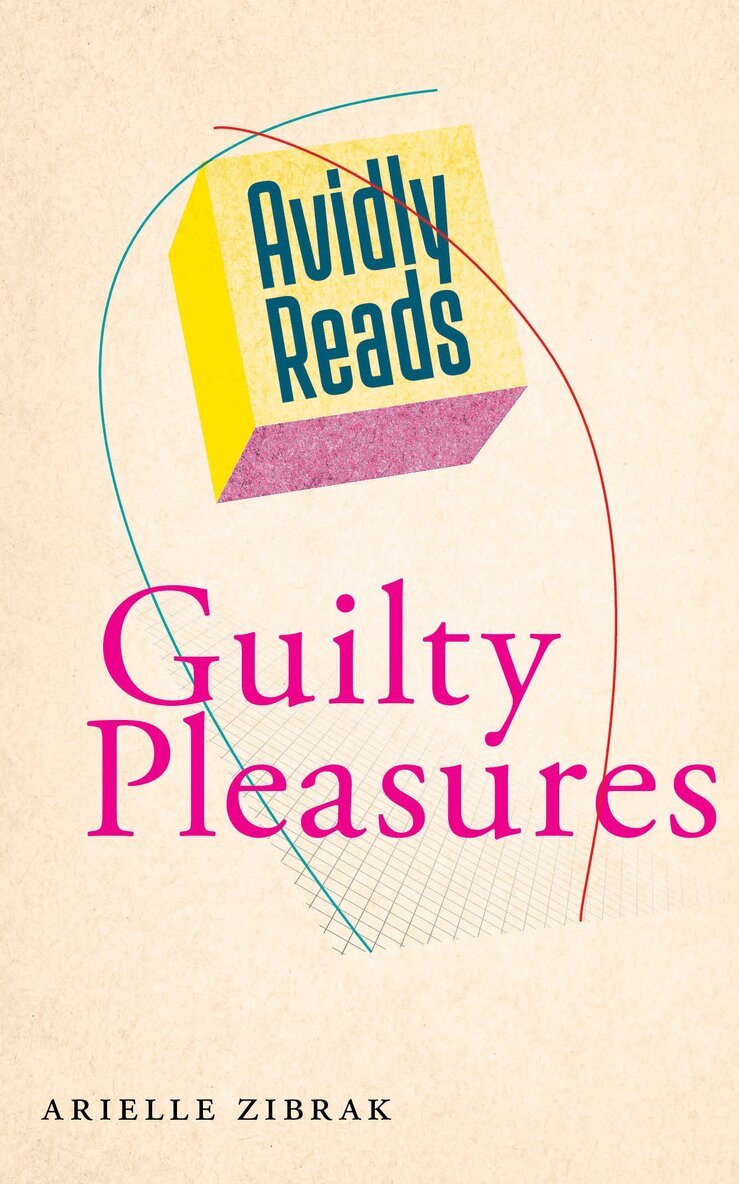
"My guilty pleasure wasn't just reading low-brow fiction or even female-authored fiction, it was being femme itself."What is it about ribald romance novels, luxurious interior design, and frothy wedding dresses that often make women feel their desires come with a shadow of shame? In Avidly Reads Guilty Pleasures, Arielle Zibrak considers the specifically pleasurable forms of feminine guilt and desire stimulated by supposedly "lowbrow" aesthetic tendencies. She takes up the overwhelming preoccupation with the experience of being humiliated, dominated, or even abused that has pervaded the stories that make up women's culture—from eighteenth-century epistolary novels to popular twentieth-century teen magazine features to present-day romantic comedies.In three chapters—"Rough Sex," "Expensive Sheets," and "Saying Yes to the Dress"—that mirror the plot structures of feminine fictions themselves, this book tells the story of the desires that only the guiltiest of pleasures evoke. Zibrak reexamines documents of femme culture long dismissed as "trash" to reveal the surprisingly cathartic experiences produced by tales of domination, privilege, and the material trappings of the heteropatriarchy.Part of the Avidly Reads series, this slim book gives us a new way of looking at American culture. With the singular blend of personal reflection and cultural criticism featured in the series, Avidly Reads Guilty Pleasures reclaims women's experiences for themselves.
178 kr
Skickas inom 7-10 vardagar
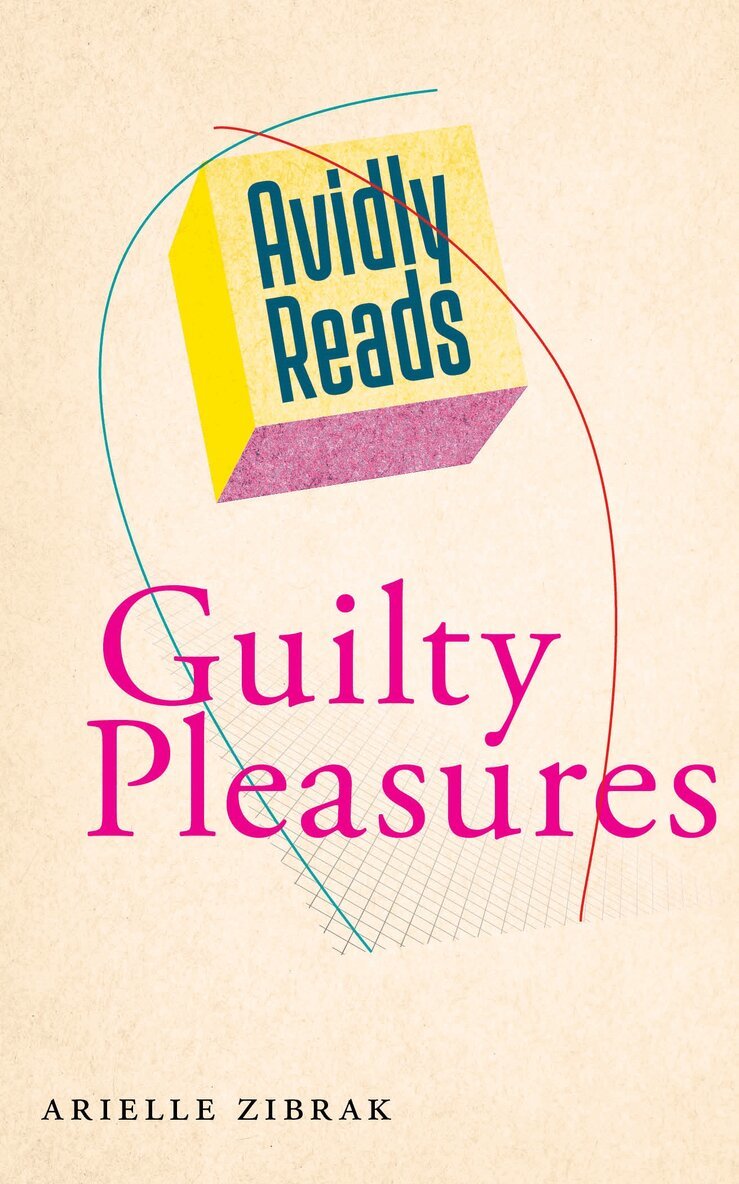
"My guilty pleasure wasn't just reading low-brow fiction or even female-authored fiction, it was being femme itself."What is it about ribald romance novels, luxurious interior design, and frothy wedding dresses that often make women feel their desires come with a shadow of shame? In Avidly Reads Guilty Pleasures, Arielle Zibrak considers the specifically pleasurable forms of feminine guilt and desire stimulated by supposedly "lowbrow" aesthetic tendencies. She takes up the overwhelming preoccupation with the experience of being humiliated, dominated, or even abused that has pervaded the stories that make up women's culture—from eighteenth-century epistolary novels to popular twentieth-century teen magazine features to present-day romantic comedies.In three chapters—"Rough Sex," "Expensive Sheets," and "Saying Yes to the Dress"—that mirror the plot structures of feminine fictions themselves, this book tells the story of the desires that only the guiltiest of pleasures evoke. Zibrak reexamines documents of femme culture long dismissed as "trash" to reveal the surprisingly cathartic experiences produced by tales of domination, privilege, and the material trappings of the heteropatriarchy.Part of the Avidly Reads series, this slim book gives us a new way of looking at American culture. With the singular blend of personal reflection and cultural criticism featured in the series, Avidly Reads Guilty Pleasures reclaims women's experiences for themselves.
385 kr
Skickas inom 7-10 vardagar
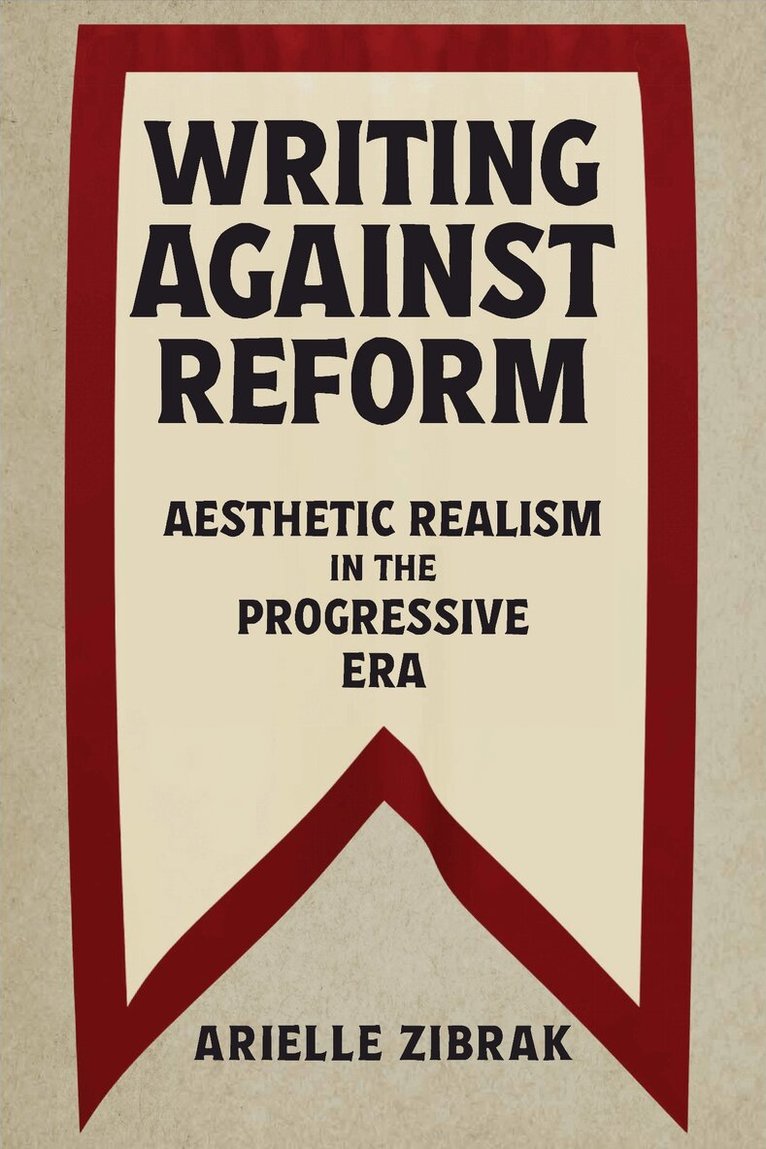
Throughout the Progressive Era, reform literature became a central feature of the American literary landscape. Works like Upton Sinclair’s The Jungle, Charlotte Perkins Gilman’s “The Yellow Wall-Paper,” and Jacob Riis’s How the Other Half Lives topped bestseller lists and jolted middle-class readers into action. While realism and social reform have a long-established relationship, prominent writers of the period such as Henry James, Edith Wharton, James Weldon Johnson, Rebecca Harding Davis, and Kate Chopin resisted explicit political rhetoric in their own works and critiqued reform aesthetics, which too often rang hollow. Arielle Zibrak reveals that while these writers were often seen as indifferent to the political currents of their time, they actively engaged in reform work in their private lives. Examining the critique of reform aesthetics within the tradition of American realist literature of the late nineteenth and early twentieth centuries, Writing against Reform promises to change the way we think about the fiction of this period and many of America’s leading writers.
1 200 kr
Skickas inom 7-10 vardagar
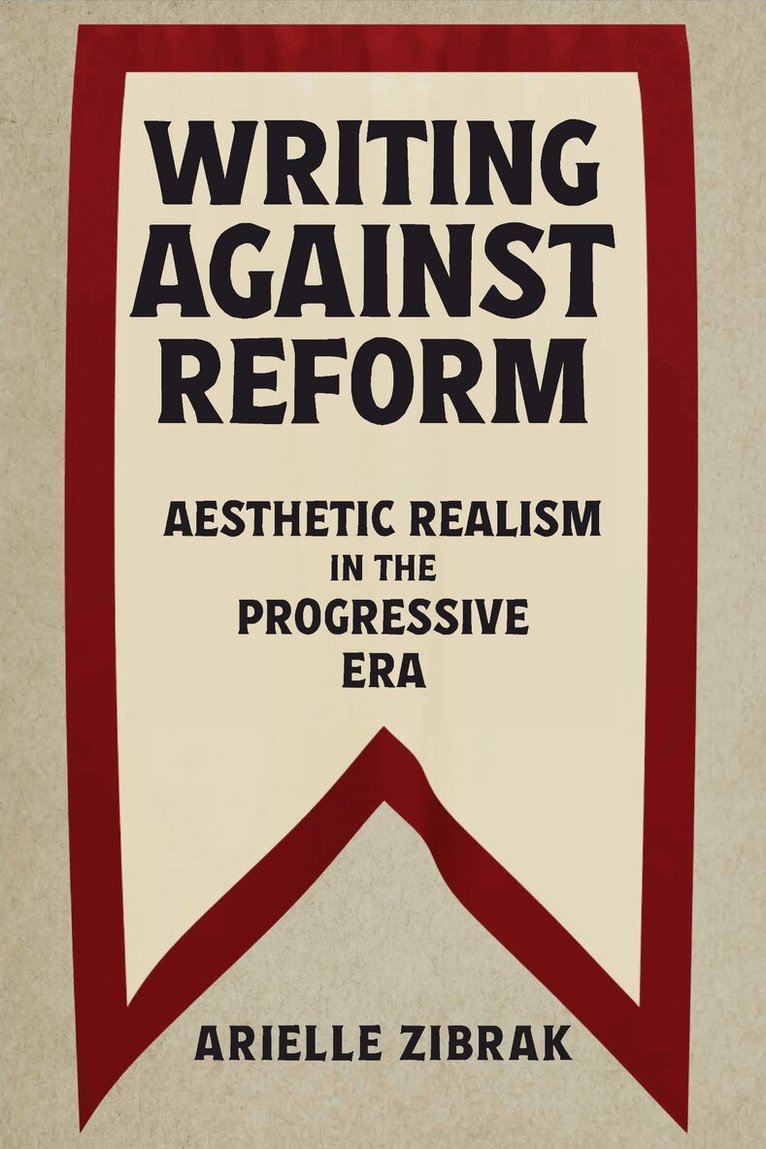
Throughout the Progressive Era, reform literature became a central feature of the American literary landscape. Works like Upton Sinclair’s The Jungle, Charlotte Perkins Gilman’s “The Yellow Wall-Paper,” and Jacob Riis’s How the Other Half Lives topped bestseller lists and jolted middle-class readers into action. While realism and social reform have a long-established relationship, prominent writers of the period such as Henry James, Edith Wharton, James Weldon Johnson, Rebecca Harding Davis, and Kate Chopin resisted explicit political rhetoric in their own works and critiqued reform aesthetics, which too often rang hollow. Arielle Zibrak reveals that while these writers were often seen as indifferent to the political currents of their time, they actively engaged in reform work in their private lives. Examining the critique of reform aesthetics within the tradition of American realist literature of the late nineteenth and early twentieth centuries, Writing against Reform promises to change the way we think about the fiction of this period and many of America’s leading writers.