
Bert Dicou - Böcker
Visar alla böcker från författaren Bert Dicou. Handla med fri frakt och snabb leverans.
2 produkter
2 produkter
363 kr
Skickas inom 5-8 vardagar
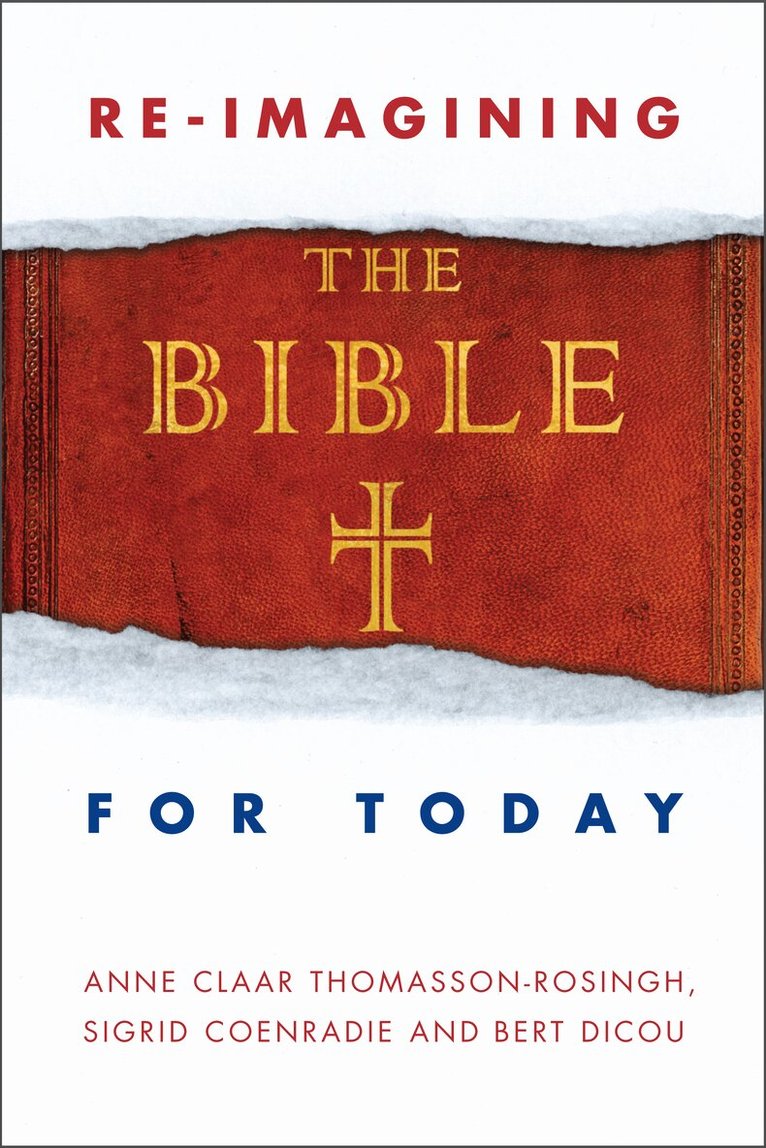
The early 21st century has seen an unexpected rise of new or rediscovered ways of reading the Bible, both in academic circles and in churches, with surprising results. These ancient texts appear to have a message that resonates with discussions in society at large. This textbook seeks to reclaim the Bible for a Christianity that is open to society and keen on participating in conversation about today's major issues; a Christianity that is relevant to the personal spirituality of people who aren't too sure what to believe and how to exercise faith.Table of Contents:1. Re-imagining the Bible2. Sacrifice3 VulnerabilityInterlude: Bible, Literature and Film4. The Planet5. Economy6. Ruth7. Re-imagining the Bible: Reading the Bible in the Context of Present-Day Life
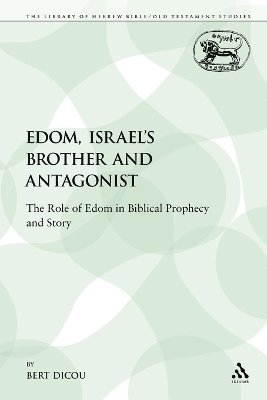
Edom, Israel's Brother and Antagonist
The Role of Edom in Biblical Prophecy and Story
Häftad, Engelska, 2009
572 kr
Skickas inom 5-8 vardagar
The subject of the present book is the theme of Edom in the Old Testament. In the four long oracles against Edom (Isa. 34, Jer. 49.7-22, Ezek. 35, Obadiah), this nation serves as Israel's antagonist and the representative of the enemy nations. Edom also appears in the book of Genesis: Jacob's brother Esau is the patriarch of the Edomites and Esau himself is called Edom as well (Gen. 25-36). Although there is no such negative estimation of Edom as in the prophecies, here too Edom represents the nations, and serves as Israel's opponent. This study discusses the origin and development of Edom's exceptional role. It extensively analyses the connections between Obadiah (the only one of the four major oracles in which, like in Genesis, Edom is called Israel's brother), the other oracles, and Genesis. It sketches the literary history of these texts and discusses the possible historical background of the conceptions they share. Can the similarities in Edom's role be explained by assuming the same historical background for the two sets of texts? If so, why do the major oracles against Edom present an extremely negative, and the Jacob-Esau stories a relatively positive picture of Edom?