
Chip Colwell-Chanthaphonh – författare
Visar alla böcker från författaren Chip Colwell-Chanthaphonh. Handla med fri frakt och snabb leverans.
7 produkter
7 produkter
1 403 kr
Tillfälligt slut
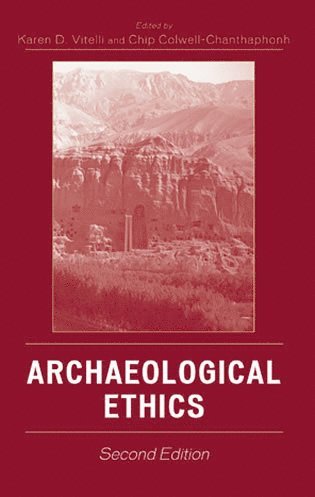
The second edition of Archaeological Ethics is an invitation to an ongoing and lively discussion on ethics. In addition to topics such as looting, reburial and repatriation, relations with native peoples, and professional conduct, Vitelli and Colwell-Chanthaphonh have responded to current events and news stories. Twenty-one new articles expand this ongoing discussion into the realm of intellectual property, public outreach, archaeotourism, academic freedom, archaeological concerns in times of war, and conflicting values. These compelling articles, from Archaeology Magazine, American Archaeology, and Expedition are written for a general audience and provide a fascinating introduction to the issues faced every day in archaeological practice. The article summaries, discussion and research questions, and suggestions for further reading_particularly helpful given the vast increase in related literature over the last decade_serve as excellent teaching aids and make this volume ideal for classroom use.
1 419 kr
Tillfälligt slut
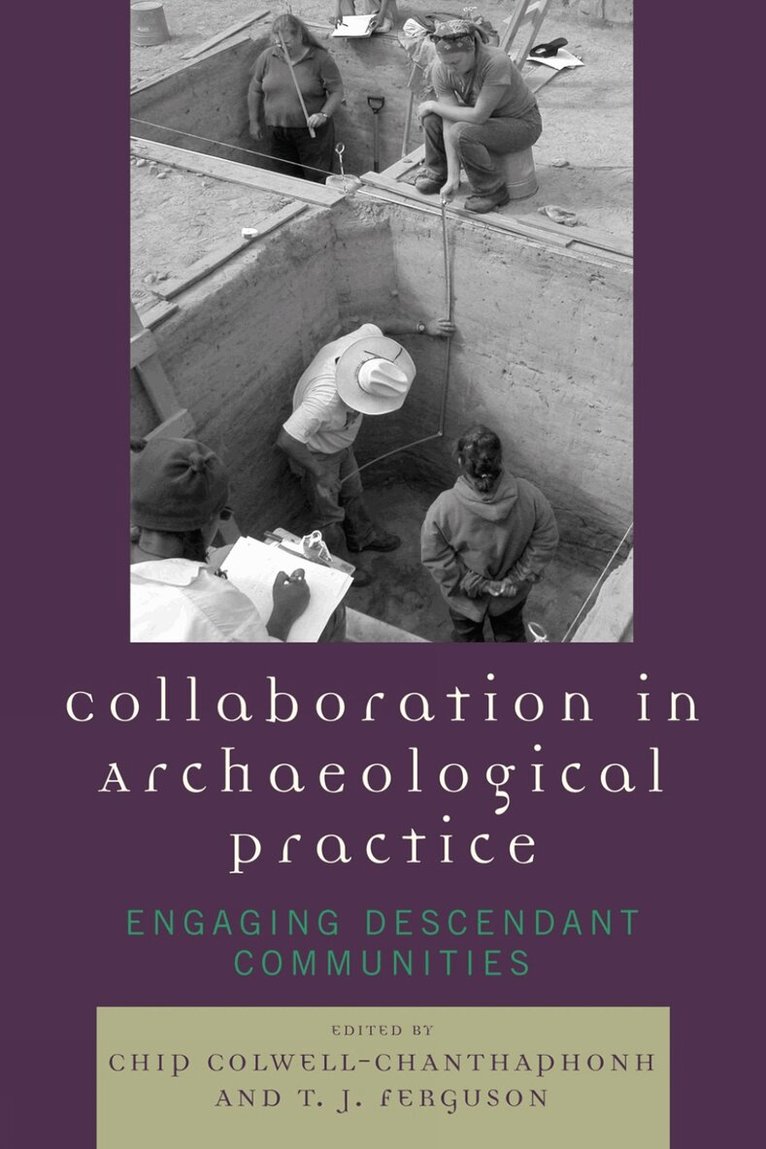
In Collaboration in Archaeological Practice, prominent archaeologists reflect on their experiences collaborating with descendant communities (peoples whose ancestors are the subject of archaeological research). They offer philosophical and practical advice on how to improve the practice of archaeology by actively involving native peoples and other interested groups in research.
764 kr
Skickas inom 10-15 vardagar
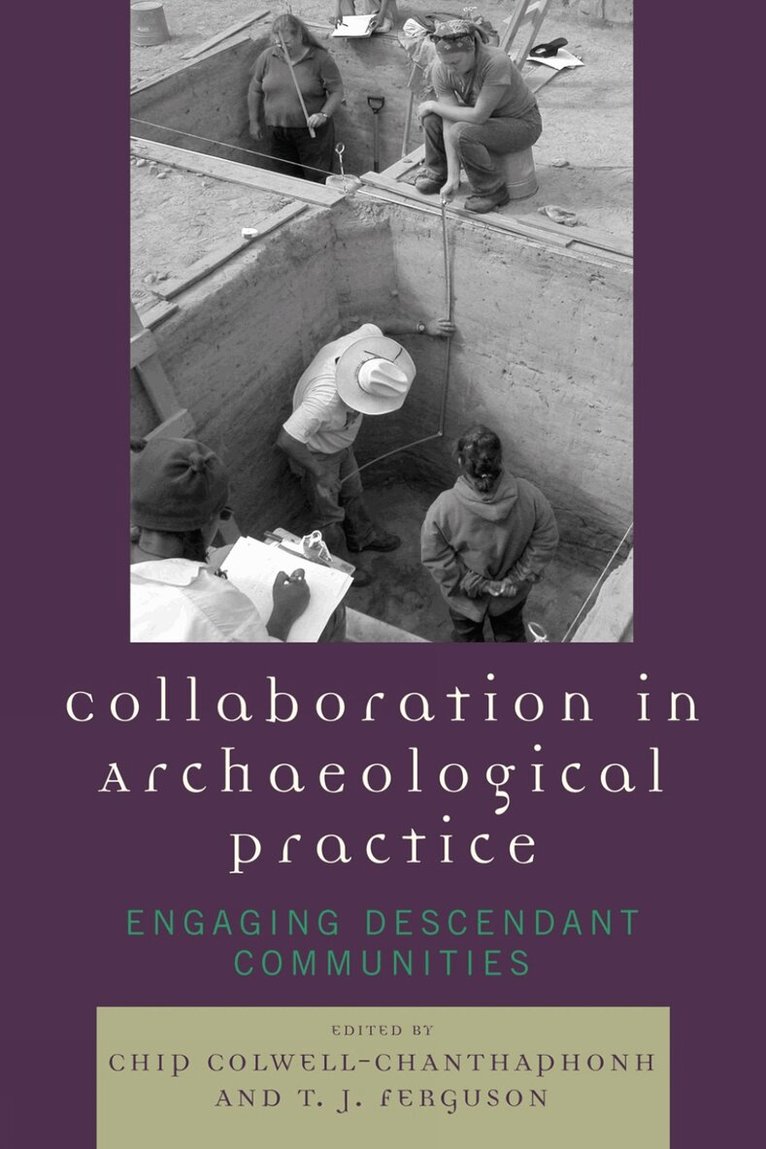
In Collaboration in Archaeological Practice, prominent archaeologists reflect on their experiences collaborating with descendant communities (peoples whose ancestors are the subject of archaeological research). They offer philosophical and practical advice on how to improve the practice of archaeology by actively involving native peoples and other interested groups in research.
1 383 kr
Skickas inom 10-15 vardagar
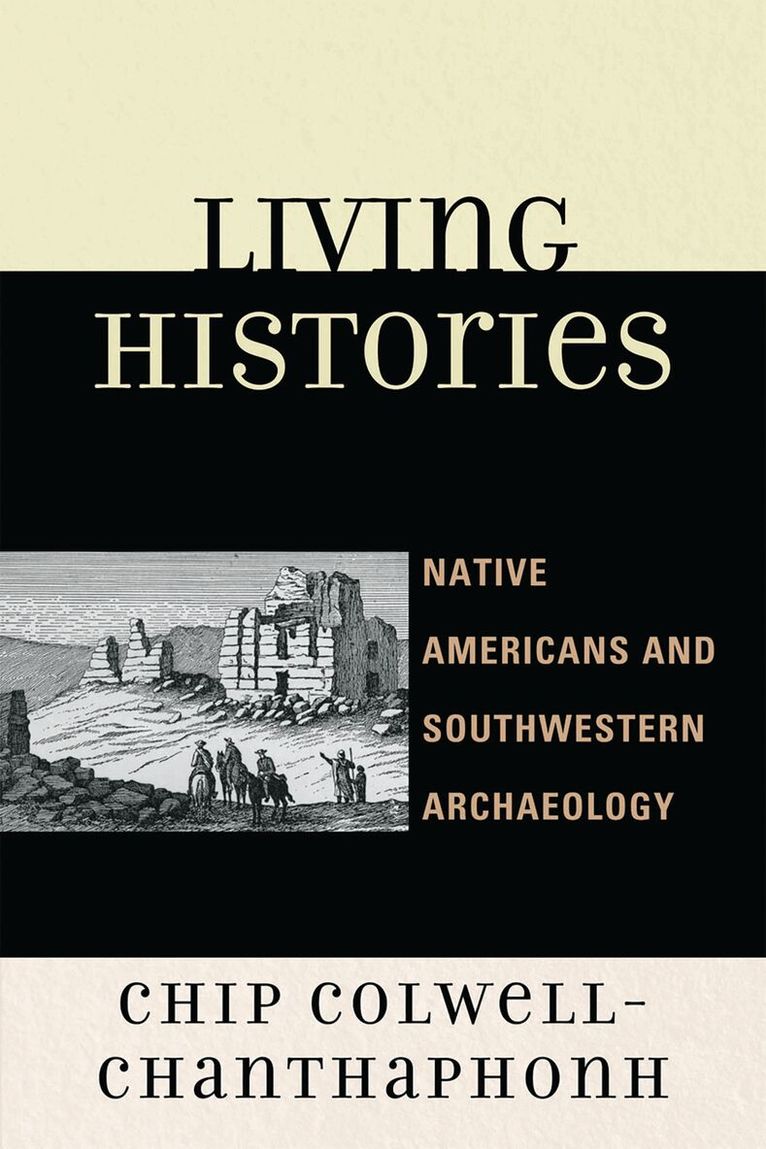
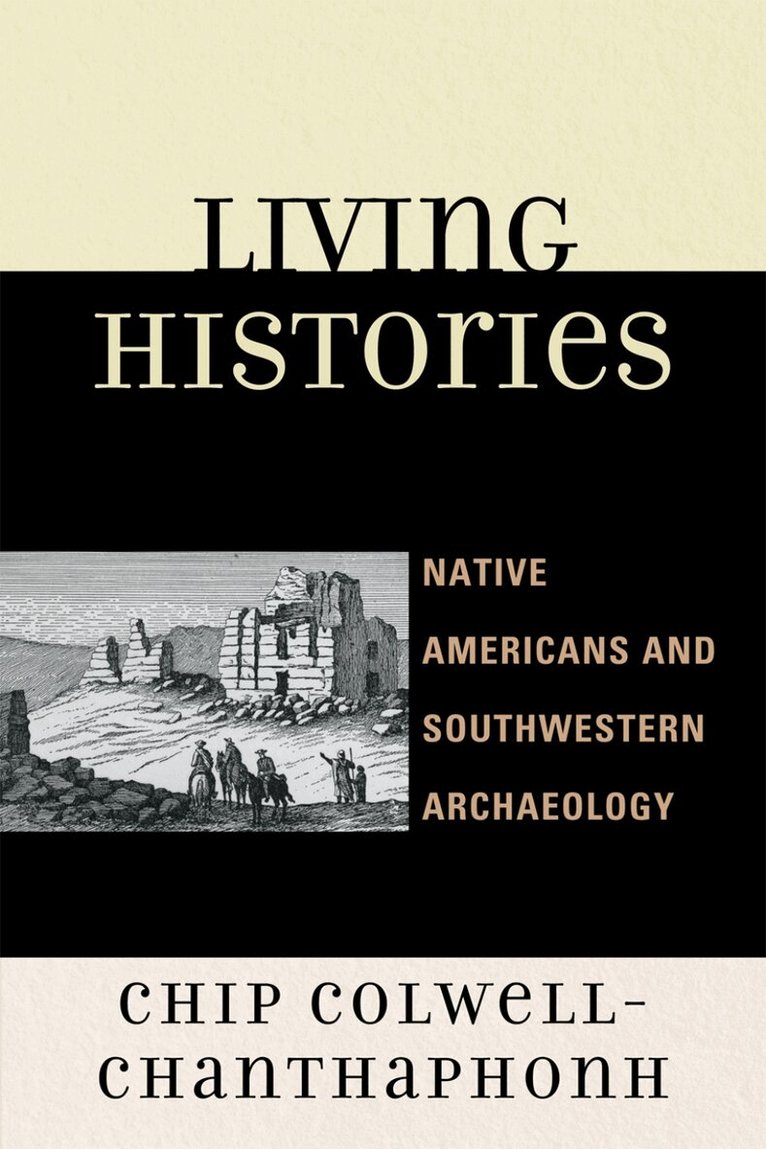
This book is about the tangled relationship between Native peoples and archaeologists in the American Southwest. Even as this relationship has become increasingly significant for both "real world" archaeological practice and studies in the history of anthropology, no other single book has synthetically examined how Native Americans have shaped archaeological practice in the Southwest and how archaeological practice has shaped Native American communities. From oral traditions to repatriations to disputes over sacred sites, the next generation of archaeologists (as much as the current generation) needs to grapple with the complex social and political history of the Southwest's Indigenous communities, the values and interests those communities have in their own cultural legacies, and how archaeological science has impacted and continues to impact Indian country.
585 kr
Skickas inom 10-15 vardagar
This book is about the tangled relationship between Native peoples and archaeologists in the American Southwest. Even as this relationship has become increasingly significant for both "real world" archaeological practice and studies in the history of anthropology, no other single book has synthetically examined how Native Americans have shaped archaeological practice in the Southwest and how archaeological practice has shaped Native American communities. From oral traditions to repatriations to disputes over sacred sites, the next generation of archaeologists (as much as the current generation) needs to grapple with the complex social and political history of the Southwest's Indigenous communities, the values and interests those communities have in their own cultural legacies, and how archaeological science has impacted and continues to impact Indian country.
343 kr
Skickas inom 7-10 vardagar
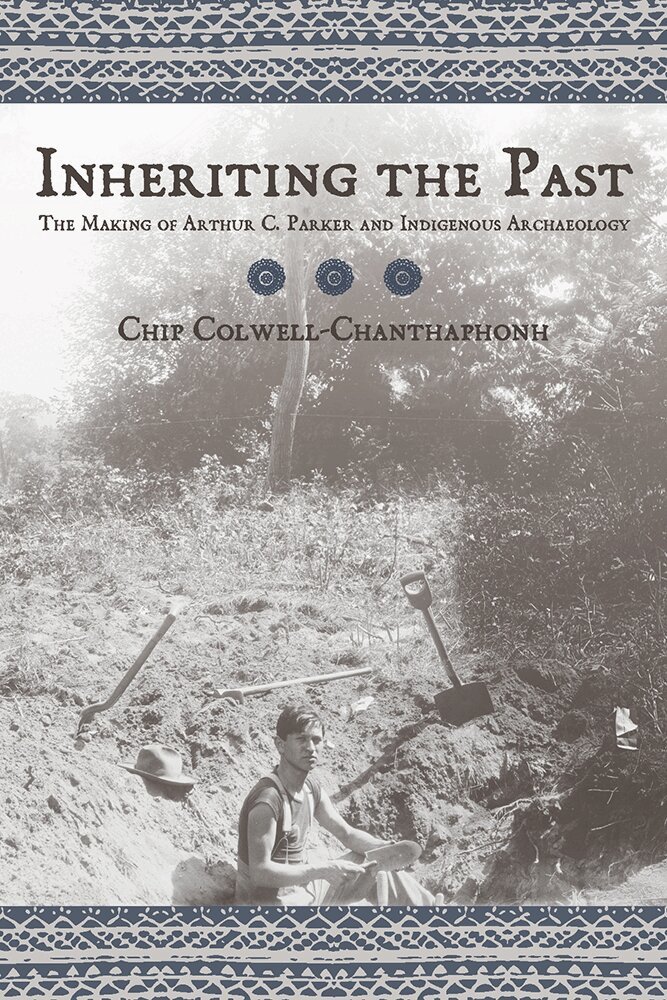
In recent years, archaeologists and Native American communities have struggled to find common ground even though more than a century ago a man of Seneca descent raised on New York's Cattaraugus Reservation, Arthur C. Parker, joined the ranks of professional archaeology. Until now, Parker's life and legacy as the first Native American archaeologist have been neither closely studied nor widely recognized. At a time when heated debates about the control of Native American heritage have come to dominate archaeology, Parker's experiences form a singular lens to view the field's tangled history and current predicaments with Indigenous peoples. In Inheriting the Past, Chip Colwell-Chanthaphonh examines Parker's winding career path and asks why it has taken generations for Native peoples to follow in his footsteps. Closely tracing Parker's life through extensive archival research, Colwell-Chanthaphonh explores how Parker crafted a professional identity and negotiated dilemmas arising from questions of privilege, ownership, authorship, and public participation.How Parker, as well as the discipline more broadly, chose to address the conflict between Native American rights and the pursuit of scientific discovery ultimately helped form archaeology's moral community. Parker's rise in archaeology just as the field was taking shape demonstrates that Native Americans could have found a place in the scholarly pursuit of the past years ago and altered its trajectory. Instead, it has taken more than a century to articulate the promise of an Indigenous archaeology, n archaeological practice carried out by, for, and with Native peoples. As the current generation of researchers explores new possibilities of inclusiveness, Parker's struggles and successes serve as a singular reference point to reflect on archaeology's history and its future.
381 kr
Skickas inom 5-8 vardagar