
Deborah Lynn Porter - Böcker
Visar alla böcker från författaren Deborah Lynn Porter. Handla med fri frakt och snabb leverans.
5 produkter
5 produkter
598 kr
Skickas inom 10-15 vardagar
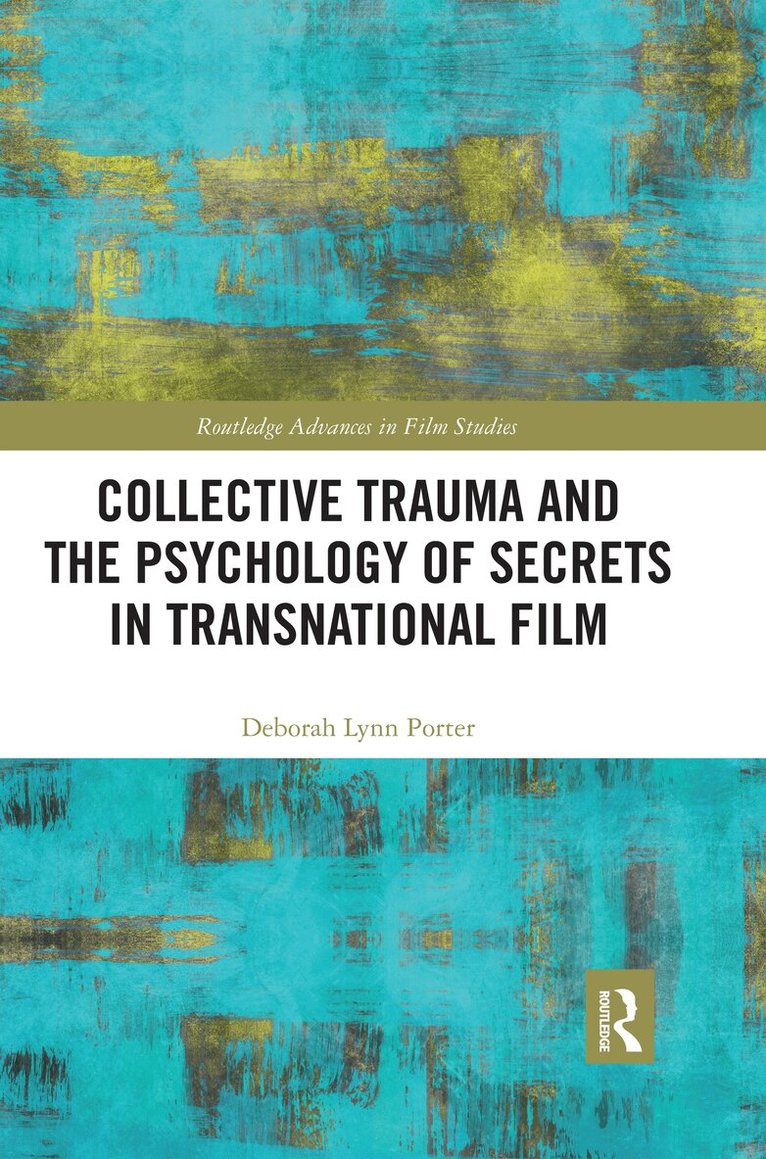
Collective Trauma and the Psychology of Secrets in Transnational Film advances a methodological line of inquiry based on a fresh insight into the ways in which cinematic meaning is generated and can be ascertained. Premised on a critical reading strategy informed by a metapsychology of secrets, the book features analyses of internationally acclaimed films—Guillermo del Torro’s Pan’s Labyrinth, Andrey Zvyagintsev’s The Return, Jee-woon Kim’s A Tale of Two Sisters, and Alejandro Amenábar’s The Others. It demonstrates how a rethinking of the figure of the secret in national film yields a new vantage point for examining heretofore unrecognized connections between collective historical experience, cinematic production and a transnational aesthetic of concealment and hiding.
440 kr
Tillfälligt slut
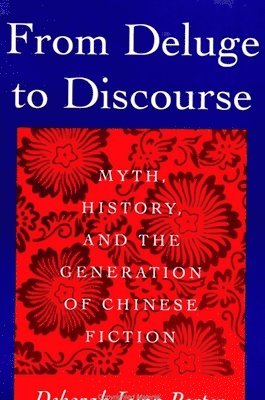
Proposes a sweeping theory of flood myths, applies it to a particular text, the Mu T'ien-tzu chuan, and opens up the world of Chinese fiction to an entirely new type of analysis based on a psychoanalytic theory of the symbol.Starting with a reevaluation of the critical scholarship done on the Chinese text, the Mu T'ien-tzu chuan, the author challenges the view of the text as a product of historical composition. Porter then argues that the discursive structures of flood myths, elements of which appear in the Mu T'ien-tzu chuan, have their origins in an attempt to mediate linguistically the frightening consequences of the falsification of cosmological truths.The heuristic potential of the psychoanalytical theory of the symbol is used to explain the specific cosmogonic intentions underlying the genesis of myth, as well as broader manifestations of historical, social, and cultural behavior, most particularly literary works like the Mu T'ien-tzu chuan. The author explains how mythic symbols invested with cosmogonic and regenerative significance are appropriated in the literary resolution of a socio-political trauma analogous to those mediated by flood myths. Finally, she argues that not simply the Mu T'ien-tzu chuan but Chinese fictional discourse in general is most appropriately understood as a wholly symbolic form.
2 044 kr
Skickas inom 10-15 vardagar
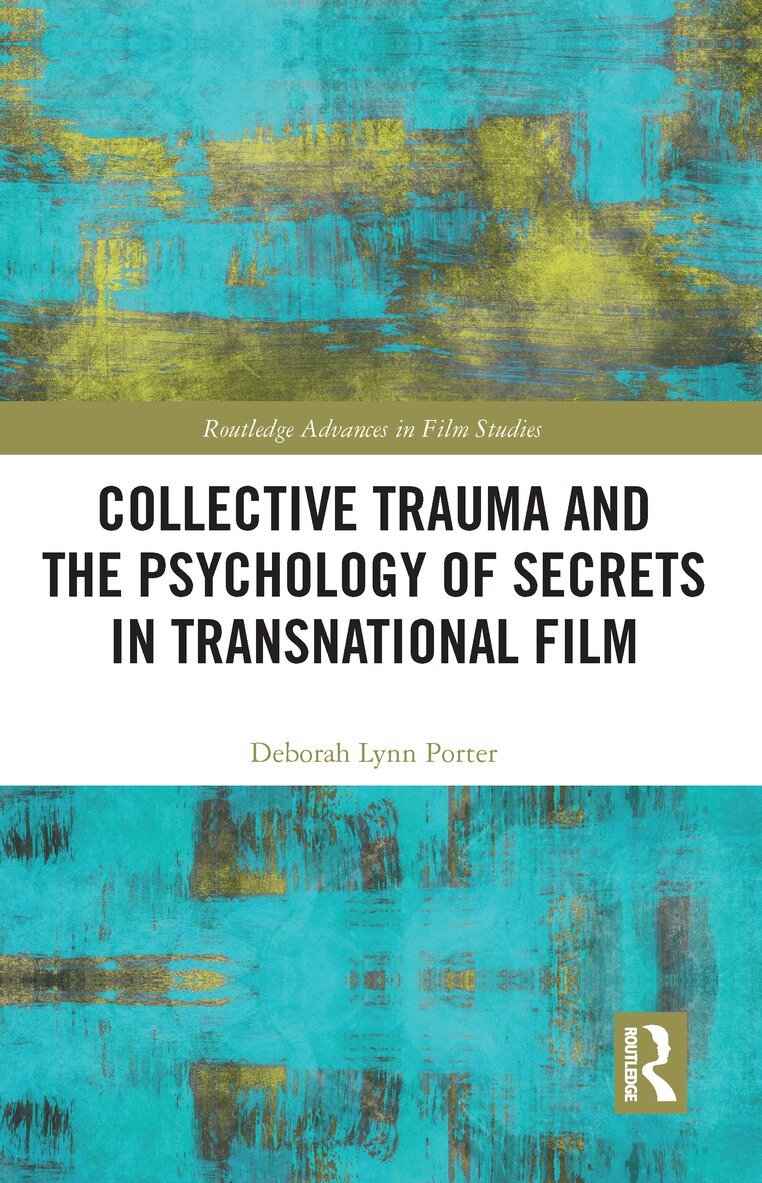
Collective Trauma and the Psychology of Secrets in Transnational Film advances a methodological line of inquiry based on a fresh insight into the ways in which cinematic meaning is generated and can be ascertained. Premised on a critical reading strategy informed by a metapsychology of secrets, the book features analyses of internationally acclaimed films—Guillermo del Torro’s Pan’s Labyrinth, Andrey Zvyagintsev’s The Return, Jee-woon Kim’s A Tale of Two Sisters, and Alejandro Amenábar’s The Others. It demonstrates how a rethinking of the figure of the secret in national film yields a new vantage point for examining heretofore unrecognized connections between collective historical experience, cinematic production and a transnational aesthetic of concealment and hiding.
683 kr
Skickas inom 10-15 vardagar
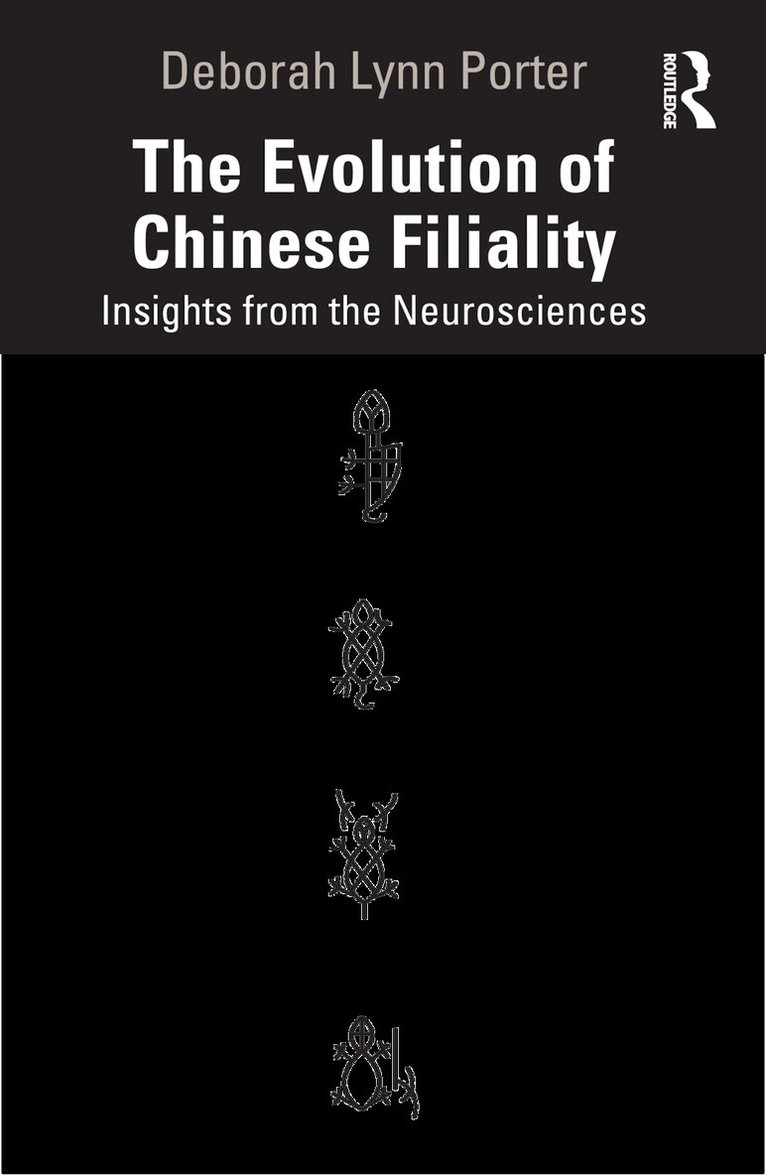
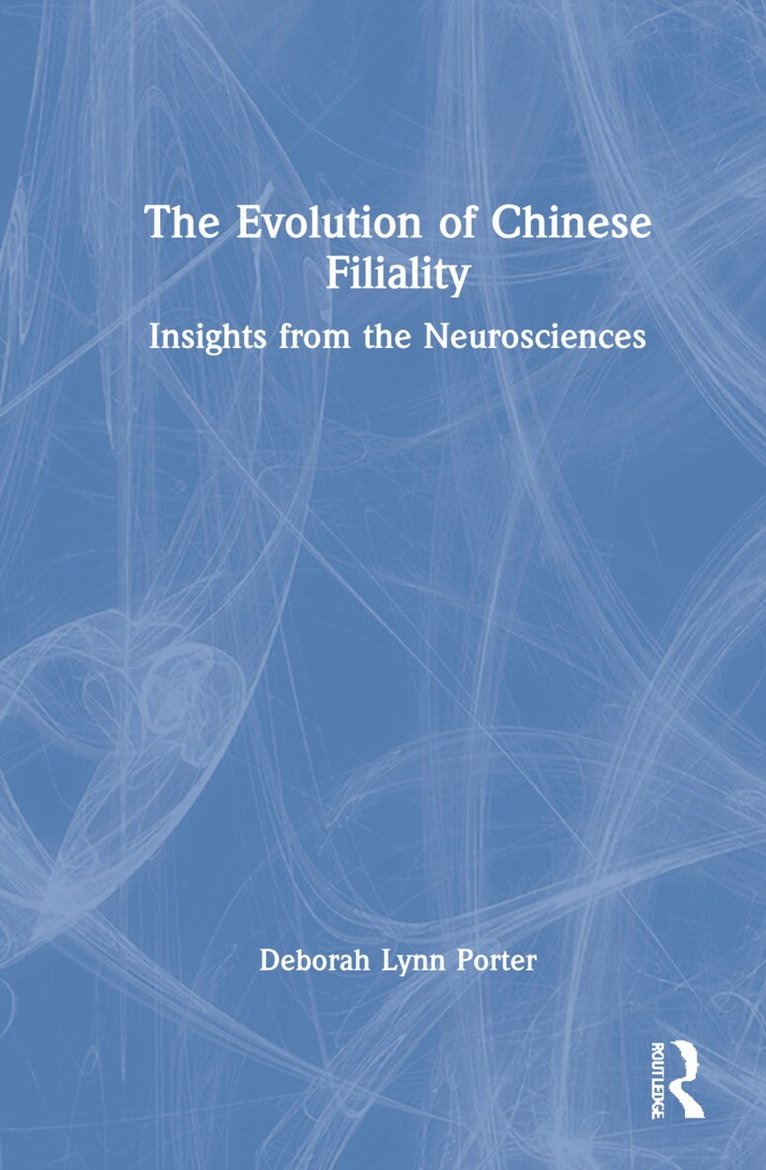
This unique book brings a fresh interdisciplinary approach to the analysis of ancient Chinese history, creating a historical model for the emergence of cultural mainstays by applying recent dramatic findings in the fields of neuroscience and cultural evolution. The centrality in Chinese culture of a deep reverence for the lives of preceding generations, filial piety, is conventionally attributed to Confucius (551-479 B.C.), who viewed hierarchical family relations as foundational for social order. Here, Porter argues that Confucian conceptions of filiality themselves evolved from a systemized set of behaviors and thoughts, a mental structure, which descended from a specific Neolithic mindset, and that this psychological structure was contoured by particular emotional conditions experienced by China’s earliest farmers. Using case study analysis from Neolithic sky observers to the dynastic cultures of the Shang and Western Zhou, the book shows how filial piety evolved as a structure of feeling, a legacy of a cultural predisposition toward particular moods and emotions that were inherited from the ancestral past. Porter also brings new urgency to the topic of ecological grief, linking the distress central to the evolution of the filial structure to its catalyst in an environmental crisis.With a blended multidisciplinary approach combining social neuroscience, cultural evolution, cognitive archaeology, and historical analysis, this book is ideal for students and researchers in neuropsychology, religion, and Chinese culture and history.
2 103 kr
Skickas inom 10-15 vardagar
This unique book brings a fresh interdisciplinary approach to the analysis of ancient Chinese history, creating a historical model for the emergence of cultural mainstays by applying recent dramatic findings in the fields of neuroscience and cultural evolution. The centrality in Chinese culture of a deep reverence for the lives of preceding generations, filial piety, is conventionally attributed to Confucius (551-479 B.C.), who viewed hierarchical family relations as foundational for social order. Here, Porter argues that Confucian conceptions of filiality themselves evolved from a systemized set of behaviors and thoughts, a mental structure, which descended from a specific Neolithic mindset, and that this psychological structure was contoured by particular emotional conditions experienced by China’s earliest farmers. Using case study analysis from Neolithic sky observers to the dynastic cultures of the Shang and Western Zhou, the book shows how filial piety evolved as a structure of feeling, a legacy of a cultural predisposition toward particular moods and emotions that were inherited from the ancestral past. Porter also brings new urgency to the topic of ecological grief, linking the distress central to the evolution of the filial structure to its catalyst in an environmental crisis.With a blended multidisciplinary approach combining social neuroscience, cultural evolution, cognitive archaeology, and historical analysis, this book is ideal for students and researchers in neuropsychology, religion, and Chinese culture and history.