
Dorothea Barrett - Böcker
Visar alla böcker från författaren Dorothea Barrett. Handla med fri frakt och snabb leverans.
3 produkter
3 produkter
145 kr
Skickas
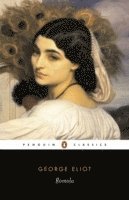
One of George Eliot's most ambitious and imaginative novels, Romola is set in Renaissance Florence during the turbulent years following the expulsion of the powerful Medici family during which the zealous religious reformer Savonarola rose to control the city. At its heart is Romola, the devoted daughter of a blind scholar, married to the clever but ultimately treacherous Tito whose duplicity in both love and politics threatens to destroy everything she values, and she must break away to find her own path in life. Described by Eliot as 'written with my best blood', the story of Romola's intellectual and spiritual awakening is a compelling portrayal of a Utopian heroine, played out against a turbulent historical backdrop.
2 401 kr
Skickas inom 10-15 vardagar
First published in 1989. Generations of critics have seen George Eliot as a conservative Victorian high moralist and sybil. Vocation and Desire questions that image, and finds in her work elements of anger, feminism, subversiveness, revenge, iconoclasm, wit, and eroticism – elements that we have been taught not to expect. After looking at the development of the sybilline image and the gradual eclipse of the subversive George Eliot – which Eliot herself initiated – Dorothea Barrett goes on to investigate the evidence of the novels themselves and finds an alternative emphasis. Her study of the heroines of the six major novels and issues of language and desire provides a refreshing and acute analysis of the contradictions and strengths of Eliot’s work. She also considers the reception of George Eliot by feminist critics and the broader implications of her work for contemporary feminism. This title will be of interest to students of literature.
569 kr
Skickas inom 10-15 vardagar
First published in 1989. Generations of critics have seen George Eliot as a conservative Victorian high moralist and sybil. Vocation and Desire questions that image, and finds in her work elements of anger, feminism, subversiveness, revenge, iconoclasm, wit, and eroticism – elements that we have been taught not to expect. After looking at the development of the sybilline image and the gradual eclipse of the subversive George Eliot – which Eliot herself initiated – Dorothea Barrett goes on to investigate the evidence of the novels themselves and finds an alternative emphasis. Her study of the heroines of the six major novels and issues of language and desire provides a refreshing and acute analysis of the contradictions and strengths of Eliot’s work. She also considers the reception of George Eliot by feminist critics and the broader implications of her work for contemporary feminism. This title will be of interest to students of literature.