
Elisabeth Leake - Böcker
Visar alla böcker från författaren Elisabeth Leake. Handla med fri frakt och snabb leverans.
7 produkter
7 produkter
344 kr
Skickas inom 5-8 vardagar
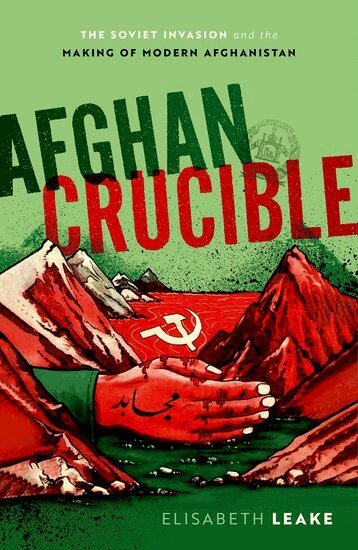
A new global history of the Soviet invasion of Afghanistan - an invasion whose consequences are still felt in Afghanistan and across the wider world.On 24 December 1979, Soviet armed forces entered Afghanistan, beginning an occupation that would last almost a decade and creating a political crisis that shook the world. To many observers, the Soviet invasion showed the lengths to which one of the world's superpowers would go to vie for supremacy in the global Cold War. The Soviet war, and parallel covert American aid to Afghan resistance fighters, would come to be a defining event of international politics in the final years of the Cold War, lingering far beyond the Soviet Union's own demise. Yet Cold War competition is only a small part of the story. Soviet troops entered a country already at war with itself. A century of debates within Afghanistan over the nature of modern nationhood culminated in a 1978 coup in which self-described Afghan communists pledged to fundamentally reshape Afghanistan. Instead what broke out was a civil war in which Afghans asserted competing models of Afghan statehood. Afghan socialists and Islamists came to the fore of this conflict in the 1980s, thanks in part to Soviet and American involvement, but they represented a broader movement for local articulations of social and political modernity that did not derive from foreign models. Afghans, in conversation with foreigners, set many of the parameters of the conflict. This sweeping history moves between centres of state in Kabul, Moscow, Islamabad, and Washington, the halls of global governance in Geneva and New York, resistance hubs in Peshawar and Panjshir, and refugee camps scattered across Pakistan's borderlands to tell a story that is much more expansive than the Soviet invasion of Afghanistan - a global history of a moment of crisis not just for Afghanistan or the Cold War but international relations and the postcolonial state.
The Defiant Border
The Afghan-Pakistan Borderlands in the Era of Decolonization, 1936-1965
Inbunden, Engelska, 2016
1 092 kr
Skickas inom 7-10 vardagar
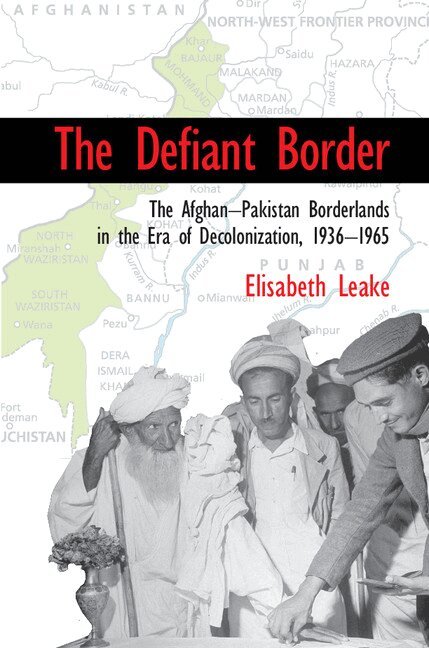
The Defiant Border explores why the Afghan-Pakistan borderlands have remained largely independent of state controls from the colonial period into the twenty-first century. This book looks at local Pashtun tribes' modes for evading first British colonial, then Pakistani, governance; the ongoing border dispute between Pakistan and Afghanistan; and continuing interest in the region from Indian, US, British, and Soviet actors. It reveals active attempts by first British, then Pakistani, agents to integrate the tribal region, ranging from development initiatives to violent suppression. The Defiant Border also considers the area's influence on relations between Pakistan, Afghanistan, and India, as well as its role in the United States' increasingly global Cold War policies. Ultimately, the book considers how a region so peripheral to major centers of power has had such an impact on political choices throughout the eras of empire, decolonization, and superpower competition, up to the so-called 'war on terror'.
The Defiant Border
The Afghan-Pakistan Borderlands in the Era of Decolonization, 1936-1965
Häftad, Engelska, 2016
344 kr
Skickas inom 7-10 vardagar
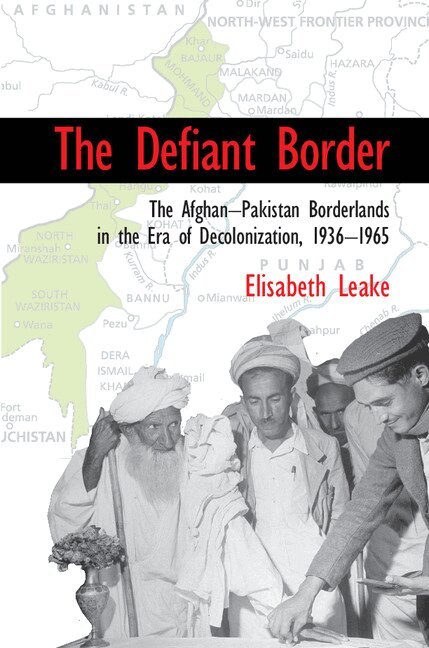
The Defiant Border explores why the Afghan-Pakistan borderlands have remained largely independent of state controls from the colonial period into the twenty-first century. This book looks at local Pashtun tribes' modes for evading first British colonial, then Pakistani, governance; the ongoing border dispute between Pakistan and Afghanistan; and continuing interest in the region from Indian, US, British, and Soviet actors. It reveals active attempts by first British, then Pakistani, agents to integrate the tribal region, ranging from development initiatives to violent suppression. The Defiant Border also considers the area's influence on relations between Pakistan, Afghanistan, and India, as well as its role in the United States' increasingly global Cold War policies. Ultimately, the book considers how a region so peripheral to major centers of power has had such an impact on political choices throughout the eras of empire, decolonization, and superpower competition, up to the so-called 'war on terror'.
379 kr
Skickas inom 10-15 vardagar
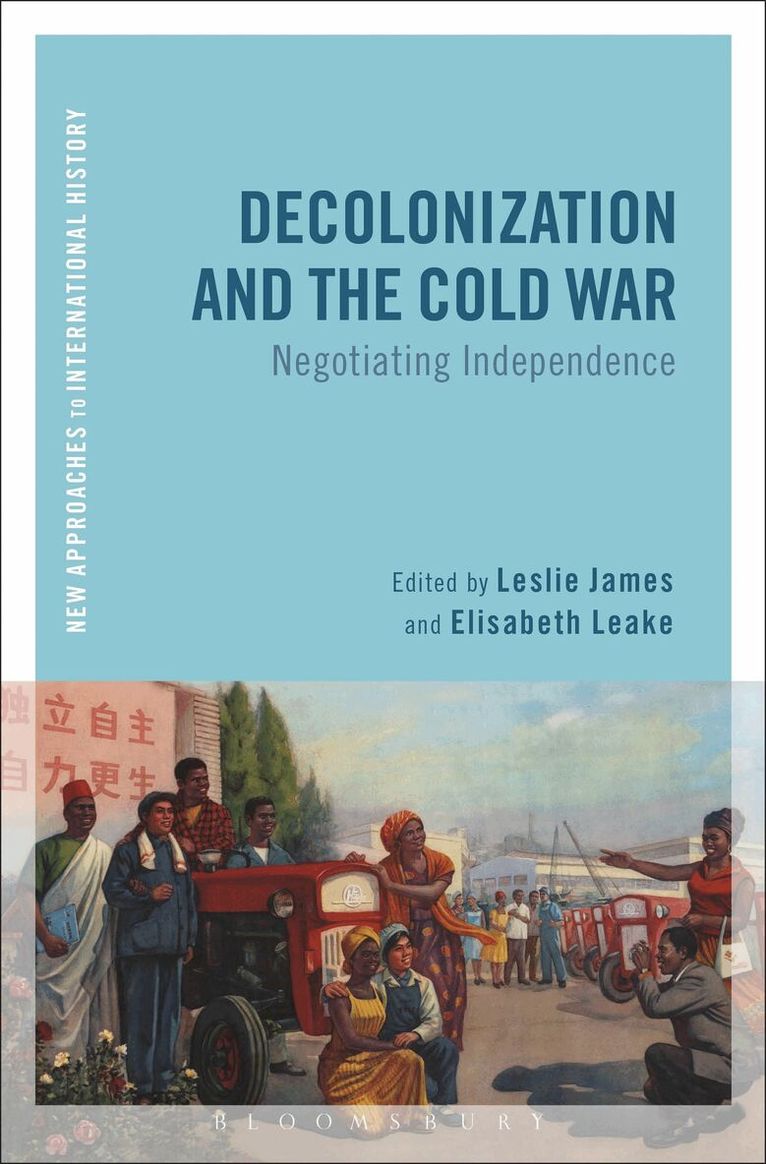
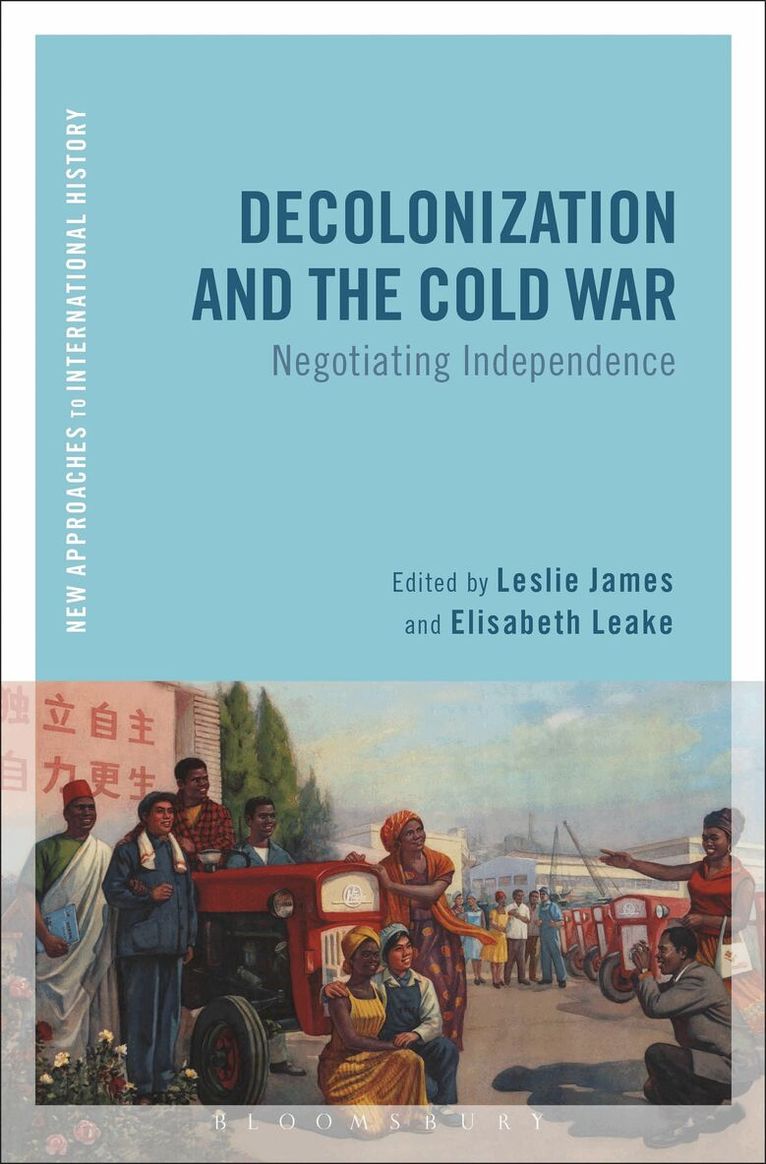
The Cold War and decolonization transformed the twentieth century world. This volume brings together an international line-up of experts to explore how these transformations took place and expand on some of the latest threads of analysis to help inform our understanding of the links between the two phenomena.The book begins by exploring ideas of modernity, development, and economics as Cold War and postcolonial projects and goes on to look at the era’s intellectual history and investigate how emerging forms of identity fought for supremacy. Finally, the contributors question ideas of sovereignty and state control that move beyond traditional Cold War narratives.Decolonization and the Cold War emphasizes new approaches by drawing on various methodologies, regions, themes, and interdisciplinary work, to shed new light on two topics that are increasingly important to historians of the twentieth century.
1 177 kr
Skickas inom 10-15 vardagar
1 497 kr
Skickas inom 7-10 vardagar
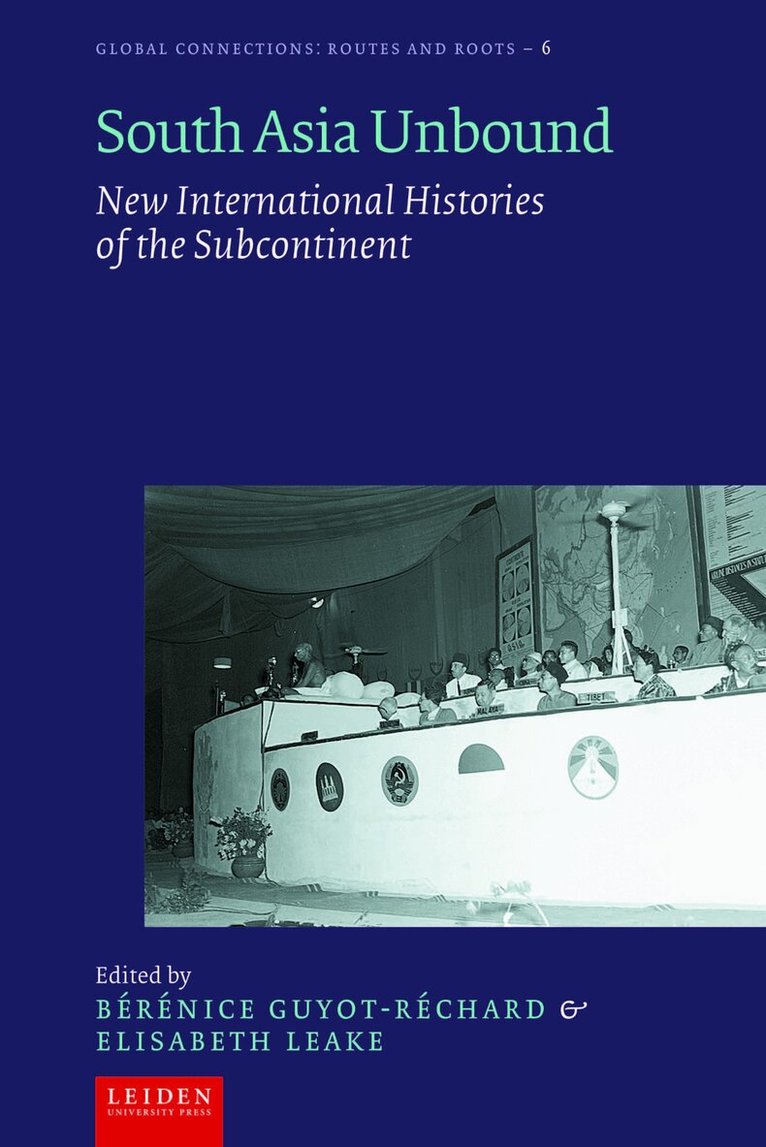
Whose international matters, and why? How are geographic regions constructed? What are the channels of engagement between a place, its people, its institutions, and the world? How do we understand the non-West's influence in contemporary global interactions? From humanitarianism and activism to diplomacy and institutional networks, South Asia has been a crucial place for the elaboration of international politics, even before the twentieth century. South Asia Unbound gathers an interdisciplinary group of scholars from across the world to investigate South Asian global engagement at the local, regional, national, and supra-national levels, spanning the time before and after independence. Only by understanding its past entanglements with the world can we understand South Asia's increasing global importance today.
1 124 kr
Skickas
Whose international matters, and why? How are geographic regions constructed? What are the channels of engagement between a place, its people, its institutions, and the world? How do we understand the non-West’s influence in contemporary global interactions? From humanitarianism and activism to diplomacy and institutional networks, South Asia has been a crucial place for the elaboration of international politics, even before the twentieth century. South Asia Unbound gathers an interdisciplinary group of scholars from across the world to investigate South Asian global engagement at the local, regional, national, and supra-national levels, spanning the time before and after independence.