
Eric Salituro - Böcker
Visar alla böcker från författaren Eric Salituro. Handla med fri frakt och snabb leverans.
2 produkter
2 produkter
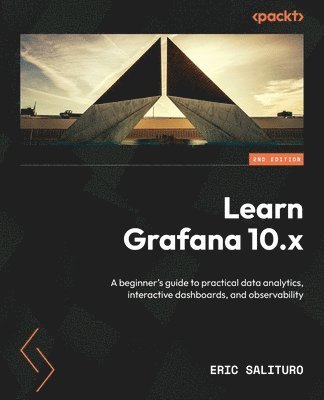
Learn Grafana 10.x
A beginner's guide to practical data analytics, interactive dashboards, and observability
Häftad, Engelska, 2023
526 kr
Skickas inom 5-8 vardagar
Get up and running with building data pipelines and creating interactive dashboards to visualize, monitor, and present a wide variety of time-series data with this comprehensive introductory guideKey FeaturesInstall, set up, and configure Grafana for real-time data analysis, visualization, and alertingVisualize and monitor data using data sources such as InfluxDB, Telegraf, Prometheus, and ElasticsearchExplore Grafana's cloud support with Microsoft Azure, Amazon CloudWatch, and Google Cloud MonitoringPurchase of the print or Kindle book includes a free PDF eBookBook DescriptionGet ready to unlock the full potential of the open-source Grafana observability platform, ideal for analyzing and monitoring time-series data with this updated second edition. This beginners guide will help you get up to speed with Grafana’s latest features for querying, visualizing, and exploring logs and metrics, no matter where they are stored.Starting with the basics, this book demonstrates how to quickly install and set up a Grafana server using Docker. You’ll then be introduced to the main components of the Grafana interface before learning how to analyze and visualize data from sources such as InfluxDB, Telegraf, Prometheus, Logstash, and Elasticsearch. The book extensively covers key panel visualizations in Grafana, including Time Series, Stat, Table, Bar Gauge, and Text, and guides you in using Python to pipeline data, transformations to facilitate analytics, and templating to build dynamic dashboards. Exploring real-time data streaming with Telegraf, Promtail, and Loki, you’ll work with observability features like alerting rules and integration with PagerDuty and Slack. As you progress, the book addresses the administrative aspects of Grafana, from configuring users and organizations to implementing user authentication with Okta and LDAP, as well as organizing dashboards into folders, and more.By the end of this book, you’ll have gained all the knowledge you need to start building interactive dashboards.What you will learnLearn the techniques of data visualization using GrafanaGet familiar with the major components of Time series visualizationExplore data transformation operations, query inspector, and time interval settingsWork with advanced dashboard features, such as annotations, variable-based templating, and dashboard linking and sharingConnect user authentication through Okta, Google, GitHub, and other external providersDiscover Grafana’s monitoring support for cloud service infrastructuresWho this book is forThis book is for business intelligence developers, business analysts, data analysts, and anyone interested in performing time-series data analysis and monitoring using Grafana. You’ll also find this book useful if you’re looking to create and share interactive dashboards or get up to speed with the latest features of Grafana. Although no prior knowledge of Grafana is required, basic knowledge of data visualization and some Python programming experience will help you understand the concepts covered in the book.
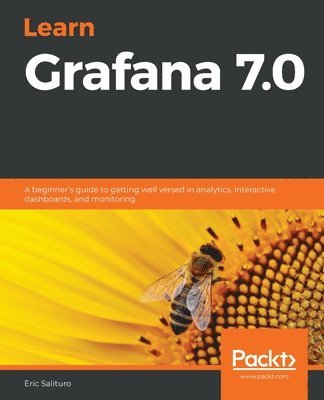
Learn Grafana 7.0
A beginner's guide to getting well versed in analytics, interactive dashboards, and monitoring
Häftad, Engelska, 2020
861 kr
Skickas inom 5-8 vardagar
A comprehensive introduction to help you get up and running with creating interactive dashboards to visualize and monitor time-series data in no timeKey FeaturesInstall, set up, and configure Grafana for real-time data analysis and visualizationVisualize and monitor data using data sources such as InfluxDB, Prometheus, and ElasticsearchExplore Grafana's multi-cloud support with Microsoft Azure, Amazon CloudWatch, and Google StackdriverBook DescriptionGrafana is an open-source analytical platform used to analyze and monitoring time-series data. This beginner's guide will help you get to grips with Grafana's new features for querying, visualizing, and exploring metrics and logs no matter where they are stored.The book begins by showing you how to install and set up the Grafana server. You'll explore the working mechanism of various components of the Grafana interface along with its security features, and learn how to visualize and monitor data using, InfluxDB, Prometheus, Logstash, and Elasticsearch. This Grafana book covers the advanced features of the Graph panel and shows you how Stat, Table, Bar Gauge, and Text are used. You'll build dynamic dashboards to perform end-to-end analytics and label and organize dashboards into folders to make them easier to find. As you progress, the book delves into the administrative aspects of Grafana by creating alerts, setting permissions for teams, and implementing user authentication. Along with exploring Grafana's multi-cloud monitoring support, you'll also learn about Grafana Loki, which is a backend logger for users running Prometheus and Kubernetes.By the end of this book, you'll have gained all the knowledge you need to start building interactive dashboards.What you will learnFind out how to visualize data using GrafanaUnderstand how to work with the major components of the Graph panelExplore mixed data sources, query inspector, and time interval settingsDiscover advanced dashboard features such as annotations, templating with variables, dashboard linking, and dashboard sharing techniquesConnect user authentication to Google, GitHub, and a variety of external servicesFind out how Grafana can provide monitoring support for cloud service infrastructuresWho this book is forThis book is for business intelligence developers, business analysts, data analysts, and anyone interested in performing time-series data analysis and monitoring using Grafana. Those looking to create and share interactive dashboards or looking to get up to speed with the latest features of Grafana will also find this book useful. Although no prior knowledge of Grafana is required, basic knowledge of data visualization and some experience in Python programming will help you understand the concepts covered in the book.