
Erwin Beck - Böcker
Visar alla böcker från författaren Erwin Beck. Handla med fri frakt och snabb leverans.
9 produkter
9 produkter
3 162 kr
Skickas inom 10-15 vardagar
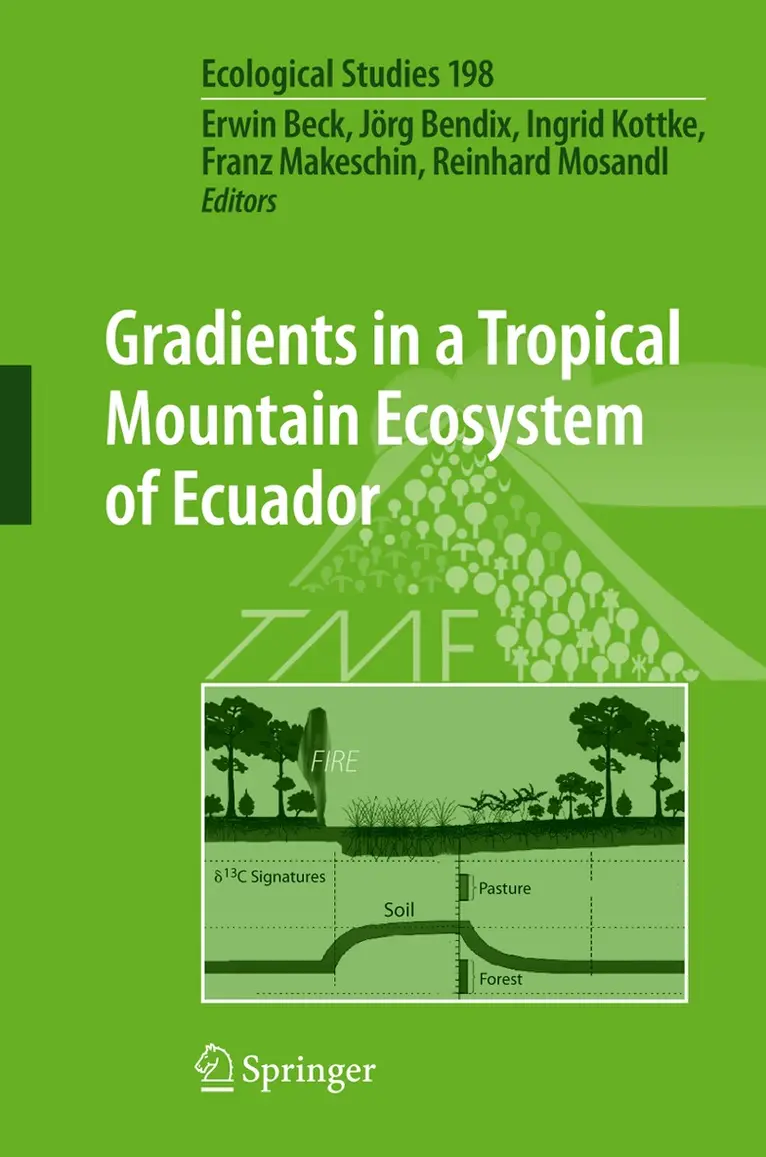
A tropical mountain ecosystem in one of the "hottest" biodiversity hotspots worldwide was investigated by some 30 research teams of numerous disciplines in the natural and social sciences. Ecosystem analysis followed two gradients: an altitudinal gradient and a gradient of land-use intensity and ecosystem regeneration, respectively.This volume addresses a multitude of ecologically relevant aspects: macro- and microclimate; physics, chemistry and biology of soils; water relations, matter turnover and nutrient availability; plant growth and biomass partitioning; floral composition and plant life forms; vegetation structure and dynamics; organismic interactions, diversity and population biology of birds, moths and microarthropods; forest management, and reforestation with indigenous species; ethnobotanical and social aspects. New hypotheses are presented with regard to biodiversity and ecosystem functioning, as well as sustainable management of an ecosystem in a biodiversity hotspot.
1 098 kr
Skickas inom 10-15 vardagar
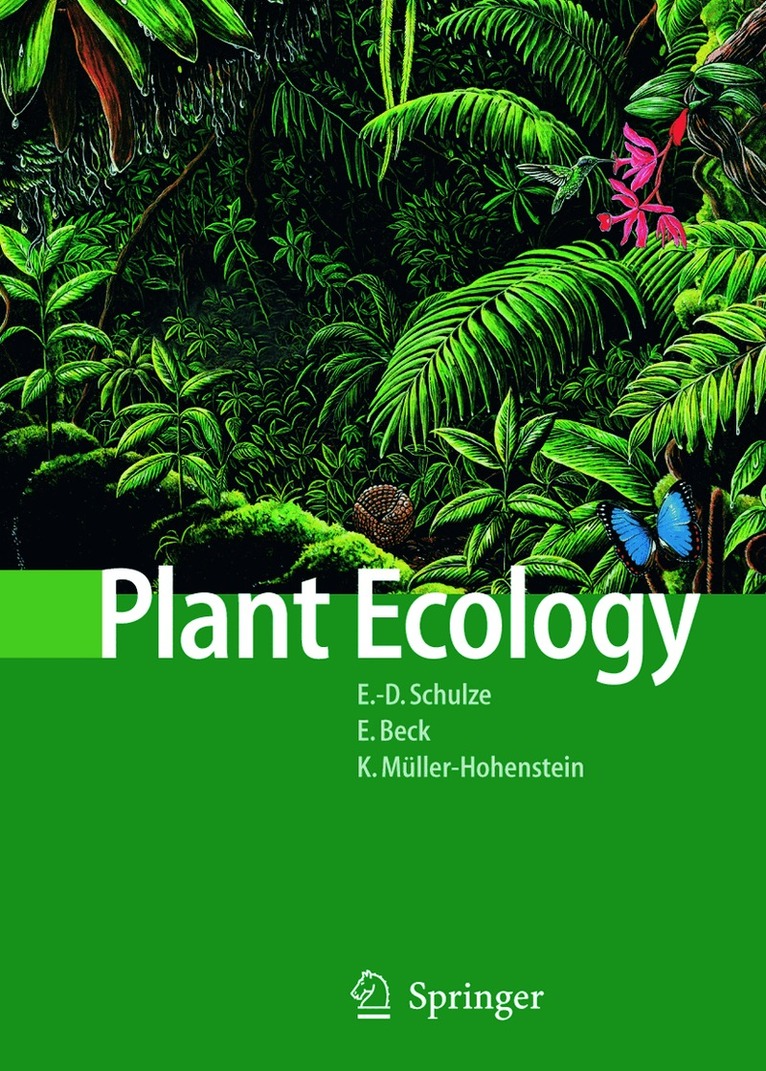
This textbook covers Plant Ecology from the molecular to the global level. It covers the following areas in unprecedented breadth and depth:- Molecular ecophysiology (stress physiology: light, temperature, oxygen deficiency, drought, salt, heavy metals, xenobiotica and biotic stress factors)- Autecology (whole plant ecology: thermal balance, water, nutrient, carbon relations)- Ecosystem ecology (plants as part of ecosystems, element cycles, biodiversity)- Synecology (development of vegetation in time and space, interactions between vegetation and the abiotic and biotic environment)- Global aspects of plant ecology (global change, global biogeochemical cycles, land use, international conventions, socio-economic interactions)The book is carefully structured and well written: complex issues are elegantly presented and easily understandable. It contains more than 500 photographs and drawings, mostly in colour, illustrating the fascinating subject.The book is primarily aimed at graduate students of biology but will also be of interest to post-graduate students and researchers in botany, geosciences and landscape ecology. Further, it provides a sound basis for those dealing with agriculture, forestry, land use, and landscape management.
3 162 kr
Skickas inom 10-15 vardagar
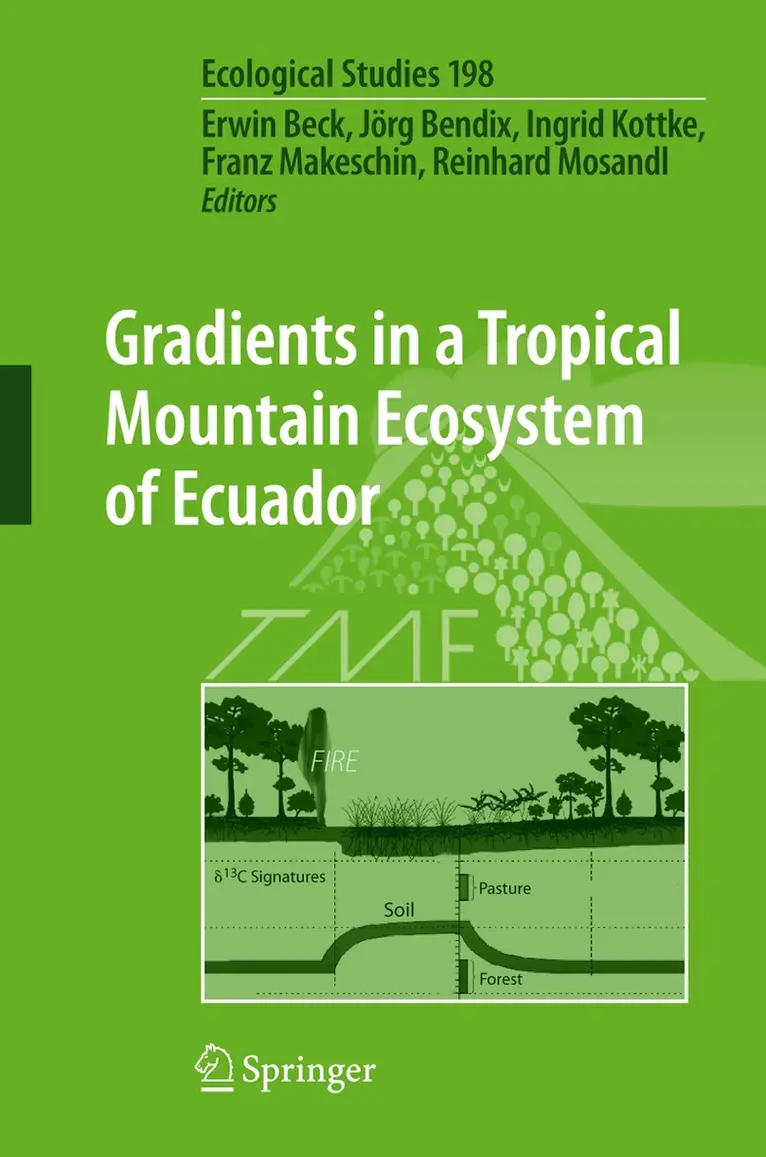
A tropical mountain ecosystem in one of the "hottest" biodiversity hotspots worldwide was investigated by some 30 research teams of numerous disciplines in the natural and social sciences. Ecosystem analysis followed two gradients: an altitudinal gradient and a gradient of land-use intensity and ecosystem regeneration, respectively.This volume addresses a multitude of ecologically relevant aspects: macro- and microclimate; physics, chemistry and biology of soils; water relations, matter turnover and nutrient availability; plant growth and biomass partitioning; floral composition and plant life forms; vegetation structure and dynamics; organismic interactions, diversity and population biology of birds, moths and microarthropods; forest management, and reforestation with indigenous species; ethnobotanical and social aspects. New hypotheses are presented with regard to biodiversity and ecosystem functioning, as well as sustainable management of an ecosystem in a biodiversity hotspot.
2 110 kr
Skickas inom 10-15 vardagar
Desiccation tolerance was essential when plants first began to conquer land, roughly 400 million years ago. While most desiccation-tolerant plants belong to basal phylogenetic taxa, this capacity has also evolved among some vascular plant species.In this volume renowned experts treat plant desiccation tolerance at the organismic as well as at the cellular level. The diversity of ecophysiological adaptations and acclimations of cyanobacteria, eukaryotic algae, mosses, and lichens is addressed in several chapters. The particular problems of vascular plants during dehydration/rehydration cycles resulting not only from their hydraulic architectures, but also from severe secondary stresses associated with the desiccated state are discussed. Based on the treatment of desiccation tolerance at the organismic level, a second section of the book is devoted to the cell biological level. It delineates the general concepts of functional genomics, epigenetics, genetics, molecular biology and the sensing and signalling networks of systems biology involved in dehydration/rehydration cycles. This book provides an invaluable compilation of current knowledge, which is a prerequisite for a better understanding of plant desiccation tolerance in natural as well as agro- and forest ecosystems where water is one of the most essential resources.
2 110 kr
Skickas inom 10-15 vardagar
Desiccation tolerance was essential when plants first began to conquer land, roughly 400 million years ago. While most desiccation-tolerant plants belong to basal phylogenetic taxa, this capacity has also evolved among some vascular plant species.In this volume renowned experts treat plant desiccation tolerance at the organismic as well as at the cellular level. The diversity of ecophysiological adaptations and acclimations of cyanobacteria, eukaryotic algae, mosses, and lichens is addressed in several chapters. The particular problems of vascular plants during dehydration/rehydration cycles resulting not only from their hydraulic architectures, but also from severe secondary stresses associated with the desiccated state are discussed. Based on the treatment of desiccation tolerance at the organismic level, a second section of the book is devoted to the cell biological level. It delineates the general concepts of functional genomics, epigenetics, genetics, molecular biology and the sensing and signalling networks of systems biology involved in dehydration/rehydration cycles. This book provides an invaluable compilation of current knowledge, which is a prerequisite for a better understanding of plant desiccation tolerance in natural as well as agro- and forest ecosystems where water is one of the most essential resources.
Ecosystem Services, Biodiversity and Environmental Change in a Tropical Mountain Ecosystem of South Ecuador
Inbunden, Engelska, 2013
1 584 kr
Skickas inom 10-15 vardagar
An interdisciplinary research unit consisting of 30 teams in the natural, economic and social sciences analyzed biodiversity and ecosystem services of a mountain rainforest ecosystem in the hotspot of the tropical Andes, with special reference to past, current and future environmental changes. The group assessed ecosystem services using data from ecological field and scenario-driven model experiments, and with the help of comparative field surveys of the natural forest and its anthropogenic replacement system for agriculture. The book offers insights into the impacts of environmental change on various service categories mentioned in the Millennium Ecosystem Assessment (2005): cultural, regulating, supporting and provisioning ecosystem services. Examples focus on biodiversity of plants and animals including trophic networks, and abiotic/biotic parameters such as soils, regional climate, water, nutrient and sediment cycles. The types of threats considered include land use and climate changes, as well as atmospheric fertilization. In terms of regulating and provisioning services, the emphasis is primarily on water regulation and supply as well as climate regulation and carbon sequestration. With regard to provisioning services, the synthesis of the book provides science-based recommendations for a sustainable land use portfolio including several options such as forestry, pasture management and the practices of indigenous peoples. In closing, the authors show how they integrated the local society by pursuing capacity building in compliance with the CBD-ABS (Convention on Biological Diversity - Access and Benefit Sharing), in the form of education and knowledge transfer for application.
Ecosystem Services, Biodiversity and Environmental Change in a Tropical Mountain Ecosystem of South Ecuador
Häftad, Engelska, 2015
1 584 kr
Skickas inom 10-15 vardagar
An interdisciplinary research unit consisting of 30 teams in the natural, economic and social sciences analyzed biodiversity and ecosystem services of a mountain rainforest ecosystem in the hotspot of the tropical Andes, with special reference to past, current and future environmental changes. The group assessed ecosystem services using data from ecological field and scenario-driven model experiments, and with the help of comparative field surveys of the natural forest and its anthropogenic replacement system for agriculture. The book offers insights into the impacts of environmental change on various service categories mentioned in the Millennium Ecosystem Assessment (2005): cultural, regulating, supporting and provisioning ecosystem services. Examples focus on biodiversity of plants and animals including trophic networks, and abiotic/biotic parameters such as soils, regional climate, water, nutrient and sediment cycles. The types of threats considered include land use and climate changes, as well as atmospheric fertilization. In terms of regulating and provisioning services, the emphasis is primarily on water regulation and supply as well as climate regulation and carbon sequestration. With regard to provisioning services, the synthesis of the book provides science-based recommendations for a sustainable land use portfolio including several options such as forestry, pasture management and the practices of indigenous peoples. In closing, the authors show how they integrated the local society by pursuing capacity building in compliance with the CBD-ABS (Convention on Biological Diversity - Access and Benefit Sharing), in the form of education and knowledge transfer for application.
909 kr
Skickas inom 10-15 vardagar
This completely updated and revised second edition provides a unique and up-to-date treatment of all aspects of plant ecology, making it an ideal textbook and reference work for students, researchers and practitioners. More than 500 high-quality images and drawings, mostly in colour, aid readers’ understanding of various key topics, while the clear structure and straightforward style make it user friendly and particularly useful for students. Written by leading experts, it offers authoritative information, including relevant references.While Plant Ecology primarily addresses graduate students in biology and ecology, it is also a valuable resource for post-graduate students and researchers in botany, environmental sciences and landscape ecology, as well as all those whose study or work touches on agriculture, forestry, land use, and landscape management.Key Topics:- Molecular ecophysiology (molecular stress physiology: light, temperature, oxygen deficiency, water deficit (drought), unfavorable soil mineral conditions, biotic stress) - Physiological and biophysical plant ecology (ecophysiology of plants: thermal balance, water, nutrient, carbon relations) - Ecosystem ecology (characteristics of ecosystems, approaches how to study and how to model terrestrial ecosystems, biogeochemical fluxes in terrestrial ecosystems) - Community ecology and biological diversity (development of plant communities in time and space, interactions between plants and plant communities with the abiotic and the biotic environment, biodiversity and ecosystem functioning) - Global ecology (global biogeochemical cycles, Dynamic Global Vegetation Models, global change and terrestrial ecosystems)

Del 63 - Pädagogische Psychologie und Entwicklungspsychologie
Adaptive Lehrkompetenz
Analyse und Struktur, Veränderung und Wirkung handlungssteuernden Lehrerwissens
Häftad, Tyska, 2018
410 kr
Skickas inom 5-8 vardagar