
J. M. Hussey - Böcker
Visar alla böcker från författaren J. M. Hussey. Handla med fri frakt och snabb leverans.
4 produkter
4 produkter
961 kr
Skickas inom 7-10 vardagar
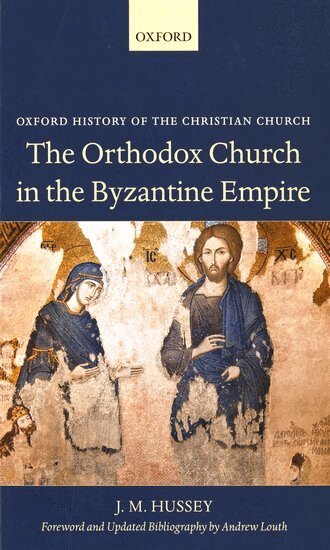
This book describes the role of the medieval Orthodox Church in the Byzantine Empire (c.600-c.1453). As an integral part of its policy it was (as in western Christianity) closely linked with many aspects of everyday life both official and otherwise. It was a formative period for Orthodoxy. It had to face doctrinal problems and heresies; at the same time it experienced the continuity and deepening of its liturgical life. While holding fast to the traditions of the fathers and the councils, it saw certain developments in doctrine and liturgy as also in administration. Part I discusses the landmarks in ecclesiastical affairs within the Empire as well as the creative influence exercised on the Slavs and the increasing contacts with westerners particularly after 1204. Part II gives a brief account of the structure of the medieval Orthodox Church, its officials and organization, and the spirituality of laity, monks, and clergy.

833 kr
Skickas inom 10-15 vardagar
This is an account of Byzantine culture, from the foundation of the Empire in 330 to its downfall in 1453. The book is devoted to the history of the Byzantine Empire and to short essays on various aspects of its political, religious and cultural life.

1 038 kr
Skickas inom 10-15 vardagar
Originally published in 1957 and as a fourth edition in 1970 this is an accessible history of Byzantium from Constantine the Great to its final conquest by the Ottoman Turks in 1453. Despite internal dissensions and the almost perpetual threat of outside attack, Byzantium maintained a remarkable continuity in its cosmopolitan and cultural life: its religious, intellectual and artistic achievements were an inspiration both to the Slavonic peoples and to western Europe

425 kr
Skickas inom 10-15 vardagar
Originally published in 1957 and as a fourth edition in 1970 this is an accessible history of Byzantium from Constantine the Great to its final conquest by the Ottoman Turks in 1453. Despite internal dissensions and the almost perpetual threat of outside attack, Byzantium maintained a remarkable continuity in its cosmopolitan and cultural life: its religious, intellectual and artistic achievements were an inspiration both to the Slavonic peoples and to western Europe