
Jaap Jan Brouwer - Böcker
Visar alla böcker från författaren Jaap Jan Brouwer. Handla med fri frakt och snabb leverans.
5 produkter
5 produkter
266 kr
Tillfälligt slut
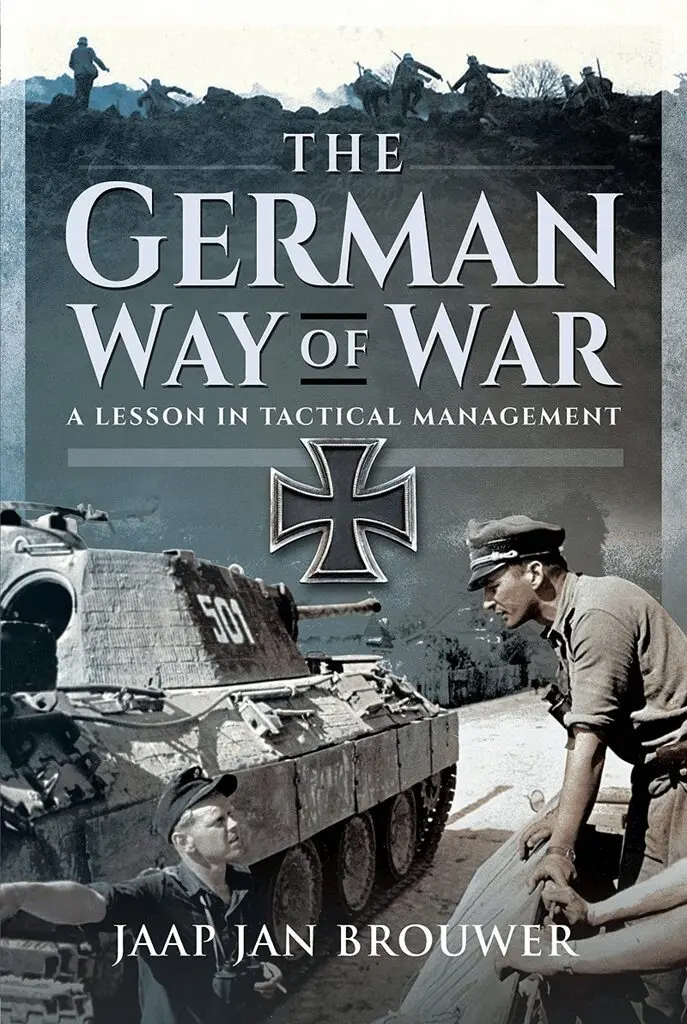
The German Army lost two consecutive wars and the conclusion is often drawn that it simply wasn't able to cope with its opponents. This image is constantly reinforced in literature and in the media, where seemingly brainless operating German units led by fanatical officers predominate. Nothing was as far from the truth. The records show that the Germans consistently outfought the far more numerous Allied armies that eventually defeated them: their relative battlefield performance was at least 1.5 and in most cases 3 times as high as that of its opponents.The central question in this book is why the German Army had a so much higher relative battlefield performance than the opposition. A central element within the Prussian/German Army is Auftragstaktik, a tactical management concept that dates from the middle of the nineteenth century and is still very advanced in terms of management and organization.Using more than fifty examples to illustrate the realities of the battlefield, from North Africa to Arnhem and the Hurtgen Forest, the author explains why the Prussian/German Army was such an unprecedented powerful fighting force. And why Auftragstaktik - under other guises - is still the basic form of operation for many European armies, with even the US Army introducing certain elements of Auftragstaktik into its organization, more than 150 years after its conception.
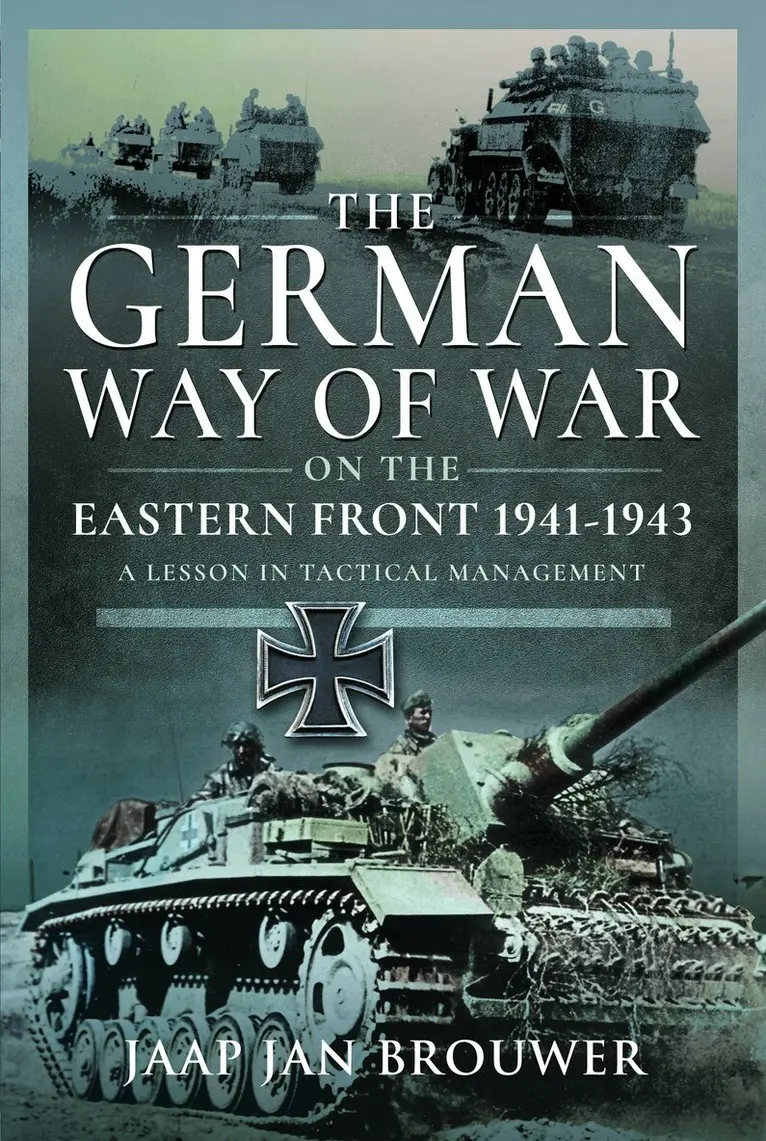
German Way of War on the Eastern Front, 1941-1943
A Lesson in Tactical Management
Inbunden, Engelska, 2024
266 kr
Skickas
On 22 June 1941, at 0410hrs, Operation Barbarossa began. More than 3 million German soldiers crossed the border with the Soviet Union and moved east, where 4.7 million Soviet soldiers were waiting for them. Hitler expected his troops would be on the Volga before the end of the year and that important cities such as Moscow and Leningrad would have been captured. But the reality was very different; the Germans made impressive territorial gains, but their offensive eventually came to a halt at Stalingrad in December 1942, which proved to be a turning point in the war.This titanic battle is illustrated here using eyewitness accounts from generals, soldiers and civilians. Attention is not only paid to the course of the battle, but also to the tactics and organizational dimensions of the armies involved, the challenges of the vastness of the country, the dilemmas for people in the conquered areas, and the way the Germans tried to conquer their hearts while at the same time fighting a fierce guerrilla war. The role of the Reichsbahn in the field of logistics is also examined, as is the importance of the innovation and production capacity of both armies.
- Nyhet
266 kr
Kommande
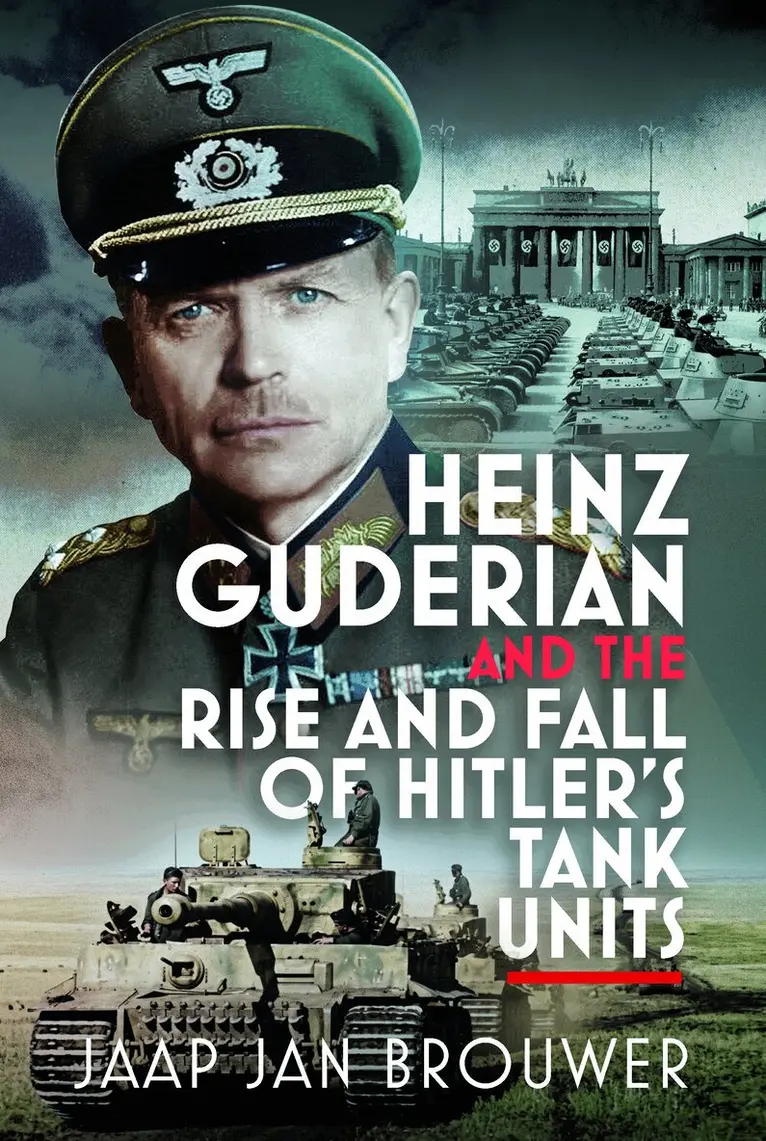
After the First World War, many countries faced the question of ‘what to do with the tank next?’ The tank had undoubtedly proven its worth on the battlefield, but not everyone was convinced, particularly because nobody had yet established a proper doctrine for how to deploy it in a future conflict.The interwar period shows that each country shaped the future deployment of the tank and the corresponding tank types in its own way. These were not arbitrary exercises, as investments in tank development and production were substantial, and switching to a different doctrine and tank type was not an option. This book reflects this search. However, the fact that the Germans ultimately found the right combination of doctrine and tanks with the phenomenon that was ‘Blitzkrieg’, does not detract from the interesting ideas, efforts and choices of other countries.The career of Heinz Guderian beautifully illustrates all these discussions cumulating in the development, rise, and fall of German Panzerwaffe before and during the Second World War. For this reason, he forms the central thread of this book, around which the development of the tank is wrapped.
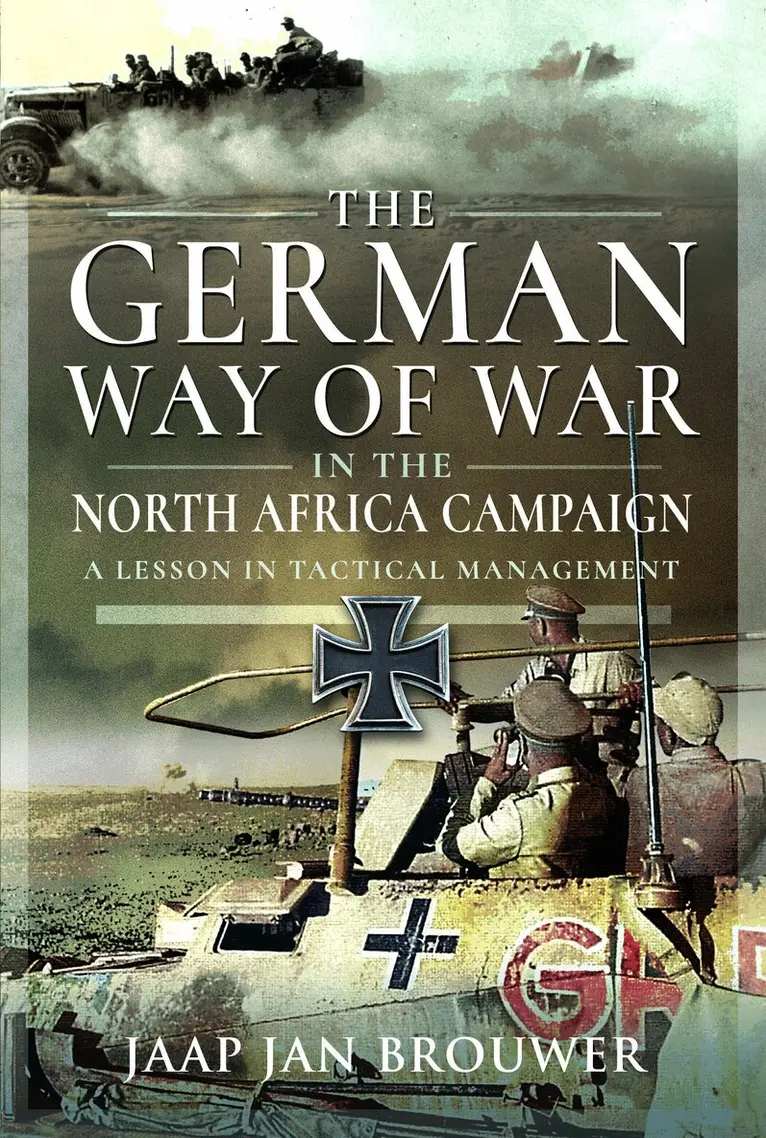
German Way of War in the North Africa Campaign
A Lesson in Tactical Management
Inbunden, Engelska, 2025
318 kr
Skickas
Much has been written about the Second World War and certainly about the campaigns in North Africa. While often a historical perspective is chosen, this book chooses a more organisational approach in addition to a historical perspective. The reason for this is that the course and outcome of military actions can only be understood if one has a clear picture of the organisational dimensions of the armies involved. After all, the combinations of the number of men and weapons is vital when considering the way the war will be fought and the outcome of the confrontation. This includes elements such as the organisational structure, the degree of decentralisation, the leadership style, the training level of the troops, team building, the command, control and intelligence structure, etc.When we talk about North Africa, we of course also talk about Rommel, a central figure in the events described. Other names that are for ever connected with North Africa are El Alamein, one of the turning points of the Second World War, and Montgomery, the British general who managed to turn the tide.This book begins with a sketch of the organisational dimensions of the German and British armies, but also looks at the dynamics of the fighting in North Africa and the demands it placed on men, officers, equipment, leadership, training, logistics, planning etc.
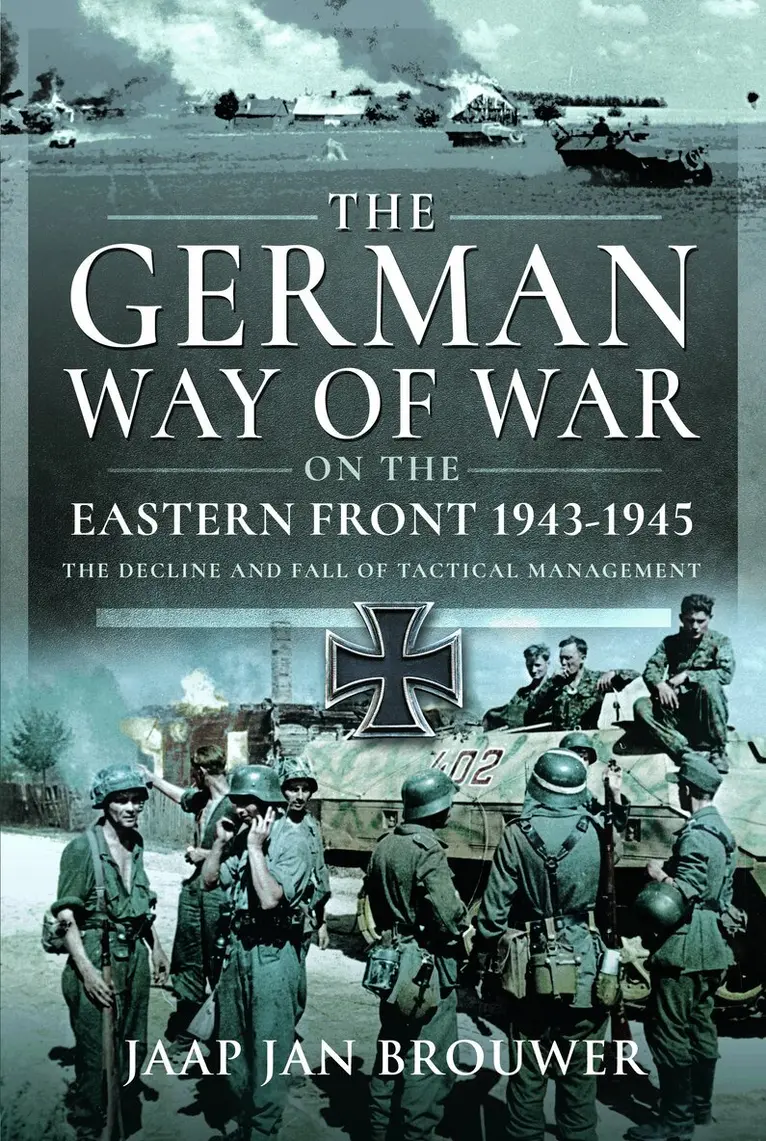
German Way of War on the Eastern Front, 1943-1945
The Decline and Fall of Tactical Management
Inbunden, Engelska, 2024
266 kr
Skickas
Early 1943 marked a turning point in the battle on the Eastern Front. After the devastating defeat at Stalingrad, the German army was no longer able to take the initiative and control the battle. In the following years, despite tactical victories, the German army would be gradually pushed back until Soviet units eventually reached Berlin and captured the Reichstag. In the meantime, both enemies had learned a great deal and new weapons were rapidly introduced onto the battlefield. On 8 May 1945, this bloody confrontation between the two giants ended in the unconditional surrender of Germany and a new geopolitical equilibrium was created.This titanic battle is illustrated with witness accounts from generals, soldiers and civilians. Attention is not only paid to the course of the battle, but also to the tactics and organisational dimensions of the armies involved, the challenges of the vastness of the country, the dilemmas for civilians caught between the fighting parties and the flight of millions of Germans to the West in an attempt to escape from the atrocities of the Soviet army. The book also considers the role of the Reichsbahn in the field of logistics, and the importance of the innovation and production capacity of both armies. In also pays attention to the origins of the Cold War that was to follow this confrontation and which would last until 1989.