
Jaime Castillo-Leon - Böcker
Visar alla böcker från författaren Jaime Castillo-Leon. Handla med fri frakt och snabb leverans.
4 produkter
4 produkter
901 kr
Skickas inom 10-15 vardagar
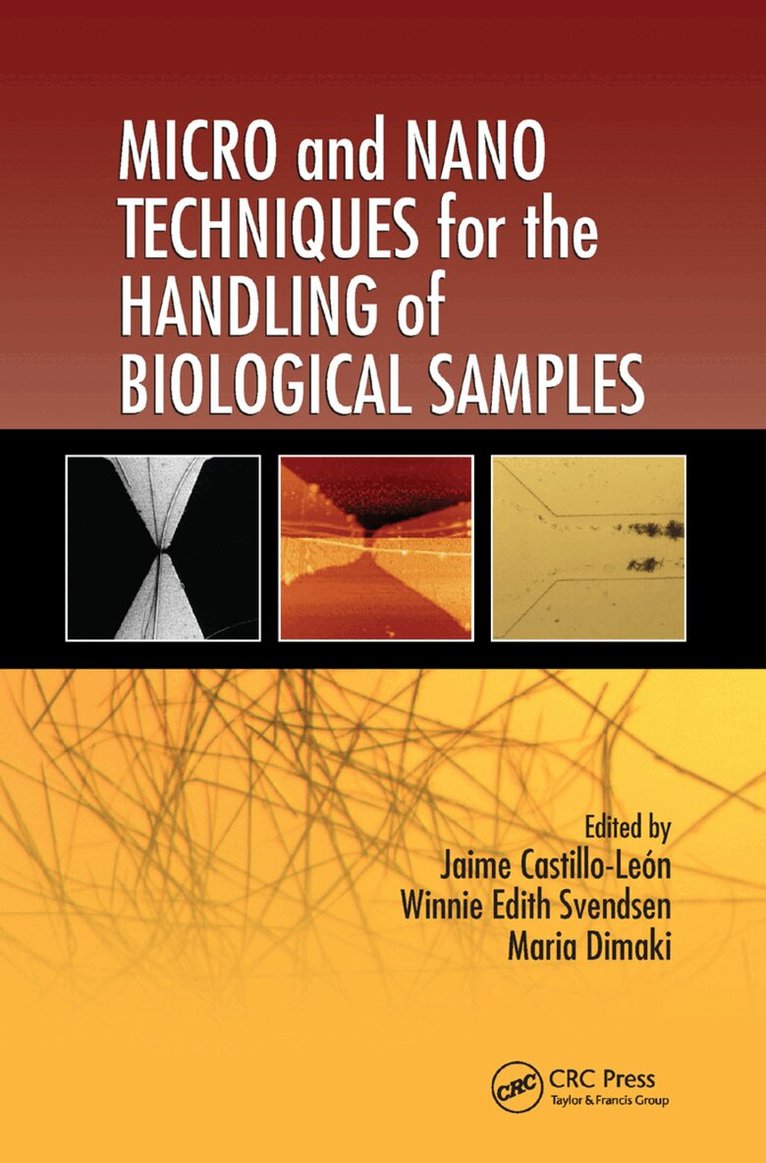
Several micro- and nanomanipulation techniques have emerged in recent decades thanks to advances in micro- and nanofabrication. For instance, the atomic force microscope (AFM) uses a nano-sized tip to image, push, pull, cut, and indent biological material in air, liquid, or vacuum. Using micro- and nanofabrication techniques, scientists can make manipulation tools, such as microgrippers and nanotweezers, on the same length scale as the biological samples. Micro and Nano Techniques for the Handling of Biological Samples reviews the different techniques available to manipulate and integrate biological materials in a controlled manner, either by sliding them along a surface (2-D manipulation), or by gripping and moving them to a new position (3-D manipulation). The advantages and drawbacks are mentioned together with examples that reflect the state-of-the-art in manipulation techniques for biological samples. Thanks to the advances in micro- and nanomanipulation techniques, the integration of biomaterials with physical transducers has been possible, giving rise to new and highly sensitive biosensing devices. Although great progress has been made, challenges are still present. To understand the complex interactions between and inside biological samples, scientists will always be working on improving technologies to manipulate, transport, sort, and integrate samples in different environments. Balanced between simplicity for the beginner and hardcore theory for the more advanced readers, this book is the ideal launching point for sharpening the scientific tools required to address these challenges.
1 657 kr
Tillfälligt slut
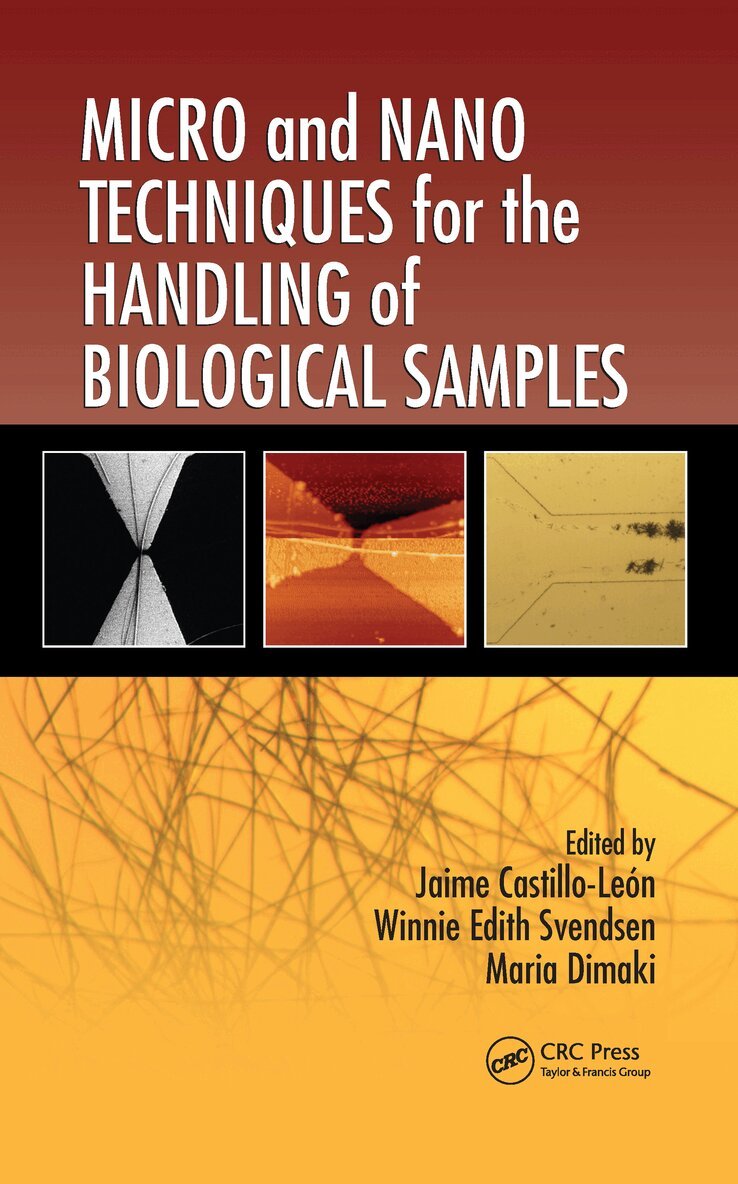
Several micro- and nanomanipulation techniques have emerged in recent decades thanks to advances in micro- and nanofabrication. For instance, the atomic force microscope (AFM) uses a nano-sized tip to image, push, pull, cut, and indent biological material in air, liquid, or vacuum. Using micro- and nanofabrication techniques, scientists can make manipulation tools, such as microgrippers and nanotweezers, on the same length scale as the biological samples. Micro and Nano Techniques for the Handling of Biological Samples reviews the different techniques available to manipulate and integrate biological materials in a controlled manner, either by sliding them along a surface (2-D manipulation), or by gripping and moving them to a new position (3-D manipulation). The advantages and drawbacks are mentioned together with examples that reflect the state-of-the-art in manipulation techniques for biological samples. Thanks to the advances in micro- and nanomanipulation techniques, the integration of biomaterials with physical transducers has been possible, giving rise to new and highly sensitive biosensing devices. Although great progress has been made, challenges are still present. To understand the complex interactions between and inside biological samples, scientists will always be working on improving technologies to manipulate, transport, sort, and integrate samples in different environments. Balanced between simplicity for the beginner and hardcore theory for the more advanced readers, this book is the ideal launching point for sharpening the scientific tools required to address these challenges.
1 064 kr
Skickas inom 10-15 vardagar
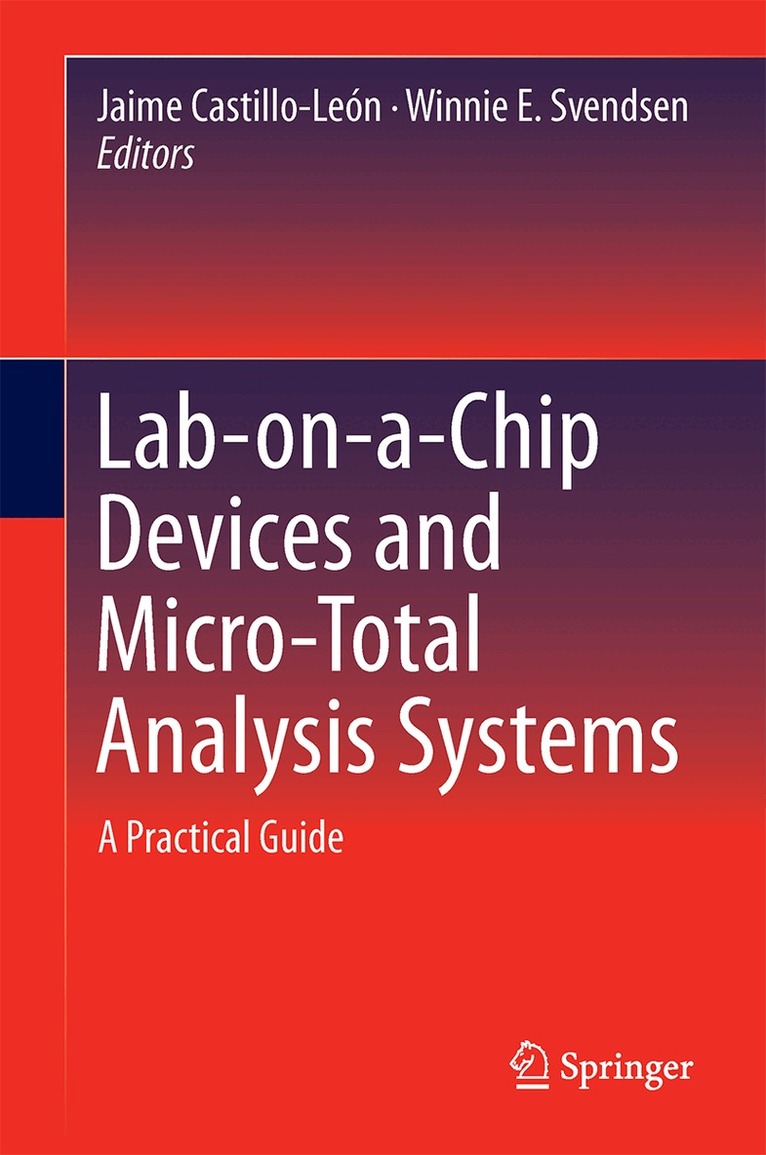
This book covers all the steps in order to fabricate a lab-on-a-chip device starting from the idea, the design, simulation, fabrication and final evaluation. Additionally, it includes basic theory on microfluidics essential to understand how fluids behave at such reduced scale. Examples of successful histories of lab-on-a-chip systems that made an impact in fields like biomedicine and life sciences are also provided.This book also:· Provides readers with a unique approach and toolset for lab-on-a-chip development in terms of materials, fabrication techniques, and components · Discusses novel materials and techniques, such as paper-based devices and synthesis of chemical compounds on-chip· Covers the four key aspects of development: basic theory, design, fabrication, and testing· Provides readers with a comprehensive list of the most important journals, blogs, forums, and conferences where microfluidics and lab-on-a-chip news, methods, techniques and challenges are presented and discussed, as well as a list of companies providing design and simulation support, components, and/or developing lab-on-a-chip and microfluidic devices.
1 193 kr
Skickas inom 10-15 vardagar
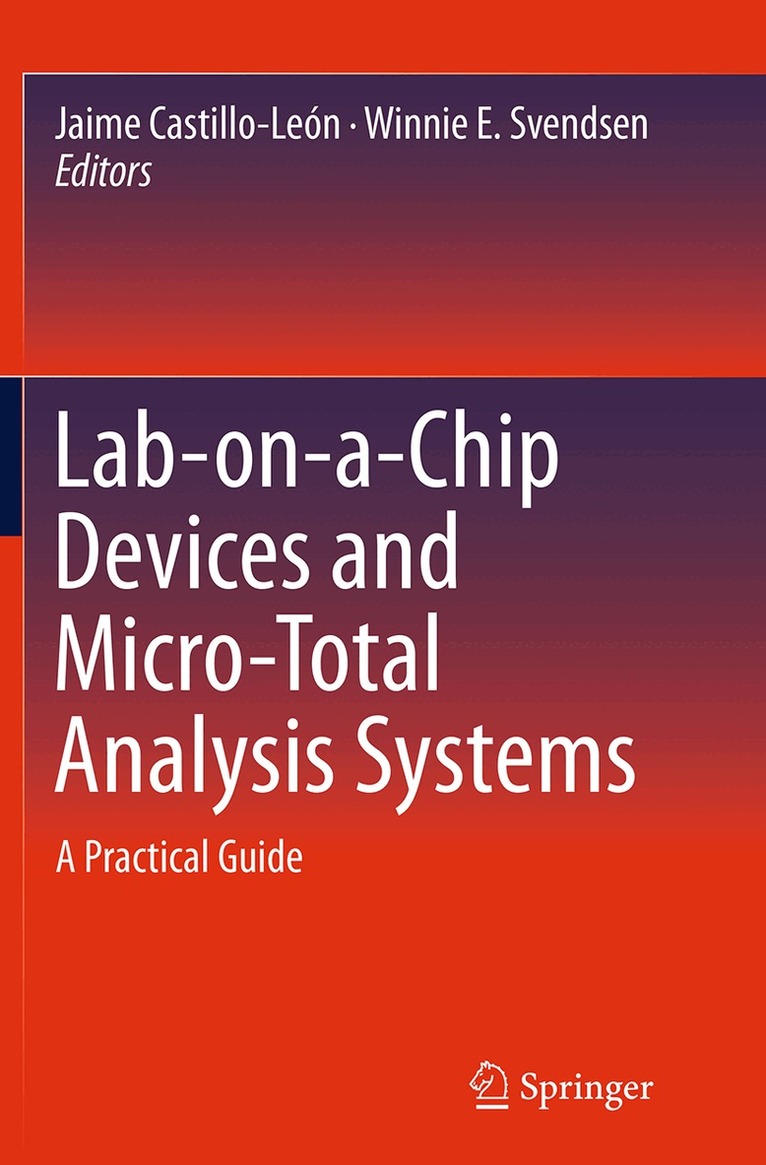
This book covers all the steps in order to fabricate a lab-on-a-chip device starting from the idea, the design, simulation, fabrication and final evaluation. Additionally, it includes basic theory on microfluidics essential to understand how fluids behave at such reduced scale. Examples of successful histories of lab-on-a-chip systems that made an impact in fields like biomedicine and life sciences are also provided.This book also:· Provides readers with a unique approach and toolset for lab-on-a-chip development in terms of materials, fabrication techniques, and components · Discusses novel materials and techniques, such as paper-based devices and synthesis of chemical compounds on-chip· Covers the four key aspects of development: basic theory, design, fabrication, and testing· Provides readers with a comprehensive list of the most important journals, blogs, forums, and conferences where microfluidics and lab-on-a-chip news, methods, techniques and challenges are presented and discussed, as well as a list of companies providing design and simulation support, components, and/or developing lab-on-a-chip and microfluidic devices.