
Jennie Gottschalk – författare
Visar alla böcker från författaren Jennie Gottschalk. Handla med fri frakt och snabb leverans.
6 produkter
6 produkter
365 kr
Skickas inom 10-15 vardagar
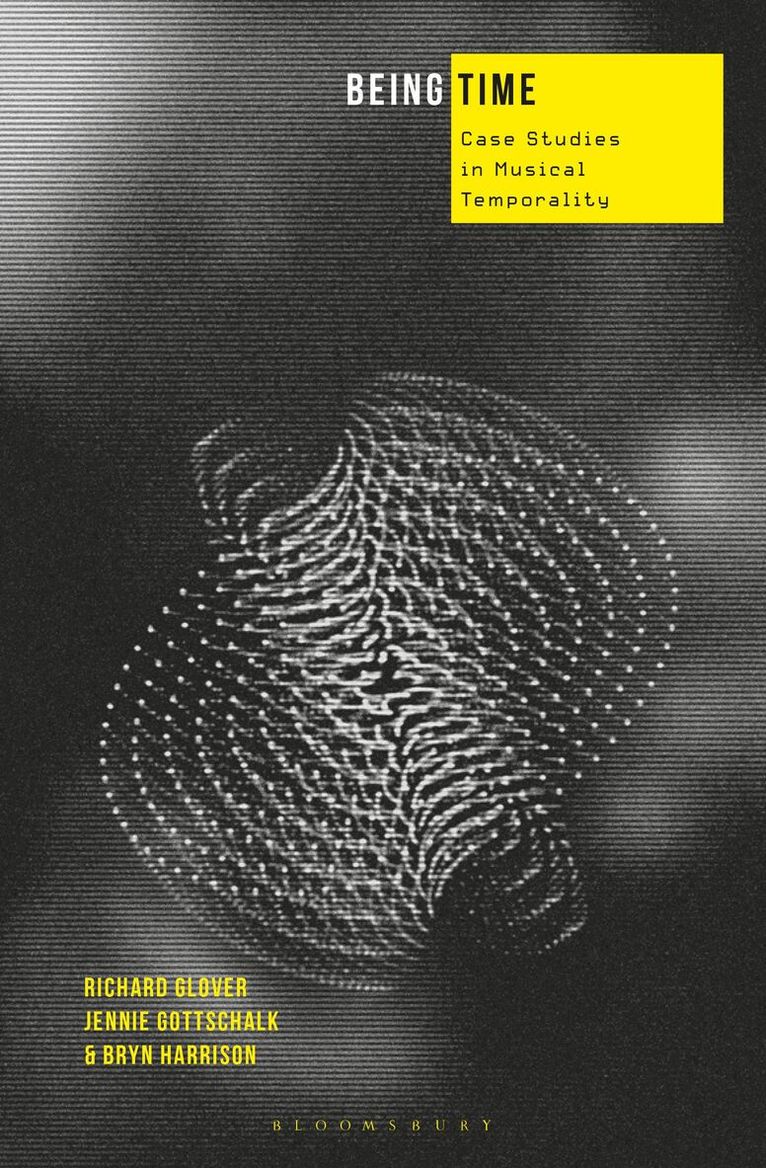
Being Time invites a deep consideration of the personal experience of temporality in music, focusing on the perceptual role of the listener. Through individual case studies, this book centers on musical works that deal with time in radical ways. These include pieces by Morton Feldman, James Saunders, Chiyoko Szlavnics, Ryoji Ikeda, Toshiya Tsunoda, Laurie Spiegel and André O. Möller. Multiple perspectives are explored through a series of encounters, initially between an individual and a work, and subsequently with each author’s varying experiences of temporality. The authors compare their responses to features such as repetition, speed, duration and scale from a perceptual standpoint, drawing in reflections on aspects such as musical memory and anticipation. The observations made in this book are accessible and relevant to readers who are interested in exploring issues of temporality from a broad range of disciplinary perspectives.
1 619 kr
Skickas inom 10-15 vardagar
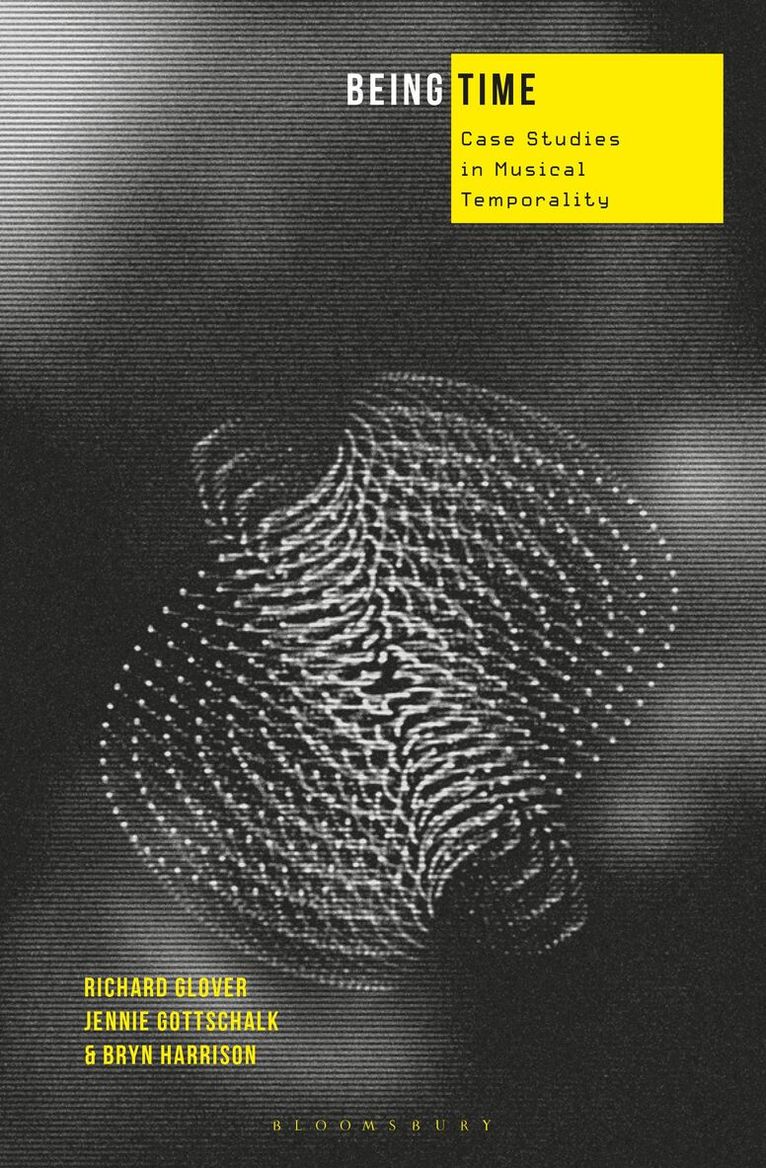
Being Time invites a deep consideration of the personal experience of temporality in music, focusing on the perceptual role of the listener. Through individual case studies, this book centers on musical works that deal with time in radical ways. These include pieces by Morton Feldman, James Saunders, Chiyoko Szlavnics, Ryoji Ikeda, Toshiya Tsunoda, Laurie Spiegel and André O. Möller. Multiple perspectives are explored through a series of encounters, initially between an individual and a work, and subsequently with each author’s varying experiences of temporality. The authors compare their responses to features such as repetition, speed, duration and scale from a perceptual standpoint, drawing in reflections on aspects such as musical memory and anticipation. The observations made in this book are accessible and relevant to readers who are interested in exploring issues of temporality from a broad range of disciplinary perspectives.
414 kr
Skickas inom 7-10 vardagar
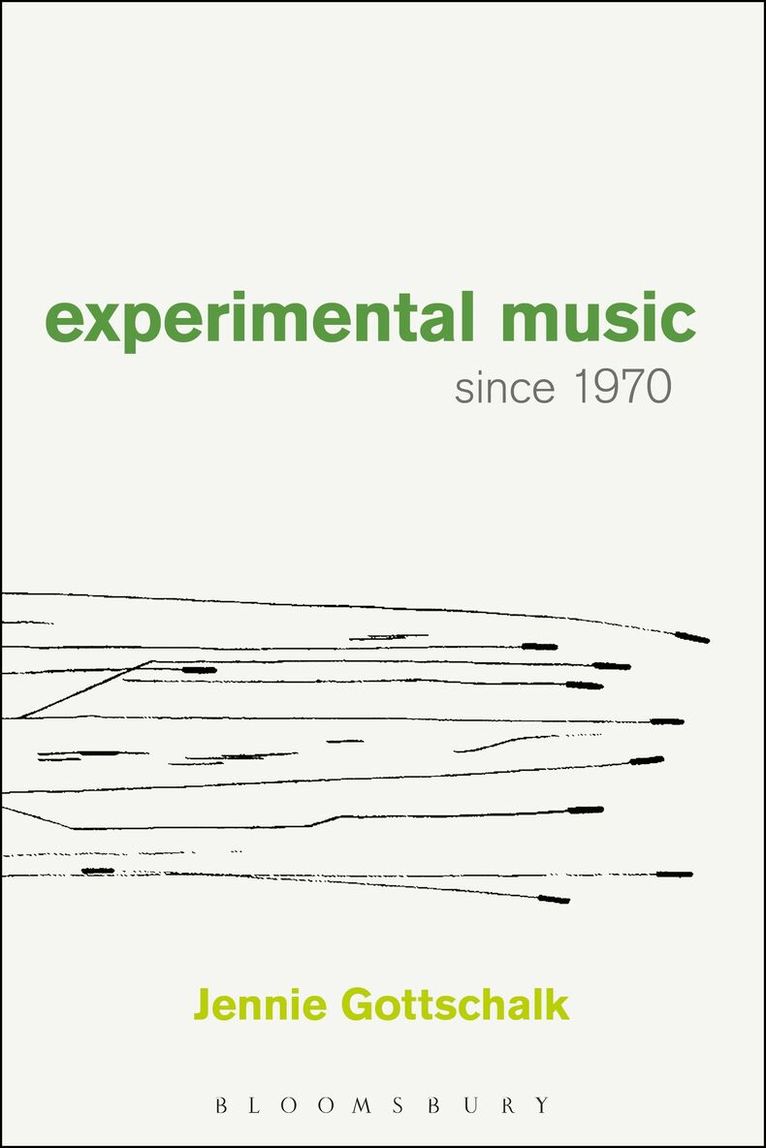
What is experimental music today? This book offers an up to date survey of this field for anyone with an interest, from seasoned practitioners to curious readers. This book takes the stance that experimental music is not a limited historical event, but is a proliferation of approaches to sound that reveals much about present-day experience. An experimental work is not identifiable by its sound alone, but by the nature of the questions it poses and its openness to the sounding event.Experimentation is a way of working. It pushes past that which is known to discover what lies beyond it, finding new knowledge, forms, and relationships, or accepting a state of uncertainty. For each of these composers and sound artists, craft is developed and transformed in response to the questions they bring to their work. Scientific, perceptual, or social phenomena become catalysts in the operation of the work. These practices are not presented according to a chronology, a set of techniques, or social groupings. Instead, they are organized according to the content areas that are their subjects, including resonance, harmony, objects, shapes, perception, language, interaction, sites, and histories. Musical materials may be subject, among other treatments, to systemization, observation, examination, magnification, fragmentation, translation, or destabilization. These restless and exploratory modes of engagement have continued to develop over recent decades, expanding the scope of both musical practice and listening.
2 022 kr
Skickas inom 10-15 vardagar
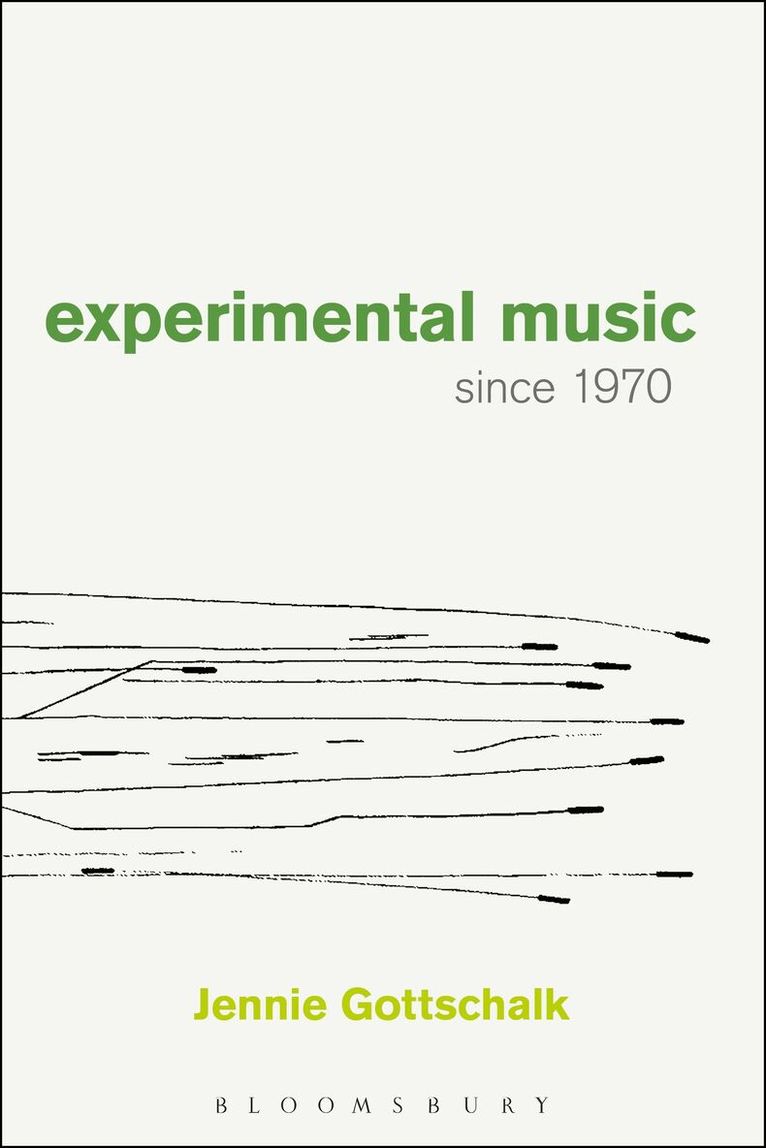
What is experimental music today? This book offers an up to date survey of this field for anyone with an interest, from seasoned practitioners to curious readers. This book takes the stance that experimental music is not a limited historical event, but is a proliferation of approaches to sound that reveals much about present-day experience. An experimental work is not identifiable by its sound alone, but by the nature of the questions it poses and its openness to the sounding event.Experimentation is a way of working. It pushes past that which is known to discover what lies beyond it, finding new knowledge, forms, and relationships, or accepting a state of uncertainty. For each of these composers and sound artists, craft is developed and transformed in response to the questions they bring to their work. Scientific, perceptual, or social phenomena become catalysts in the operation of the work. These practices are not presented according to a chronology, a set of techniques, or social groupings. Instead, they are organized according to the content areas that are their subjects, including resonance, harmony, objects, shapes, perception, language, interaction, sites, and histories. Musical materials may be subject, among other treatments, to systemization, observation, examination, magnification, fragmentation, translation, or destabilization. These restless and exploratory modes of engagement have continued to develop over recent decades, expanding the scope of both musical practice and listening.

1 712 kr
Kommande
Score-Making is an invitation to develop meaningful links between sound practices and everyday experience.There are prompts in several broad sections—maps, necessities, difficulties—that involve responding to questions and then drawing from those responses to create a set of instructions for sound-making (“scores”). Several example scores are included under each set of questions. Through performance of these scores, abstract ideas are brought into the realm of direct, immediate experience.While this project is grounded in a text score tradition associated with experimental music, it is open to any number of approaches and can be bent to the creative will and technical resources of each individual reader. It mainly calls for honesty and a willingness to seek out alignment between personal and creative intentions.

511 kr
Kommande
Score-Making is an invitation to develop meaningful links between sound practices and everyday experience.There are prompts in several broad sections—maps, necessities, difficulties—that involve responding to questions and then drawing from those responses to create a set of instructions for sound-making (“scores”). Several example scores are included under each set of questions. Through performance of these scores, abstract ideas are brought into the realm of direct, immediate experience.While this project is grounded in a text score tradition associated with experimental music, it is open to any number of approaches and can be bent to the creative will and technical resources of each individual reader. It mainly calls for honesty and a willingness to seek out alignment between personal and creative intentions.