
Jo Fox - Böcker
Visar alla böcker från författaren Jo Fox. Handla med fri frakt och snabb leverans.
5 produkter
5 produkter
475 kr
Skickas inom 10-15 vardagar
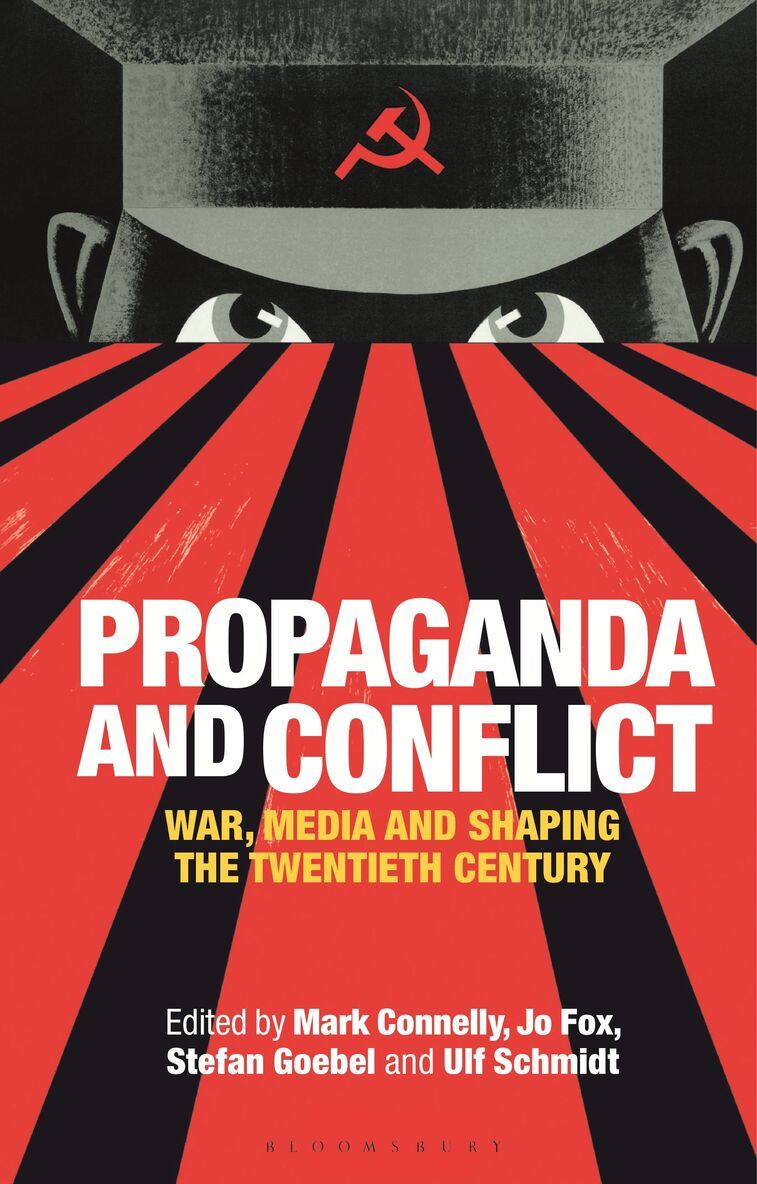
This open access volume presents the latest research in propaganda studies, featuring contributions from a range of leading scholars and covering the most cutting-edge scholarship in the study of propaganda from World War I to the present.Propaganda has always played a key role in shaping attitudes during periods of conflict and the academic study of propaganda, commencing in earnest in 1915, has never really left us. We continue to want to understand propaganda’s inner-workings and, in doing so, to control and confine its influence. We remain anxious about pernicious information warfare campaigns, especially those that seemingly endanger liberal democracy or freedom of thought. What are the challenges, then, of studying propaganda studies in the twenty-first century? Much scholarship remains locked into the study of state-led campaigns, however an area of special concern in recent years has been the loss of official control over the basic instruments of mass communication. This has been seen in the rise of ‘fake news’ and the ability of non-state actors to influence political events. The ebook editions of this book are available open access under a CC BY-NC-ND 4.0 licence on bloomsburycollection.com. Open access was funded by Knowledge Unlatched.
1 754 kr
Skickas inom 10-15 vardagar
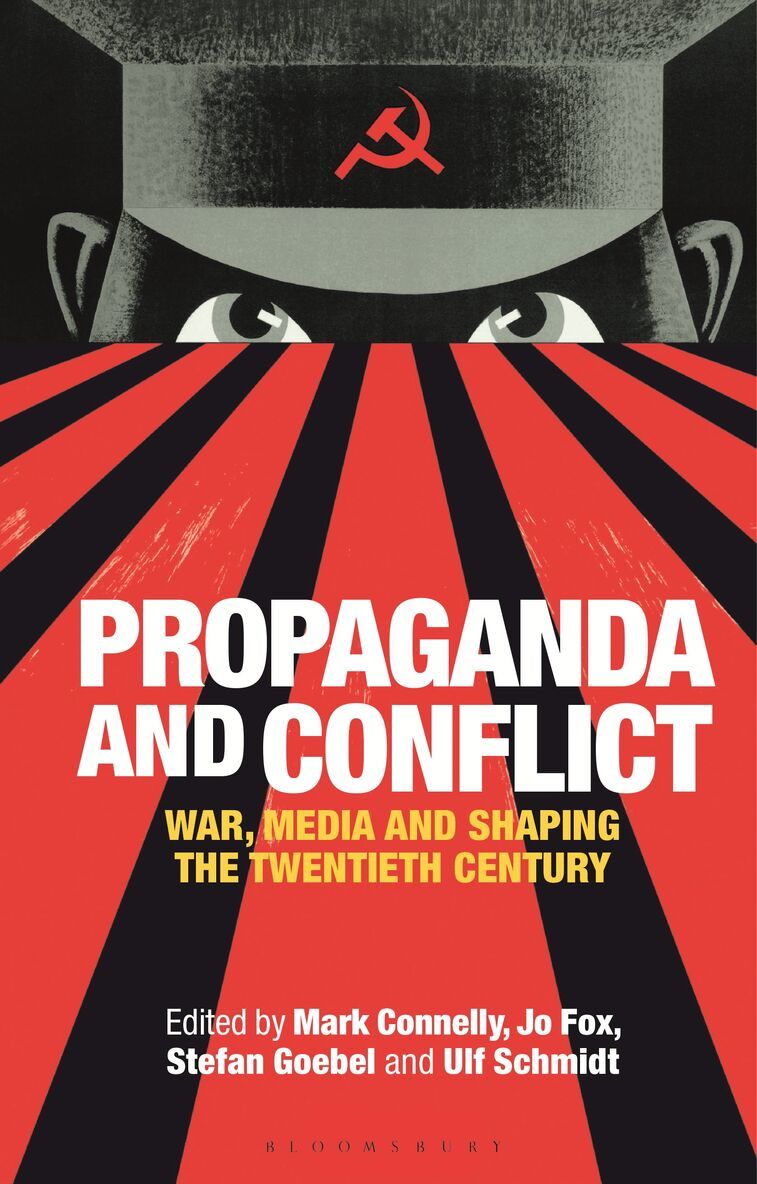
This open access volume presents the latest research in propaganda studies, featuring contributions from a range of leading scholars and covering the most cutting-edge scholarship in the study of propaganda from World War I to the present.Propaganda has always played a key role in shaping attitudes during periods of conflict and the academic study of propaganda, commencing in earnest in 1915, has never really left us. We continue to want to understand propaganda’s inner-workings and, in doing so, to control and confine its influence. We remain anxious about pernicious information warfare campaigns, especially those that seemingly endanger liberal democracy or freedom of thought. What are the challenges, then, of studying propaganda studies in the twenty-first century? Much scholarship remains locked into the study of state-led campaigns, however an area of special concern in recent years has been the loss of official control over the basic instruments of mass communication. This has been seen in the rise of ‘fake news’ and the ability of non-state actors to influence political events. The ebook editions of this book are available open access under a CC BY-NC-ND 4.0 licence on bloomsburycollection.com. Open access was funded by Knowledge Unlatched.
489 kr
Skickas inom 10-15 vardagar
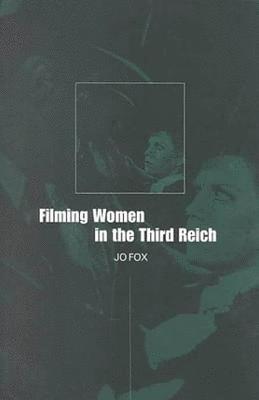
In 1936, Goebbels stated that 'a government that controls art will remain forever', and the German film industry became inextricably linked with National Socialist propaganda. This book is an historical evaluation of the role and image of women in the feature films of the Third Reich. The author challenges current perceptions of the National Socialist position with regards to women and examines the creation of a female film culture, as well as the 'blurring' of gender distinctions as a result of the war.Goebbels and his wife personally selected young movie actresses at their home to portray mothers, vamps, girls-next-door and exotic love interests. His interest in film opens up an array of important issues central to this book: Were women compliant with Nazism or were they the victims of a regime imposing policies ultimately detrimental to their condition? Is it true that the war helped to emancipate women who were not only romantic and patriotic heroines on screen but employed as drivers, technicians and even managers of government affiliated film departments? Did all films produced under the auspices of the Third Reich serve as propaganda and if so, how successful were they?And finally, what can the study of cinema contribute to the historical debate surrounding National Socialism? This book fills a considerable gap in the research of the Nazi star system and makes a crucial contribution not only to cinema history, but also to our view of the perceived role of women in the Third Reich.'This book will change the way that we look at Nazi Germany.'Richard Taylor, University of Swansea
1 572 kr
Skickas inom 10-15 vardagar
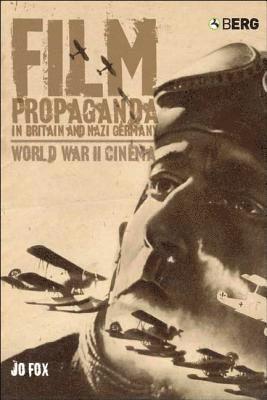
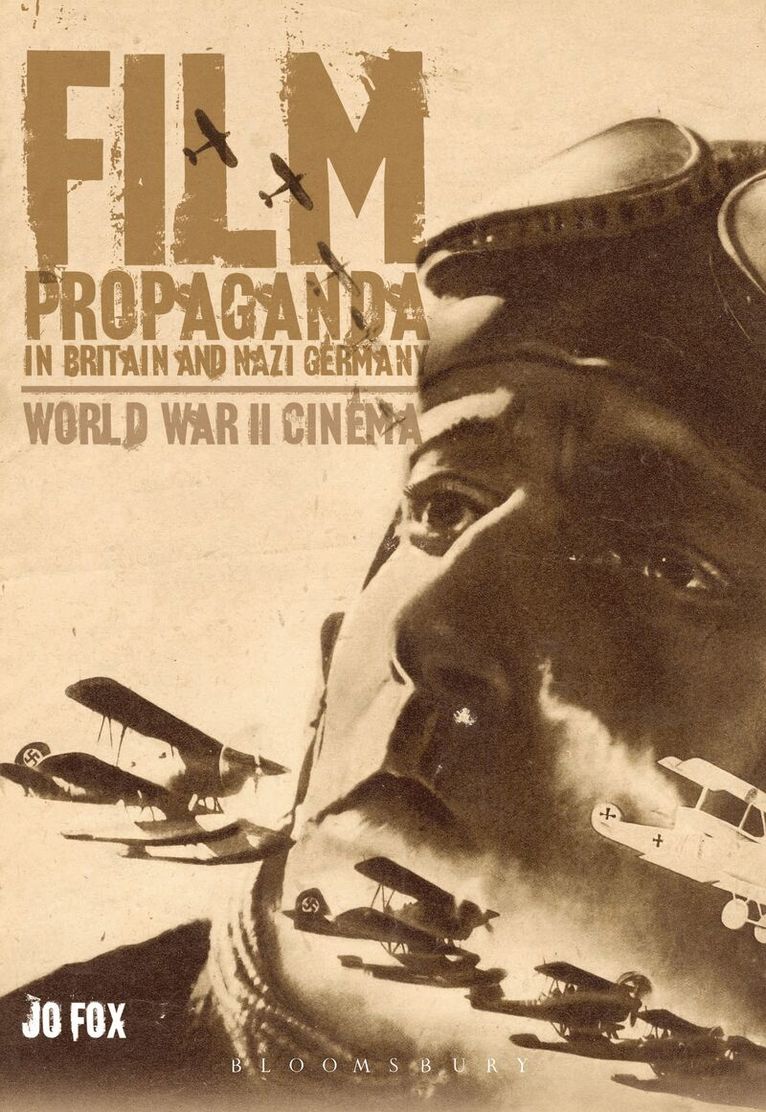
Propaganda--so crucial to winning the battle of hearts and minds in warfare--witnessed a transformation during World War II, when film was fast becoming the most popular form of entertainment. In Film Propaganda in Britain and Nazi Germany, Jo Fox compares how each country exploited their national cinema for political purposes. Through an investigation of shorts and feature films, the author looks at how both political propaganda films and escapist cinema were critical in maintaining the morale of both civilians and the military and how this changed throughout the war. While both countries shared certain similarities in their wartime propaganda films - a harking back to a glorious historic past, for example - the thematic differences reveal important distinctions between cultures.This book offers new insight into the shifting pattern of morale during World War II and highlights a key moment in propaganda film history.
448 kr
Skickas inom 10-15 vardagar
Propaganda - so crucial to winning the battle of hearts and minds in warfare - witnessed a transformation during World War II, when film was fast becoming the most popular form of entertainment. In Film Propaganda in Britain and Nazi Germany, Jo Fox compares how each country exploited their national cinema for political purposes. Through an investigation of shorts and feature films, the author looks at how both political propaganda films and escapist cinema were critical in maintaining the morale of civilians and the military, and how this changed throughout the war. While both countries shared certain similarities in their wartime propaganda films - a harking back to a glorious historic past, for example - the thematic differences reveal important distinctions between cultures. This book offers new insight into the shifting pattern of morale during World War II and highlights a key moment in propaganda film history.