
Mark Simmons - Böcker
Visar alla böcker från författaren Mark Simmons. Handla med fri frakt och snabb leverans.
18 produkter
18 produkter
266 kr
Skickas inom 3-6 vardagar
212 kr
Skickas inom 5-8 vardagar
194 kr
Skickas
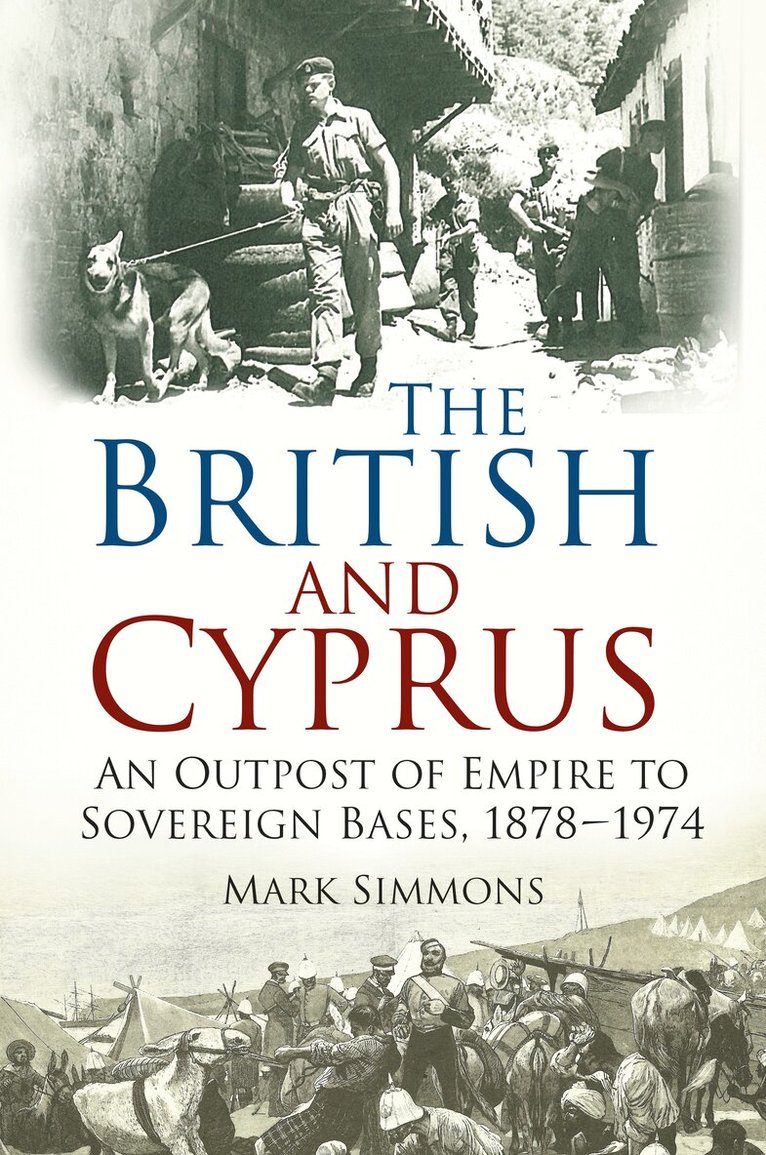
The relationship between Britain and Cyprus over the course of the past 100 years has been a constantly evolving one. Since the First World War, Cyprus has played a key role in British defence strategy, and, after the withdrawal from Egypt, the island became the British Middle East headquarters. Today, Britain retains two sovereign bases in Cyprus and the island has become a popular holiday destination for many British tourists. Using previously unpublished letters and personal interviews, The British and Cyprus is told through the words of the people who served the British Crown on Cyprus – civil and military – and includes fascinating accounts of the dramatic fight against EOKA in the 1950s, who pressed for an end to British rule on the island.
171 kr
Skickas inom 7-10 vardagar
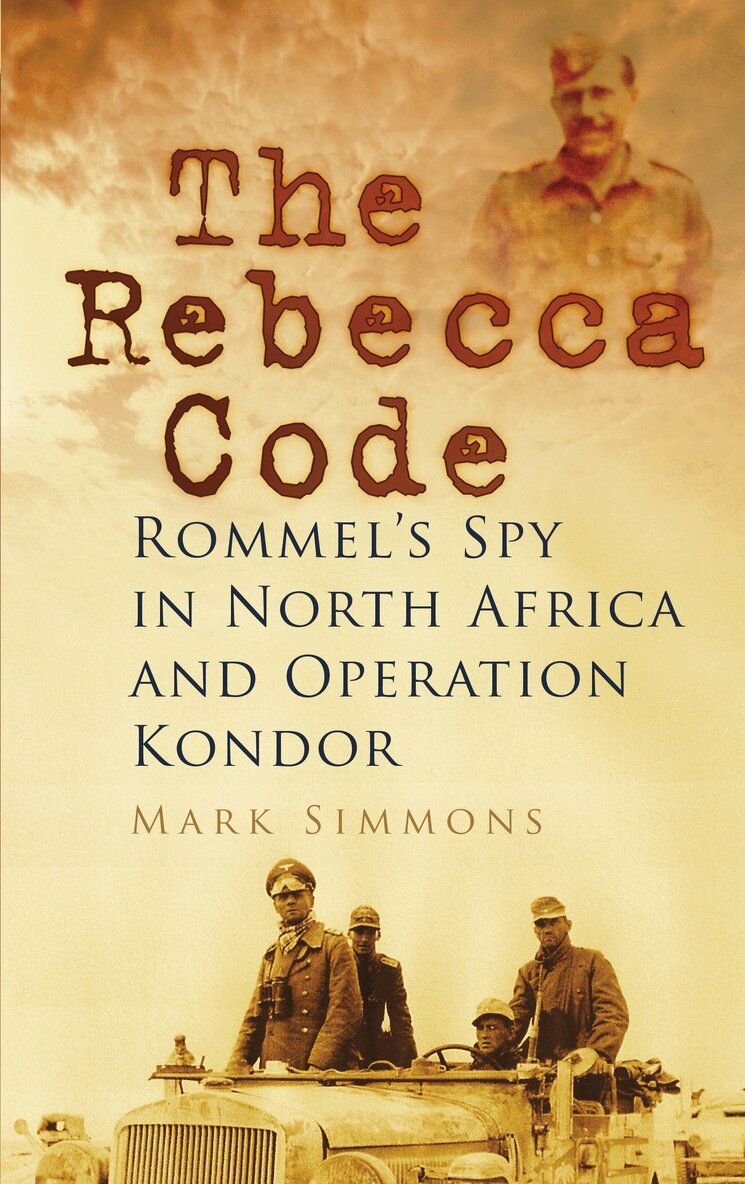
John Eppler thought himself to be the perfect spy. Born to German parents, he grew up in Egypt, adopted by a wealthy family and was educated in Europe. Fluent in German, English and Arabic, he made the Hadj to Mecca but was more at home in high society or travelling the desert on camelback with his adopted Bedouin tribe. After joining the German Secret Service in 1937, in 1942 he was sent across the desert to Cairo by Field Marshal Rommel. His guide was the explorer and Hungarian aristocrat Laszlo Almasy, a man made famous by the book The English Patient. Eppler’s mission was to infiltrate British Army Headquarters and discover the Eighth Army’s troop movements and battle plans. In The Rebecca Code, Mark Simmons reveals the story of Operation Condor and its comedy of errors and how it was foiled by Major A.W. ‘Sammy’ Sansom of the British Field Security Service. It is a tale of the desert, of the hotbed of intrigue that was 1940s Cairo, and the spy who was to send his reports using a code based on Daphne du Maurier’s novel Rebecca.
266 kr
Skickas
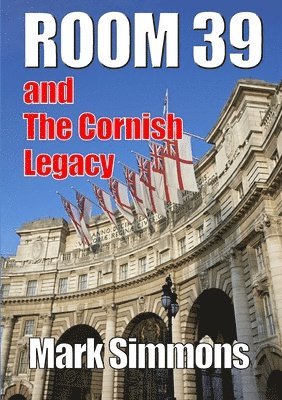
On 4 September 1944, Allied forces and local resistance fighters captured the Belgian port of Antwerp, the largest harbour in Europe. Once opened to Allied shipping, the port would revolutionise the Allies’ delivery of supplies into mainland Europe, stores which were still having to make the long overland journey from Normandy and places such as Cherbourg. But to enable this to happen, the Scheldt Estuary and, more importantly, the island of Walcheren also needed to cleared of Hitler’s forces.The task of storming and liberating the heavily defended island of Walcheren was handed to the men of the Commandos. Under Operation Infatuate, the plan was to land Commandos at Westkapelle and Flushing, and have the Canadians push across the Walcheren Causeway. Launched on 1 November 1944, Operation Infatuate was the last and one of costliest Combined Operations attacks of the Second World War in Europe. Such was the bitter nature of the fighting, in one sector alone, out of twenty-eight landing craft deployed, only five survived touchdown.Despite the Allies’ victory, the fighting was far from over for the Commandos. Indeed, a number of them were rushed to help fill the lines during Hitler’s Ardennes offensive – the Battle of the Bulge. Despite the urgency of such a move, many of the Commandos felt they were wasted undertaking what they considered to be an infantry task, and should have reverted back to their original raiding role. In fact, the 4th Commando Brigade did find itself on the River Maas line until the end of the war in Europe, while the 1st Commando Brigade was called upon to lead the advance across a number of major rivers into the very heart of Germany. Starting with the mighty Rhine, the Brigade used its specialist amphibious skills as assault troops before advancing on across the Weser, Aller, and Elbe rivers, all of which was only achieved after much hard fighting.With the Commandos tells a story which has been largely forgotten, namely that of the Commandos’ role in the last few months of the war in Europe. It was a period when, following D-Day and the Normandy landings and subsequent breakout, these men battled their way into the heart of Third Reich fighting against a fanatical foe.
214 kr
Skickas inom 5-8 vardagar
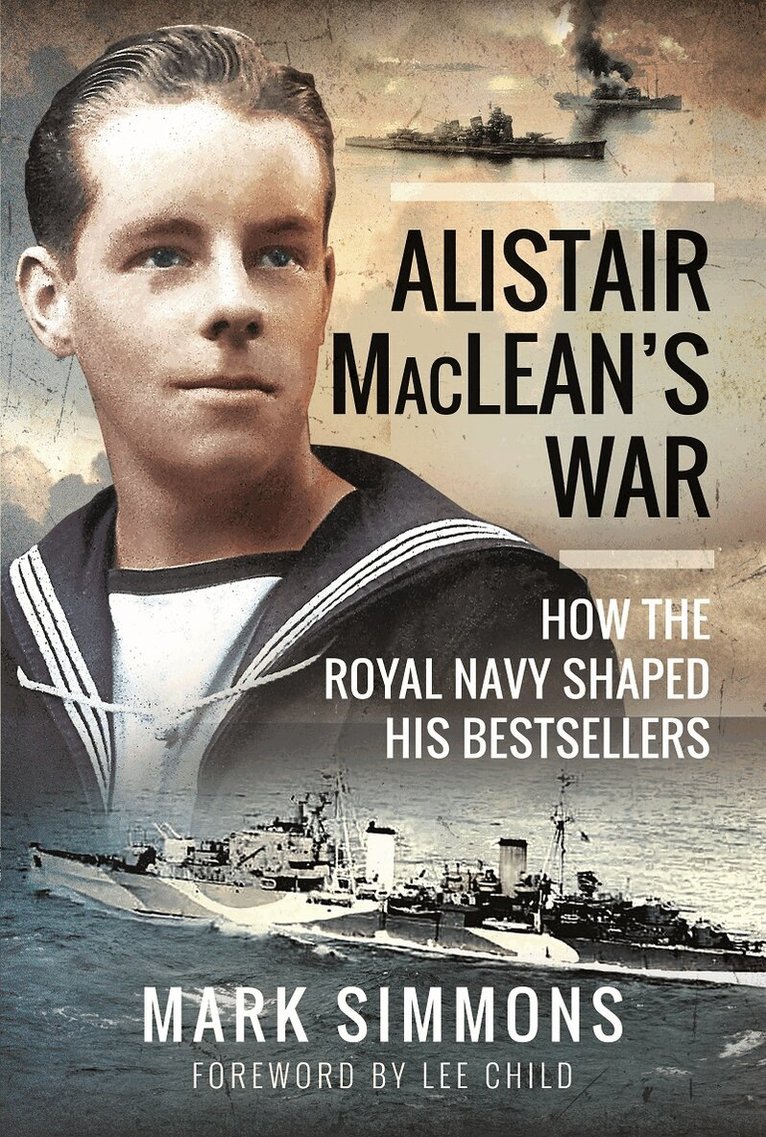
Alistair MacLean's War
How the Royal Navy Shaped his Bestsellers, with a Foreword by Lee Child
Inbunden, Engelska, 2022
221 kr
Skickas
‘I was delighted when Mark Simmons asked me to write the foreword for this book – mostly because the request implied the book had actually been written and was ready to go. It’s a subject I have long wanted to see covered, and finally it has been. Excellent!’ Lee ChildIt is no coincidence that many of Alistair MacLean's most successful novels were sea stories. In 1941, he was called up after volunteering for the Royal Navy and served as Ordinary Seaman, Able Seaman, and Leading Torpedo Operator. For the majority of his service, he was on HMS Royalist, a modified Dido-class light cruiser, seeing action in the Arctic, and operations against the German battleship Tirpitz . The ship then deployed to the Mediterranean taking part in Operation Dragoon the invasion of the South of France and later in operations against German occupied Greek Islands in the Aegean. After which MacLean and Royalist were deployed to the Indian Ocean and operations against the Japanese in Malaya, Burma, and Sumatra.His wartime experiences coupled with exceptional literary skill resulted in the runaway success of his first novel HMS Ulysses (1955) followed by The Guns of Navarone (1957) and South by Java Head (1958). These three blockbusters cemented his position as one of the most successful and highly paid authors of the era.While not a whole life biography, Mark Simmon's book provides a fascinating insight into Maclean's war service and subsequent works, which deserve enduring popularity.
266 kr
Skickas inom 5-8 vardagar
214 kr
Skickas
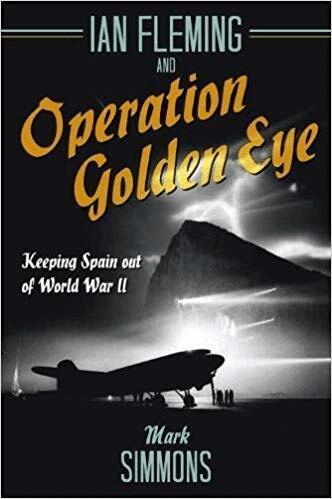
This book tells the story of the various Allied operations and schemes instigated to keep Spain and Portugal out of WWII, which included the widespread bribery of high ranking Spanish officials and the duplicity of Admiral Wilhelm Canaris, head of the Abwehr.Ian Fleming and Alan Hillgarth were the architects of Operation Golden Eye, the sabotage and disruption scheme that would be put in place had Germany invaded Spain. Fleming visited the Iberian Peninsula and Tangiers several times during the war, arguably his greatest achievement in WWII and the closest he came to being a real secret agent. It was these visits which supplied much of the background material for his fiction - Fleming even called his home on Jamaica where he created 007 'Goldeneye'.The book begins with Hitler's dilemma about which way to move, and his meeting with Francisco Franco at Hendaye in October 1940, a major turning point in the war when an alliance between Germany and Spain seemed possible. Simmons explores the British reaction to this, with Operation Tracer being created by Admiral Godfrey, head of Naval Intelligence. This was a plan to leave a listening and observation post buried in the Rock of Gibraltar should it have fallen to the Germans. A chapter is also devoted to Portugal – the SIS and SOE operations there and the vital Wolfram wars. Operation Golden Eye was eventually put on standby in 1943 as the risk of the Nazis occupying Spain was much reduced. Simmons consulted Foreign Office, SOE, CIA and OKW files when writing this book.
157 kr
Skickas
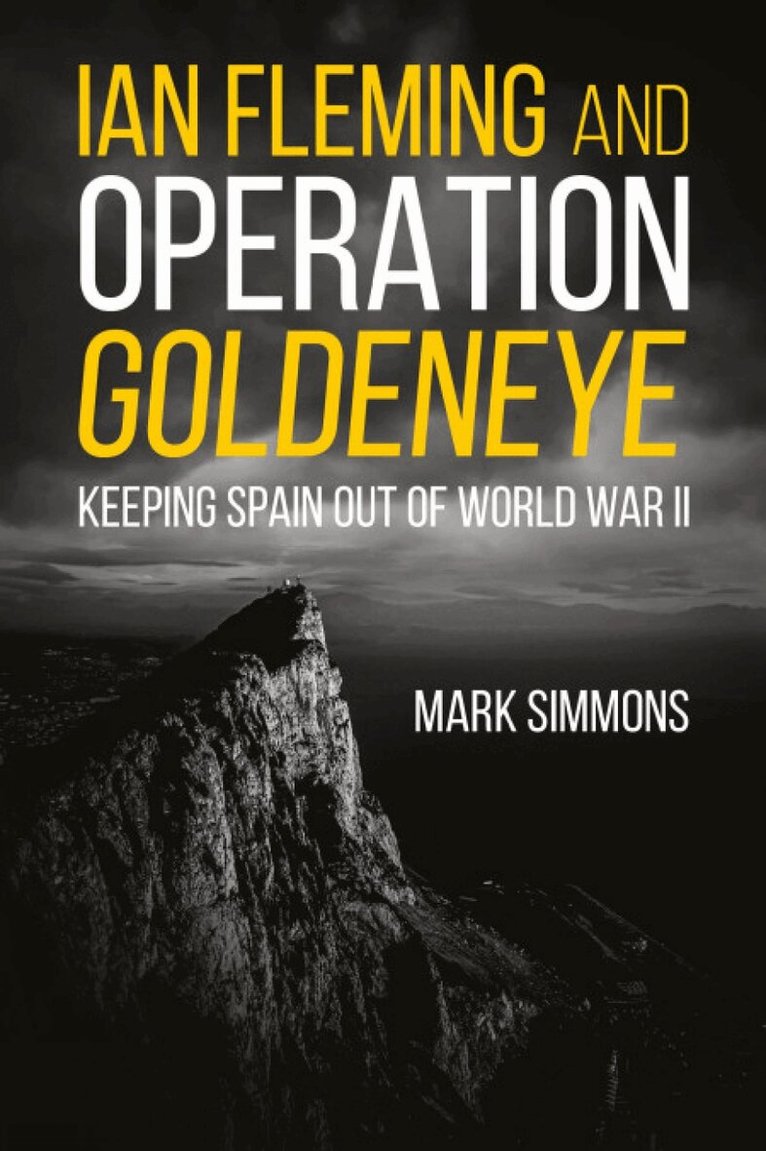
This book tells the story of the various Allied operations and schemes instigated to keep Spain and Portugal out of WWII, which included the widespread bribery of high ranking Spanish officials and the duplicity of Admiral Wilhelm Canaris, head of the Abwehr. Ian Fleming and Alan Hillgarth were the architects of Operation Golden Eye, the sabotage and disruption scheme that would be put in place had Germany invaded Spain. Fleming visited the Iberian Peninsula and Tangiers several times during the war, arguably his greatest achievement in WWII and the closest he came to being a real secret agent. It was these visits which supplied much of the background material for his fiction – Fleming even called his home on Jamaica where he created 007 'Goldeneye'. The book begins with Hitler's dilemma about which way to move, and his meeting with Francisco Franco at Hendaye in October 1940, a major turning point in the war when an alliance between Germany and Spain seemed possible. Simmons explores the British reaction to this, with Operation Tracer being created by Admiral Godfrey, head of Naval Intelligence. This was a plan to leave a listening and observation post buried in the Rock of Gibraltar should it have fallen to the Germans. A chapter is also devoted to Portugal – the SIS and SOE operations there and the vital Wolfram wars. Operation Golden Eye was eventually put on standby in 1943 as the risk of the Nazis occupying Spain was much reduced. Simmons consulted Foreign Office, SOE, CIA and OKW files when writing this book.

151 kr
Skickas inom 5-8 vardagar

249 kr
Skickas inom 5-8 vardagar
222 kr
Skickas inom 5-8 vardagar
181 kr
Skickas inom 7-10 vardagar
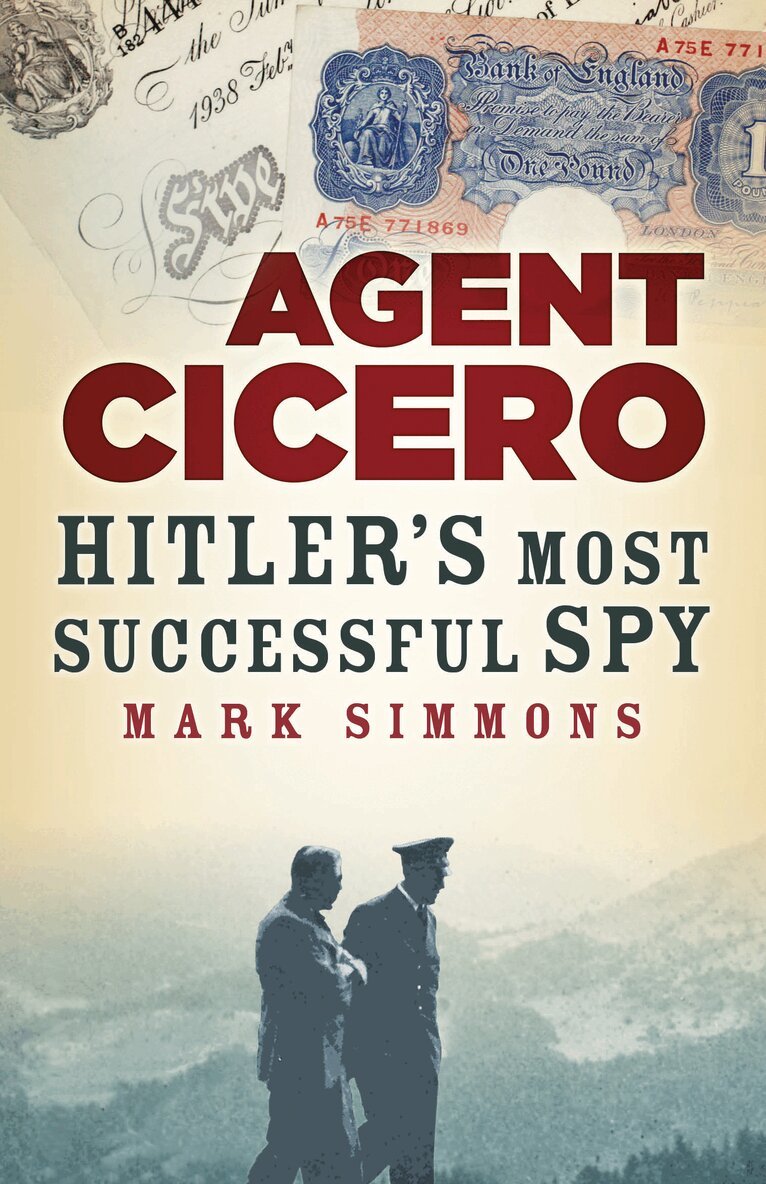
ELYESA BAZNA WAS THE HIGHEST-PAID SPY IN HISTORY.Working for the British ambassador in Ankara in 1943, Bazna photographed top-secret documents and sold them to the Nazis. So started his career as a ‘walk-in’, a freelance spy whose loyalties lay with the highest bidder. His codename was Cicero.But a beautiful woman was to end it all. Cicero was compromised by an American-controlled agent working at the German Embassy, who obtained his codename and discovered that he was working at the British Embassy. He fled and narrowly avoided being captured by the tipped-off British. Finally free, he realised his money was worthless – most of it was counterfeit, produced by the Nazi scheme Operation Bernhard.In Agent Cicero: Hitler’s Most Successful Spy, Mark Simmons weaves together personal accounts by the leading characters and information from top-secret files from MI5, MI6 and the CIA to tell this astonishing story.
192 kr
Skickas
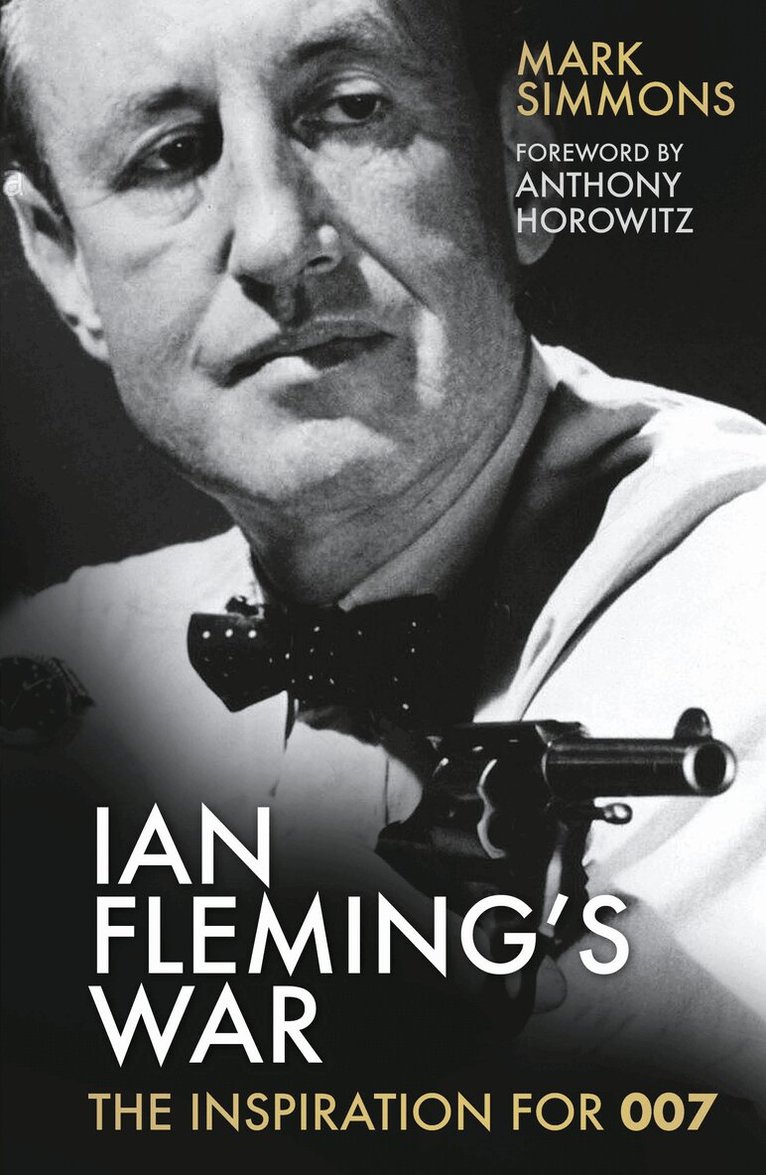
In 1953, Ian Fleming’s literary sensation James Bond emerged onto the world’s stage. Nearly seven decades later, he has become a multi-billion-pound film franchise, now equipped with all the gizmos of the modern world. Yet Fleming’s creation, who battled his way through the fourteen novels from 1953 to 1966, was a maverick – a man out of place. Bond even admits it, wishing he was back in the real war… the Second World War. Indeed, the thread of the Second World War runs through the whole of the Bond series, and many were inspired by the real events and people Fleming came across during his time in Naval Intelligence.In Ian Fleming’s War, Mark Simmons explores these remarkable similarities, from Fleming’s scheme to capture a German naval codebook that appears in Thunderball as Plan Omega, to the exploits of 30 Assault Unit, the commando team he helped to create, which inspired Moonraker.
123 kr
Skickas inom 5-8 vardagar
231 kr
Skickas inom 5-8 vardagar

213 kr
Skickas