
Mark Wilson Jones - Böcker
Visar alla böcker från författaren Mark Wilson Jones. Handla med fri frakt och snabb leverans.
4 produkter
4 produkter
376 kr
Skickas inom 7-10 vardagar
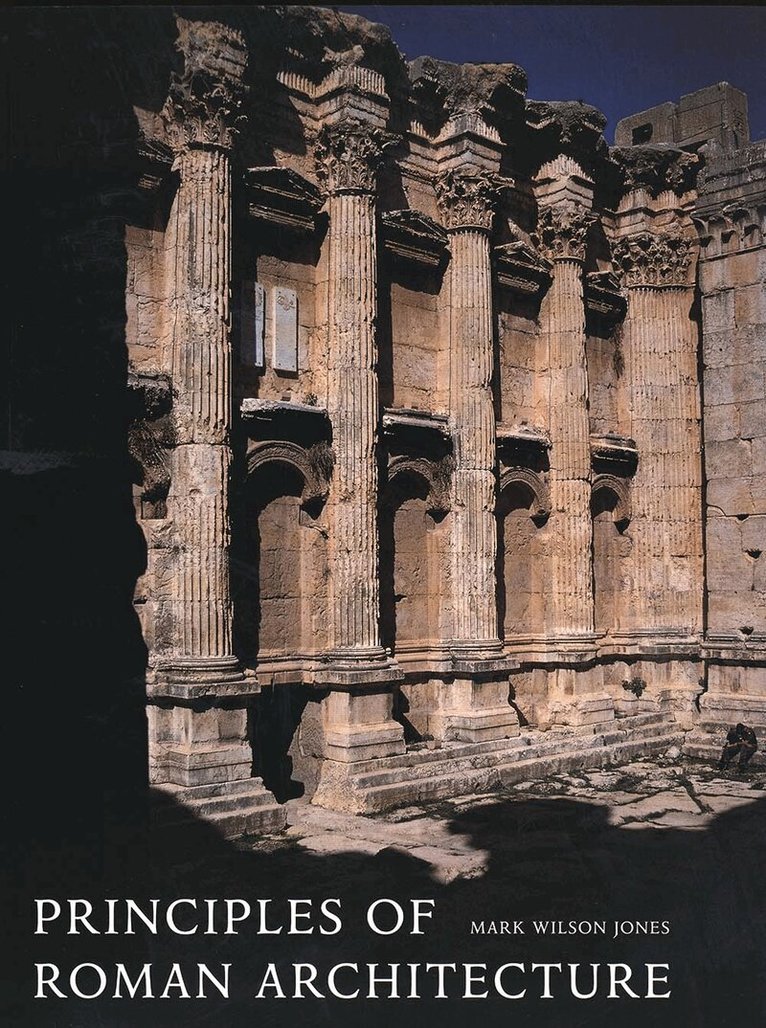
The architects of ancient Rome developed a vibrant and enduring tradition, inspiring those who followed in their profession even to the present day. This original book is the first to explore their approach to design. Mark Wilson Jones draws on both new archaeological discoveries and his own analyzes of the monuments to reveal how Roman architects went about the creative process.Wilson Jones begins by outlining the state of knowledge regarding Roman architects, Vitruvius in particular, as well as the dynamics of design as illuminated by surviving architectural drawings and models. Then, in a series of thematic chapters dedicated to the plan, the elevation, and the principal distributive element of Roman buildings, the Corinthian column, he focuses on underlying patterns of design that transcend function and typology. The success of Roman architecture is shown to rest on a robust yet subtle synthesis of theory, beauty, content, and practicality. At the same time, it maintains a vital equilibrium between the apparently conflicting goals of rule and variety. The next part of the book focuses on two singularly enigmatic monuments, Trajan’s Column and the Pantheon, to illustrate how architects might bend principles to circumstance. The author resolves long-standing controversies over their conception, showing how both structures came to be modified after work on the site had begun. Even the Romans’ mighty building machine had to come to terms with the gap between ideals and the physical realities of construction.
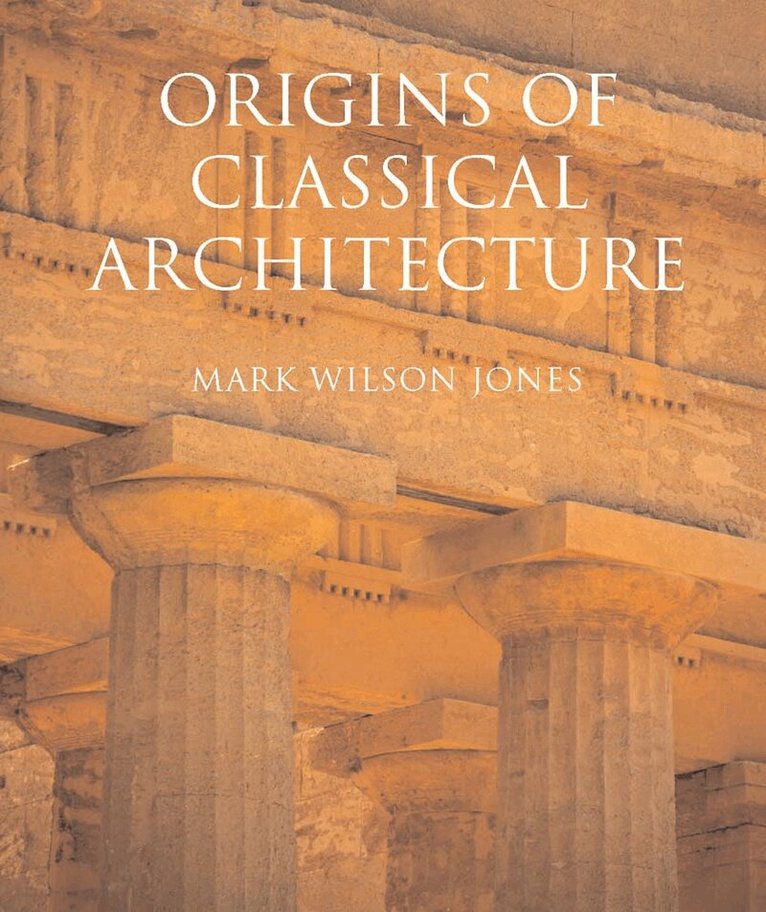
Origins of Classical Architecture
Temples, Orders, and Gifts to the Gods in Ancient Greece
Inbunden, Engelska, 2014
430 kr
Skickas inom 7-10 vardagar
The Greek architectural orders—Doric, Ionic, and Corinthian—lie at the heart of the classical traditions of building, and yet satisfying accounts for their origins have proved elusive. In contrast with conventional theories that would see the orders originating over the course of a long evolution, this book stresses the suddenness of the phenomenon and its dependence on historical context, human agency, and artistic inspiration. Casting new light on a subject that has preoccupied architects since the Renaissance, Mark Wilson Jones shows how construction, influence, appearance, and meaning found expression in complex and multifaceted designs. New emphasis is placed on the relationship between the orders and the temples of worship that they were created to adorn. Temples were exquisitely made offerings to the divinity, and they also contained valuable offerings. In revealing affinities between certain offerings and the orders, the author explains how these gave architectural expression to sensibilities of intense social and religious significance.
422 kr
Skickas inom 7-10 vardagar
The Pantheon is one of the most important architectural monuments of all time. Thought to have been built by Emperor Hadrian in approximately AD 125 on the site of an earlier, Agrippan-era monument, it brilliantly displays the spatial pyrotechnics emblematic of Roman architecture and engineering. The Pantheon gives an up-to-date account of recent research on the best preserved building in the corpus of ancient Roman architecture from the time of its construction to the twenty-first century. Each chapter addresses a specific fundamental issue or period pertaining to the building; together, the essays in this volume shed light on all aspects of the Pantheon's creation, and establish the importance of the history of the building to an understanding of its ancient fabric and heritage, its present state, and its special role in the survival and evolution of ancient architecture in modern Rome.
1 702 kr
Skickas inom 7-10 vardagar
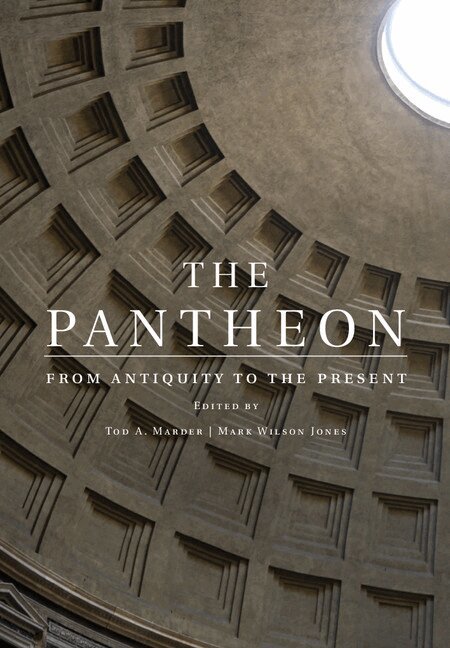
The Pantheon is one of the most important architectural monuments of all time. Thought to have been built by Emperor Hadrian in approximately AD 125 on the site of an earlier, Agrippan-era monument, it brilliantly displays the spatial pyrotechnics emblematic of Roman architecture and engineering. The Pantheon gives an up-to-date account of recent research on the best preserved building in the corpus of ancient Roman architecture from the time of its construction to the twenty-first century. Each chapter addresses a specific fundamental issue or period pertaining to the building; together, the essays in this volume shed light on all aspects of the Pantheon's creation, and establish the importance of the history of the building to an understanding of its ancient fabric and heritage, its present state, and its special role in the survival and evolution of ancient architecture in modern Rome.