
Neeraj Kaushal - Böcker
Visar alla böcker från författaren Neeraj Kaushal. Handla med fri frakt och snabb leverans.
4 produkter
4 produkter
1 981 kr
Skickas inom 3-6 vardagar
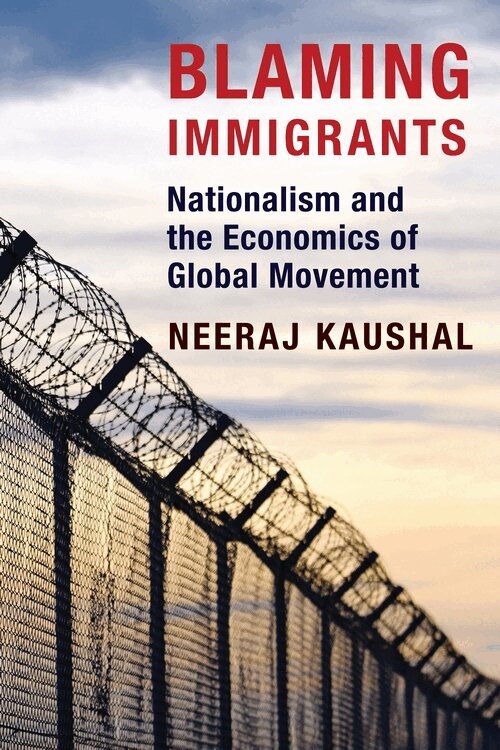
Immigration is shaking up electoral politics around the world. Anti-immigration and ultranationalistic politics are rising in Europe, the United States, and countries across Asia and Africa. What is causing this nativist fervor? Are immigrants the cause or merely a common scapegoat?In Blaming Immigrants, economist Neeraj Kaushal investigates the rising anxiety in host countries and tests common complaints against immigration. Do immigrants replace host country workers or create new jobs? Are they a net gain or a net drag on host countries? She finds that immigration, on balance, is beneficial to host countries. It is neither the volume nor pace of immigration but the willingness of nations to accept, absorb, and manage new flows of immigration that is fueling this disaffection. Kaushal delves into the demographics of immigrants worldwide, the economic tides that carry them, and the policies that shape where they make their new homes. She demystifies common misconceptions about immigration, showing that today’s global mobility is historically typical; that most immigration occurs through legal frameworks; that the U.S. system, far from being broken, works quite well most of the time and its features are replicated by many countries; and that proposed anti-immigrant measures are likely to cause suffering without deterring potential migrants. Featuring accessible and in-depth analysis of the economics of immigration in worldwide perspective, Blaming Immigrants is an informative and timely introduction to a critical global issue.
258 kr
Skickas inom 7-10 vardagar
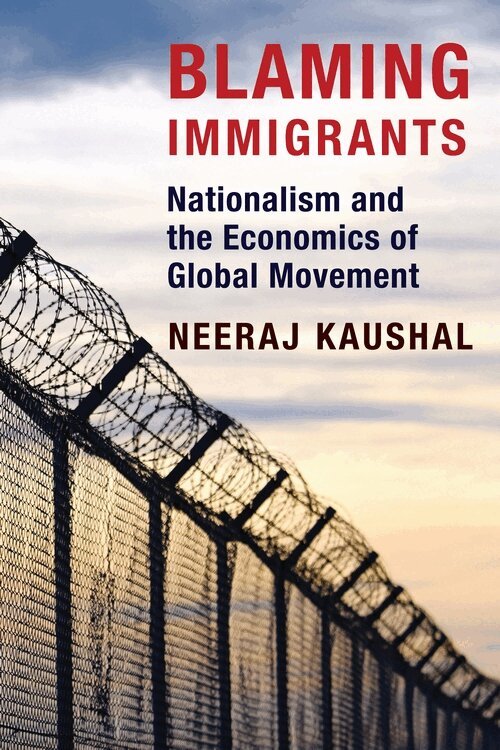
Immigration is shaking up electoral politics around the world. Anti-immigration and ultranationalistic politics are rising in Europe, the United States, and countries across Asia and Africa. What is causing this nativist fervor? Are immigrants the cause or merely a common scapegoat?In Blaming Immigrants, economist Neeraj Kaushal investigates the rising anxiety in host countries and tests common complaints against immigration. Do immigrants replace host country workers or create new jobs? Are they a net gain or a net drag on host countries? She finds that immigration, on balance, is beneficial to host countries. It is neither the volume nor pace of immigration but the willingness of nations to accept, absorb, and manage new flows of immigration that is fueling this disaffection. Kaushal delves into the demographics of immigrants worldwide, the economic tides that carry them, and the policies that shape where they make their new homes. She demystifies common misconceptions about immigration, showing that today’s global mobility is historically typical; that most immigration occurs through legal frameworks; that the U.S. system, far from being broken, works quite well most of the time and its features are replicated by many countries; and that proposed anti-immigrant measures are likely to cause suffering without deterring potential migrants. Featuring accessible and in-depth analysis of the economics of immigration in worldwide perspective, Blaming Immigrants is an informative and timely introduction to a critical global issue.
- Nyhet

When Africa Comes to America
How the Next Wave of Immigrants Will Transform the United States
Inbunden, Engelska, 2026
1 129 kr
Kommande
Africans are the fastest-growing immigrant group to the United States. Only a tiny fraction in the 1960s, they represented ten percent of documented immigrants in 2022. Without attracting much notice, immigration from Africa has the potential to change American society for the better.This book provides an expert analysis of the myths and realities surrounding African immigration today. Neeraj Kaushal argues that in the second half of the century, Africans will account for the largest share of immigrants to the United States. Challenging the view that African emigration is driven by poverty, war, and disaster, she demonstrates that the continent’s sizable and growing middle-class has both the aspirations and the means to relocate. First- and second-generation African immigrants are often highly skilled, and the children of Black African immigrants reach higher educational attainment than US-born whites and earn comparable incomes.Kaushal explores the political, economic, and demographic consequences, considering to what extent African immigrants can overcome American racial hierarchies and how their presence might change what it means to be Black in America. Through eye-opening empirical data, this book makes an optimistic case that the United States will continue to be a nation of immigrants.
- Nyhet

When Africa Comes to America
How the Next Wave of Immigrants Will Transform the United States
Häftad, Engelska, 2026
276 kr
Kommande
Africans are the fastest-growing immigrant group to the United States. Only a tiny fraction in the 1960s, they represented ten percent of documented immigrants in 2022. Without attracting much notice, immigration from Africa has the potential to change American society for the better.This book provides an expert analysis of the myths and realities surrounding African immigration today. Neeraj Kaushal argues that in the second half of the century, Africans will account for the largest share of immigrants to the United States. Challenging the view that African emigration is driven by poverty, war, and disaster, she demonstrates that the continent’s sizable and growing middle-class has both the aspirations and the means to relocate. First- and second-generation African immigrants are often highly skilled, and the children of Black African immigrants reach higher educational attainment than US-born whites and earn comparable incomes.Kaushal explores the political, economic, and demographic consequences, considering to what extent African immigrants can overcome American racial hierarchies and how their presence might change what it means to be Black in America. Through eye-opening empirical data, this book makes an optimistic case that the United States will continue to be a nation of immigrants.