
Paul L. Hedren - Böcker
Visar alla böcker från författaren Paul L. Hedren. Handla med fri frakt och snabb leverans.
9 produkter
9 produkter
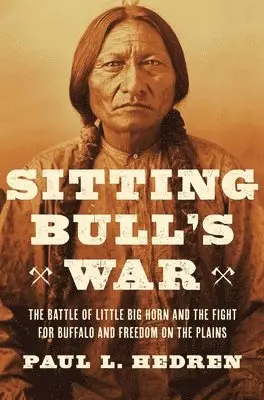
Sitting Bull's War: The Battle of Little Big Horn and the Fight for Buffalo and Freedom on the Plains
Inbunden, Engelska, 2025
389 kr
Skickas inom 3-6 vardagar
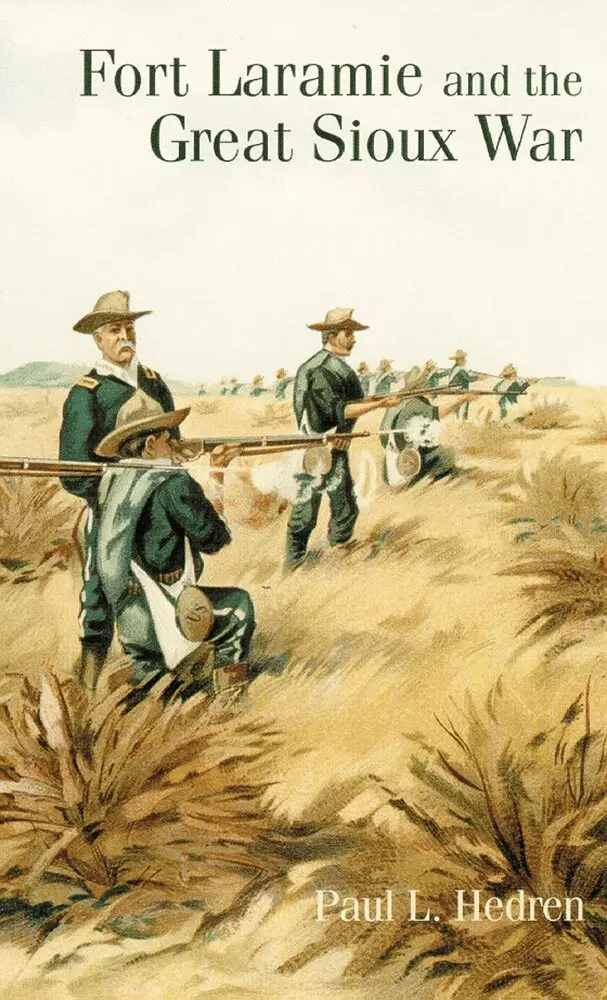
240 kr
Skickas inom 10-15 vardagar
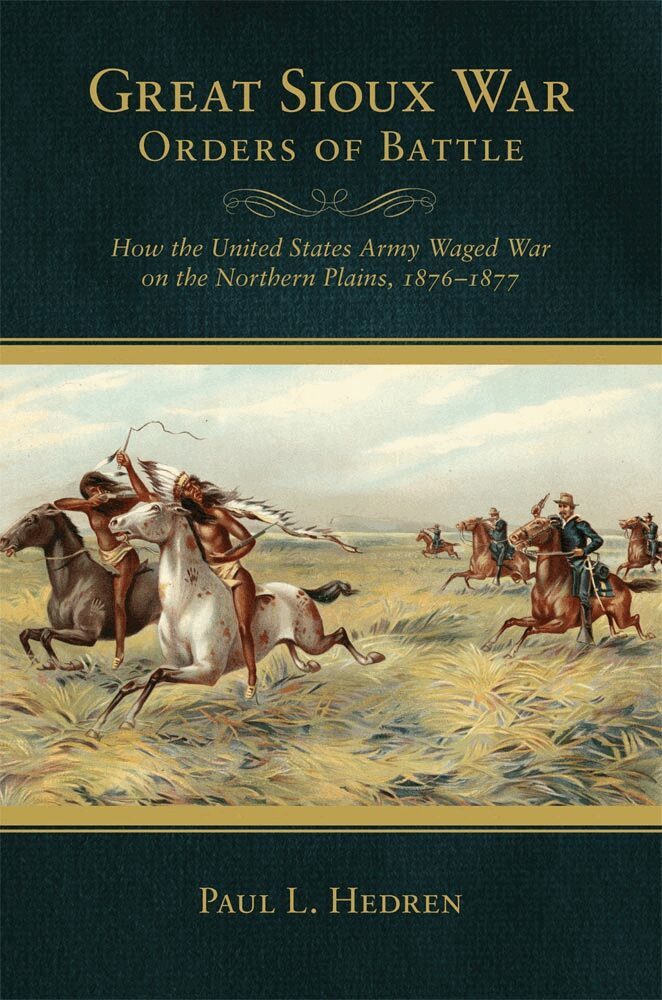
Great Sioux War Orders of Battle
How the United States Army Waged War on the Northern Plains, 1876–1877
Häftad, Engelska, 2012
240 kr
Skickas inom 10-15 vardagar
Lasting nearly two years, the Great Sioux War pitted almost one-third of the U.S. Army against Lakota Sioux and Northern Cheyennes. By the time it ended, this grueling war had played out on twenty-seven different battlefields scattered across five states, resulted in hundreds of casualties, cost millions of dollars, and transformed the landscape and the lives of survivors on both sides. It also entrenched a view of the army as largely inept.In this compelling sourcebook, Paul Hedren uses extensive documentation to demonstrate that the American army adapted quickly to the challenges of fighting this unconventional war and was more effectively led and better equipped than is customarily believed. While it lost at Powder River and at the Little Big Horn, it did not lose the Great Sioux War.In the first part of this volume, Hedren considers concepts of doctrine, training, culture, and matériel to aid understanding of the army's structure and disposition. In part two he dissects the twenty-eight Great Sioux War deployments in chronological order, including documentation of command structures, regiments, and companies employed. In the concluding section, the author addresses how an otherwise sound American army was defeated in two battles and nearly lost a third. The book also features seven helpful appendices, a glossary, and an oversized map showing forts, encampments, and battle sites.By expanding his purview to encompass all of the war's battles - along with troop movements, strategies, and tactics - Hedren offers an authoritative account of the conduct of U.S. forces in a campaign all too frequently misunderstood.
240 kr
Skickas inom 10-15 vardagar
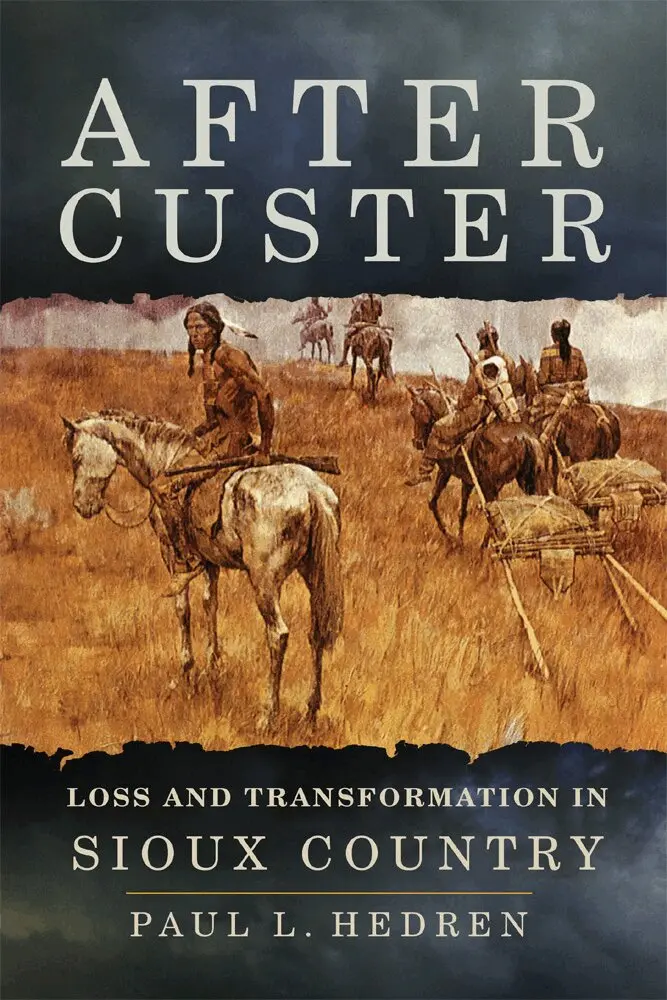
Between 1876 and 1877, the U.S. Army battled Lakota Sioux and Northern Cheyenne Indians in a series of vicious conflicts known today as the Great Sioux War. After the defeat of Custer at the Little Big Horn in June 1876, the army responded to its stunning loss by pouring fresh troops and resources into the war effort. In the end, the U.S. Army prevailed, but at a significant cost. In this unique contribution to American western history, Paul L. Hedren examines the war's effects on the culture, environment, and geography of the northern Great Plains, their Native inhabitants, and the Anglo-American invaders.As Hedren explains, U.S. military control of the northern plains following the Great Sioux War permitted the Northern Pacific Railroad to extend westward from the Missouri River. The new transcontinental line brought hide hunters who targeted the great northern buffalo herds and ultimately destroyed them. A de-buffaloed prairie lured cattlemen, who in turn spawned their own culture. Through forced surrender of their lands and lifeways, Lakotas and Northern Cheyennes now experienced even more stress and calamity than they had endured during the war itself. The victors, meanwhile, faced a different set of challenges, among them providing security for the railroad crews, hide hunters, and cattlemen.Hedren is the first scholar to examine the events of 1876-77 and their aftermath as a whole, taking into account relationships among military leaders, the building of forts, and the army's efforts to memorialize the war and its victims. Woven into his narrative are the voices of those who witnessed such events as the burial of Custer, the laying of railroad track, or the sudden surround of a buffalo herd. Their personal testimonies lend both vibrancy and pathos to this story of irreversible change in Sioux Country.
267 kr
Skickas inom 10-15 vardagar
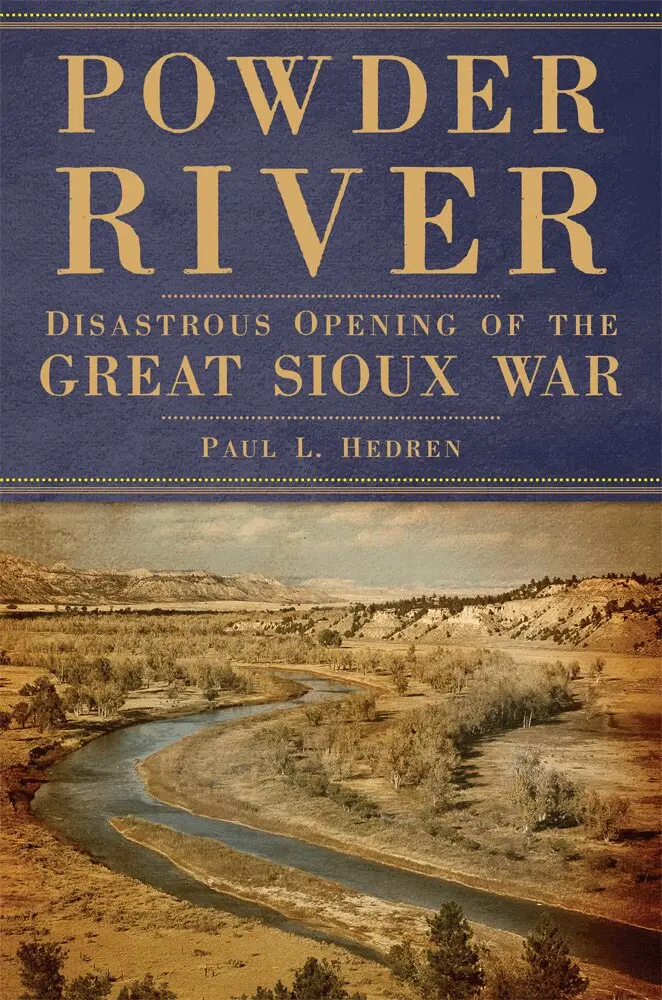
The Great Sioux War of 1876-77 began at daybreak on March 17, 1876, when Colonel Joseph J. Reynolds and six cavalry companies struck a village of Northern Cheyennes - Sioux allies - thereby propelling the Northern Plains tribes into war. The ensuing last stand of the Sioux against Anglo-American settlement of their homeland spanned some eighteen months, playing out across more than twenty battle and skirmish sites and costing hundreds of lives on both sides and many millions of dollars. And it all began at Powder River.Powder River: Disastrous Opening of the Great Sioux War recounts the wintertime Big Horn Expedition and its singular great battle, along with the stories of the Northern Cheyennes and their elusive leader Old Bear. Historian Paul Hedren tracks both sides of the conflict through a rich array of primary source material, including the transcripts of Reynolds's court-martial and Indian recollections. The disarray and incompetence of the war's beginnings - officers who failed to take proper positions, disregard of orders to save provisions, failure to cooperate, and abandonment of the dead and a wounded soldier - in many ways anticipated the catastrophe that later occurred at the Little Big Horn.Forty photographs, many previously unpublished, and five new maps detail the action from start to ignominious conclusion. Hedren's comprehensive account takes Powder River out of the shadow of the Little Big Horn and reveals how much this critical battle tells us about the army's policy and performance in the West, and about the debacle soon to follow.
390 kr
Skickas inom 10-15 vardagar
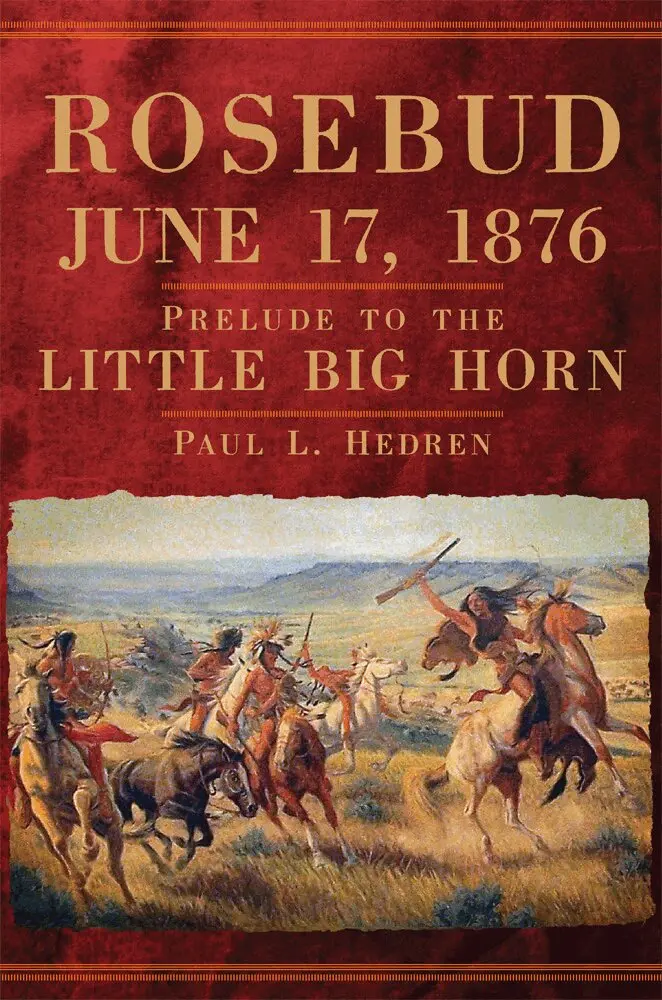
The Battle of the Rosebud may well be the largest Indian battle ever fought in the American West. The monumental clash on June 17, 1876, along Rosebud Creek in southeastern Montana pitted George Crook and his Shoshone and Crow allies against Sioux and Northern Cheyennes under Sitting Bull and Crazy Horse. It set the stage for the battle that occurred eight days later when, just twenty-five miles away, George Armstrong Custer blundered into the very same village that had outmatched Crook. Historian Paul L. Hedren presents the definitive account of this critical battle, from its antecedents in the Sioux campaign to its historic consequences.Rosebud, June 17, 1876 explores in unprecedented detail the events of the spring and early summer of 1876. Drawing on an extensive array of sources, including government reports, diaries, reminiscences, and a previously untapped trove of newspaper stories, the book traces the movements of both Indian forces and U.S. troops and their Indian allies as Brigadier General Crook commenced his second great campaign against the northern Indians for the year. Both Indian and army paths led to Rosebud Creek, where warriors surprised Crook and then parried with his soldiers for the better part of a day on an enormous field. Describing the battle from multiple viewpoints, Hedren narrates the action moment by moment, capturing the ebb and flow of the fighting. Throughout he weighs the decisions and events that contributed to Crook's tactical victory, and to his fateful decision thereafter not to pursue his adversary. The result is a uniquely comprehensive view of an engagement that made history and then changed its course.Rosebud was at once a battle won and a battle lost. With informed attention to the subtleties and significance of both outcomes, as well as to the fears and motivations on all sides, Hedren has given new meaning to this consequential fight, and new insight into its place in the larger story of the Great Sioux War.
390 kr
Skickas inom 10-15 vardagar
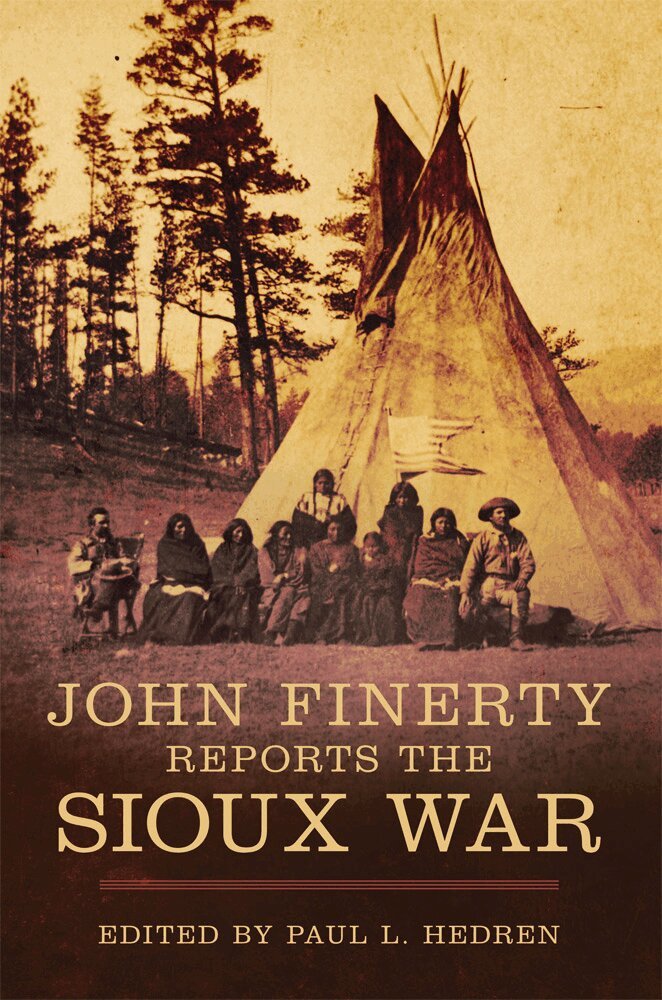
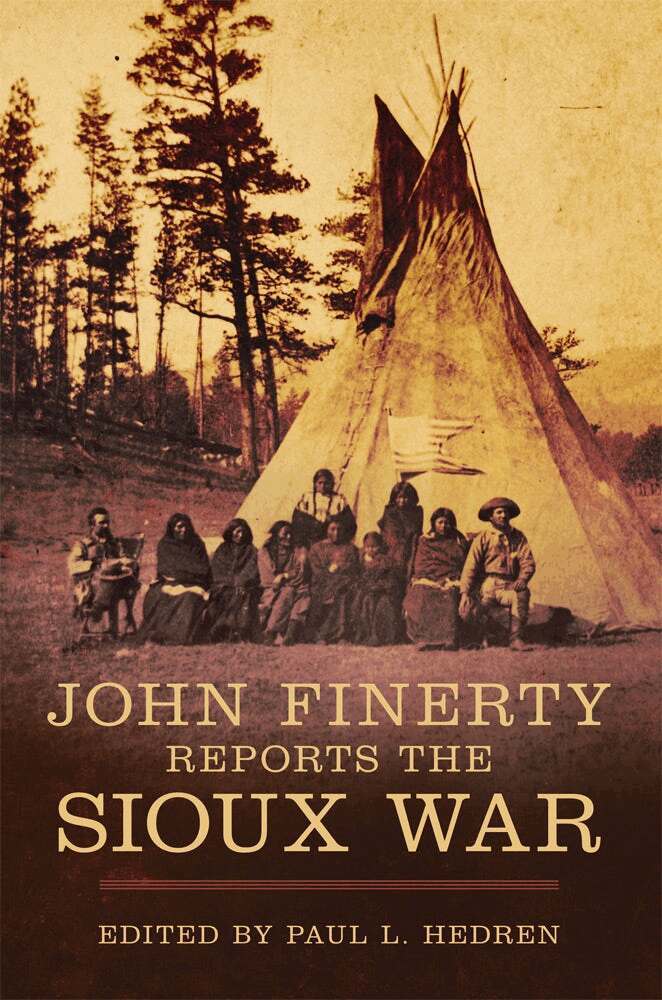
In War-Path and Bivouac, published in 1890, John Finerty (1846-1908) recalled his summer following George Crook's infamous campaign against the Sioux in 1876. Historians have long surmised that Finerty's correspondence covering the campaign for the Chicago Times reappeared in its entirety in Finerty's celebrated book. But that turns out not to be the case, as readers will discover in this remarkable volume.In print at last, this collection of Finerty's letters and telegrams to his hometown newspaper, written from the field during Crook's campaign, conveys the full extent of the reporter's experience and observations during this time of great excitement and upheaval in the West. An introduction and annotations by Paul L. Hedren, a lifelong historian of the period, provide ample biographical and historical background for Finerty's account.Four times under fire, giving as well as he got, Finerty reported on the action with the immediacy of an unfolding wartime story. To his riveting dispatches on the Rosebud and Slim Buttes battles, this collection adds accounts of the lesser-known Sibley scout and the tortures of the campaign trail, penned by a keen-eyed newsman who rode at the front through virtually all of the action. Here, too, is an intimate look at the Black Hills gold rush and at principal towns like Deadwood and Custer City, captured in the earliest moments of their colorful history.Hedren's introduction places Finerty not only on the scene in Wyoming, Montana, and Dakota during the Indian campaign, but also in the context of battlefield journalism at a critical time in its evolution. Publication of this volume confirms John Finerty's outsize role in that historical moment.
322 kr
Skickas inom 10-15 vardagar
The Battle of the Rosebud may well be the largest Indian battle ever fought in the American West. The monumental clash on June 17, 1876, along Rosebud Creek in southeastern Montana pitted George Crook and his Shoshone and Crow allies against Sioux and Northern Cheyennes under Sitting Bull and Crazy Horse. It set the stage for the battle that occurred eight days later when, just twenty-five miles away, George Armstrong Custer blundered into the very same village that had outmatched Crook. Historian Paul L. Hedren presents the definitive account of this critical battle, from its antecedents in the Sioux campaign to its historic consequences.Rosebud, June 17, 1876 explores in unprecedented detail the events of the spring and early summer of 1876. Drawing on an extensive array of sources, including government reports, diaries, reminiscences, and a previously untapped trove of newspaper stories, the book traces the movements of both Indian forces and U.S. troops and their Indian allies as Brigadier General Crook commenced his second great campaign against the northern Indians for the year. Both Indian and army paths led to Rosebud Creek, where warriors surprised Crook and then parried with his soldiers for the better part of a day on an enormous field. Describing the battle from multiple viewpoints, Hedren narrates the action moment by moment, capturing the ebb and flow of the fighting. Throughout he weighs the decisions and events that contributed to Crook's tactical victory, and to his fateful decision thereafter not to pursue his adversary. The result is a uniquely comprehensive view of an engagement that made history and then changed its course.Rosebud was at once a battle won and a battle lost. With informed attention to the subtleties and significance of both outcomes, as well as to the fears and motivations on all sides, Hedren has given new meaning to this consequential fight, and new insight into its place in the larger story of the Great Sioux War.
275 kr
Skickas inom 10-15 vardagar
In War-Path and Bivouac, published in 1890, John Finerty (1846–1908) recalled the summer he spent following George Crook’s infamous campaign against the Sioux in 1876. Historians have long surmised that Finerty’s correspondence covering the campaign for the Chicago Times reappeared in its entirety in Finerty’s celebrated book. But that turns out not to be the case, as readers will discover in this remarkable volume.In print at last, this collection of Finerty’s letters and telegrams to his hometown newspaper, written from the field during Crook’s campaign, conveys the full extent of the reporter’s experience and observations during this time of great excitement and upheaval in the West. An introduction and annotations by Paul L. Hedren, a lifelong historian of the period, provide ample biographical and historical background for Finerty’s account.Four times under fire, giving as well as he got, Finerty reported on the action with the immediacy of an unfolding wartime story. To his riveting dispatches on the Rosebud and Slim Buttes battles, this collection adds accounts of the lesser-known Sibley scout and the tortures of the campaign trail, penned by a keen-eyed newsman who rode at the front through virtually all of the action. Here, too, is an intimate look at the Black Hills gold rush and at principal towns like Deadwood and Custer City, captured in the earliest moments of their colorful history.Hedren’s introduction places Finerty not only on the scene in Wyoming, Montana, and Dakota during the Indian campaign, but also in the context of battlefield journalism at a critical time in its evolution. Publication of this volume confirms John Finerty’s outsize role in that historical moment.