
Po Jen Yap - Böcker
Visar alla böcker från författaren Po Jen Yap. Handla med fri frakt och snabb leverans.
18 produkter
18 produkter
1 897 kr
Skickas inom 5-8 vardagar
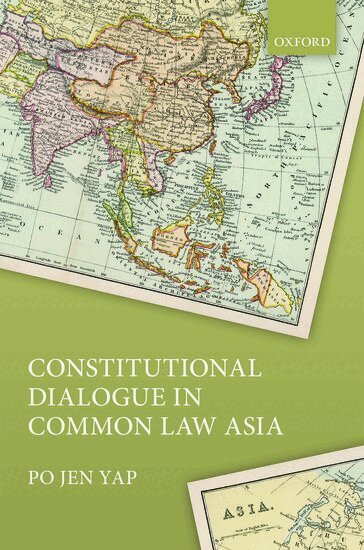
In a comprehensive examination of the constitutional systems of Hong Kong, Malaysia, and Singapore, Po Jen Yap contributes to a field that has traditionally focussed on Western jurisdictions. Drawing on the history and constitutional framework of these Asian law systems, this book examines the political structures and traditions that were inherited from the British colonial government and the major constitutional developments since decolonization. Yap examines the judicial crises that have occurred in each of the three jurisdictions and explores the development of sub-constitutional doctrines that allows the courts to preserve the right of the legislature to disagree with the courts' decisions using the ordinary political processes. The book focusses on how these novel judicial techniques can be applied to four core constitutional concerns: freedom of expression, freedom of religion, right to equality, and criminal due process rights. Each chapter examines one core topic and defends a model of dialogic judicial review that offers a compelling alternative to legislative or judicial supremacy.
2 724 kr
Skickas inom 10-15 vardagar
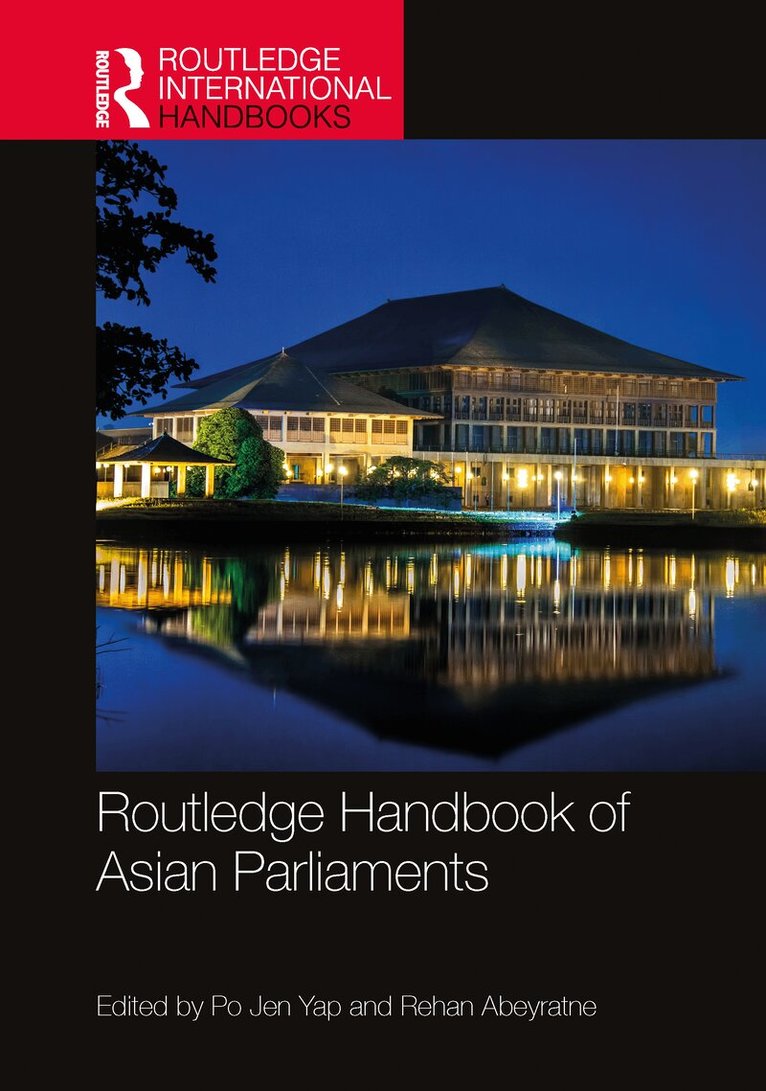
This handbook showcases the rich varieties of legislatures that exist in Asia and explains how political power is constituted in 17 jurisdictions in East, Southeast and South Asia.Legislatures in Asia come in all stripes. Liberal democracies co-exist cheek by jowl with autocracies; semi-democratic and competitive authoritarian systems abound. While all legislatures exist to make law and confer legitimacy on the political leadership, how representative they are of the people they govern differs dramatically across the continent, such that it is impossible to identify a common Asian prototype. Divided into thematic and country-by-country sections, this handbook is a one-stop reference that surveys the range of political systems operating in Asia. Each jurisdiction chapter examines the structure and composition of its legislature, the powers of the legislature, the legislative process, thereby providing a clear picture of how each legislature operates both in theory and in practice. The book also thematically analyses the following political systems operating in Asia: communist regimes, liberal democracies, dominant party democracies, turbulent democracies, presidential democracies, military regimes and protean authoritarian rule.This handbook is a vital and comprehensive resource for scholars of constitutional law and politics in Asia.
580 kr
Skickas inom 10-15 vardagar
This handbook showcases the rich varieties of legislatures that exist in Asia and explains how political power is constituted in 17 jurisdictions in East, Southeast and South Asia.Legislatures in Asia come in all stripes. Liberal democracies co-exist cheek by jowl with autocracies; semi-democratic and competitive authoritarian systems abound. While all legislatures exist to make law and confer legitimacy on the political leadership, how representative they are of the people they govern differs dramatically across the continent, such that it is impossible to identify a common Asian prototype. Divided into thematic and country-by-country sections, this handbook is a one-stop reference that surveys the range of political systems operating in Asia. Each jurisdiction chapter examines the structure and composition of its legislature, the powers of the legislature, the legislative process, thereby providing a clear picture of how each legislature operates both in theory and in practice. The book also thematically analyses the following political systems operating in Asia: communist regimes, liberal democracies, dominant party democracies, turbulent democracies, presidential democracies, military regimes and protean authoritarian rule.This handbook is a vital and comprehensive resource for scholars of constitutional law and politics in Asia.
568 kr
Skickas inom 10-15 vardagar
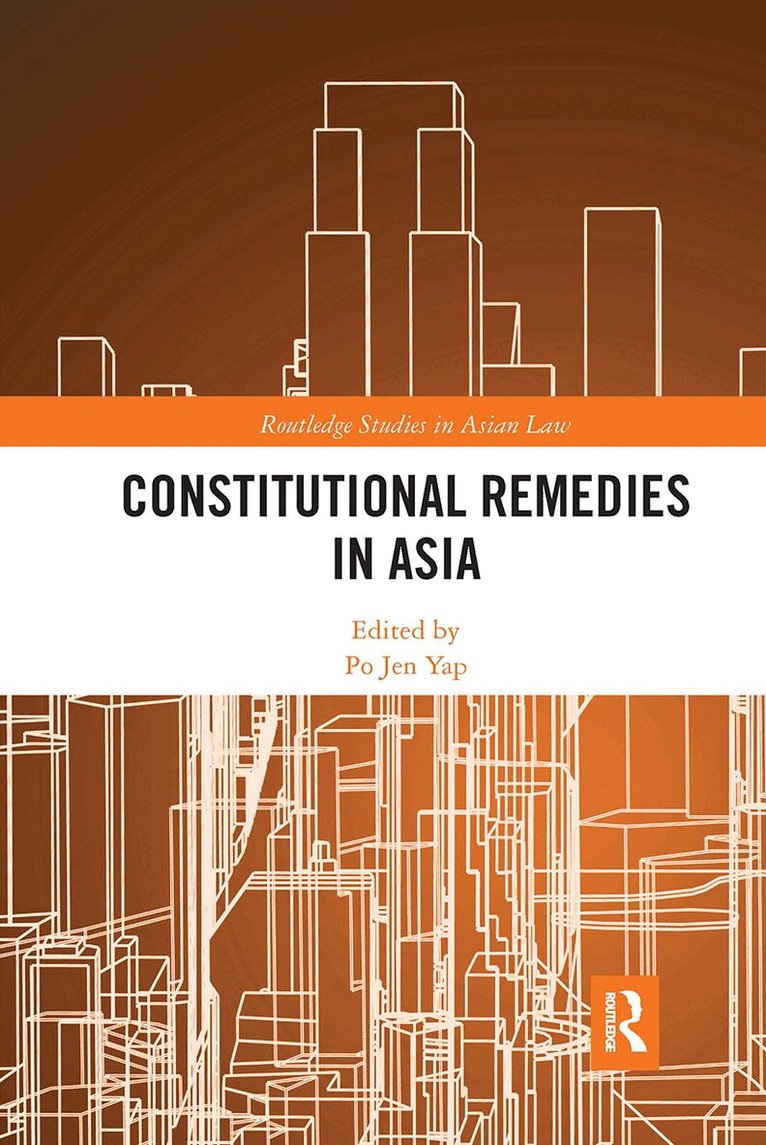
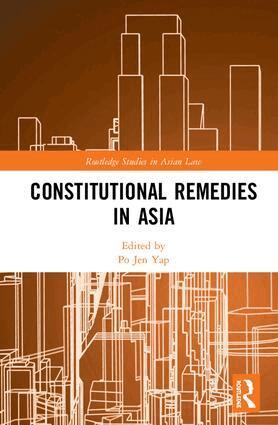
Many jurisdictions in Asia have vested their courts with the power of constitutional review. Traditionally, these courts would invalidate an impugned law to the extent of its inconsistency with the constitution. In common law systems, such an invalidation operates immediately and retrospectively; and courts in both common law and civil law systems would leave it to the legislature to introduce corrective legislation. In practice, however, both common law and civil law courts in Asia have devised novel constitutional remedies, often in the absence of explicit constitutional or statutory authorisation. Examining cases from Hong Kong, Bangladesh, Indonesia, India, and the Philippines, this collection of essays examines four novel constitutional remedies which have been judicially adopted - Prospective Invalidation, Suspension Order, Remedial Interpretation, and Judicial Directive - that blurs the distinction between adjudication and legislation.
2 107 kr
Skickas inom 10-15 vardagar
This edited volume is a timely and insightful contribution to the growing discourses on public law in Asia. Surveying many important jurisdictions in Asia including mainland China, Hong Kong, India, Malaysia, Singapore, South Korea and Taiwan, the book addresses recent developments and experiences in the field of public interest litigation. The book offers a comparative perspective on public law, asking crucial questions about the role of the state and how private citizens around Asia have increasingly used the forms, procedures and substance of public law to advance public and political aims.In addition to addressing specific jurisdictions in Asia, the book includes a helpful and introduction that highlights regional trends in Asia. In the jurisdictions profiled, transnational public interest litigation trends have commingled with local dynamics. This volume sheds light on how that commingling has produced both legal developments that cut across Asian jurisdictions as well as developments that are unique to each of the jurisdictions studied.
593 kr
Skickas inom 10-15 vardagar
This edited volume is a timely and insightful contribution to the growing discourses on public law in Asia. Surveying many important jurisdictions in Asia including mainland China, Hong Kong, India, Malaysia, Singapore, South Korea and Taiwan, the book addresses recent developments and experiences in the field of public interest litigation. The book offers a comparative perspective on public law, asking crucial questions about the role of the state and how private citizens around Asia have increasingly used the forms, procedures and substance of public law to advance public and political aims.In addition to addressing specific jurisdictions in Asia, the book includes a helpful and introduction that highlights regional trends in Asia. In the jurisdictions profiled, transnational public interest litigation trends have commingled with local dynamics. This volume sheds light on how that commingling has produced both legal developments that cut across Asian jurisdictions as well as developments that are unique to each of the jurisdictions studied.
667 kr
Skickas inom 10-15 vardagar
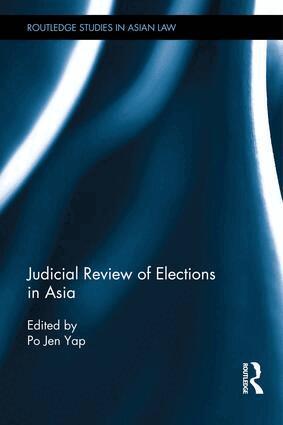
In the past century, Asian nations have experienced a wave of democratisation as countries in the region have gained independence or transitioned from authoritarian military rule towards more participatory politics. At the same time, there has been an expansion of judicial power in Asia, whereby new courts or empowered old ones emerge as independent constraints on governmental authority.This is the first book to assess the judicial review of elections in Asia. It provides important insights into how Asian courts can strategically engage with the political actors in their jurisdictions and contribute to a country’s democratic discourse. Each chapter in the book sheds light on the judicial review of elections and the electoral process in a specific Asian jurisdiction, including Common Law Asia, namely Hong Kong, India, Malaysia, and Singapore, as well as jurisdictions in Civil Law Asia, namely Indonesia, Japan, the Republic of Korea, Taiwan, and Thailand. It fills a gap in the literature by addressing a central challenge to democratic governance, namely the problem of partisan self-dealing in the electoral processes.By exploring the constantly evolving role of the courts in addressing pivotal constitutional questions, this book will be of interest to students and scholars of Asian Law, Governance and Politics.
1 327 kr
Skickas inom 7-10 vardagar
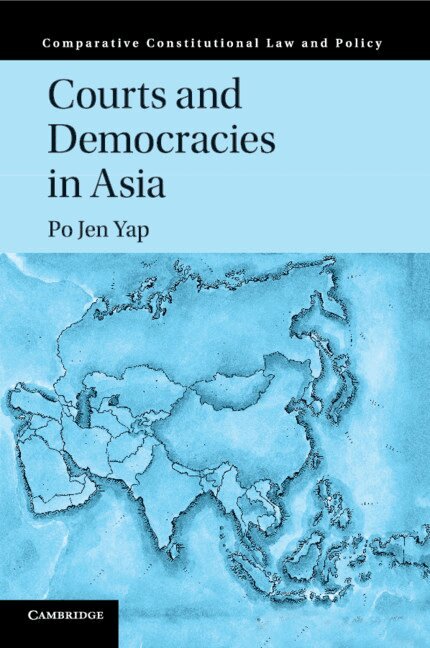
What is the relationship between the strength of a country's democracy and the ability of its courts to address deficiencies in the electoral process? Drawing a distinction between democracies that can be characterised as 'dominant-party' (for example Singapore, Malaysia, and Hong Kong), 'dynamic' (for example India, South Korea, and Taiwan), and 'fragile' (for example Thailand, Pakistan ,and Bangladesh), this book explores how democracy sustains and is sustained by the exercise of judicial power. In dominant-party systems, courts can only pursue 'dialogic' pathways to constrain the government's authoritarian tendencies. On the other hand, in dynamic democracies, courts can more successfully innovate and make systemic changes to the electoral system. Finally, in fragile democracies, where a country regularly oscillates between martial law and civilian rule, their courts tend to consistently overreach, and this often facilitates or precipitates a hostile take-over by the armed forces, and lead to the demise of the rule of law.
1 266 kr
Skickas inom 7-10 vardagar
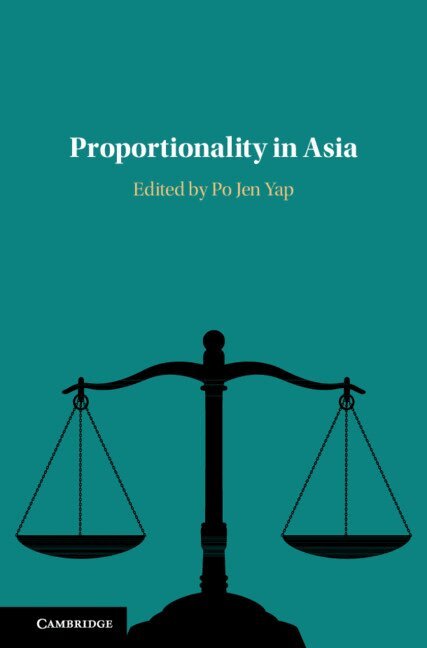
This is the first book that focusses on how proportionality analysis - a legal transplant from the West - is applied by courts around Asia, and it explores how a country's commitment to democracy and the rule of law is fundamental to the success of the doctrine's judicial enforcement. This book will appeal to lawyers, political scientists, and students of law and political science who seek to understand how proportionality analysis is blossoming and, in some cases, flourishing in Asia.
309 kr
Skickas inom 7-10 vardagar
This is the first book that focusses on how proportionality analysis - a legal transplant from the West - is applied by courts around Asia, and it explores how a country's commitment to democracy and the rule of law is fundamental to the success of the doctrine's judicial enforcement. This book will appeal to lawyers, political scientists, and students of law and political science who seek to understand how proportionality analysis is blossoming and, in some cases, flourishing in Asia.
1 266 kr
Skickas inom 7-10 vardagar
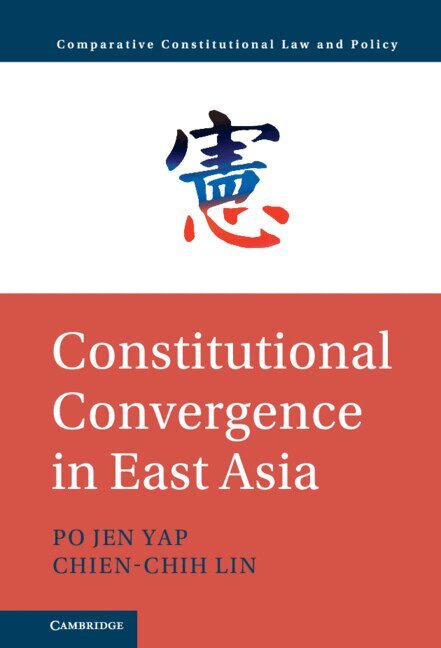
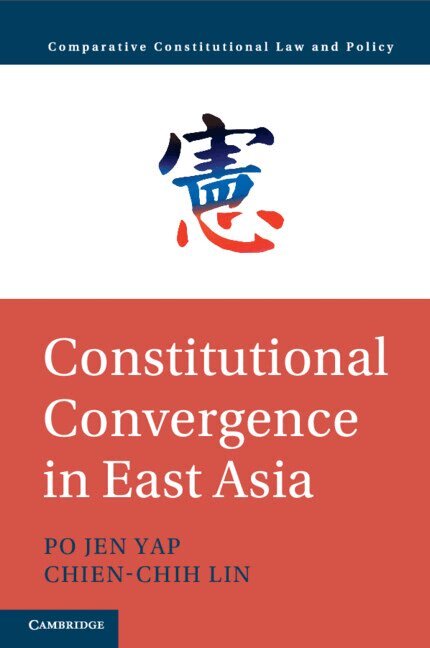
This comparative study of the constitutional jurisprudence of three East Asian jurisdictions investigates how the rulings of the Constitutional Court of Taiwan, the Constitutional Court of Korea and the Hong Kong Court of Final Appeal have converged. The unique political contexts of all three jurisdictions have led to strong courts using the structured proportionality doctrine and innovative constitutional remedies to address human rights issues. Hong Kong, Taiwan, and South Korea have the only courts in Asia that regularly use a structured four-stage Proportionality Analysis to invalidate laws, and routinely apply innovative constitutional remedies such as Suspension Orders and Remedial Interpretation to rectify constitutionally flawed legislation. This volume explores how judges in these areas are affected by politics within their different constitutional systems. The latest developments in Asian constitutional law are covered, with detailed analysis of key cases.
2 002 kr
Skickas inom 7-10 vardagar
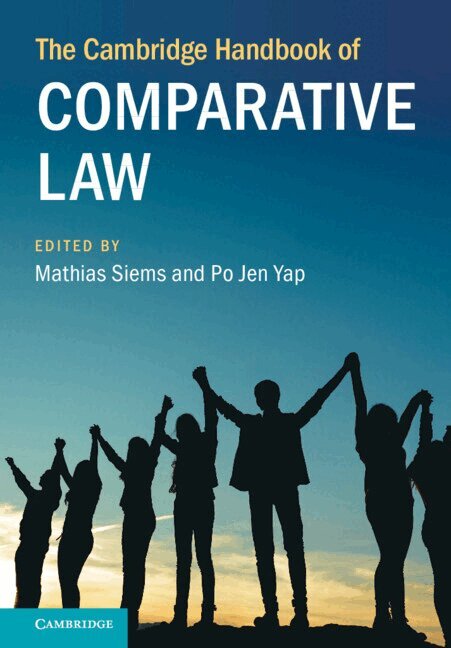
Comparative law is a common subject-matter of research and teaching in many universities around the world, and the twenty-first century has aptly been termed 'the era of comparative law'. This Cambridge Handbook of Comparative Law presents a truly global perspective of comparative law today. The contributors are drawn from all parts of the world to provide different perspectives on how we understand the 'law' and how it operates in practice. In substance, the Handbook contains 36 chapters covering a broad range of topics, divided under the following headings: 'Methods of Comparative Law' (Part I), 'Legal Families and Geographical Comparisons' (Part II), 'Central Themes in Comparative Law' (Part III); and 'Comparative Law beyond the State' (Part IV).
334 kr
Skickas inom 7-10 vardagar
This comparative study of the constitutional jurisprudence of three East Asian jurisdictions investigates how the rulings of the Constitutional Court of Taiwan, the Constitutional Court of Korea and the Hong Kong Court of Final Appeal have converged. The unique political contexts of all three jurisdictions have led to strong courts using the structured proportionality doctrine and innovative constitutional remedies to address human rights issues. Hong Kong, Taiwan, and South Korea have the only courts in Asia that regularly use a structured four-stage Proportionality Analysis to invalidate laws, and routinely apply innovative constitutional remedies such as Suspension Orders and Remedial Interpretation to rectify constitutionally flawed legislation. This volume explores how judges in these areas are affected by politics within their different constitutional systems. The latest developments in Asian constitutional law are covered, with detailed analysis of key cases.
1 921 kr
Skickas inom 10-15 vardagar
Many jurisdictions in Asia have vested their courts with the power of constitutional review. Traditionally, these courts would invalidate an impugned law to the extent of its inconsistency with the constitution. In common law systems, such an invalidation operates immediately and retrospectively; and courts in both common law and civil law systems would leave it to the legislature to introduce corrective legislation. In practice, however, both common law and civil law courts in Asia have devised novel constitutional remedies, often in the absence of explicit constitutional or statutory authorisation. Examining cases from Hong Kong, Bangladesh, Indonesia, India, and the Philippines, this collection of essays examines four novel constitutional remedies which have been judicially adopted - Prospective Invalidation, Suspension Order, Remedial Interpretation, and Judicial Directive - that blurs the distinction between adjudication and legislation.
1 983 kr
Skickas inom 10-15 vardagar
In the past century, Asian nations have experienced a wave of democratisation as countries in the region have gained independence or transitioned from authoritarian military rule towards more participatory politics. At the same time, there has been an expansion of judicial power in Asia, whereby new courts or empowered old ones emerge as independent constraints on governmental authority.This is the first book to assess the judicial review of elections in Asia. It provides important insights into how Asian courts can strategically engage with the political actors in their jurisdictions and contribute to a country’s democratic discourse. Each chapter in the book sheds light on the judicial review of elections and the electoral process in a specific Asian jurisdiction, including Common Law Asia, namely Hong Kong, India, Malaysia, and Singapore, as well as jurisdictions in Civil Law Asia, namely Indonesia, Japan, the Republic of Korea, Taiwan, and Thailand. It fills a gap in the literature by addressing a central challenge to democratic governance, namely the problem of partisan self-dealing in the electoral processes.By exploring the constantly evolving role of the courts in addressing pivotal constitutional questions, this book will be of interest to students and scholars of Asian Law, Governance and Politics.
394 kr
Skickas inom 7-10 vardagar
What is the relationship between the strength of a country's democracy and the ability of its courts to address deficiencies in the electoral process? Drawing a distinction between democracies that can be characterised as 'dominant-party' (for example Singapore, Malaysia, and Hong Kong), 'dynamic' (for example India, South Korea, and Taiwan), and 'fragile' (for example Thailand, Pakistan ,and Bangladesh), this book explores how democracy sustains and is sustained by the exercise of judicial power. In dominant-party systems, courts can only pursue 'dialogic' pathways to constrain the government's authoritarian tendencies. On the other hand, in dynamic democracies, courts can more successfully innovate and make systemic changes to the electoral system. Finally, in fragile democracies, where a country regularly oscillates between martial law and civilian rule, their courts tend to consistently overreach, and this often facilitates or precipitates a hostile take-over by the armed forces, and lead to the demise of the rule of law.
1 113 kr
Skickas inom 10-15 vardagar
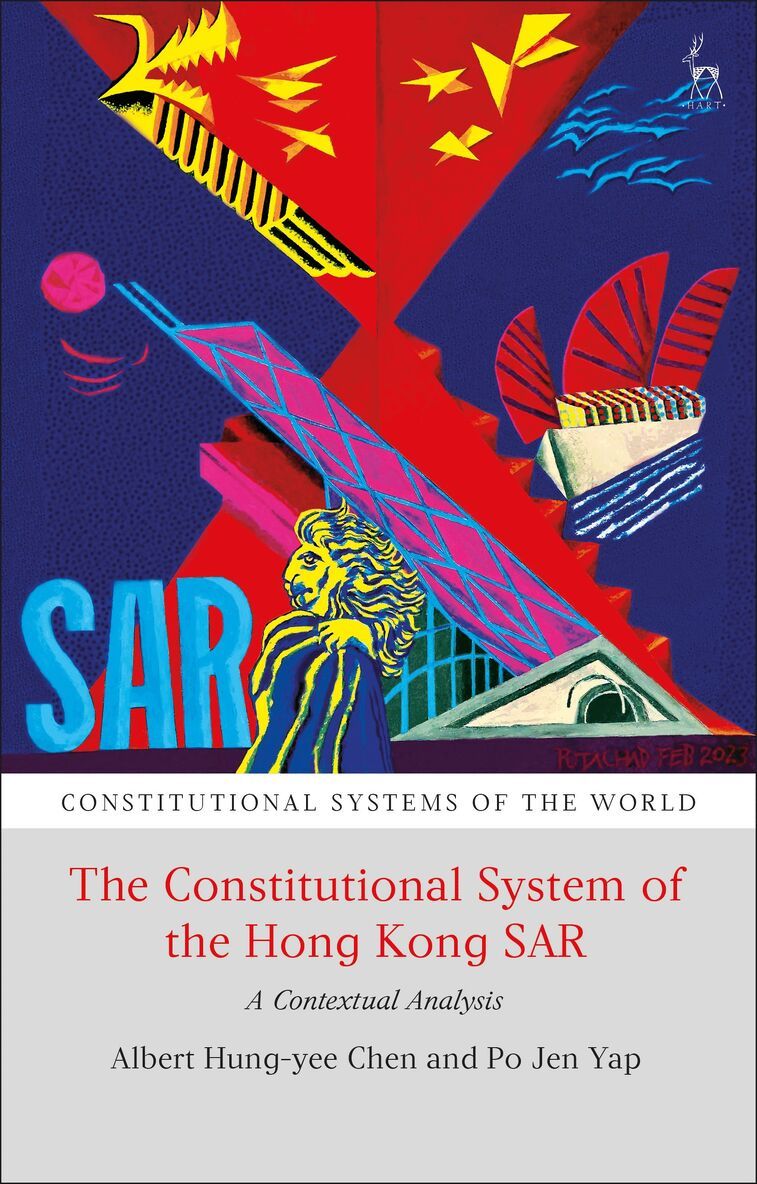
This book provides an account of the evolving constitutional arrangement known as “One Country, Two Systems”, as practised in the Hong Kong Special Administrative Region of the People’s Republic of China (PRC).The British colony of Hong Kong, one of the “Four Little Dragons” of East Asia, reverted to Chinese rule in 1997. Since then, Hong Kong has continued to be an international financial centre, a free market, and a cosmopolitan city. At the same time, the tensions and contradictions inherent in “One Country, Two Systems” have given rise to constitutional controversies and social movements, culminating in the Umbrella movement of 2014, the anti-extradition law movement of 2019, the enactment of a National Security Law in 2020, and the electoral overhaul of 2021. This book discusses the structure and operations of Hong Kong’s legal, judicial and political systems and their interactions with the national authorities of the PRC. The book provides a useful case study in comparative constitutional law, especially on autonomy and devolution issues within sovereign States. This comparative study is particularly interesting because Hong Kong is a common law jurisdiction within the PRC’s socialist legal system. It will therefore be of interest to students and scholars of Chinese law, Hong Kong law and comparative politics, as well as lawyers whose practice involves Hong Kong.
400 kr
Skickas inom 10-15 vardagar
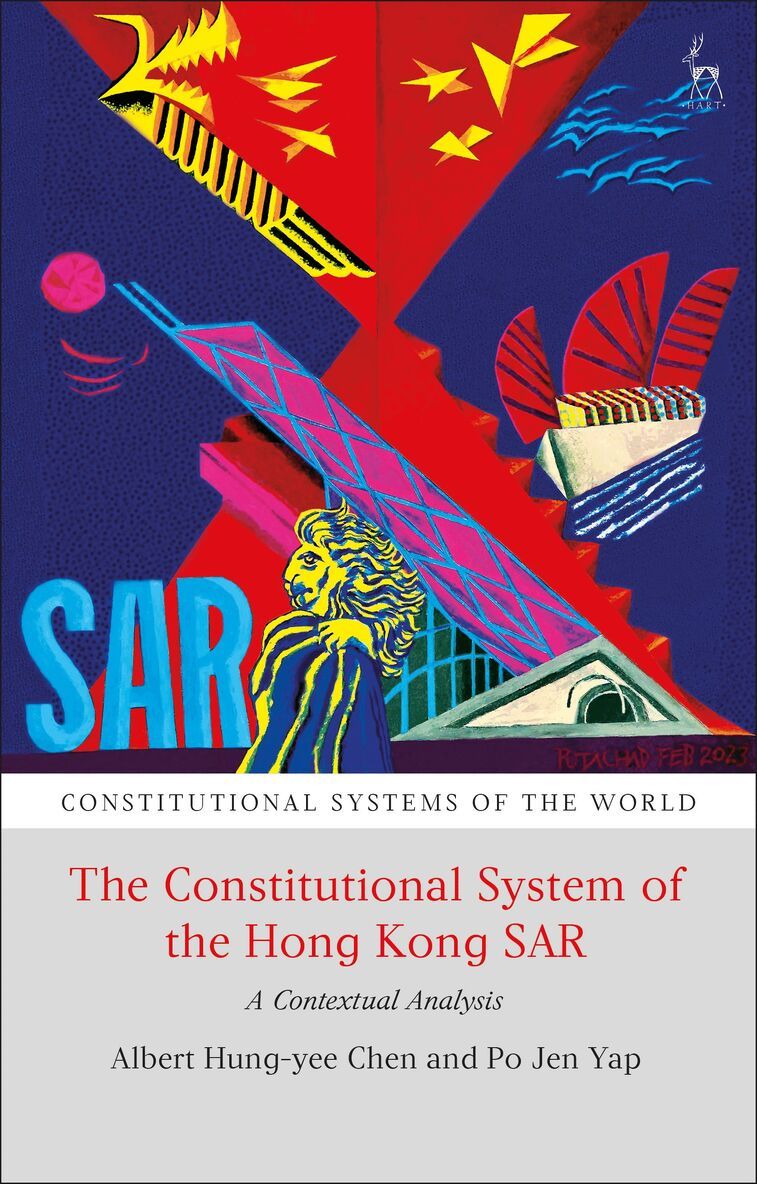
This book provides an account of the evolving constitutional arrangement known as “One Country, Two Systems”, as practised in the Hong Kong Special Administrative Region of the People’s Republic of China (PRC).The British colony of Hong Kong, one of the “Four Little Dragons” of East Asia, reverted to Chinese rule in 1997. Since then, Hong Kong has continued to be an international financial centre, a free market, and a cosmopolitan city. At the same time, the tensions and contradictions inherent in “One Country, Two Systems” have given rise to constitutional controversies and social movements, culminating in the Umbrella movement of 2014, the anti-extradition law movement of 2019, the enactment of a National Security Law in 2020, and the electoral overhaul of 2021. This book discusses the structure and operations of Hong Kong’s legal, judicial and political systems and their interactions with the national authorities of the PRC. The book provides a useful case study in comparative constitutional law, especially on autonomy and devolution issues within sovereign States. This comparative study is particularly interesting because Hong Kong is a common law jurisdiction within the PRC’s socialist legal system. It will therefore be of interest to students and scholars of Chinese law, Hong Kong law and comparative politics, as well as lawyers whose practice involves Hong Kong.