
R. Glenn Wright - Böcker
Visar alla böcker från författaren R. Glenn Wright. Handla med fri frakt och snabb leverans.
4 produkter
4 produkter
695 kr
Skickas inom 10-15 vardagar
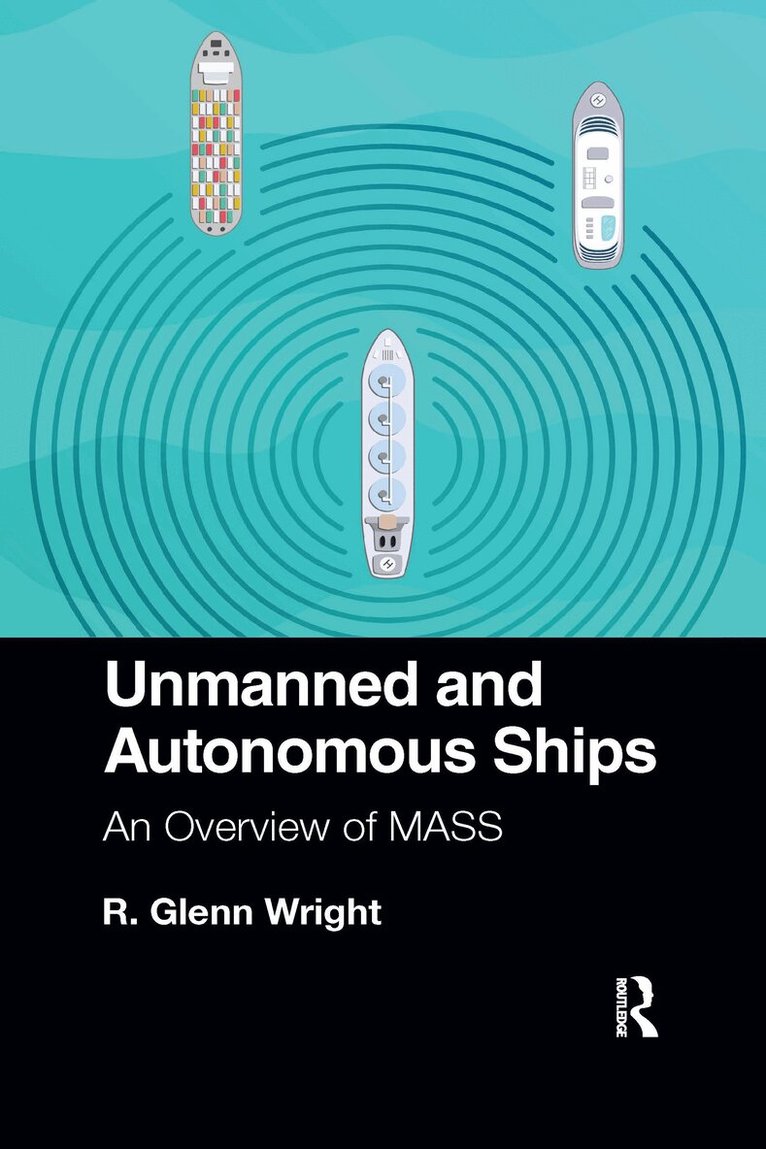
Unmanned ships and autonomous ships are quickly becoming a reality, making shipping safer and more efficient. However, traditional tasks and functions are becoming blurred as new technology changes how the unique needs of different sectors are met. In addition to large vessels dedicated to the transport of goods and cargos across the oceans, major efforts are underway towards the automation of small coastal shipping that includes ferries, tugboats, supply and service vessels, and barges. Automated vehicles are also replacing conventional ships for inspecting and servicing pipelines, drilling platforms, wind farms and other offshore installations. Automated shipping is explored in terms of economics, technology, safety and the environment under the broad themes of ship design and engineering, command and control, navigation, communications, security, regulatory issues, and training. This includes initiatives for autonomous shipping as well as civilian implications of military ship automation programs. This book is primarily for maritime professionals, regulatory authorities, insurers, and environmental groups. It also suits undergraduate students involved in deck officer training, and graduate students and academics involved in research in ship design, operations and management.
1 965 kr
Skickas inom 10-15 vardagar
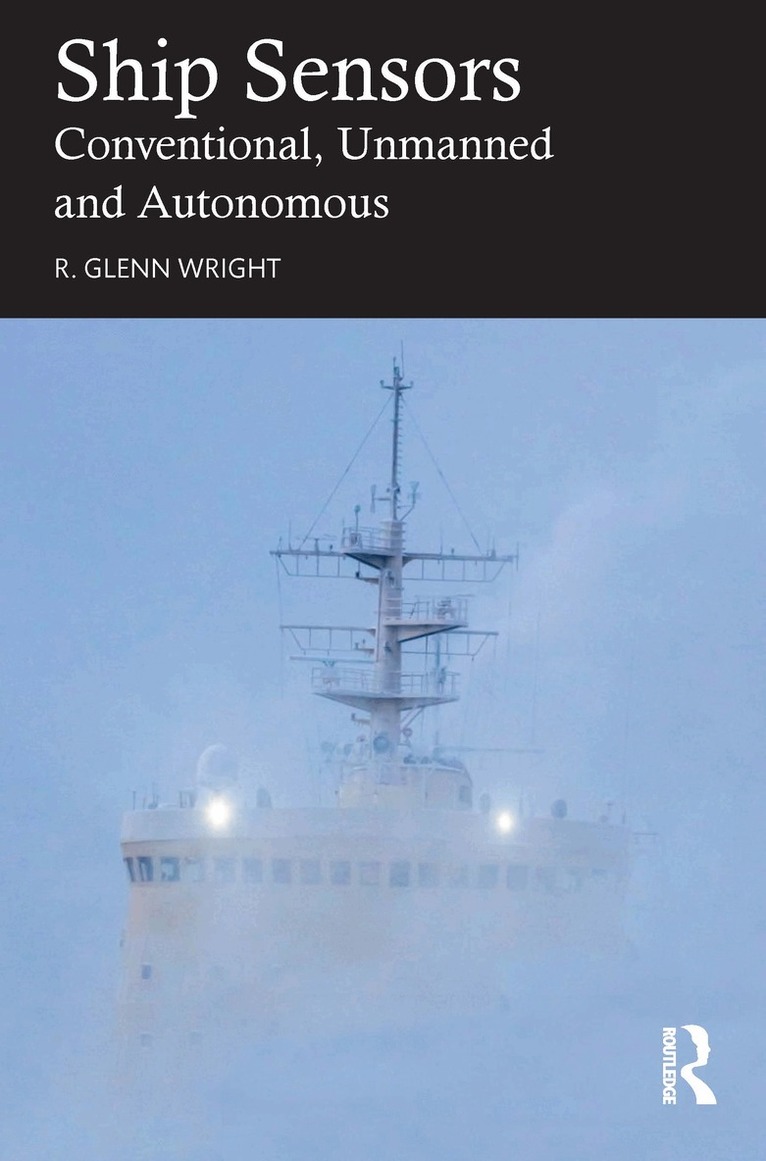
When combined with artificial intelligence, advanced computing architectures and enhanced communications, sensor technologies can monitor vessel performance and the adjacent environment to detect conditions that may hinder voyage completion. This book provides insight into the present and future of sensor architectures and configurations that can enhance vessel performance and further improve the safety of navigation. It covers topics such as traditional and expanded sensor functions in engineering and navigation, as well as new sensor capabilities that can provide greater insight into vessel behavior and performance and enhance awareness of passenger, crew and other human activities. Chapters offer background information on typical legacy vessel sensor configurations and current International Maritime Organization (IMO) requirements for onboard sensors and future regulatory trends before discussing modern sensors and current- generation “smart” sensors that provide enhanced situational awareness to watchstanders. A vision of next- generation sensors currently being investigated for shipboard use is provided along with long- term trends in quantum sensing and computing that promise radical change across a wide variety of vessel functions. Insight is also given into cybersecurity factors so essential to all sensor systems. Ship Sensors: Conventional, Unmanned and Autonomous is ideal for professional seafarers, maritime academics and university students, and developers of maritime sensors and systems.
878 kr
Kommande
When combined with artificial intelligence, advanced computing architectures and enhanced communications, sensor technologies can monitor vessel performance and the adjacent environment to detect conditions that may hinder voyage completion. This book provides insight into the present and future of sensor architectures and configurations that can enhance vessel performance and further improve the safety of navigation. It covers topics such as traditional and expanded sensor functions in engineering and navigation, as well as new sensor capabilities that can provide greater insight into vessel behavior and performance and enhance awareness of passenger, crew and other human activities. Chapters offer background information on typical legacy vessel sensor configurations and current International Maritime Organization (IMO) requirements for onboard sensors and future regulatory trends before discussing modern sensors and current- generation “smart” sensors that provide enhanced situational awareness to watchstanders. A vision of next- generation sensors currently being investigated for shipboard use is provided along with long- term trends in quantum sensing and computing that promise radical change across a wide variety of vessel functions. Insight is also given into cybersecurity factors so essential to all sensor systems. Ship Sensors: Conventional, Unmanned and Autonomous is ideal for professional seafarers, maritime academics and university students, and developers of maritime sensors and systems.
1 695 kr
Skickas inom 10-15 vardagar
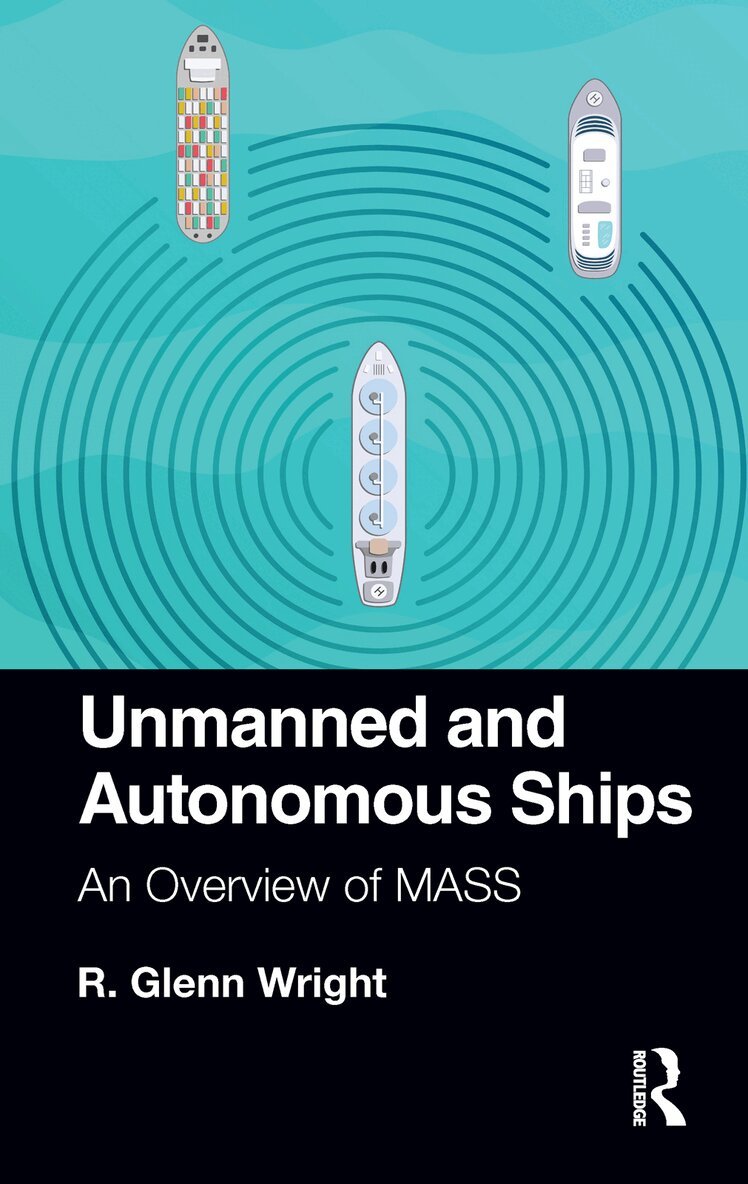
Unmanned ships and autonomous ships are quickly becoming a reality, making shipping safer and more efficient. However, traditional tasks and functions are becoming blurred as new technology changes how the unique needs of different sectors are met. In addition to large vessels dedicated to the transport of goods and cargos across the oceans, major efforts are underway towards the automation of small coastal shipping that includes ferries, tugboats, supply and service vessels, and barges. Automated vehicles are also replacing conventional ships for inspecting and servicing pipelines, drilling platforms, wind farms and other offshore installations. Automated shipping is explored in terms of economics, technology, safety and the environment under the broad themes of ship design and engineering, command and control, navigation, communications, security, regulatory issues, and training. This includes initiatives for autonomous shipping as well as civilian implications of military ship automation programs. This book is primarily for maritime professionals, regulatory authorities, insurers, and environmental groups. It also suits undergraduate students involved in deck officer training, and graduate students and academics involved in research in ship design, operations and management.