
Raymond L. Higgins - Böcker
Visar alla böcker från författaren Raymond L. Higgins. Handla med fri frakt och snabb leverans.
3 produkter
3 produkter
1 624 kr
Skickas inom 10-15 vardagar
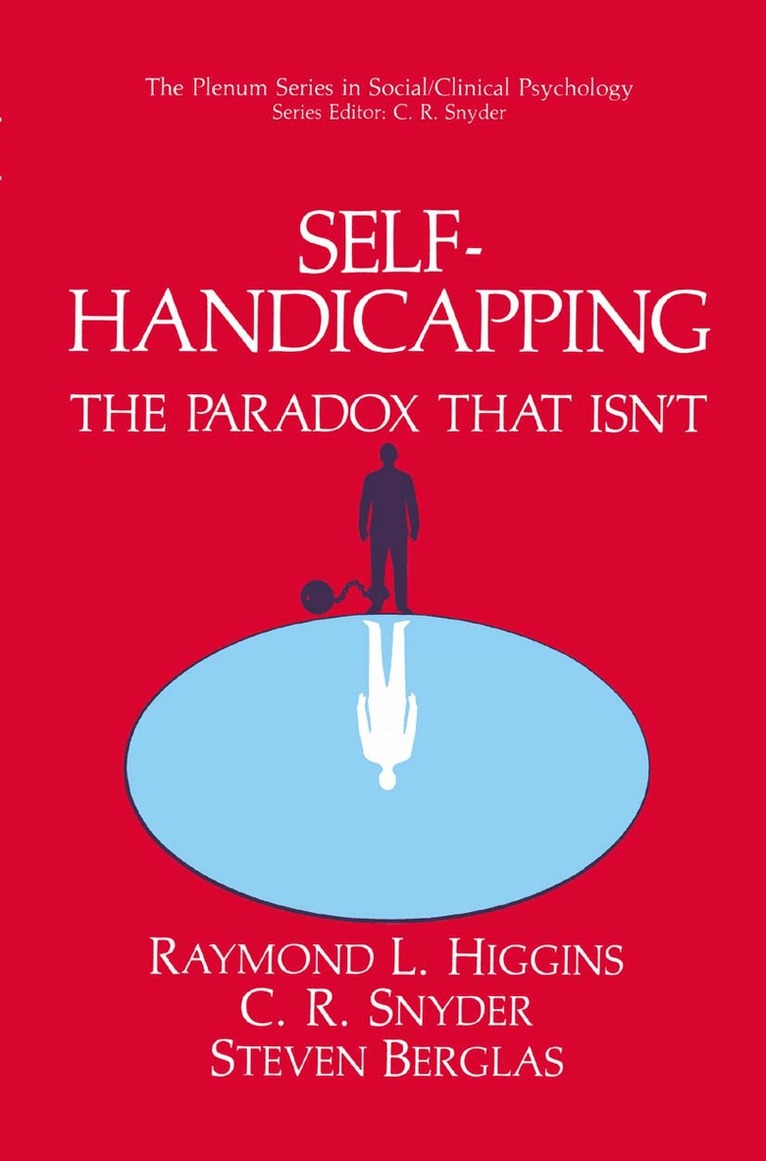
The concept of self-handicapping can be legitimately anchored in a vari ety of intellectual contexts, some old and some newer. As this volume reminds us, Alfred Adler was perhaps the first to articulate the signifi cance of various self-defeating claims and gestures for protecting the self concept. Thus the apparent paradox of "defeat" in the interests of "pro tection. " More recently (but still more than 30 years ago), Heider's "naive psychology" added attributional rhetoric to the description of self-defeat ing strategies. While predominantly cognitive in its thrust, the attribu tional approach incorporated several motivational influences-especially those involving egocentric concerns. Heider hardly violated our common sense when he suggested that people are inclined to attribute their performances in a self-serving manner: the good things I caused; the bad things were forced upon me. The notion of self-handicapping strategies, proposed by Berglas and myself a little more than a decade ago, capitalized on these homely truths while adding a particular proactive twist. We not only make ex cuses for our blunders; we plan our engagements and our situational choices so that self-protective excuses are unnecessary. In doing so, we use our attributional understanding to arrange things so that flawed and failing performances will not be interpreted in ways that threaten our self-esteem.

659 kr
Tillfälligt slut
'In the two decades since this book was first published, excuse making has flourished—both as a practice and as a process inviting investigation and theory. Indeed, how could it be otherwise?' So write the authors in their new introduction. But they also maintain that excuse making is a critical element in what social psychologists refer to as 'reality negotiation.' Originally published by John Wiley in 1983.
1 624 kr
Skickas inom 10-15 vardagar
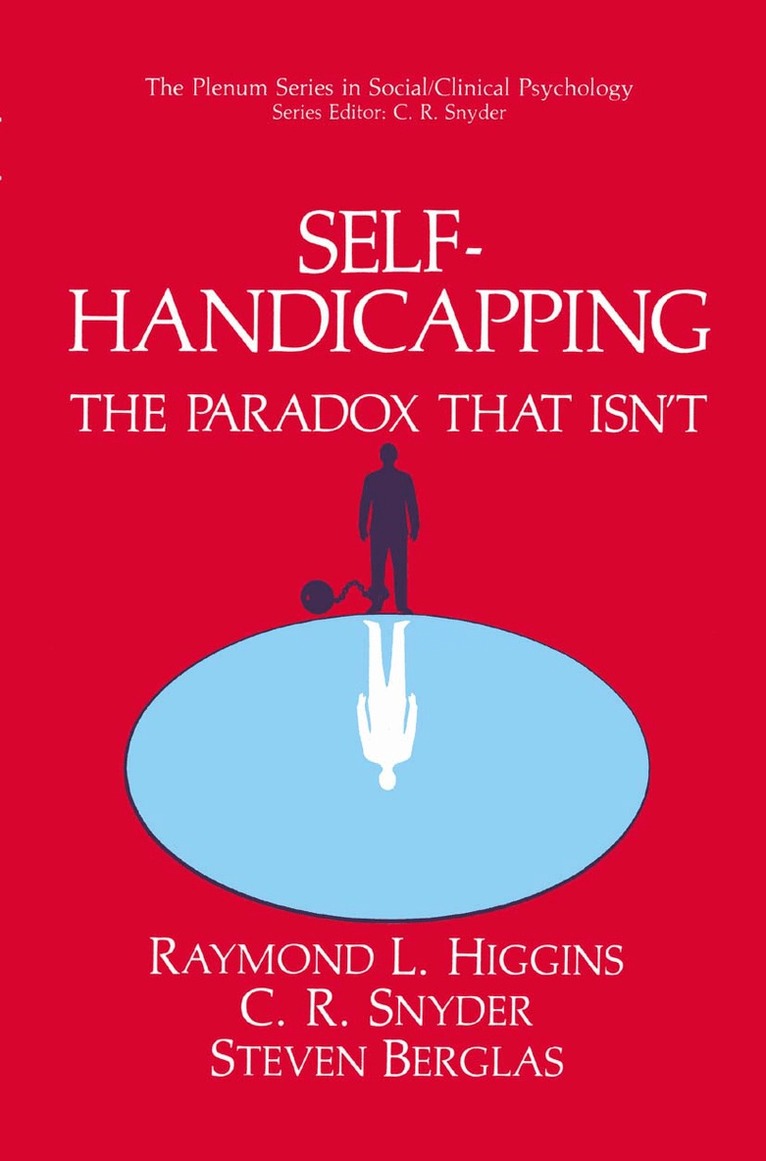
The concept of self-handicapping can be legitimately anchored in a vari ety of intellectual contexts, some old and some newer. As this volume reminds us, Alfred Adler was perhaps the first to articulate the signifi cance of various self-defeating claims and gestures for protecting the self concept. Thus the apparent paradox of "defeat" in the interests of "pro tection. " More recently (but still more than 30 years ago), Heider's "naive psychology" added attributional rhetoric to the description of self-defeat ing strategies. While predominantly cognitive in its thrust, the attribu tional approach incorporated several motivational influences-especially those involving egocentric concerns. Heider hardly violated our common sense when he suggested that people are inclined to attribute their performances in a self-serving manner: the good things I caused; the bad things were forced upon me. The notion of self-handicapping strategies, proposed by Berglas and myself a little more than a decade ago, capitalized on these homely truths while adding a particular proactive twist. We not only make ex cuses for our blunders; we plan our engagements and our situational choices so that self-protective excuses are unnecessary. In doing so, we use our attributional understanding to arrange things so that flawed and failing performances will not be interpreted in ways that threaten our self-esteem.