
Richard Abdy - Böcker
Visar alla böcker från författaren Richard Abdy. Handla med fri frakt och snabb leverans.
3 produkter
3 produkter
426 kr
Skickas inom 7-10 vardagar
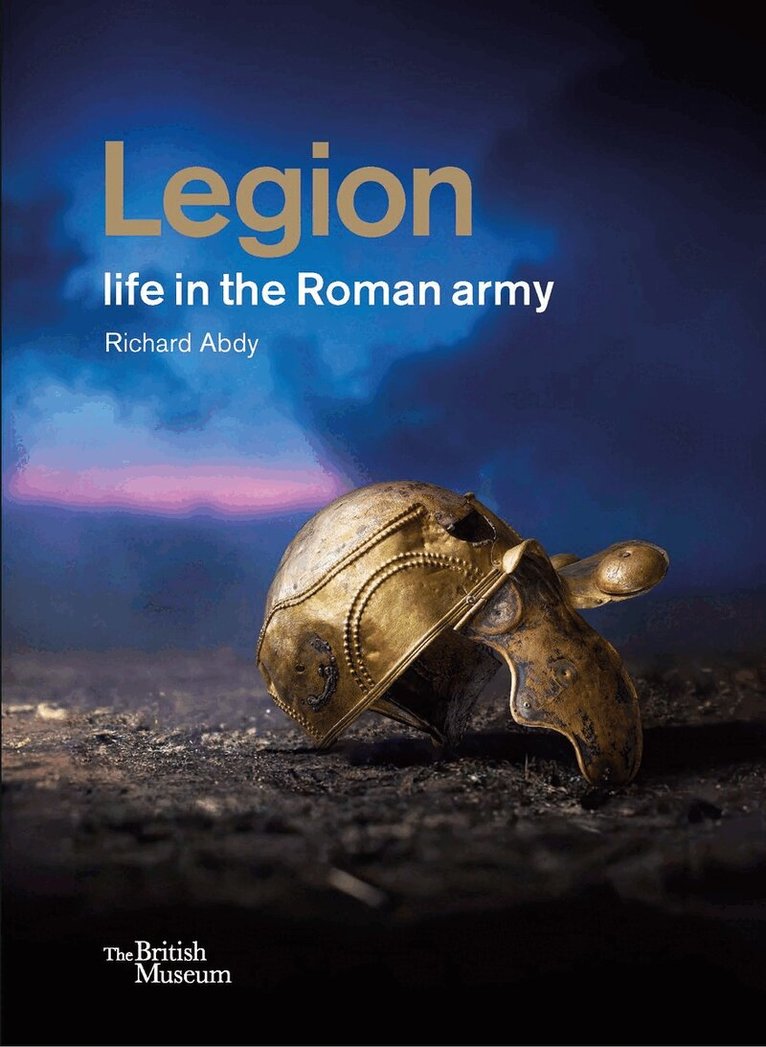
‘Legion: Life in the Roman army, is a wonderful, lasting version of that show, giving us a very different view of the Roman army.’ – Mary Beard ‘Everything the best history books can be: erudite, entertaining and eloquent.’ – Terry Deary, author of Horrible Histories‘Splendidly direct, clear and jargon free… You are unlikely to find a clearer or more comprehensive account’ – Classics for All The scale and organisation of the Roman army was unprecedented in the ancient Western world. This book tells the story of everyday aspects of the army in the heyday of the Roman Empire – from life in a tent to the food soldiers consumed – and explains its hierarchy, roles, equipment and place in a vast multiethnic society divided between citizens and subjects. The Roman army has been immortalised in heroic art and screen epics, but what was life really like for an ordinary soldier? This book explores everyday life in the army – including the experiences of women and enslaved people – through a range of rare objects and testimonies. These include letters from Apion and Terentianus, young Egyptian soldiers writing home to their families; the tombstone of 4-year-old Vacia, a touching reminder of the presence of children near forts; the remains of a soldier found at Herculaneum, killed in the eruption of Vesuvius in AD 79; and a board game played by soldiers in their spare time. Human experiences are set within the context of the first three centuries of the common era, widely recognised as the Roman army’s heyday. During this period, forces were split into legions of citizen-only troops and auxiliary units of non-citizen troops, with the latter offered a chance at citizenship and social advancement after around 25 years of service. As well as describing the social forces behind the army, this book addresses its violent reality for civilians and troops – battle tactics, weaponry and the risk for convicted soldiers of becoming amphitheatre entertainment are all explored. Travelling from the deserts of North Africa to the freezing climes of Scotland, and moving from the gruesome life of a medic to loving correspondence between friends, readers gain a vivid picture of life in the Roman army, with all the spectacular and ordinary experiences it involved. Praise for the British Museum Legion: life in the Roman army exhibition The Times *****Telegraph *****Guardian *****Evening Standard ****Time Out ****
108 kr
Skickas inom 10-15 vardagar
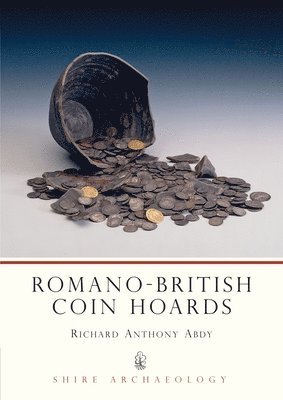
Britain's visible Roman remains are lacking in impressive monuments such as the temples, arches and amphitheatres found in France and Italy. Yet to compare the foundations typical of Roman sites in Britain unfavourably with these is unfair since the best testament to Britain's participation in Graceo-Roman civilisation is its 'hidden' monuments: spectacular hoards of household valuables such as jewellery, precious-metal table utensils or decorations and also - the concern of this book - rich hoards of gold, silver and bronze coins. Many such hoards are hidden no longer, as visits to numerous museums will quickly show. Since the 1980s, there has been a rise in discoveries, mostly due to the increased use of metal detectors. In response to this, there has been a greater recognition of the importance of detailed recording and, in some cases, keeping coin hoards together as artefacts in their own right. This book provides an introduction to Romano-British coin hoards and places major discoveries, new and old, in the story of the Roman province's monetary system.
905 kr
Skickas
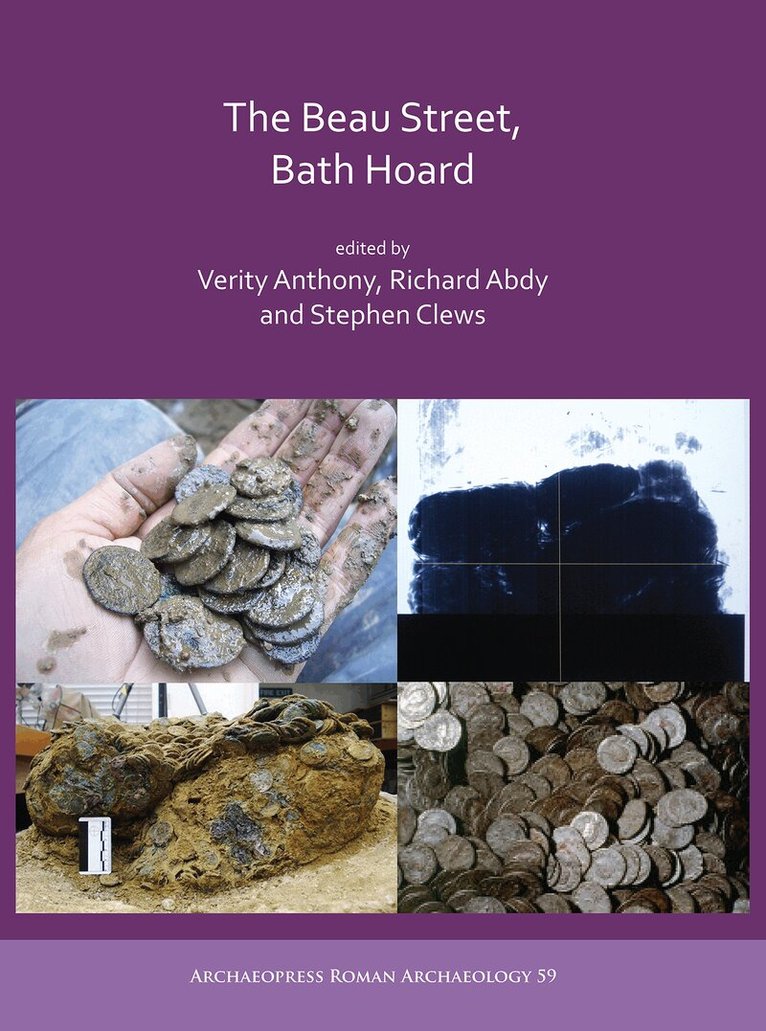
The Beau Street Hoard is one of the most remarkable archaeological discoveries ever to be made in Bath: the Roman town of Aquae Sulis. The discovery captured the public imagination and it became the focus for a major scientific investigation and a significant learning and public engagement programme. Carefully excavated by professional archaeologists the hoard was recovered intact and removed to the British Museum for more detailed examination and study. It was found to have been deposited in a cist in at least eight bags. Micro-investigation of the hoard in a conservation laboratory and further scientific analysis revealed more fascinating details and information reported on here. The Beau Street, Bath Hoard provides a thorough and complete publication and analysis of the hoard, which is one of the largest yet found in a Roman town in Britain. The high quality of the recovery and investigation process means that it makes a significant contribution to both archaeological and numismatic studies.