
Robert Brier – författare
Visar alla böcker från författaren Robert Brier. Handla med fri frakt och snabb leverans.
2 produkter
2 produkter
428 kr
Skickas inom 7-10 vardagar
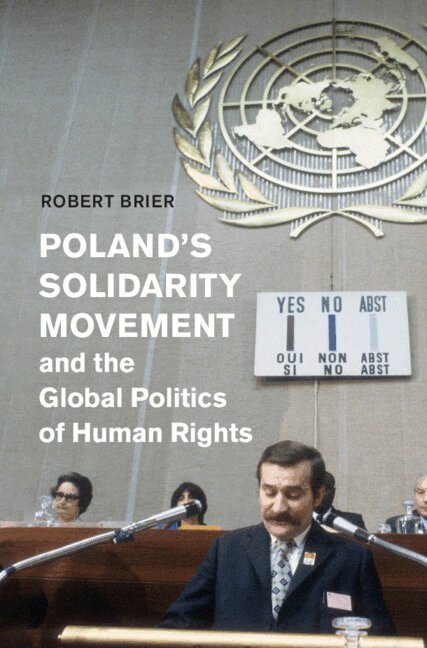
In the historiography of human rights, the 1980s feature as little more than an afterthought to the human rights breakthrough of the previous decade. Through an examination of one of the major actors of recent human rights history - Poland's Solidarity movement - Robert Brier challenges this view. Suppressed in 1981, Poland's Solidarity movement was supported by a surprisingly diverse array of international groups: US Cold Warriors, French left-wing intellectuals, trade unionists, Amnesty International, even Chilean opponents of the Pinochet regime. By unpacking the politics and transnational discourses of these groups, Brier demonstrates how precarious the position of human rights in international politics remained well into the 1980s. More importantly, he shows that human rights were a profoundly political and highly contested language, which actors in East and West adopted to redefine their social and political identities in times of momentous cultural and intellectual change.
1 065 kr
Skickas inom 7-10 vardagar
In the historiography of human rights, the 1980s feature as little more than an afterthought to the human rights breakthrough of the previous decade. Through an examination of one of the major actors of recent human rights history - Poland's Solidarity movement - Robert Brier challenges this view. Suppressed in 1981, Poland's Solidarity movement was supported by a surprisingly diverse array of international groups: US Cold Warriors, French left-wing intellectuals, trade unionists, Amnesty International, even Chilean opponents of the Pinochet regime. By unpacking the politics and transnational discourses of these groups, Brier demonstrates how precarious the position of human rights in international politics remained well into the 1980s. More importantly, he shows that human rights were a profoundly political and highly contested language, which actors in East and West adopted to redefine their social and political identities in times of momentous cultural and intellectual change.