
Steven J. Brady - Böcker
Visar alla böcker från författaren Steven J. Brady. Handla med fri frakt och snabb leverans.
4 produkter
4 produkter
1 476 kr
Skickas inom 10-15 vardagar
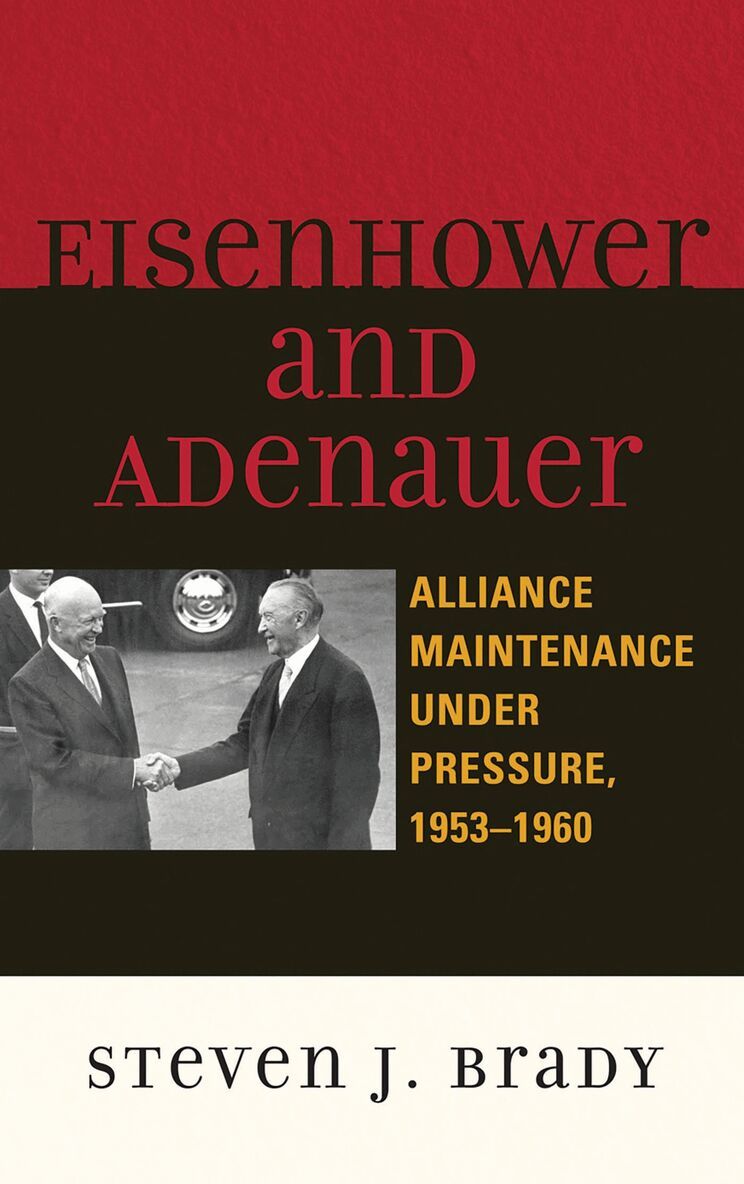
In the early years of the Atlantic Alliance, no bilateral relationship was more important than that between the Federal Republic of Germany and the United States. Even so, the West German-American alliance was taxing for both sides during much of the first two decades of the Cold War. Ultimately, despite frequent, significant challenges to the alliance from without and within, the two allies managed to achieve a positive and productive relationship - Eisenhower and Adenauer explains how they did so.In both capitals, the top foreign policy makers were deeply involved in the conduct of what they viewed as a vital bilateral alliance, with both President Dwight Eisenhower and Chancellor Konrad Adenauer taking the lead in his own government. For the Americans, a rearmed FRG tightly bound to the West was the bedrock of any European security policy that could contain the Soviet Union for the long-term. For the West German government, their relationship with the United States was the bedrock of rehabilitation and, indeed, survival as an independent country. In this book, their alliance is closely analyzed to form new knowledge on the West German-American relationship during the Cold War.
385 kr
Skickas inom 7-10 vardagar
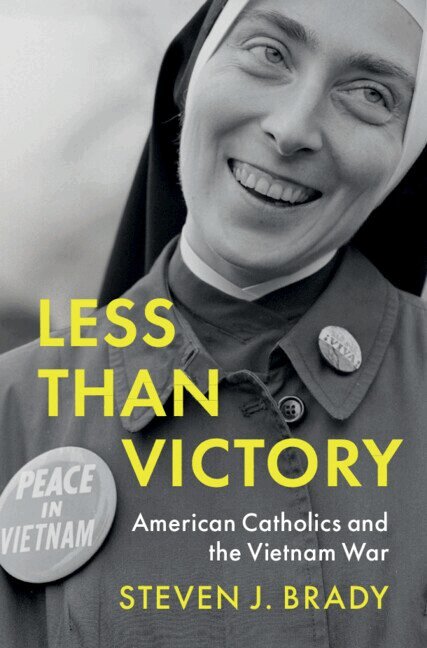
The first book of its kind, Less than Victory explores both the impact the Vietnam War had on American Catholics, and the impact of the nation's largest religious group upon its most controversial war. Through the 1960s, Roman Catholics made up one-quarter of the population, and were deeply involved in all aspects of war. In this book, Steven J. Brady argues that American Catholics introduced the moral, as opposed to the prudential, argument about the war earlier and more comprehensively than other groups. The Catholic debate on morality was three cornered: some saw the war as inherently immoral, others as morally obligatory, while others focused on the morality of the means - napalm, torture, and free-fire zones - that the US and the Army of the Republic of Vietnam were employing. These debates presaged greater Catholic involvement in war and peace issues, provoking a shift away from traditional ideas of a just war across American Catholic thinking and dialogue.
1 597 kr
Skickas inom 10-15 vardagar
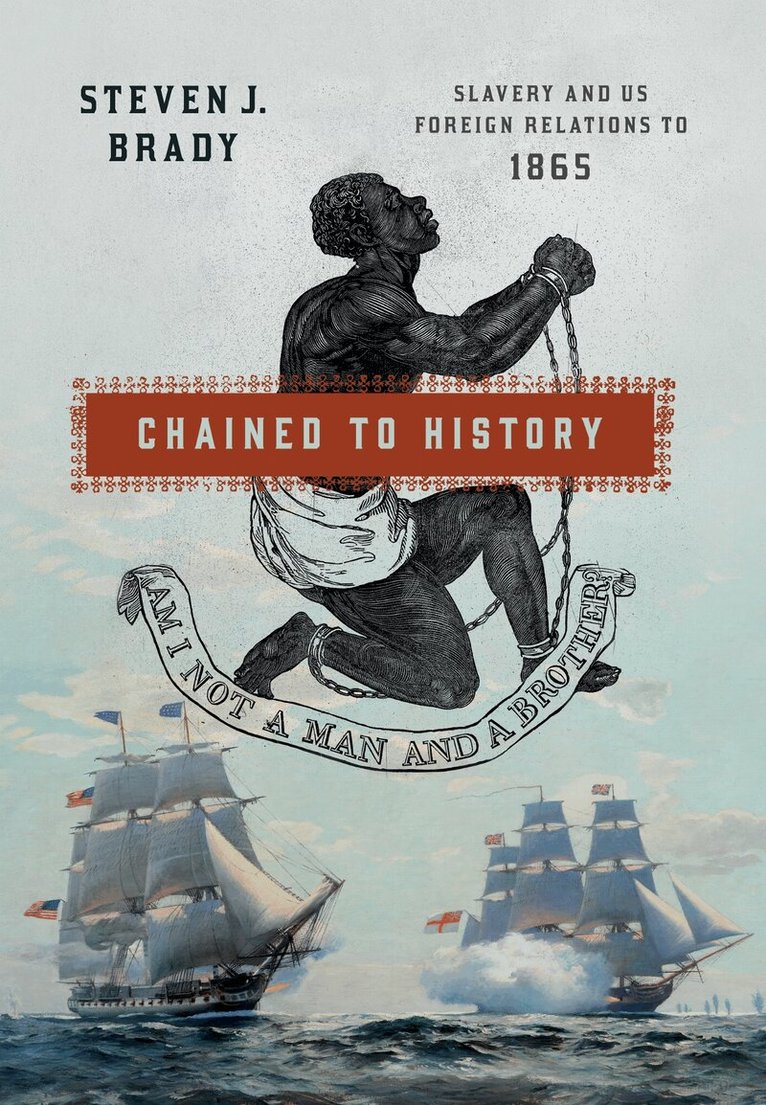
Winner of the 2022 Phillis Wheatley Book Award, Historical-Academic NonfictionIn Chained to History, Steven J. Brady centers slavery in America's pre–Civil War foreign relations. From the aftermath of the American Revolution, Brady examines how slavery influenced military, economic, and moral diplomatic challenges. He demonstrates how slavery intertwined with America's foreign policy, affecting trade, extradition treaties, and military alliances.Brady highlights the constraints on American policymakers, who, despite an international shift toward abolition, were limited by the proslavery interests of the Democratic Party. As global powers abolished slavery, the American stance became increasingly untenable.From the Age of Revolutions through the Civil War, slavery consistently shaped US relations with the Atlantic World and beyond. Chained to History explores this crucial issue comprehensively, revealing how the practice of human bondage influenced America's reentry into the global community after 1865.
300 kr
Skickas
Winner of the 2022 Phillis Wheatley Book Award, Historical-Academic NonfictionIn Chained to History, Steven J. Brady centers slavery in America's pre–Civil War foreign relations. From the aftermath of the American Revolution, Brady examines how slavery influenced military, economic, and moral diplomatic challenges. He demonstrates how slavery intertwined with America's foreign policy, affecting trade, extradition treaties, and military alliances.Brady highlights the constraints on American policymakers, who, despite an international shift toward abolition, were limited by the proslavery interests of the Democratic Party. As global powers abolished slavery, the American stance became increasingly untenable.From the Age of Revolutions through the Civil War, slavery consistently shaped US relations with the Atlantic World and beyond. Chained to History explores this crucial issue comprehensively, revealing how the practice of human bondage influenced America's reentry into the global community after 1865.