
Vjosa Musliu - Böcker
Visar alla böcker från författaren Vjosa Musliu. Handla med fri frakt och snabb leverans.
8 produkter
8 produkter
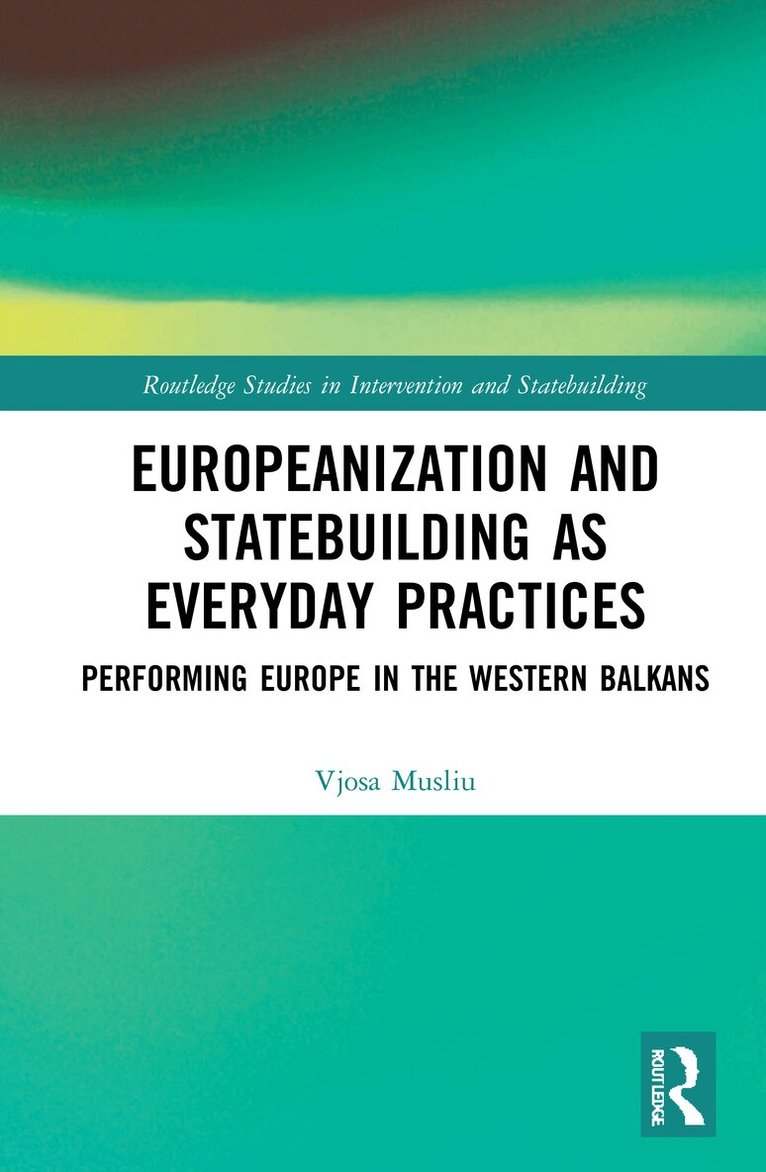
Europeanization and Statebuilding as Everyday Practices
Performing Europe in the Western Balkans
Inbunden, Engelska, 2021
2 103 kr
Skickas inom 10-15 vardagar
This book provides a critical understanding of Europeanization and statebuilding in the Western Balkans, using the notion of everyday practices.This volume argues that it is everyday and mundane events that provide the entry points to showcase a broader set of practices of Europeanization in countries outside the EU. It does this by tracing notions of Europeanization in the everyday statebuilding of Kosovo, Europe Day celebrations in Bosnia and Herzegovina, urban politics in Tirana, and space and place making in Skopje. In doing so, the book shows that everyday events tell us that as much as it is about changing structures, institutions, and economic models, Europeanization is also about changing behaviours and ideas in populations at large. At the same time, the work shows that countries outside the EU use everyday events to perform their belonging to Europe. This book will be of much interest to students of European Studies, Balkan politics, statebuilding, and International Relations generally.
616 kr
Skickas inom 10-15 vardagar
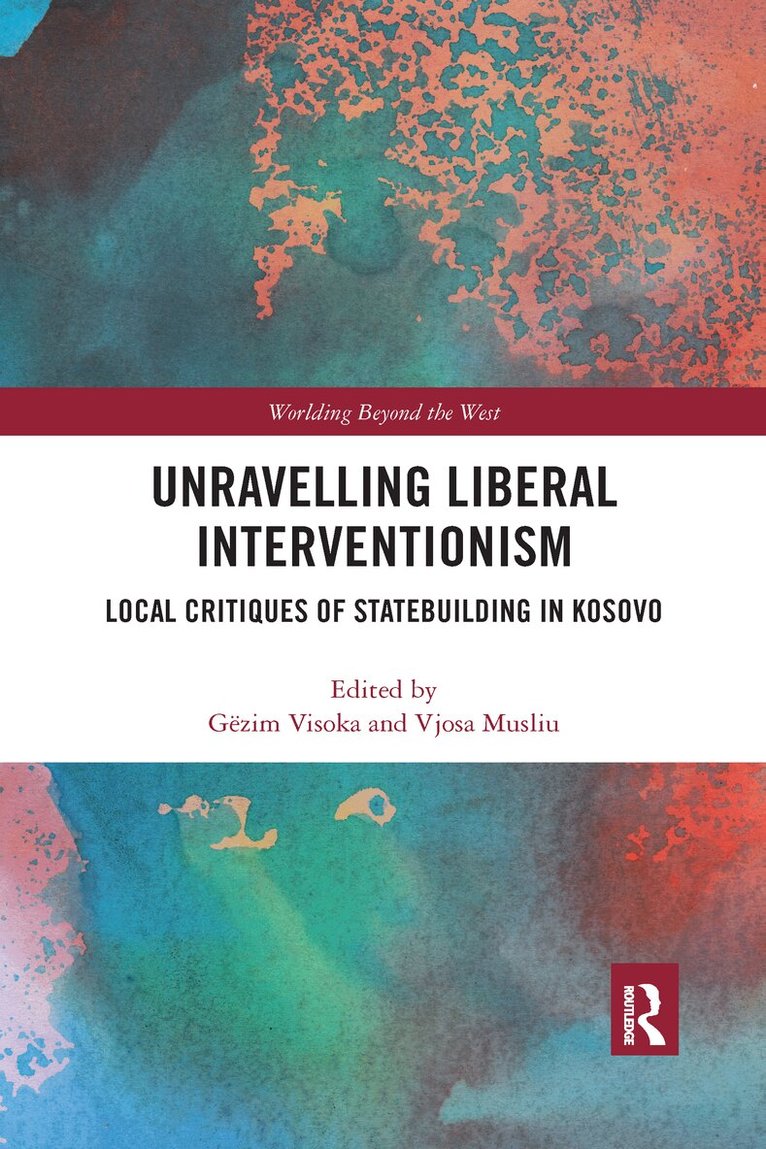
Despite calls for the decolonisation of knowledge, scholars who come from conflict-affected societies remained marginalised, excluded from the examination of the politics and impacts of liberal interventionism. This edited volume gives local scholars a platform from which they critically examine different aspects of liberal interventionism and statebuilding in Kosovo. Drawing on situational epistemologies and grounded approaches, the chapters in this book interrogate a wide range of themes, including: the politics of local resistance; the uneven relationship between international statebuilders and local subjects; faking of local ownership of security sector reform and the rule of law; heuristic and practical limits of interventionism, as well as the subjugated voices in statebuilding process, such as minorities and women. The book finds that the local is not antidote to the liberal, and that local perspectives are not monolithic. Yet, local critiques of statebuilding do not seek to generate replicable knowledge; rather they prefer generating situational and context-specific knowledge be that to resolve problems or uncover the unresolved problems. The book seeks to contribute to critical peace and conflict studies by (re)turning the local turn to local scholars who come from conflict-affected societies and who have themselves experienced the transition from war to peace. This book is essential reading for students and scholars of peace- and state-building, conflict studies and international relations.
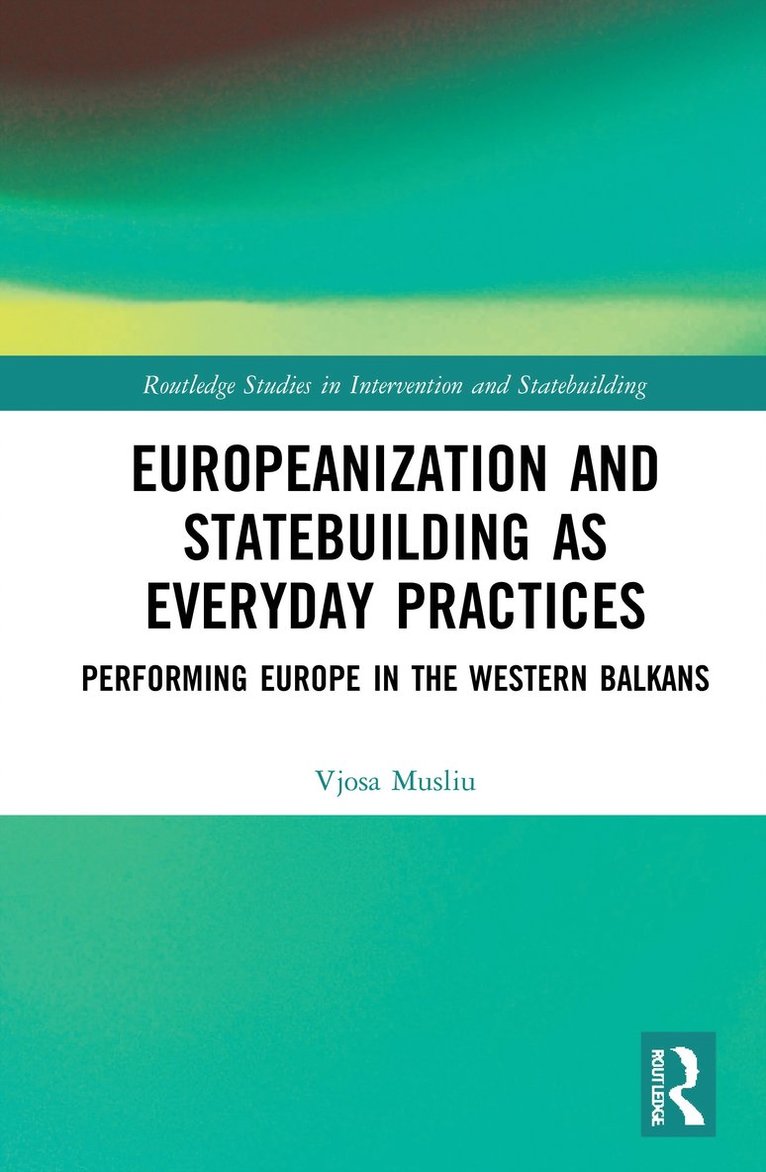
Europeanization and Statebuilding as Everyday Practices
Performing Europe in the Western Balkans
Häftad, Engelska, 2021
578 kr
Skickas inom 10-15 vardagar
This book provides a critical understanding of Europeanization and statebuilding in the Western Balkans, using the notion of everyday practices.This volume argues that it is everyday and mundane events that provide the entry points to showcase a broader set of practices of Europeanization in countries outside the EU. It does this by tracing notions of Europeanization in the everyday statebuilding of Kosovo, Europe Day celebrations in Bosnia and Herzegovina, urban politics in Tirana, and space and place making in Skopje. In doing so, the book shows that everyday events tell us that as much as it is about changing structures, institutions, and economic models, Europeanization is also about changing behaviours and ideas in populations at large. At the same time, the work shows that countries outside the EU use everyday events to perform their belonging to Europe. This book will be of much interest to students of European Studies, Balkan politics, statebuilding, and International Relations generally.
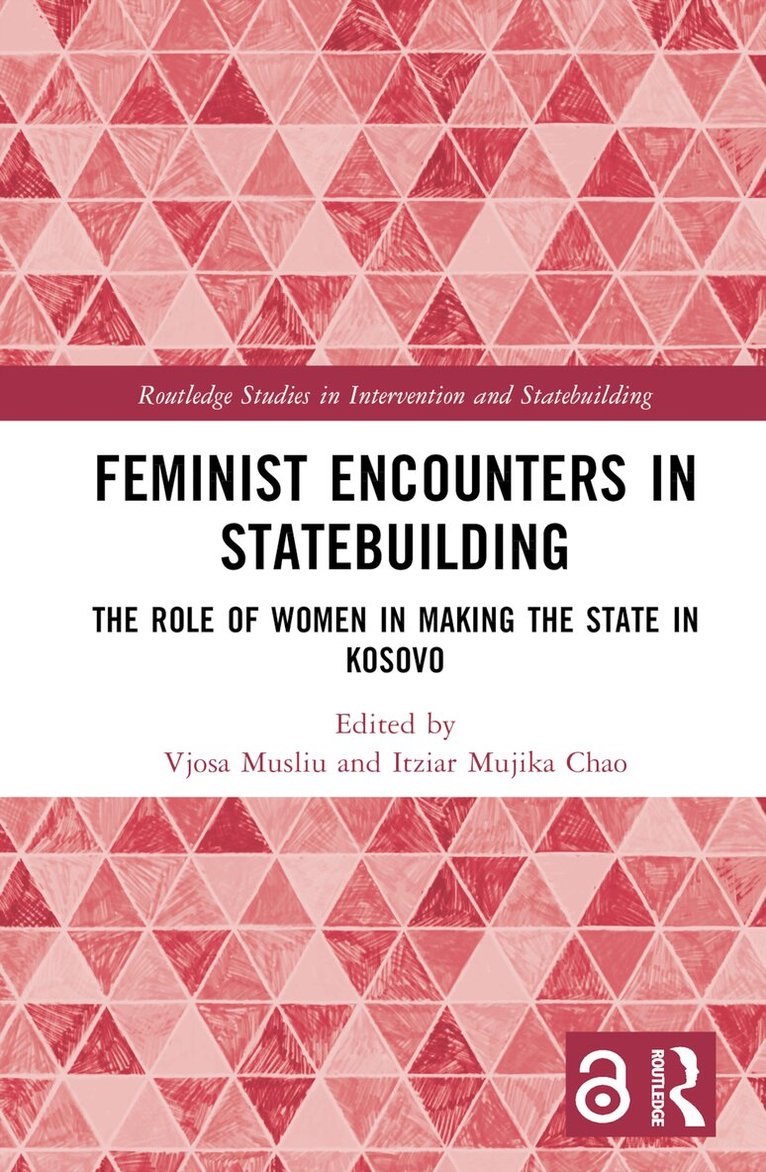
Feminist Encounters in Statebuilding
The Role of Women in Making the State in Kosovo
Inbunden, Engelska, 2024
2 103 kr
Skickas inom 10-15 vardagar
This volume provides one of the first comprehensive feminist readings of international statebuilding, with a specific focus on the case of Kosovo.Rather than simply showing how the state in Kosovo is being built by and through women and feminist encounters, this volume is interested to problematise women and feminist subjectivities vis-à-vis the state and statebuilding. The book challenges three main arguments related to the processes and subjects of statebuilding in Kosovo. First, the academic literature on Kosovo has a tendency to take the international intervention of 1999 as the originary point of statebuilding processes in Kosovo. Second, and relatedly, given Kosovo's unprecedented exposure to Western intervention and statebuilding, the majority of works start from the presumption that liberal interventionism in Kosovo (and elsewhere) is normatively more progressive than the previous system, and that the liberal interventionism and statebuilding are naturally gender progressive and gender-equal. The third argument has to do with the existing legal architecture on gender and women’s rights in contemporary Kosovo. The aim of the volume is to, on the one hand, problematise the evidence against the backdrop of everyday manifestations and/or performances of statebuilding and on the other hand interrogate the co-constitutive gender aspect. In terms of methodology, the volume brings together contributions that rely on traditional and multi-sited ethnography, and narrative research rooted in projects and initiatives in Kosovo. This allows the contributors to unearth new and silenced actors, entry points, subjects and subjectivities in processes of and related to statebuilding in Kosovo; feminist frictions and challenges to statebuilding in Kosovo; as well as encounters of heteronormative statebuilding.This book will be of much interest to students of statebuilding, Balkan politics, feminisms, and international relations, in general.The Open Access version of this book, available at www.taylorfrancis.com, has been made available under a Creative Commons Attribution-Non Commercial-No Derivatives (CC-BY-NC-ND) 4.0 International license.
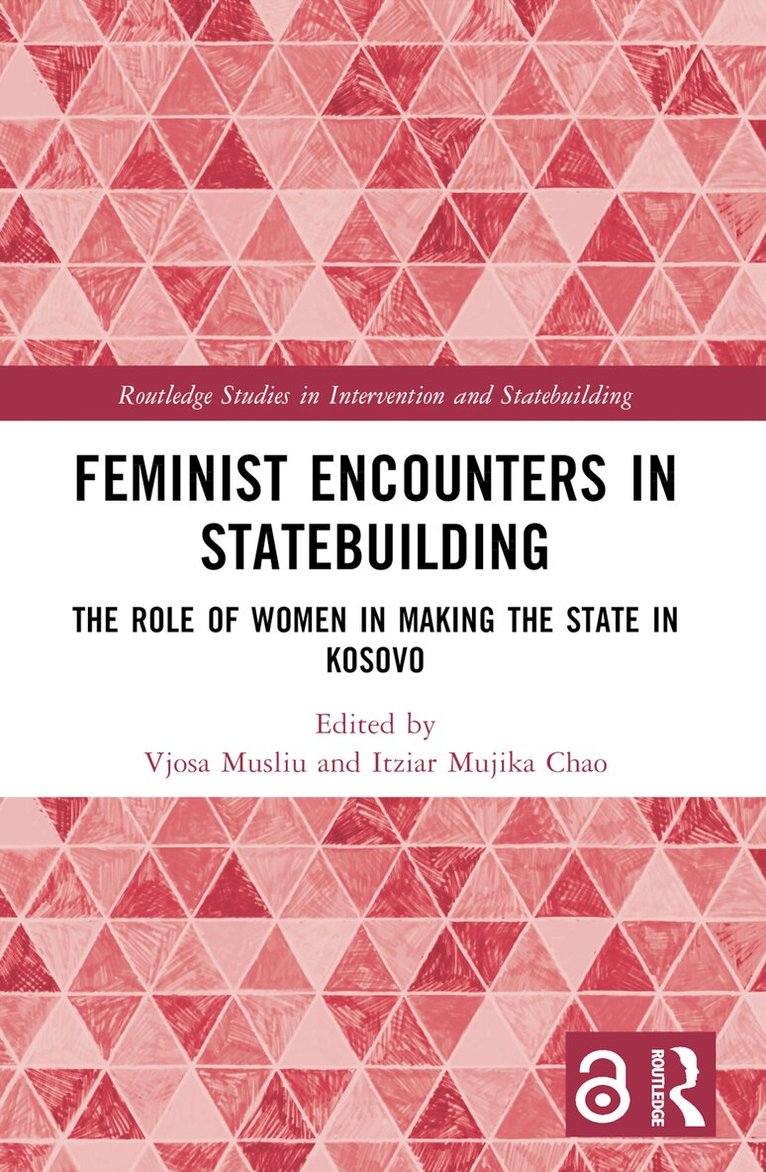
Feminist Encounters in Statebuilding
The Role of Women in Making the State in Kosovo
Häftad, Engelska, 2025
629 kr
Skickas inom 10-15 vardagar
This volume provides one of the first comprehensive feminist readings of international statebuilding, with a specific focus on the case of Kosovo.Rather than simply showing how the state in Kosovo is being built by and through women and feminist encounters, this volume is interested to problematise women and feminist subjectivities vis-à-vis the state and statebuilding. The book challenges three main arguments related to the processes and subjects of statebuilding in Kosovo. First, the academic literature on Kosovo has a tendency to take the international intervention of 1999 as the originary point of statebuilding processes in Kosovo. Second, and relatedly, given Kosovo's unprecedented exposure to Western intervention and statebuilding, the majority of works start from the presumption that liberal interventionism in Kosovo (and elsewhere) is normatively more progressive than the previous system, and that the liberal interventionism and statebuilding are naturally gender progressive and gender-equal. The third argument has to do with the existing legal architecture on gender and women’s rights in contemporary Kosovo. The aim of the volume is to, on the one hand, problematise the evidence against the backdrop of everyday manifestations and/or performances of statebuilding and on the other hand interrogate the co-constitutive gender aspect. In terms of methodology, the volume brings together contributions that rely on traditional and multi-sited ethnography, and narrative research rooted in projects and initiatives in Kosovo. This allows the contributors to unearth new and silenced actors, entry points, subjects and subjectivities in processes of and related to statebuilding in Kosovo; feminist frictions and challenges to statebuilding in Kosovo; as well as encounters of heteronormative statebuilding.This book will be of much interest to students of statebuilding, Balkan politics, feminisms, and international relations, in general.The Open Access version of this book, available at www.taylorfrancis.com, has been made available under a Creative Commons Attribution-Non Commercial-No Derivatives (CC-BY-NC-ND) 4.0 International license.
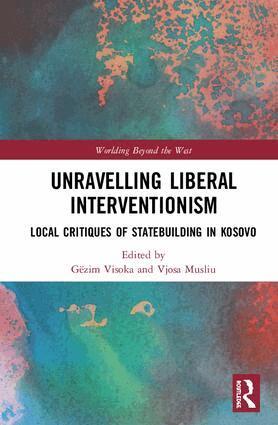
Unravelling Liberal Interventionism
Local Critiques of Statebuilding in Kosovo
Inbunden, Engelska, 2019
2 103 kr
Skickas inom 10-15 vardagar
Despite calls for the decolonisation of knowledge, scholars who come from conflict-affected societies remained marginalised, excluded from the examination of the politics and impacts of liberal interventionism. This edited volume gives local scholars a platform from which they critically examine different aspects of liberal interventionism and statebuilding in Kosovo. Drawing on situational epistemologies and grounded approaches, the chapters in this book interrogate a wide range of themes, including: the politics of local resistance; the uneven relationship between international statebuilders and local subjects; faking of local ownership of security sector reform and the rule of law; heuristic and practical limits of interventionism, as well as the subjugated voices in statebuilding process, such as minorities and women. The book finds that the local is not antidote to the liberal, and that local perspectives are not monolithic. Yet, local critiques of statebuilding do not seek to generate replicable knowledge; rather they prefer generating situational and context-specific knowledge be that to resolve problems or uncover the unresolved problems. The book seeks to contribute to critical peace and conflict studies by (re)turning the local turn to local scholars who come from conflict-affected societies and who have themselves experienced the transition from war to peace.This book, voted one of the top 10 books of 2020 by International Affairs, is essential reading for students and scholars of peace- and state-building, conflict studies and international relations.
1 177 kr
Skickas inom 10-15 vardagar
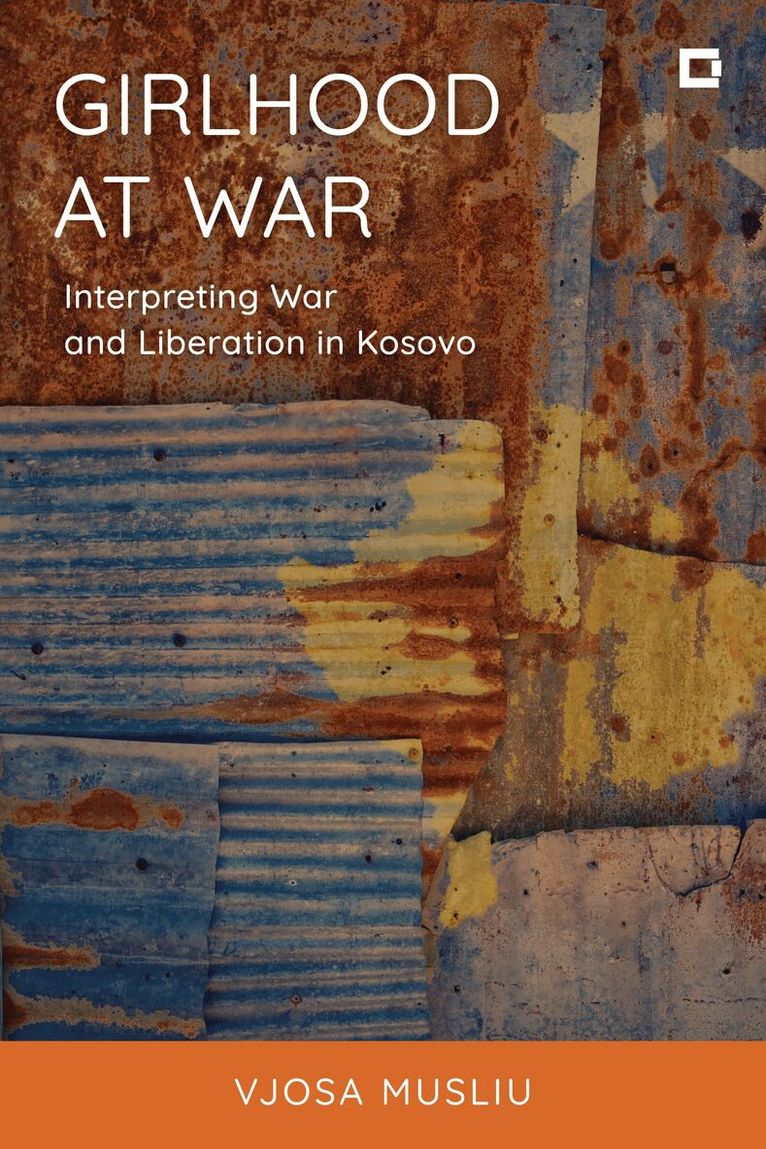
This book tells the true story of a young girl growing up during the Kosovo war and its immediate aftermath following Kosovo’s liberation by NATO troops in 1999. Through her embodied experiences, the book exposes the tangible and everyday acts and events of the war, providing brutal insight into the impact of war and the politics of subjugation.At the outset of the book (in 1998), Vjosa’s view of the world, as a young child, is organized in clear dichotomies: the good Albanians and the evil Serbs; the brutal Serbian military shelling Albanian civilians and the angelic NATO airplanes bombing Serbian military sites. This Manichean worldview starts to unravel after Vjosa and her family are chased away from their home by the Serbian military and moved to the suburbs. There, surrounded by mostly poor and uneducated fellow Albanians, she gradually discovers the layers of her family’s socio-economic privileges. Though unequipped with the language to verbalize it, she is tormented by the idea that her family’s comparatively higher socio-economic status is the reason why they are spared by the Serbian military. When the war ends in 1999, and the NATO tanks fill the narrow streets of her hometown as Serbian military tanks leave, Vjosa believes she received her own ‘happily ever after’. She celebrates her thirteenth birthday happily wearing a US military uniform, holding an unbearably heavy unloaded gun as she becomes the favorite interpreter of the American NATO troops. She spends several months after the war occasionally translating between angry Albanians who now seek revenge against Serbs and NATO troops who insist on not picking sides; showcasing the impossibility of (re)building Kosovo with “both-sides-ism” becoming the modus operandi of the international intervening structures.
392 kr
Skickas inom 10-15 vardagar
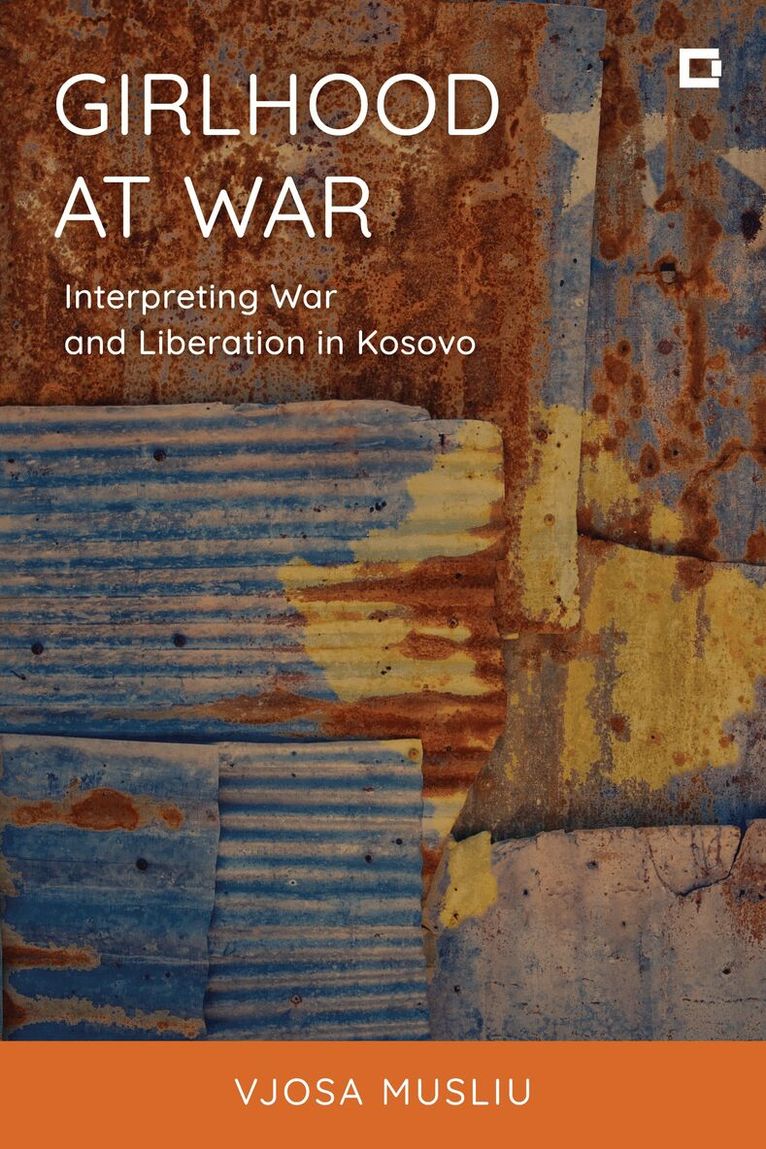
This book tells the true story of a young girl growing up during the Kosovo war and its immediate aftermath following Kosovo’s liberation by NATO troops in 1999. Through her embodied experiences, the book exposes the tangible and everyday acts and events of the war, providing brutal insight into the impact of war and the politics of subjugation.At the outset of the book (in 1998), Vjosa’s view of the world, as a young child, is organized in clear dichotomies: the good Albanians and the evil Serbs; the brutal Serbian military shelling Albanian civilians and the angelic NATO airplanes bombing Serbian military sites. This Manichean worldview starts to unravel after Vjosa and her family are chased away from their home by the Serbian military and moved to the suburbs. There, surrounded by mostly poor and uneducated fellow Albanians, she gradually discovers the layers of her family’s socio-economic privileges. Though unequipped with the language to verbalize it, she is tormented by the idea that her family’s comparatively higher socio-economic status is the reason why they are spared by the Serbian military. When the war ends in 1999, and the NATO tanks fill the narrow streets of her hometown as Serbian military tanks leave, Vjosa believes she received her own ‘happily ever after’. She celebrates her thirteenth birthday happily wearing a US military uniform, holding an unbearably heavy unloaded gun as she becomes the favorite interpreter of the American NATO troops. She spends several months after the war occasionally translating between angry Albanians who now seek revenge against Serbs and NATO troops who insist on not picking sides; showcasing the impossibility of (re)building Kosovo with “both-sides-ism” becoming the modus operandi of the international intervening structures.